Newsletters


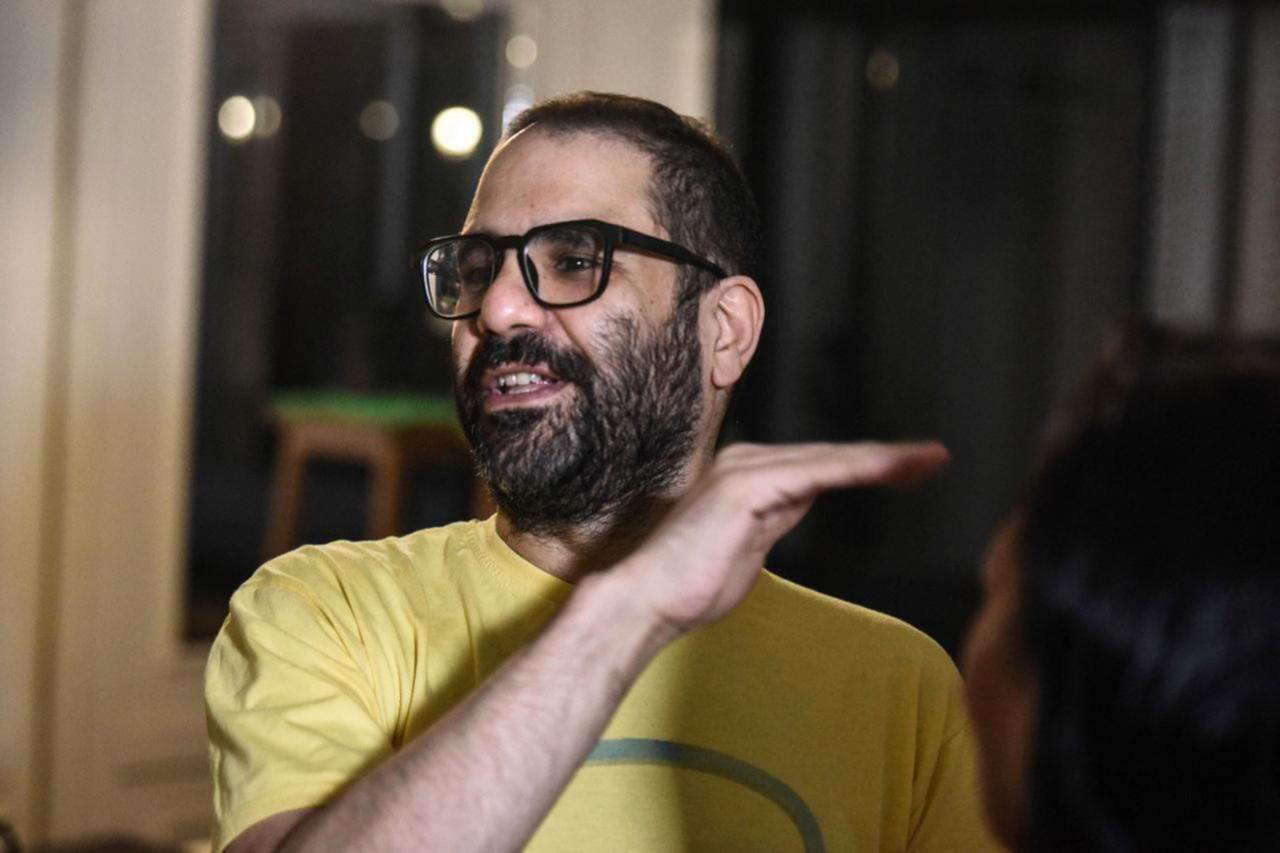


Egypt’s public prosecutor has lifted a travel ban imposed on activist Alaa Abdel Fattah, his lawyer Khaled Ali told Agence France-Presse on Saturday, after authorities stopped Abdel Fattah from traveling from Cairo Airport last month despite a presidential pardon.
Ali noted that “the public prosecutor approved removing Alaa Abdel Fattah from the travel-ban lists, based on a request submitted by our side.”
Abdel Fattah, 44, a prominent figure in the 2011 uprising, received a presidential pardon and was released in September after spending nearly a decade in prison.
Abdel Fattah’s case drew global attention, particularly during the COP27 climate summit hosted by Egypt in 2022. Rights groups and Western governments pressed Cairo for his release. His name was also removed earlier this year from Egypt’s “terrorism” list.
The pardon followed repeated international appeals for Abdel Fattah’s release after his prolonged imprisonment and multiple hunger strikes. He had been held on charges widely criticized by human rights groups.
His release followed years of advocacy by rights groups, the British government and his family, as his mother, Laila Soueif, staged a hunger strike.
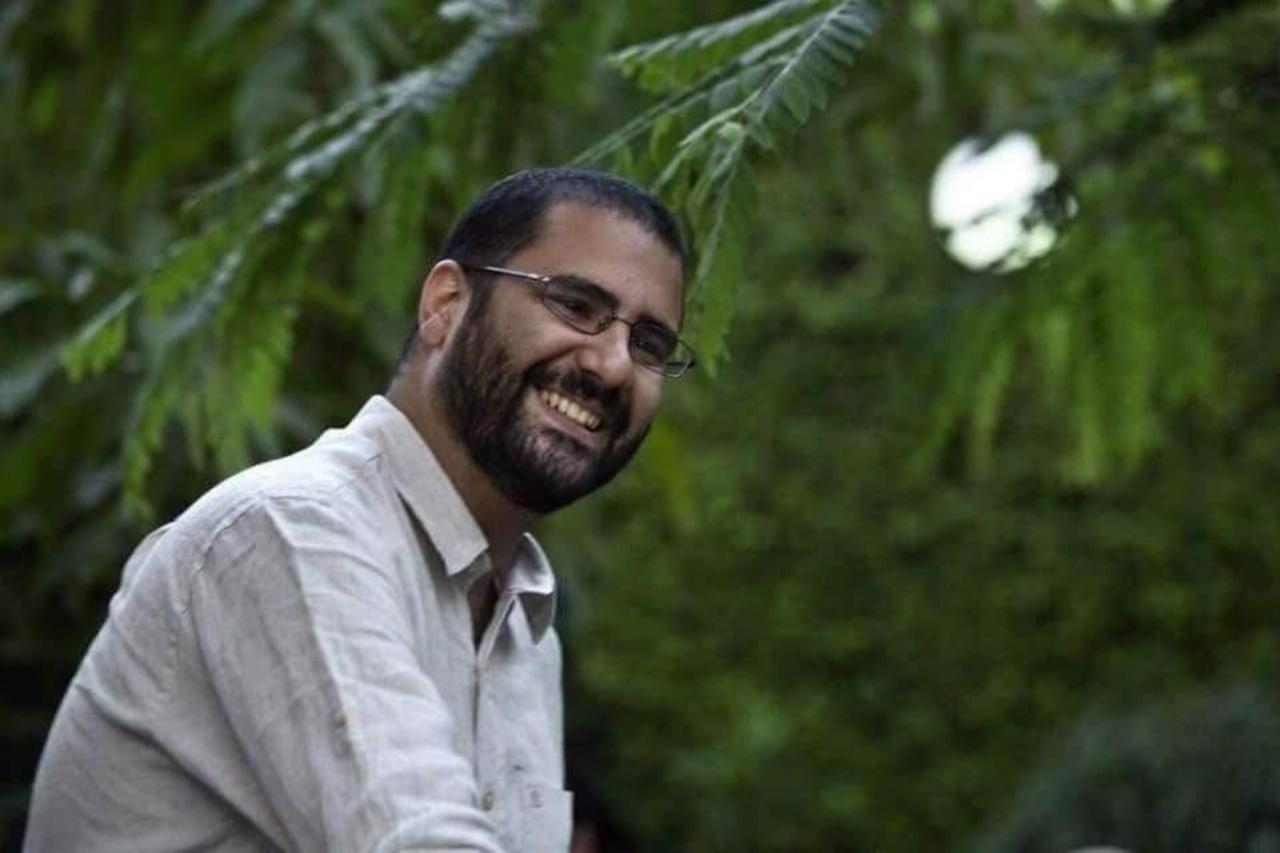

His sister, Sanaa Seif, said that despite the pardon, authorities stopped the activist from traveling at Cairo Airport last month as he was preparing to head to Britain.
Abdel Fattah, who also holds British citizenship, was due to receive the 2025 Magnitsky Award in the U.K., which was jointly awarded to him and his mother in recognition of “courage under fire.”
Abdel Fattah has opposed successive Egyptian presidents since the early 2000s, when he began his online activism.
He was last arrested in 2019 after sharing a Facebook post about police violence, and in 2021 was sentenced to five years in prison on charges of “spreading false news,” an accusation frequently leveled against opponents in Egypt.
Two months before his release, a Cairo criminal court removed Abdel Fattah’s name from a terrorism suspects list, after investigations concluded he no longer had any links to Egypt’s Muslim Brotherhood.
Egypt has long faced criticism over its human rights record.
While many activists have been released in recent years, human rights groups estimate that tens of thousands of political prisoners remain behind bars, a claim the authorities deny, insisting there are no political detainees.


 Set as preferred source
 Set as preferred source


 2 min read