Newsletters


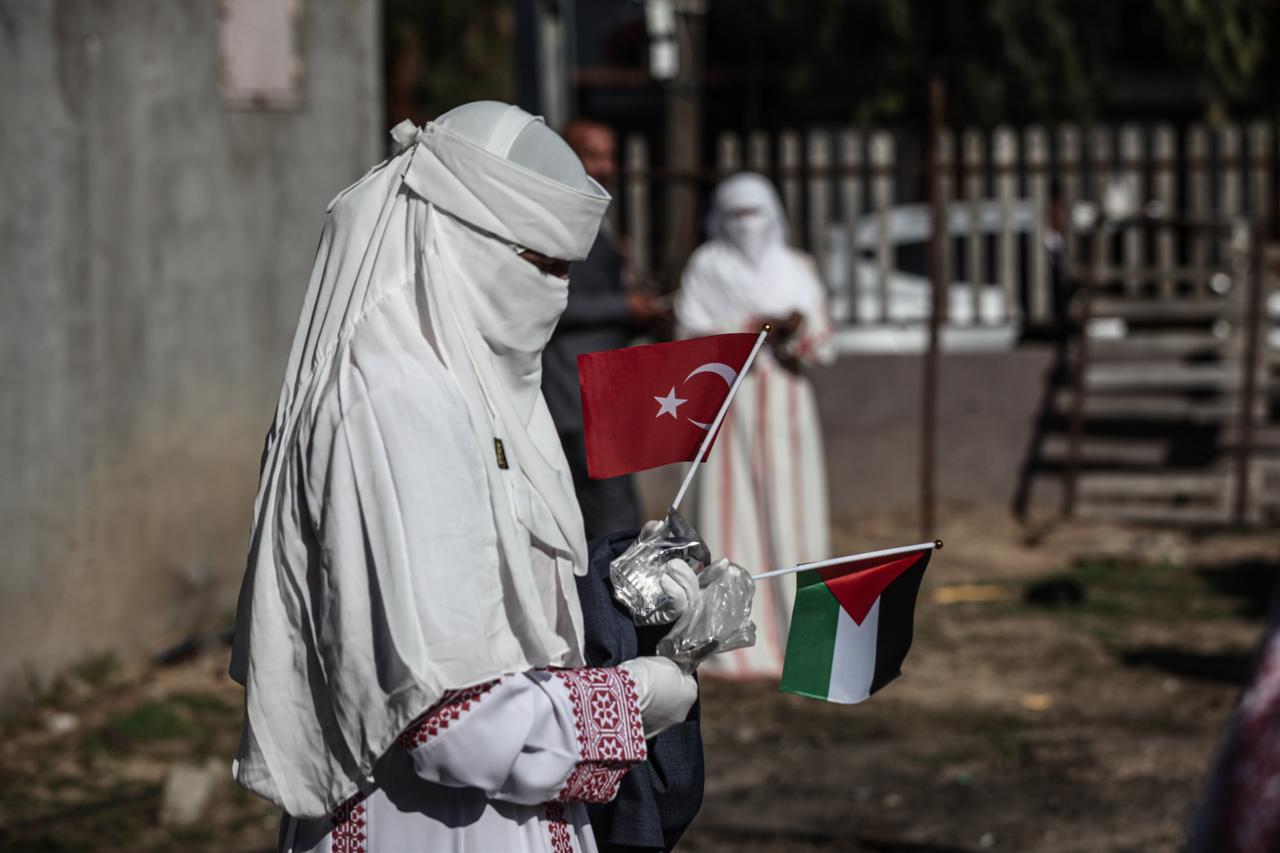


Israel has rejected Türkiye's participation in the international stabilization force planned for Gaza, while Russia is not part of the format, Palestinian Ambassador to Moscow Abdel Hafiz Nofal told Russian media outlet TASS on Sunday.
"Israel rejected Türkiye's participation in these forces," Nofal said, adding that currently only Indonesia and Italy are being discussed as participants, with other countries' agreement still pending.
The ambassador said serious efforts are being made to create the stabilization force, but its mandate remains unclear: "How, where, and when they should operate."
"In this regard, many states that previously expressed readiness to participate are trying to step back from their stated positions," Nofal stated.


Nofal said the main disagreements around the initiative center on whether the force's role will be to separate areas under Israeli army control, or whether the goal will be the disarmament of Hamas.
"The situation still remains without progress," the Palestinian Ambassador to Moscow noted.
"At the same time, it is important to emphasize that a number of states participating or considering participation in these forces, including the Arab Republic of Egypt, advocate for the formation of peacekeeping forces, and not for a mission limited exclusively to disarming Hamas," he added.

The United States, Qatar, Egypt and Türkiye on Saturday urged all parties in the Gaza ceasefire to uphold their obligations and exercise restraint, U.S. Special Envoy Steve Witkoff said after talks in Miami.
Top officials from each nation met with Witkoff to review the first stage of the ceasefire that came into effect on Oct. 10.
"We reaffirm our full commitment to the entirety of the President's 20-point peace plan and call on all parties to uphold their obligations, exercise restraint, and cooperate with monitoring arrangements," said a statement posted by Witkoff on X.
The statement cited progress in the first stage of the peace agreement, including expanded humanitarian assistance, return of hostage bodies, partial force withdrawals and a reduction in hostilities.
It called for "the near-term establishment and operationalization" of a transitional administration due in the second phase of the agreement.
 2 min read
The meeting came amid continuing strains on the agreement. Gaza's civil defense said six people were killed in Israeli shelling of a shelter, bringing at least to 400 the number of Palestinians killed by Israeli fire since the deal took effect.
Israel has repeatedly accused Hamas of violating the truce, with Israeli military reporting three of its soldiers killed in the territory since October.
The Israeli army, which has violated the ceasefire agreement almost daily since it came into effect on Oct. 10, continues attacks on Palestinians. Israel still occupies approximately 50% of the Gaza Strip after withdrawing to the "Yellow Line" under the first phase of the agreement.

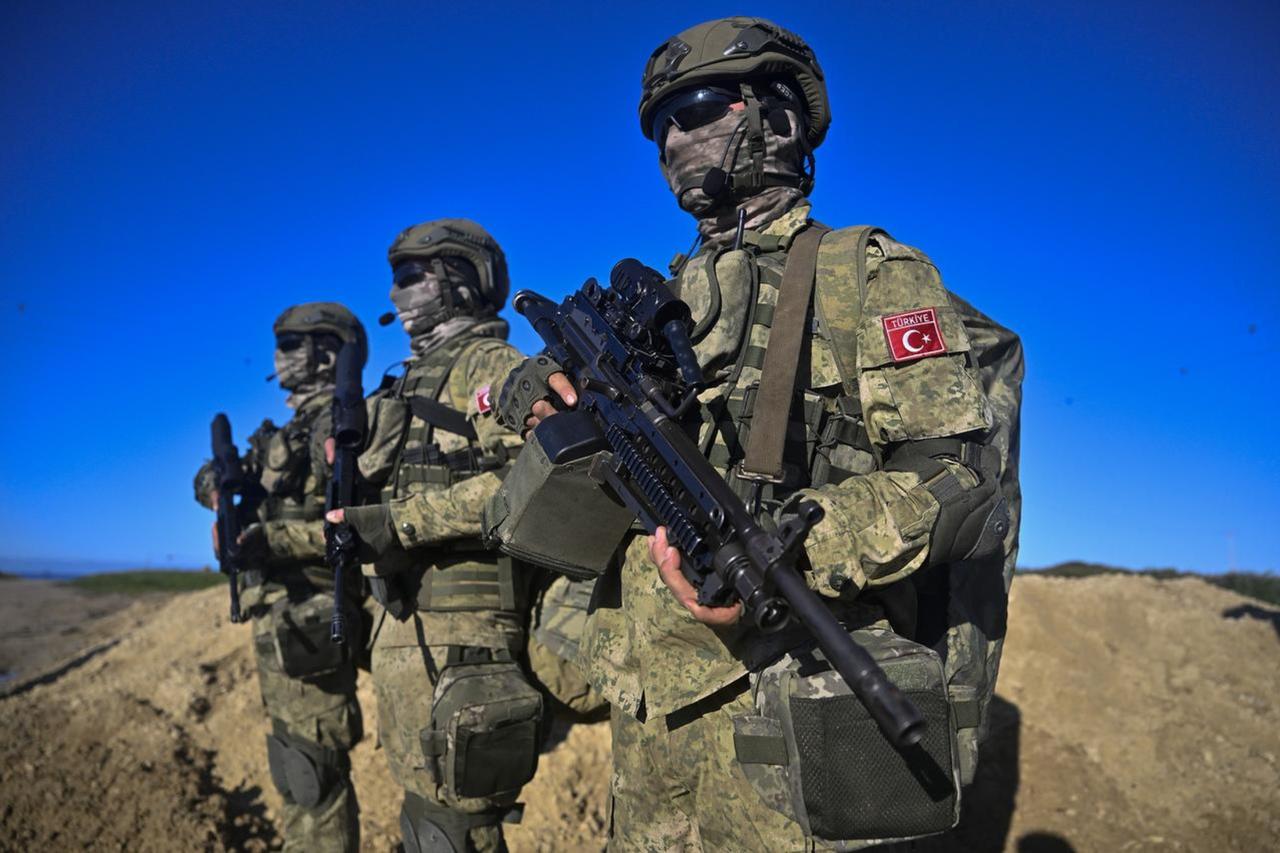
U.S. Secretary of State Marco Rubio recently expressed hope that countries would contribute troops for the stabilization force, but also urged the disarmament of Hamas, warning the process would unravel unless that happened.
Under the deal's terms, Israel is supposed to withdraw from its positions in Gaza, an interim authority is to govern the Palestinian territory instead of Hamas, and an international stabilization force is to be deployed.
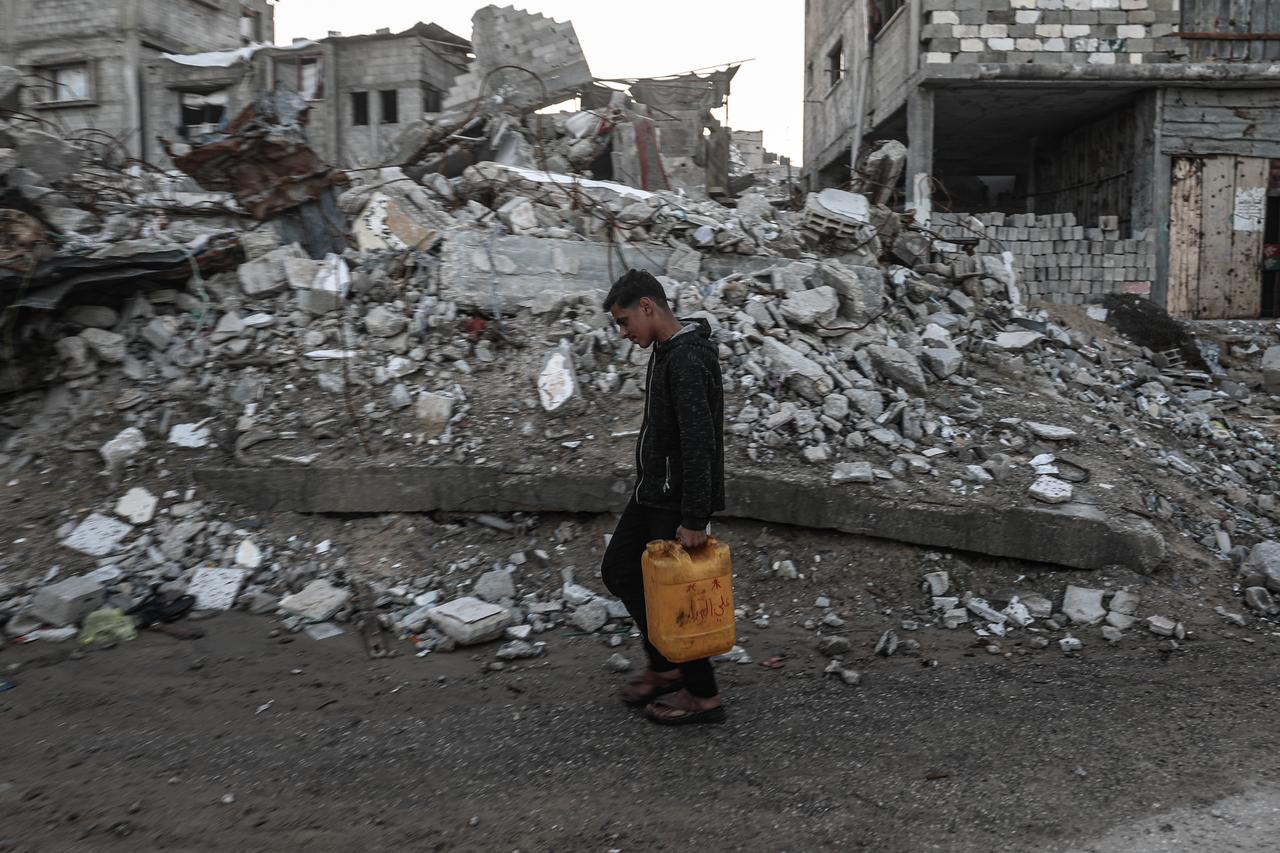
Israel's attacks on Gaza since Oct. 8, 2023, which continues for over two years, resulting in the deaths of more than 70,000 Palestinians, most of them women and children, and the wounding of more than 171,000.


 Set as preferred source
 Set as preferred source



 1 min read