Sign in
 Newsletters


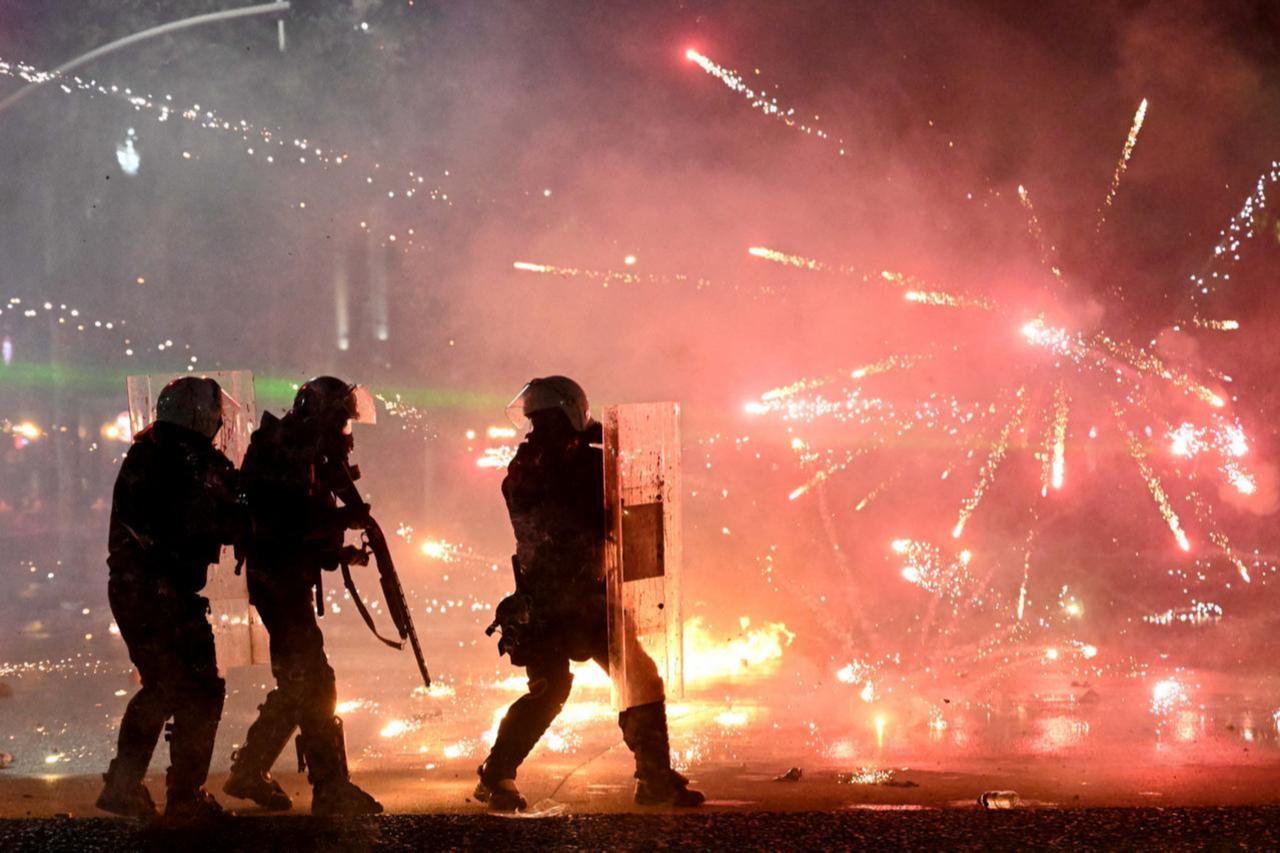


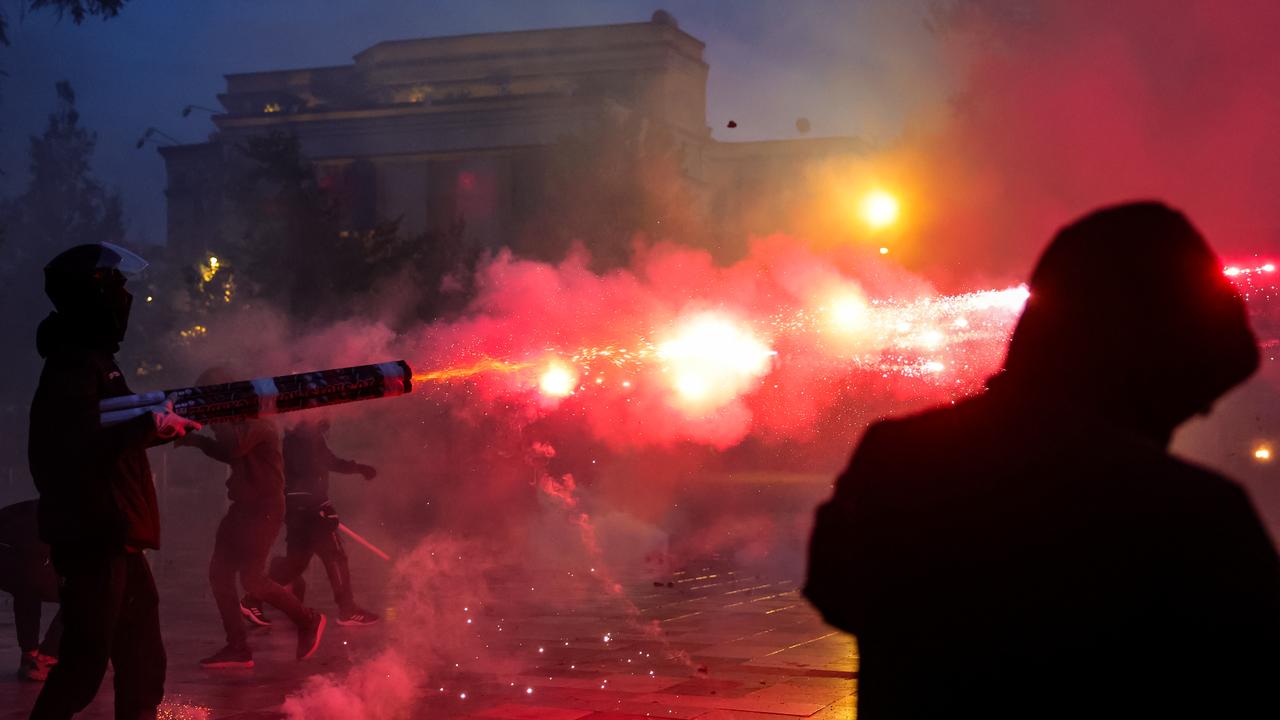
Albanian police fired tear gas and water cannon at anti-government protesters in Tirana on Saturday, after masked young men attacked government buildings and clashed with officers during a nationwide rally.
The health ministry said eight people were injured, including a police officer and two journalists.
Thousands gathered in the capital after students and opposition parties separately called for a nationwide protest. The rally coincided with the Independence Day weekend, normally a time of celebration. Protesters first assembled at Skanderbeg Square, then marched toward Martyrs of the Nation Boulevard, where the prime minister's office is located.
Reports claimed masked protesters smashed windows at the transport ministry and the central bank and tried to break down the door of the interior ministry. Demonstrators threw stones, smoke grenades, fireworks, torches and Molotov cocktails at police, and some businesses were damaged.
Police responded with tear gas, pepper spray and water cannon. Reports also show a police officer fire rubber bullets on at least one occasion. Video footage showed the main boulevard blanketed in thick smoke as the two sides exchanged projectiles.
Police did not allow the crowd to reach the prime minister's office, and hundreds of officers were deployed, closing several roads to traffic. Some protesters were affected by the gas.

The leaderless movement began in May with peaceful rallies against a luxury hotel project in a coastal nature reserve linked to the family of US President Donald Trump. The project fueled anger over alleged corruption.
In October, the demonstrations broadened to take in poor healthcare and a lack of prospects for young people. Protests that began on Oct. 13 have continued without a break, according to local reports. On Saturday, high school students, citizens and lecturers from several universities joined university students, who are demanding better conditions in education.
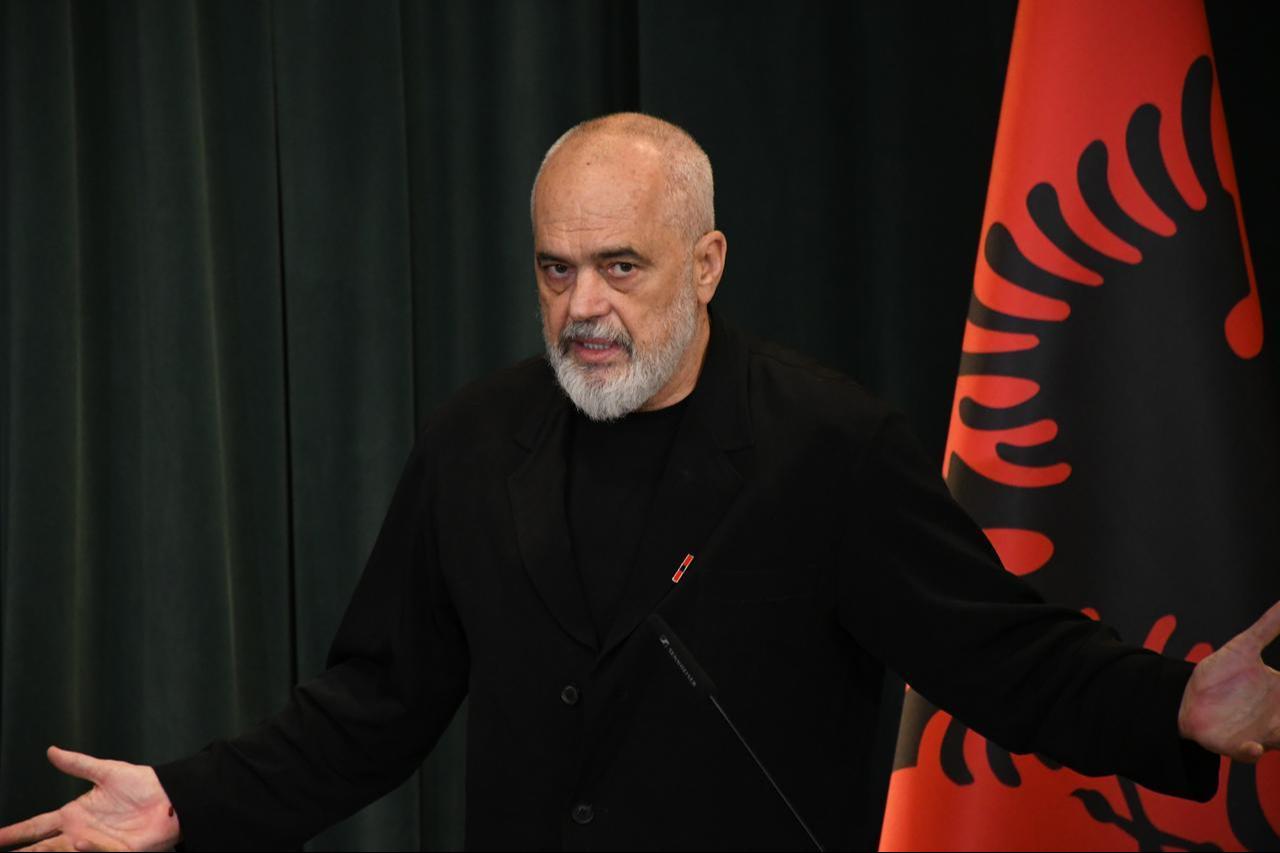
Demonstrators have called for the resignation of Prime Minister Edi Rama, a socialist who has led the government since 2013, and the unrest has often escalated into pitched battles with police.
In late October, the government adopted legislation imposing fines of up to 500,000 leks ($6,170) for violence, looting or concealing one's identity during protests. The measures also give police the power to temporarily restrict gatherings near public institutions and penalize online incitement to violence. Protests have since drawn smaller crowds.
Rama has called for "dialogue," but protesters have rejected the offer, and students say they will continue their demonstrations.
The European Union, which Albania aspires to join, has called for an investigation into excessive force by police and urged "all sides to de-escalate the tension." Albania has been an official candidate for EU membership since 2014.


 Set as preferred source
 Set as preferred source


 1 min read
 1 min read