Newsletters


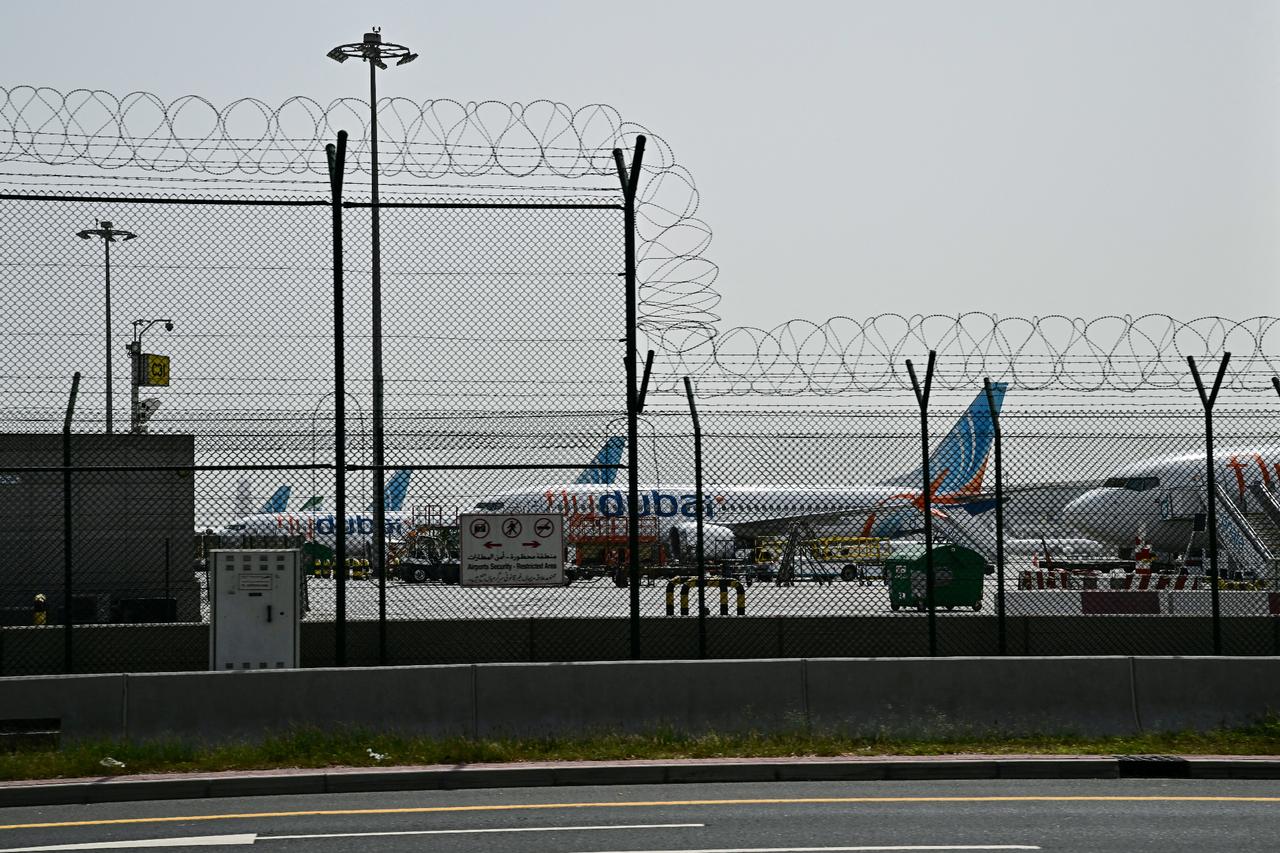


Dubai International Airport, the world’s busiest for international travel, suspended operations Saturday, before partially resuming services, after an aerial interception in the area during attacks attributed to Iran.
"We have partially resumed operations from today, 7 March, with some flights operating out of DXB and DWC," it said, referring to Dubai's main airport as well as the city's Dubai World Central, Al Maktoum International.
"Please do not travel to the airport unless you have been contacted by your airline that your flight is confirmed, as schedules continue to change," it told passengers.
Earlier, “For the safety of passengers, airport staff, and airline crew, operations at Dubai International (DXB) have been temporarily suspended,” the government’s Dubai Media Office said in a social media post.
The announcement came shortly after the interception of an object near the airport. A witness told Agence France-Presse (AFP) that a loud explosion was heard, followed by a cloud of smoke.
Flight tracking website Flightradar24 earlier showed aircraft circling above the airport in an apparent holding pattern.
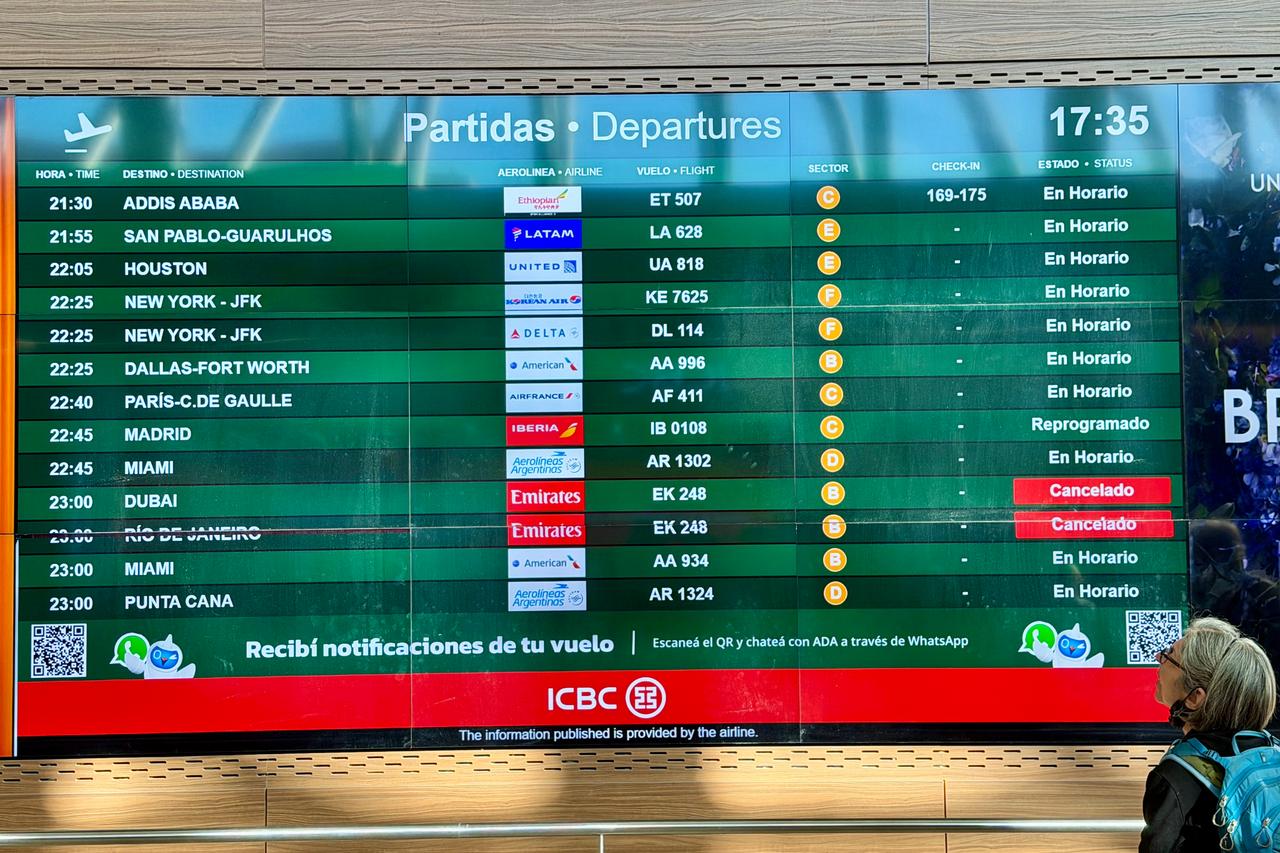
Emirates, the largest airline in the Middle East, also announced Saturday that it was suspending all flights to and from Dubai until further notice.
“Please do not go to the airport,” the airline said.
Dubai authorities later said the incident involved “a minor incident resulting from the fall of debris after an interception,” adding that no injuries were reported.
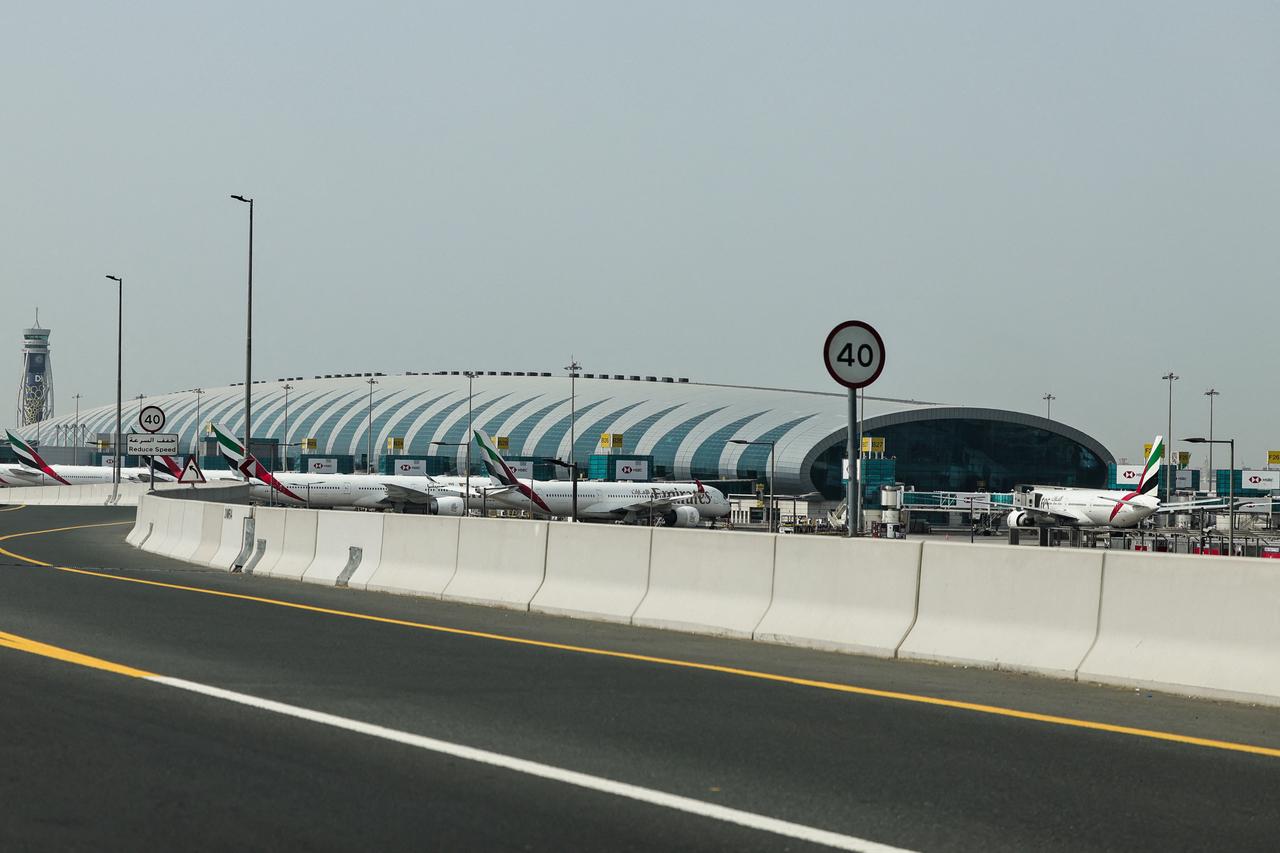

The Dubai government also denied “information circulating on social media regarding incidents at Dubai International Airport,” without providing further details.
The United Arab Emirates Ministry of Defence said the country’s air defenses were responding to missile and drone threats originating from Iran but did not specify the intended targets.
However, Emirates later said it would resume limited operations.
“Customers who have confirmed bookings for this afternoon’s flights may proceed to the airport,” the airline said in a post on X.
“This includes customers transiting in Dubai, if their connecting flight is also operating,” it added.
Air travel across parts of the Middle East has faced significant disruptions in recent days following U.S. and Israeli attacks on Iran and retaliatory strikes by Tehran.
The escalation began after the United States and Israel launched a large-scale attack on Iran on Feb. 28.
The strikes have reportedly killed more than 1,000 people, including Iran’s Supreme Leader Ali Khamenei, more than 150 schoolgirls and several senior military officials.
Iran has responded with drone and missile strikes targeting Israel as well as U.S. bases, diplomatic facilities and military personnel across the region.
Last Saturday, four airport employees were injured and a terminal was damaged at Dubai airport as the conflict escalated following U.S.-Israeli strikes on Iran.
Dubai Airports said at the time that the incident had been “quickly brought under control,” without providing further details.
Iranian attacks have also struck Abu Dhabi airport, the Palm Jumeirah development and the Burj Al Arab hotel in Dubai, while drone debris caused a fire at the U.S. consulate in Dubai on Tuesday.


 Set as preferred source
 Set as preferred source


 1 min read
 1 min read