Newsletters


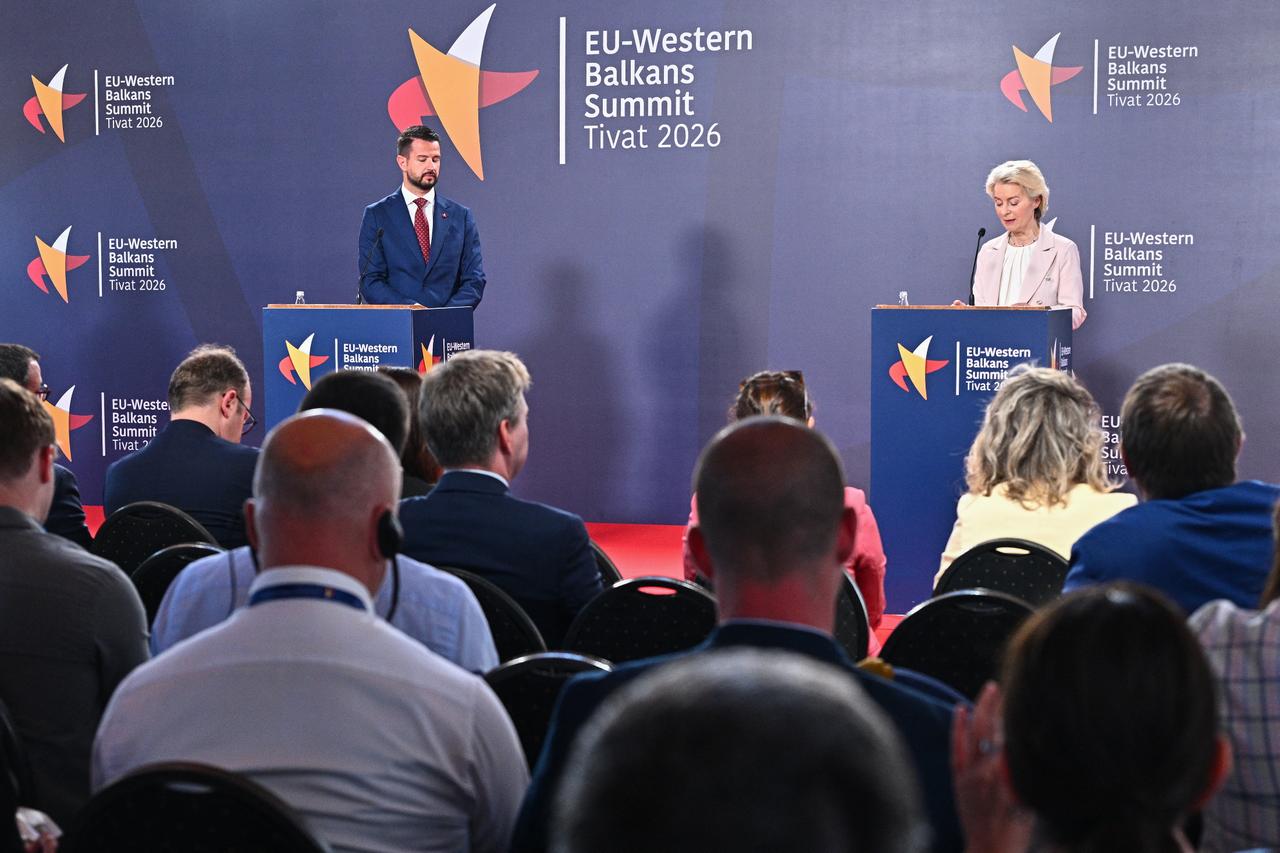


European leaders pushed for a faster and more credible EU enlargement process at a summit in Montenegro on Friday, saying Western Balkan candidate countries should move forward more quickly if they deliver the required reforms.
The EU-Western Balkans Summit was held in Tivat, a coastal town in Montenegro known for its superyacht-lined port, with senior EU officials using the meeting to stress that enlargement has become a strategic priority.
European Commission President Ursula von der Leyen said enlargement remains merit-based but must become more dynamic.
“We must make the enlargement process faster and more credible,” von der Leyen said.
“Enlargement is for us a geostrategic imperative, as well as a long-term investment in our peace, our stability and our security,” she added.
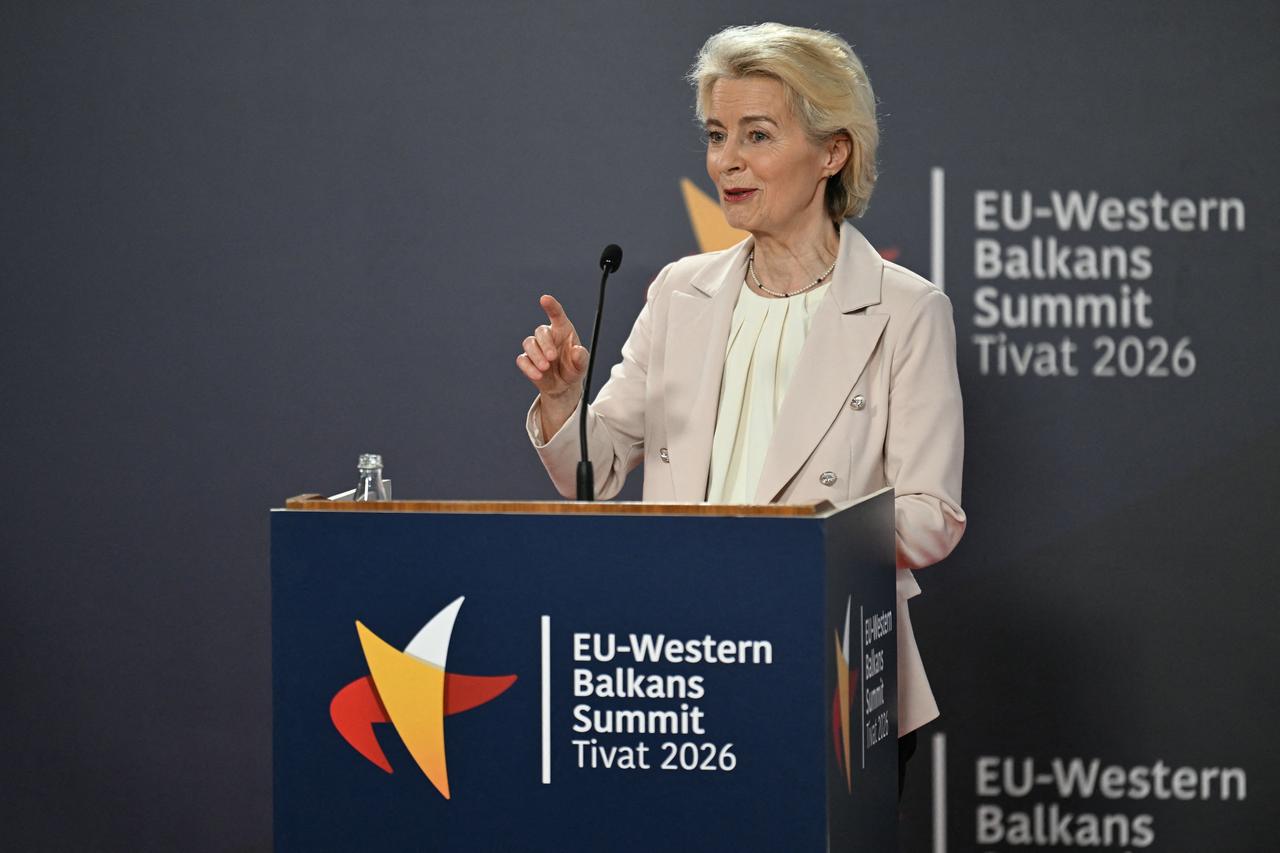

Von der Leyen said candidate countries that deliver reforms should be able to advance in the accession process by opening and closing chapters and clusters on the path toward the EU.
“Enlargement is merit-based, but merit-based does not mean slow,” she said.
“If the candidate country delivers on reforms, it has to move forward in closing and opening chapters and clusters on its path forward towards the European Union,” she added.
She said the summit would focus on two main issues: the implementation of the EU Growth Plan for the Western Balkans and the enlargement process.
Von der Leyen described the Growth Plan as successful, saying the EU has already invested €675 million ($785 million) under the initiative, with another €540 million tranche on the way.
She said the plan is based on opening parts of the EU single market to candidate countries in exchange for reforms, supported by investment.
“Enlargement means more security, more prosperity, and a bigger place of Europe in the world,” she said.
“There is momentum. We have to turn this momentum now into movement, and this movement into membership.”
Russia’s invasion of Ukraine in 2022 revived Brussels’ interest in enlargement after years of slow progress for Balkan candidates.
Ukraine and Moldova have since joined the list of countries seeking EU accession, alongside Albania, Bosnia, Kosovo, North Macedonia, Montenegro and Serbia.
France and Germany used the Tivat summit to support the idea of “gradual integration” into the 27-member bloc.
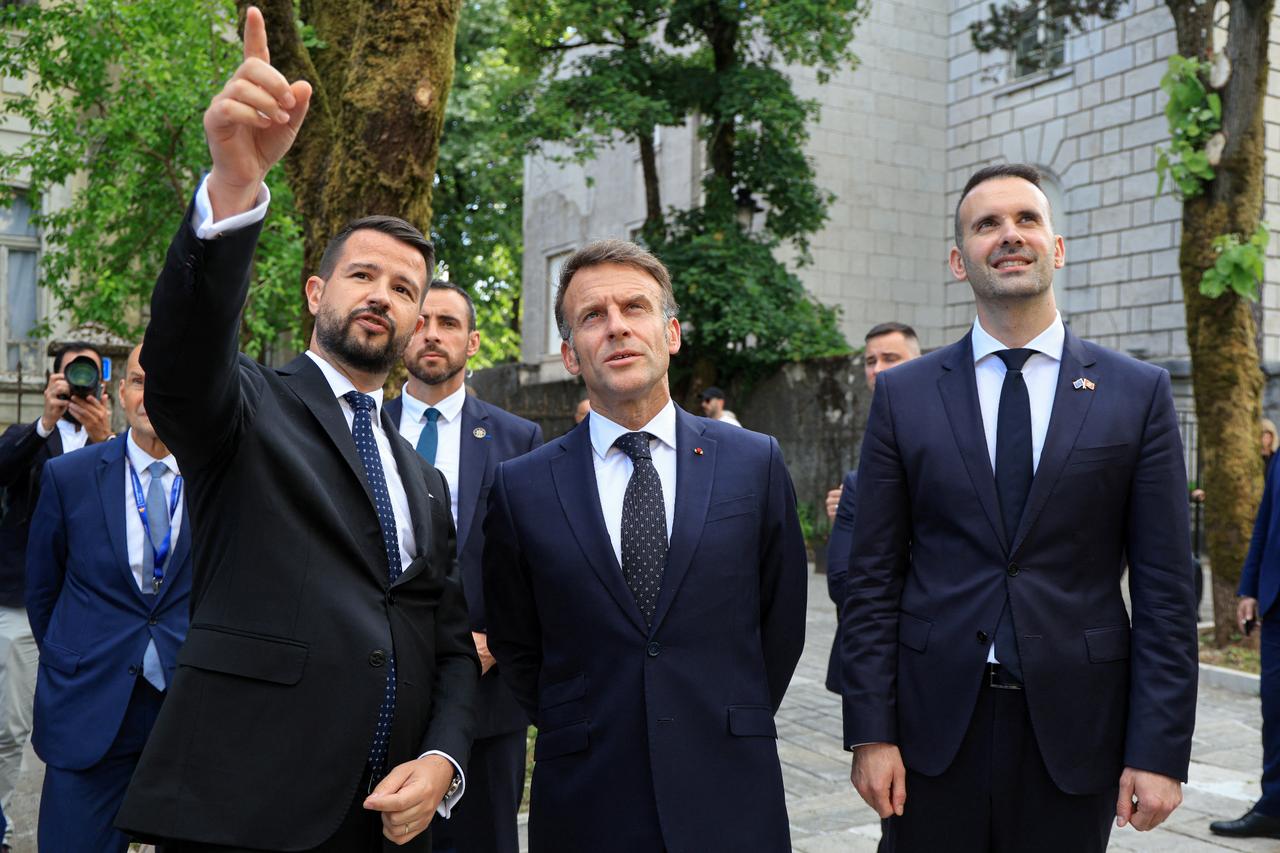
French President Emmanuel Macron said the proposal, developed with Germany, could allow countries that align with EU criteria to join certain EU formats.
He said this could include participation in European Council meetings.
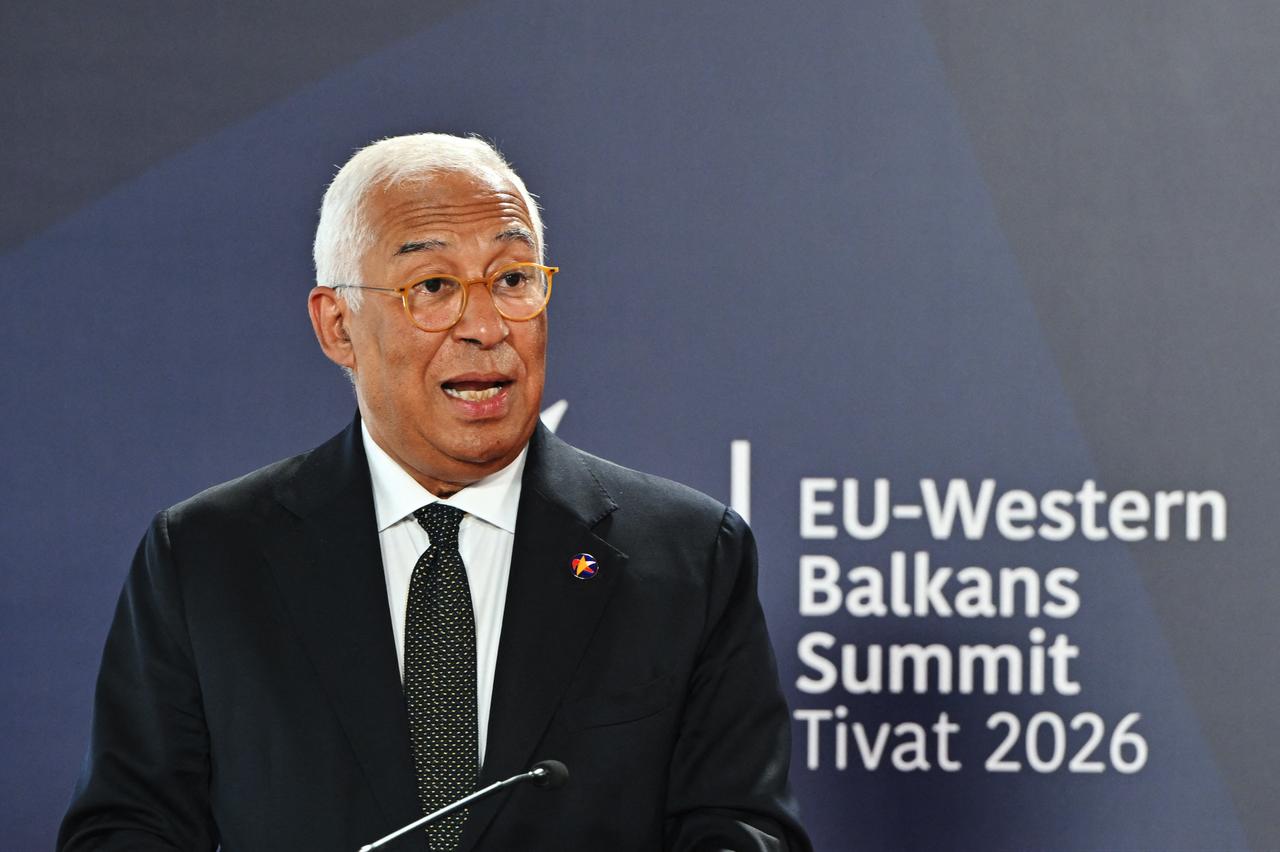
European Council President Antonio Costa said a merit-based process should not be understood as a slow one.
“A merit-based process does not mean a slow process; it means that, on the side of the EU institutions as well as on the side of the candidate states, everyone must work faster and harder, and that is our commitment,” Costa said.
Costa said the summit showed the importance the EU places on its relationship with the Western Balkans.
He also praised Montenegro’s progress toward EU membership.
“Your success is important because it shows that enlargement is becoming real, and we will continue to support you,” Costa said.
Among the Balkan countries facing pressure to align more closely with EU policies is Serbia, which remains close to Moscow and has not imposed sanctions on Russia since the start of the war in Ukraine.
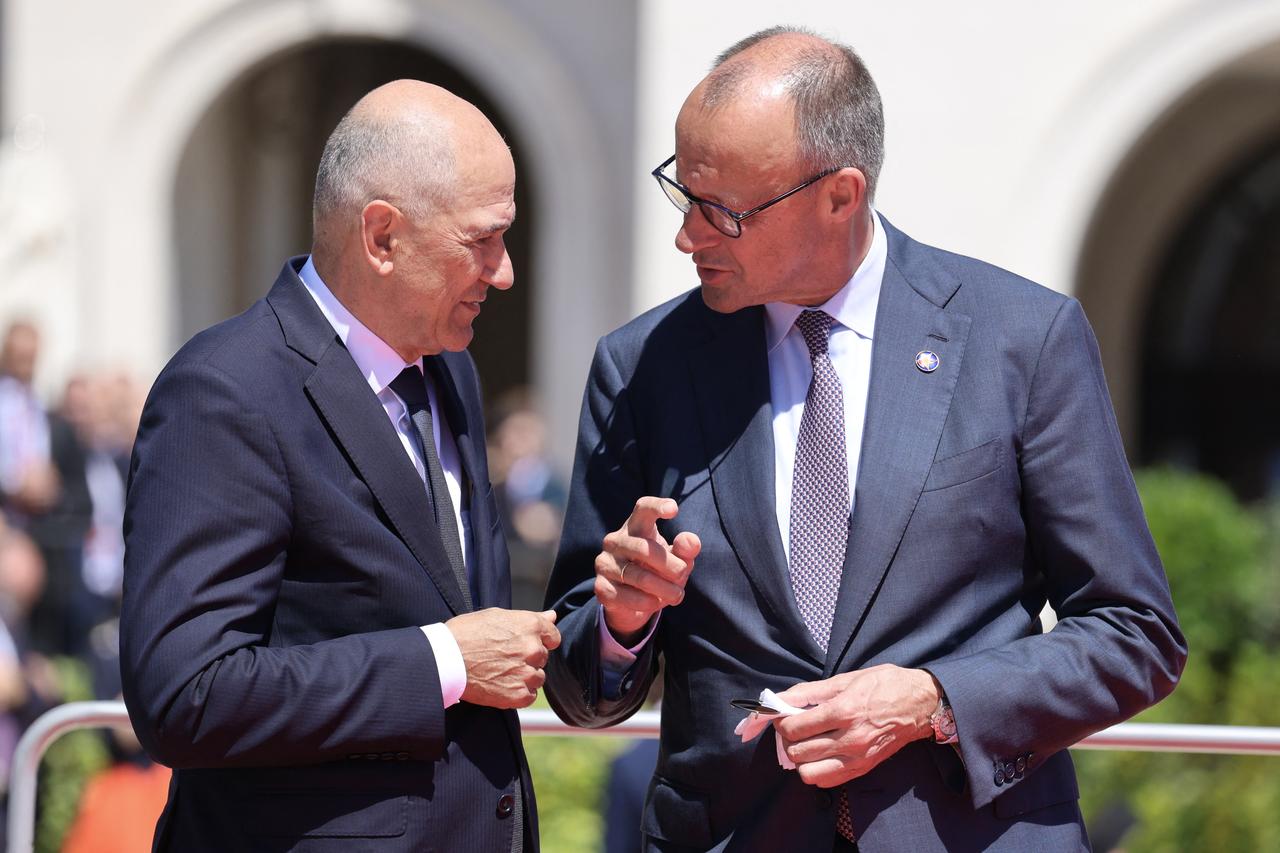
German Chancellor Friedrich Merz said Serbia has an open path to the EU but must decide where it stands.
“Serbia has an open path towards the European Union. However, Serbia must also decide where it stands. A policy of hesitation between Russia, China and Europe is not possible,” Merz said.
Serbia is one of the most eurosceptic countries in the region, with less than half of its population supporting EU membership.
Still, Serbian President Aleksandar Vucic said at the summit that his country remains on “the path to the EU.”
“This is our strategic objective,” Vucic said, while acknowledging that many reforms are still needed.
Although Brussels has long said all remaining Balkan candidates would eventually be accepted together, Montenegro and Albania are increasingly seen as frontrunners to join first.
They have moved ahead of countries such as Serbia and Bosnia, which continue to lag behind on required reforms.
Von der Leyen said Montenegro could become the EU’s 28th member by 2028.
“Montenegro’s accession as the 28th member state by 2028 is within reach,” she said.
“We hope that Albania will follow quickly and that the entire region will continue to move closer to our union,” she added.


 Set as preferred source
 Set as preferred source


 1 min read
 1 min read