Sign in
 Newsletters


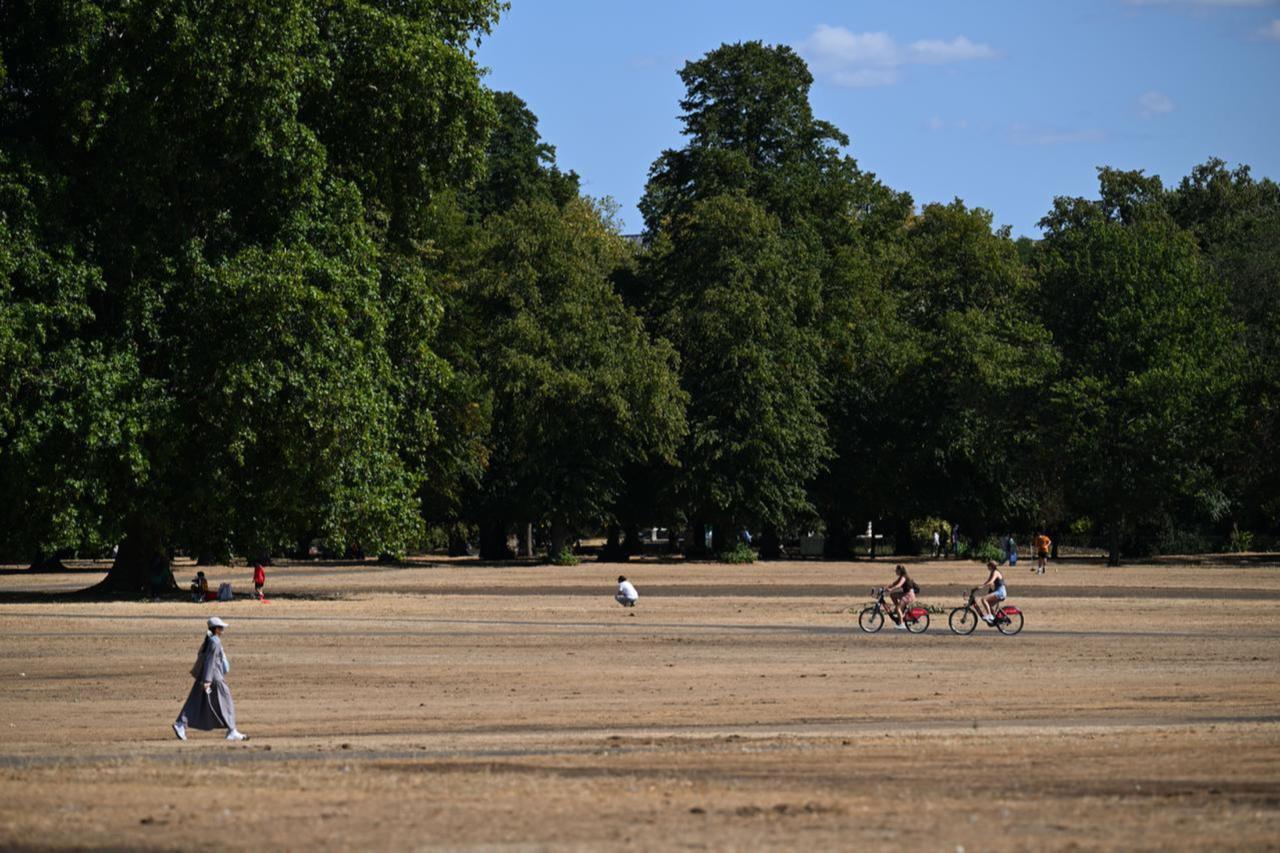


England recorded 5,258 deaths linked to this summer's heat, the highest number of such fatalities on record, the U.K. Health Security Agency (UKHSA) said in estimates released Tuesday.
"Summer 2026 was an exceptional summer, with the highest mortality observed since 2016, when the UKHSA began publishing annual heat mortality reports," the agency said in a provisional report.
The figure was logged across seven "heat episodes" between May and September. It surpasses the previous record of 2,985 estimated heat-linked deaths, set in summer 2022. The agency said the provisional numbers may be revised, but the mortality impact exceeds that of any previous annual heat-associated mortality estimate.
The UKHSA analysis compares mortality during heat periods with mortality during nearby non-heat periods. The agency said this approach is particularly useful for understanding the impact of heatwaves.
Britain experienced its hottest summer on record this year, marked by early and successive heatwaves. The country also faced an exceptional drought, caused by a lack of rainfall not seen in nearly 200 years.


Multiple European countries registered record heat-related deaths after the sweltering summer, including Germany with 16,300 and Spain with more than 5,000.
Scientists say human-driven climate change is amplifying extreme weather events, with Europe warming faster than the global average and heatwaves growing more frequent and severe.
A report published in The Lancet medical journal last month said climate change must be declared a "global health emergency." It found more than 3 million deaths were caused by heat between 2016 and 2023. Heat-related excess deaths often result from a higher risk of heart attacks and strokes caused by the strain of keeping body temperature stable.
Britain's national weather agency has predicted that the El Nino weather pattern could make 2027 the hottest year in the world. Experts are urging the country to better prepare homes and public infrastructure for warmer summers.


 Set as preferred source
 Set as preferred source



 2 min read