Newsletters




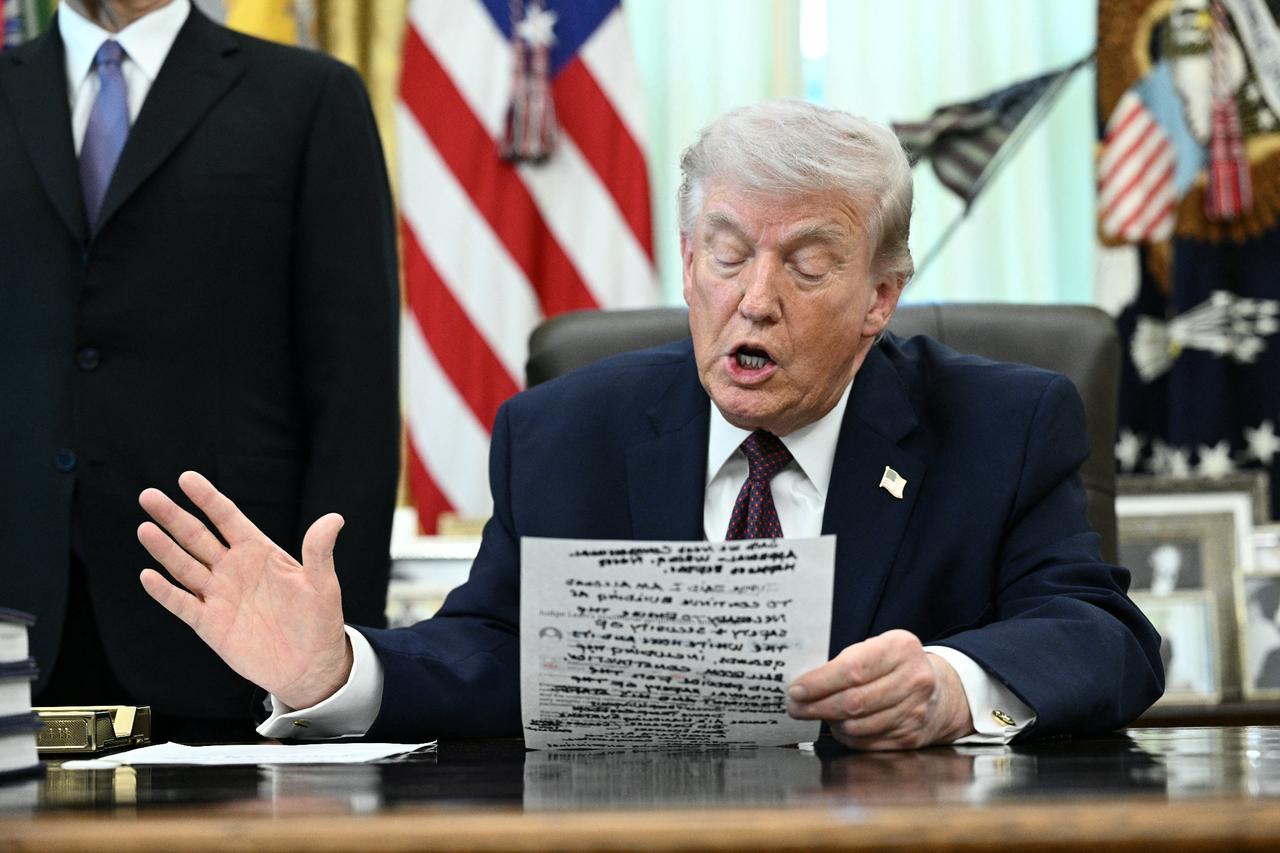
President Recep Tayyip Erdogan accused Israel on Monday of undermining all efforts to end the war and said Türkiye would continue pursuing every opportunity for a ceasefire, while also warning that the effective closure of the Strait of Hormuz was deeply shaking the global economy far beyond the energy sector.
Speaking after a Cabinet meeting in Ankara, Erdogan said the Israeli government had continued to sabotage initiatives aimed at ending the war, but added that Ankara was making sincere efforts to seize even the smallest chance to silence the weapons and open space for negotiations.
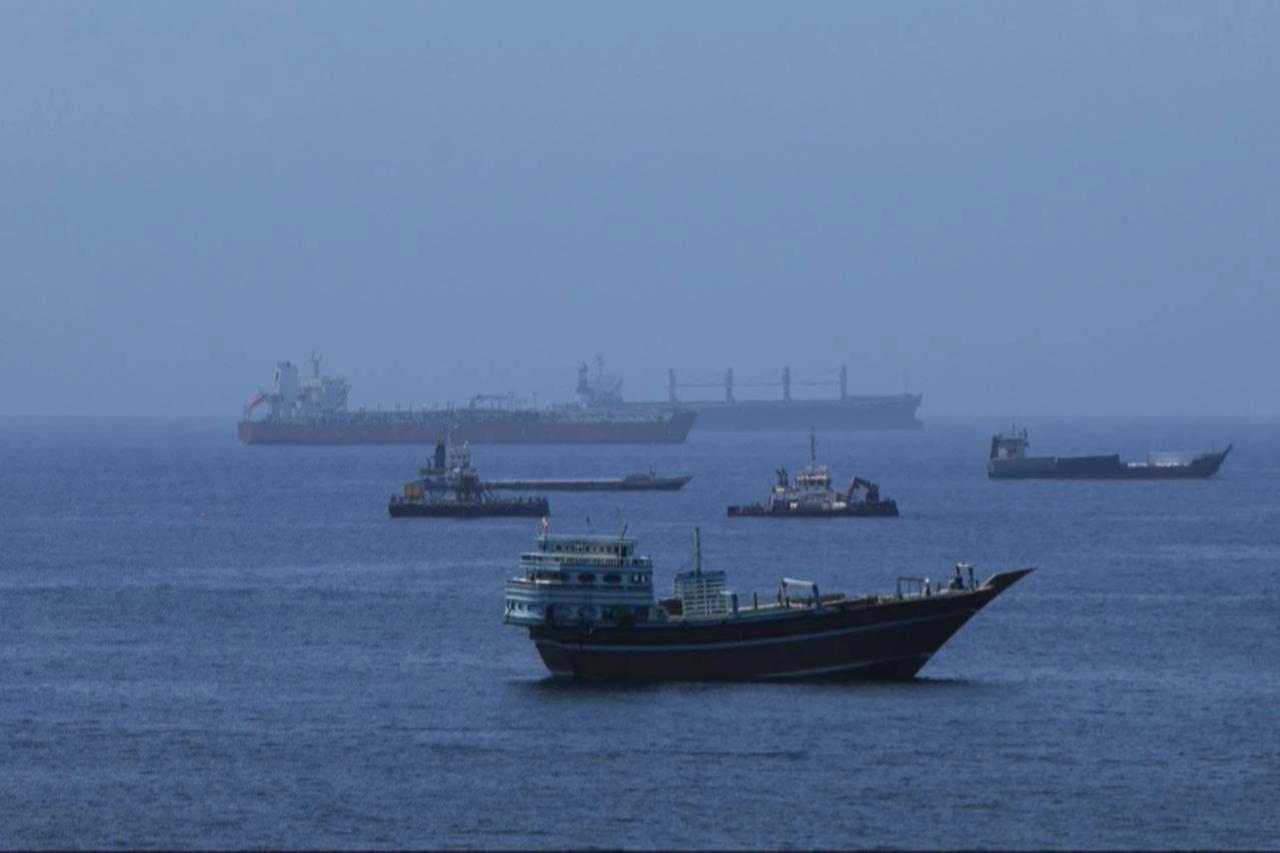
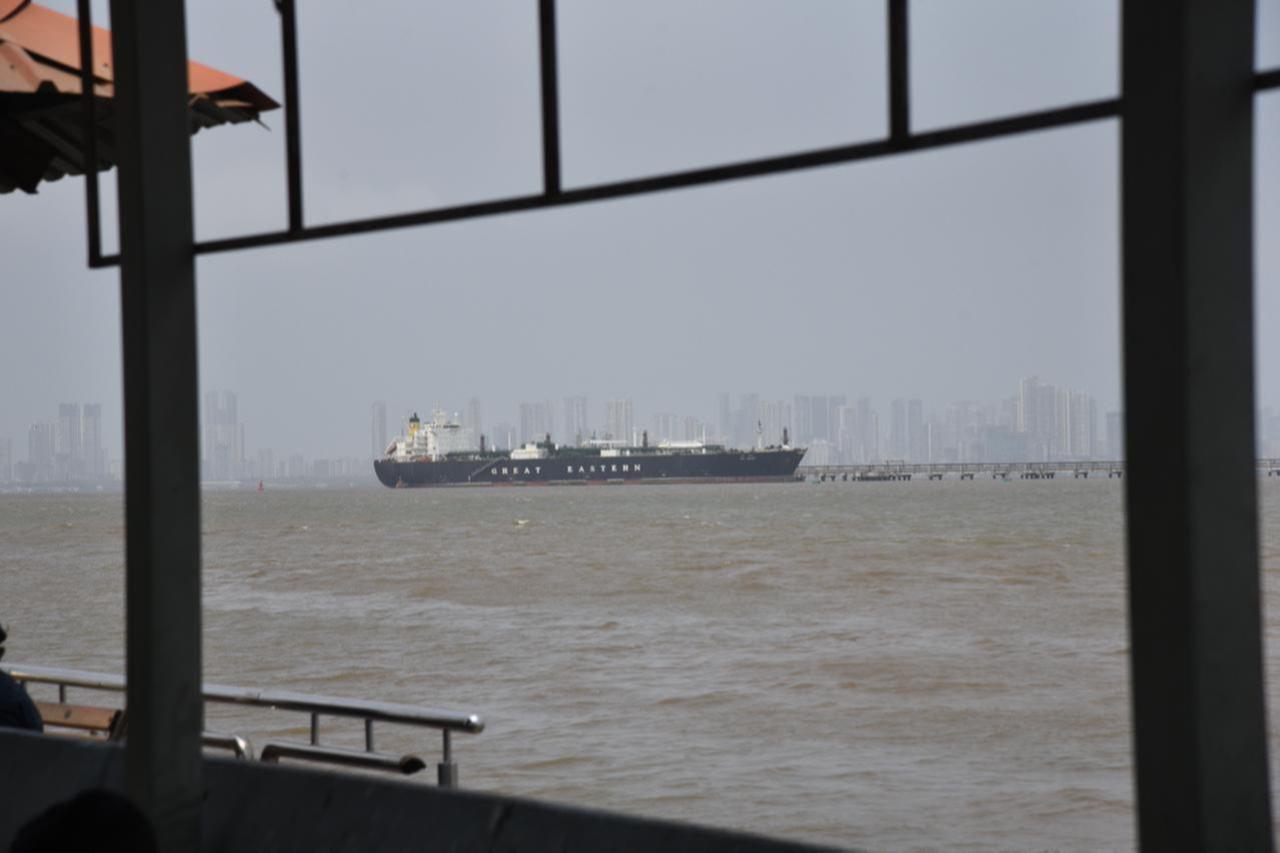
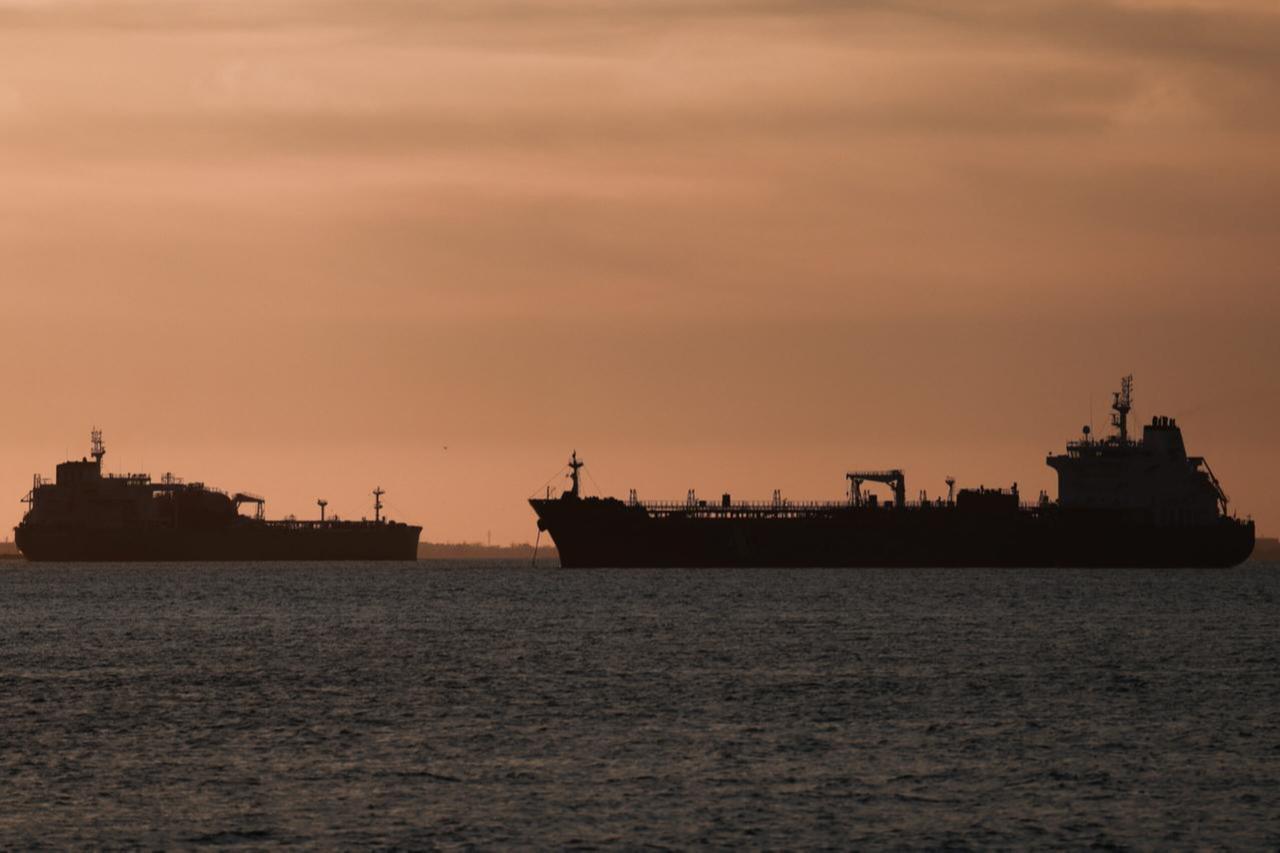
At the same time, Erdogan said the Strait of Hormuz had effectively closed, describing it as a critical route through which 20% of the world's oil and a very important share of natural gas are transported.
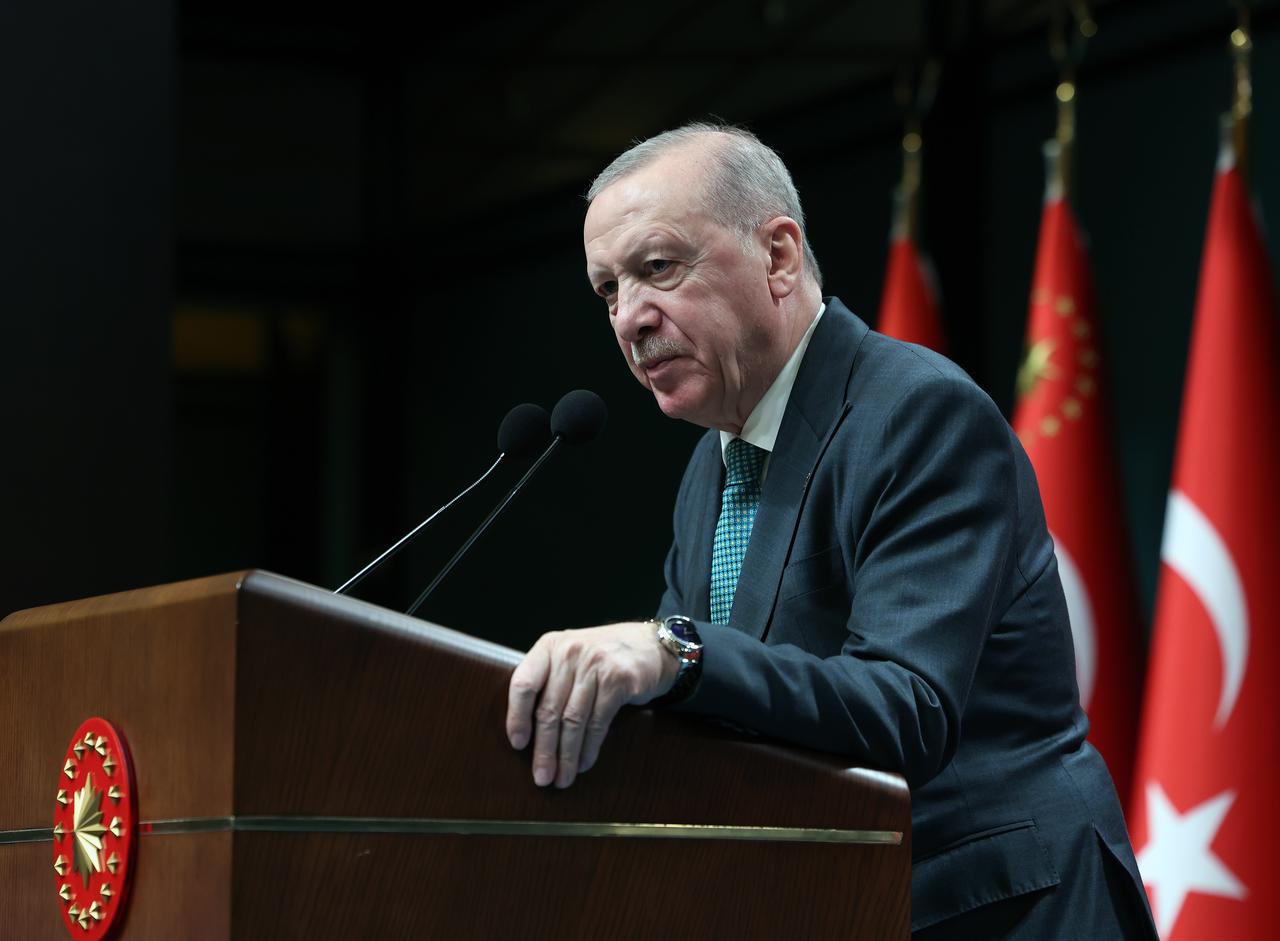

Erdogan said Israel had continued to undermine all initiatives aimed at ending the war.
"If there is even the slightest chance to silence the weapons and open space for negotiations, we are making sincere efforts to seize it," he said after the weekly Cabinet meeting in the Turkish capital.
His remarks placed Israel and the search for a ceasefire at the center of Türkiye's latest message on the conflict, with Erdogan saying Ankara would continue to pursue any opening for negotiations.
Erdogan said the Strait of Hormuz is not an ordinary passage, but a critical corridor through which 20% of the world's oil and a significant portion of natural gas move.
He said the issue is not limited to energy alone, noting that petrochemical products, fertilizers, pharmaceutical raw materials and critical goods such as helium used in semiconductor production also pass through the strait.
According to Erdogan, the closure of Hormuz is shaking the global economy across every field, from energy to agriculture, industry and technology.
He said Europe's fossil fuel bill had increased by $17 billion over the last 30 days, while natural gas prices had risen 100% and oil prices 60%.
Erdogan said Türkiye had no problem in energy supply security, procurement or storage.
He said Türkiye does not have any LNG supply that comes either directly from that route or through Hormuz transit.
He also said fertilizer and raw material supplies had already been secured well in advance.
According to Erdogan, since the war began, Türkiye reduced the customs duty to zero for urea fertilizer procured at affordable prices from alternative countries. He said customs duties were also reduced to zero on some other types of fertilizer.
Erdogan said exports of fertilizers for which Türkiye has export capacity were also halted in order to allow more of those products to be used domestically.
He added that the transit and re-export through Türkiye of urea fertilizer held in warehouses had also been stopped.
He said there was no problem in agricultural production inputs such as fertilizer and that, thanks to the measures taken, Türkiye would not face any issue in food supply security.
Erdogan also said Türkiye's foreign debt and total external financing need as a share of national income remain below historical averages.
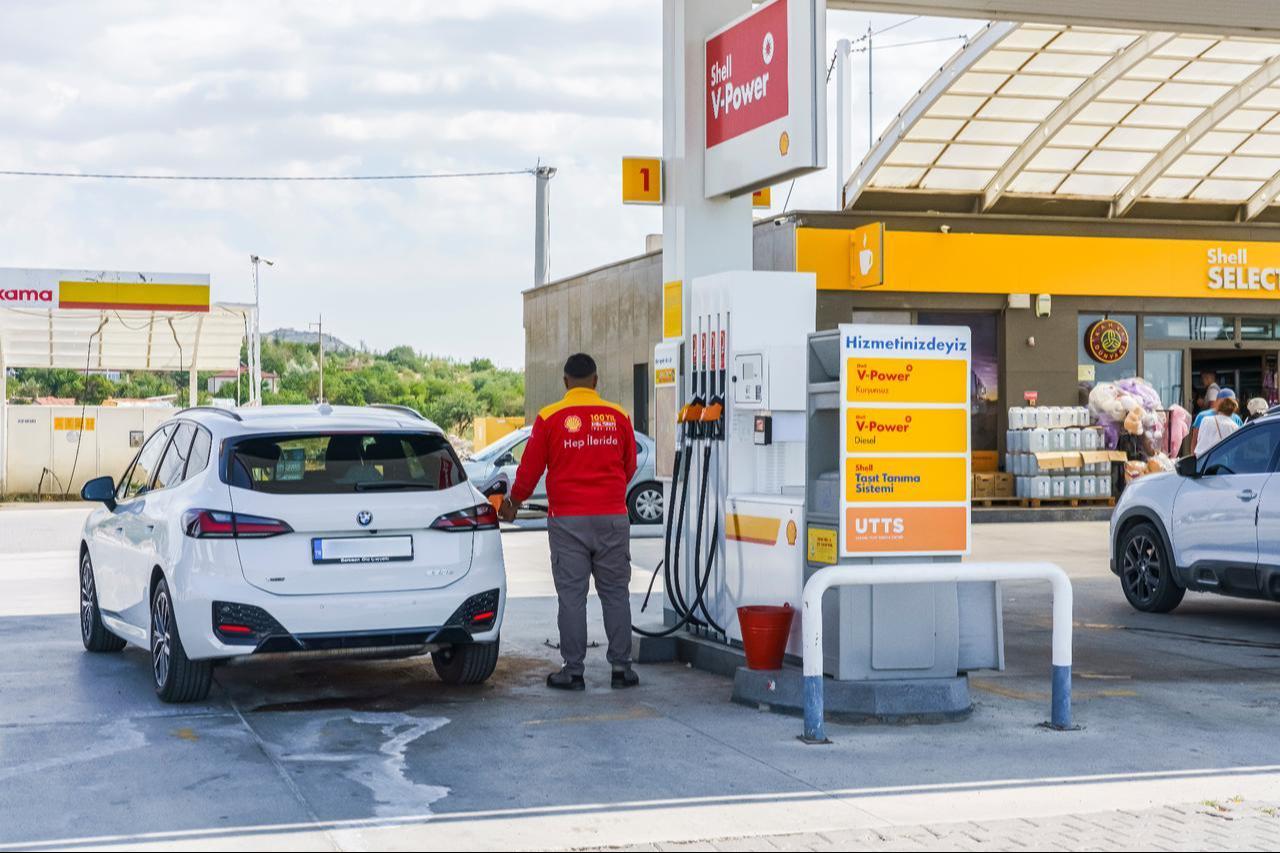
He said the government activated the floating fuel price adjustment system just five days after the war began.
According to Erdogan, an increase of 17 liras per liter in diesel and nearly 12 liras per liter in gasoline was not reflected at the pump.
He said the additional cost, which has so far reached a total of 50 billion liras, had been absorbed by the state through the system.


 Set as preferred source
 Set as preferred source


 2 min read
 1 min read