

 Newsletters


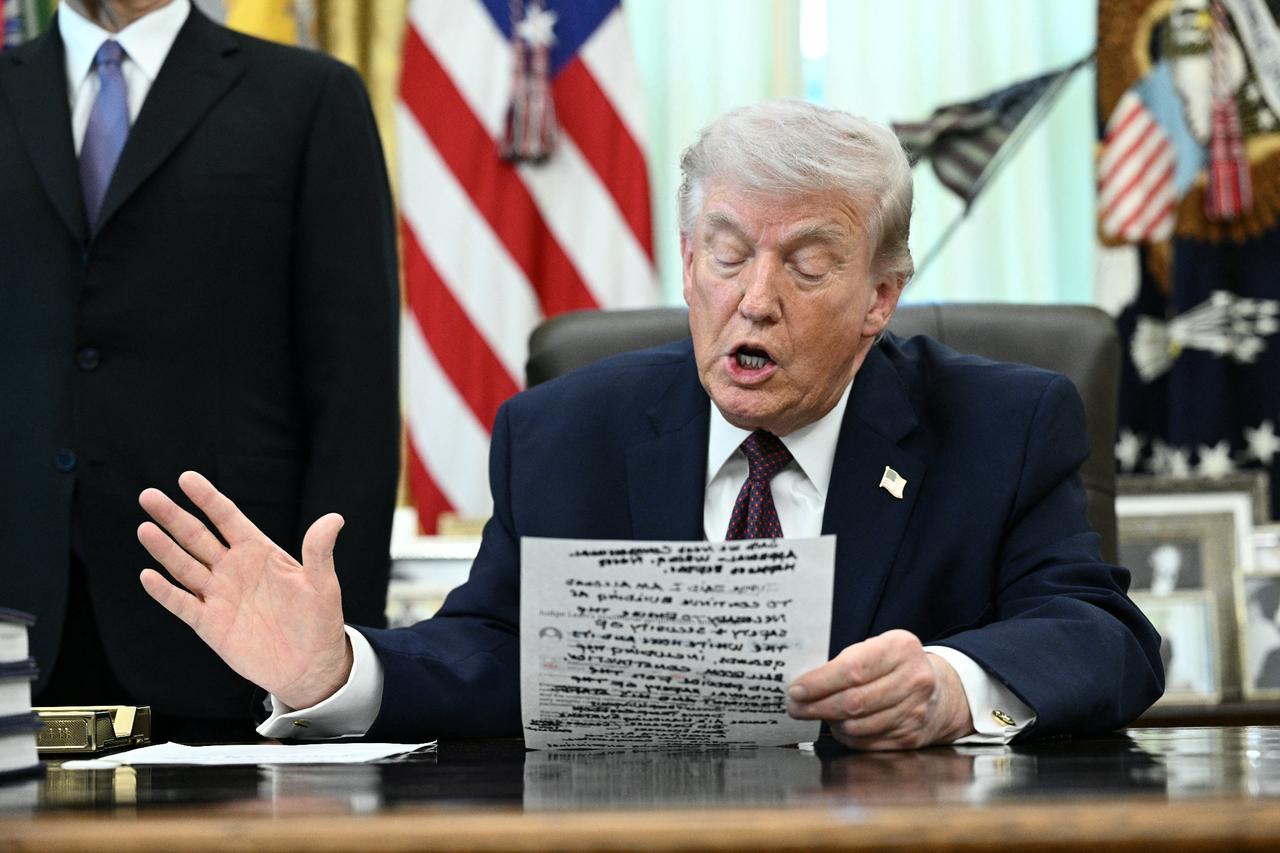


The White House on Monday confirmed that a proposal for a 45-day ceasefire with Iran is under consideration, but President Donald Trump has not approved the plan, and military operations are continuing.
“This is one of many ideas, and POTUS (Trump) has not signed off on it. Operation Epic Fury continues,” a White House official told Agence France-Presse (AFP), adding that the president would speak more about the conflict at a press conference scheduled for 1:00 p.m. (1700 GMT).
U.S. media previously reported that mediators had presented a proposal for a 45-day ceasefire in the Middle East war and that Washington had received the proposal.
The United States, Iran, and regional mediators are in urgent discussions over a possible 45-day ceasefire that could lead to a permanent end to the war, according to multiple sources familiar with the negotiations, Axios reported Sunday, citing American officials.
The sources said the chances of securing even a partial agreement in the next 48 hours are slim.
Still, officials see the talks as the last opportunity to prevent a major escalation that could include strikes on Iranian civilian infrastructure and retaliatory attacks on oil and water facilities in Gulf countries.
Trump’s initial 10-day deadline for Iran was set to expire Monday evening. On Sunday, he extended it by 20 hours, setting a new cutoff at 8 p.m. ET Tuesday, and said in an interview with Axios that a deal is possible before that.
“There’s a good chance, but if they don’t agree, I am blowing up everything over there,” Trump said, warning of attacks on Iranian infrastructure if no deal is reached.
Two sources said a U.S.-Israeli plan for strikes on Iran’s energy facilities is ready, though the deadline extension is meant to give diplomacy a final chance.
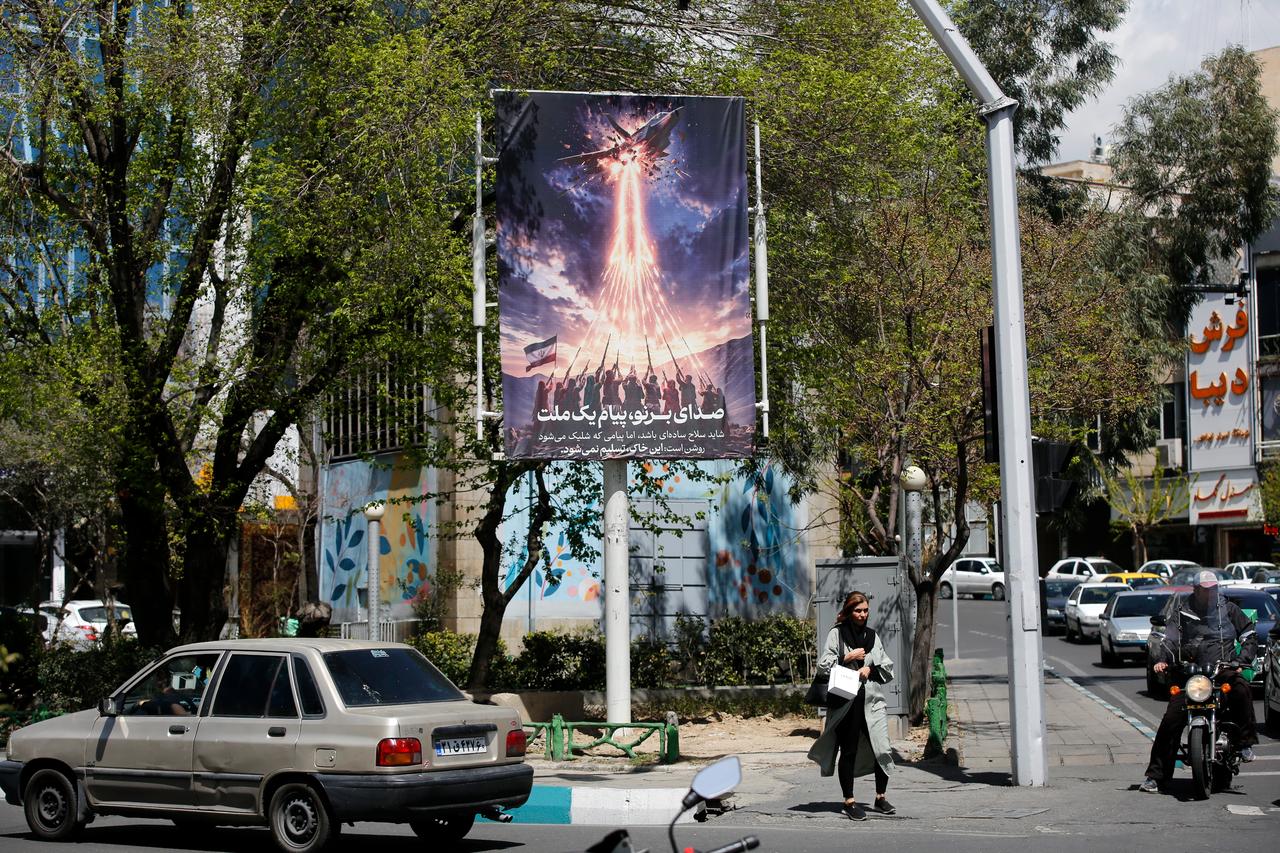

Mediators from Pakistan, Egypt, and Türkiye, along with direct messages between Trump, his envoy Steve Witkoff and Iranian Foreign Minister Abbas Araghchi, are facilitating the talks.
While the United States has proposed several plans, Iran has not agreed to them.
The proposed agreement has two phases: first, a 45-day ceasefire to allow time for broader negotiations, and second, a permanent settlement addressing Iran’s uranium stockpile and the reopening of the Strait of Hormuz. These are central bargaining points for Iran.
Mediators are also exploring partial steps that Iran could take on these issues, as well as assurances from the United States that the ceasefire would be respected.
Iranian officials have warned that they do not want a temporary ceasefire similar to those in Gaza or Lebanon, where hostilities can resume at any time.
Sources warned that Iranian retaliation against potential U.S.-Israeli strikes could seriously damage Gulf oil and water infrastructure, and mediators said the next 48 hours are critical to avoid large-scale destruction.
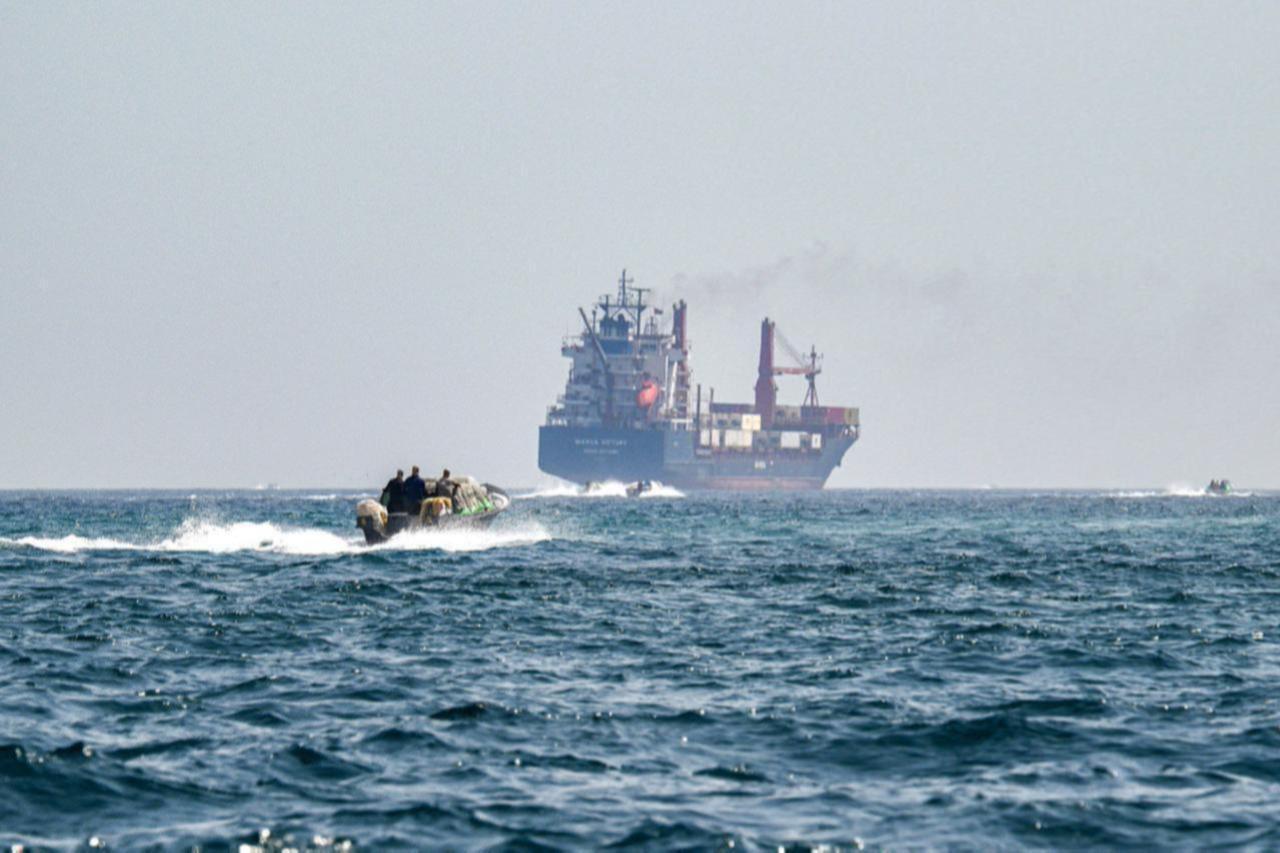
Iran’s Islamic Revolutionary Guard Corps Navy said Sunday that the situation in the Strait of Hormuz “will never return” to pre-war conditions for the United States and Israel.
Meanwhile, Iran said Monday it is seeking an “end to the imposed war” rather than a ceasefire with the United States, rejecting proposals for a temporary truce and insisting on guarantees to prevent renewed war.
Foreign Ministry spokesperson Esmaeil Baqaei said during a press briefing in Tehran that any pause in fighting would risk allowing Iran’s adversaries to regroup.
“A deadline must not cause us to have even the slightest hesitation in defending our country,” he said.
“A ceasefire means creating a short pause to allow the other side to rebuild its forces and commit crimes again. No rational person would accept such a course of action,” he added.
Baqaei said Iran’s position is to end the conflict entirely, with assurances that it will not resume.
“Our demand is the end of the imposed war, accompanied by guarantees that this vicious cycle will not be repeated,” he said.
He added that such guarantees would have to come through deterrence.
“The guarantee is precisely this: that the enemy must be made to regret its actions in such a way that it no longer has the courage or audacity to act against Iran’s sovereignty,” he said.
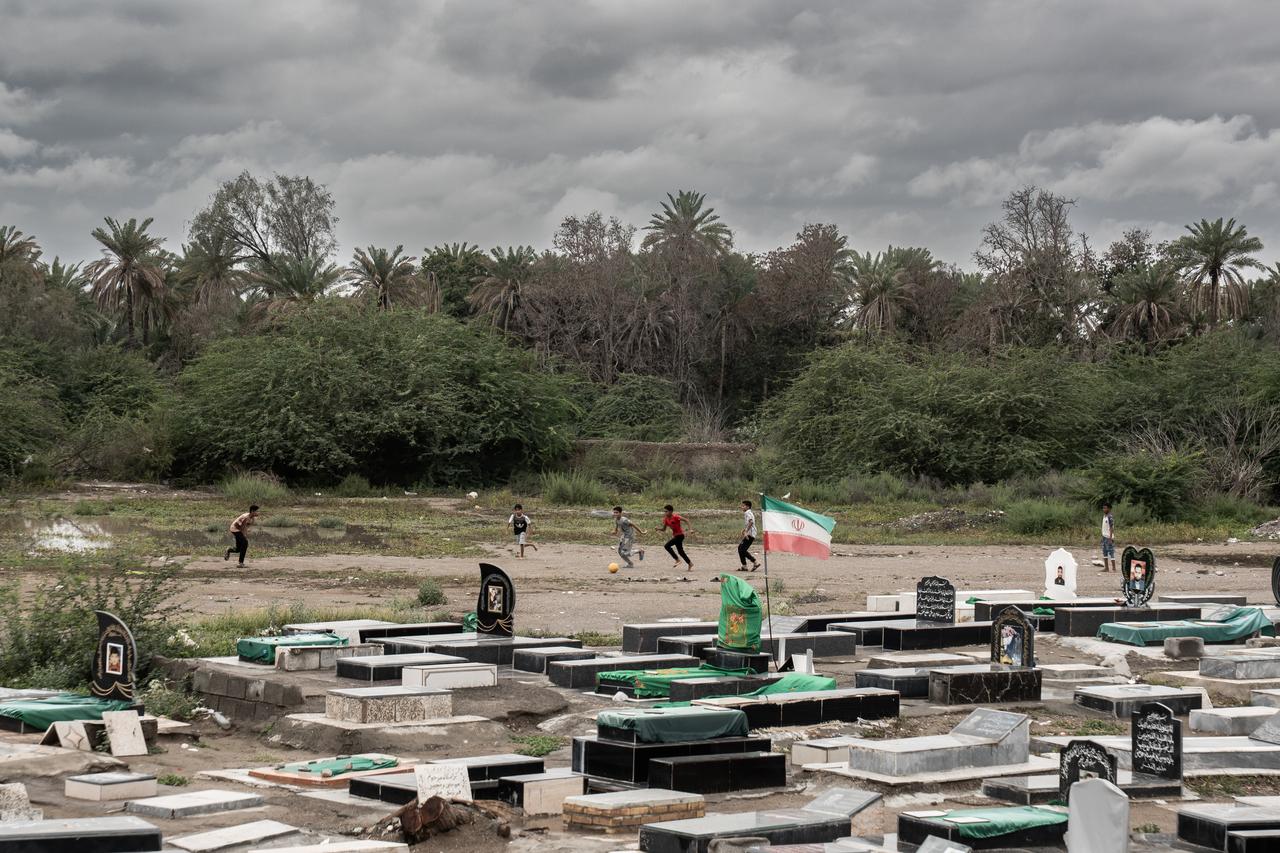
Baqaei also expressed skepticism about international institutions, saying there are no reliable external guarantees.
“There is no legal or international guarantee. Unfortunately, the United Nations has shown in most cases that it becomes a tool in the hands of the United States and certain powers,” he said.
The spokesperson said Iran must instead ensure its own security through its own actions.
“On a matter related to national security and Iran’s sovereignty, we must act in a way that we ourselves can establish a firm and reliable guarantee for our national security,” he said.
 2 min read
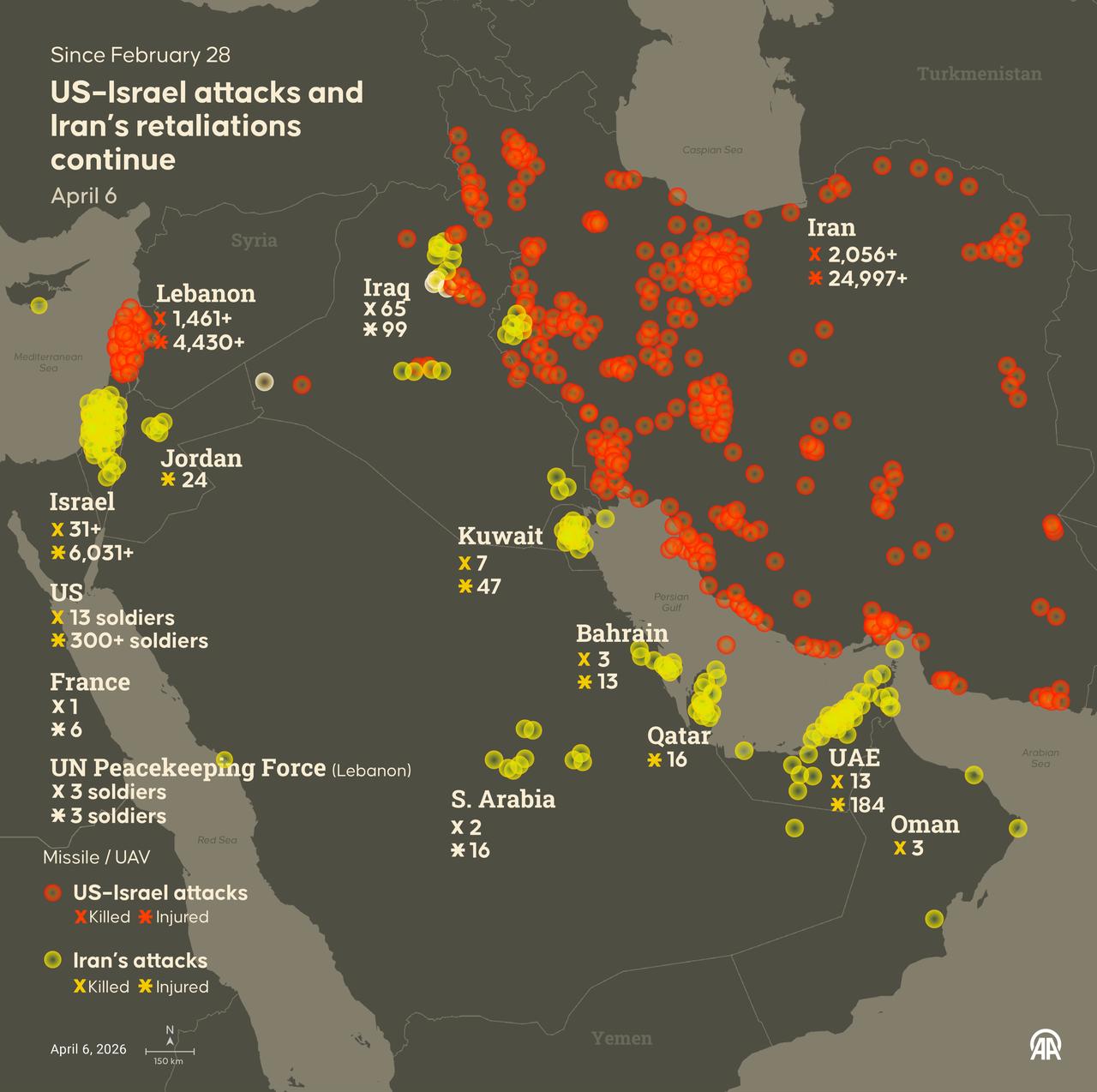
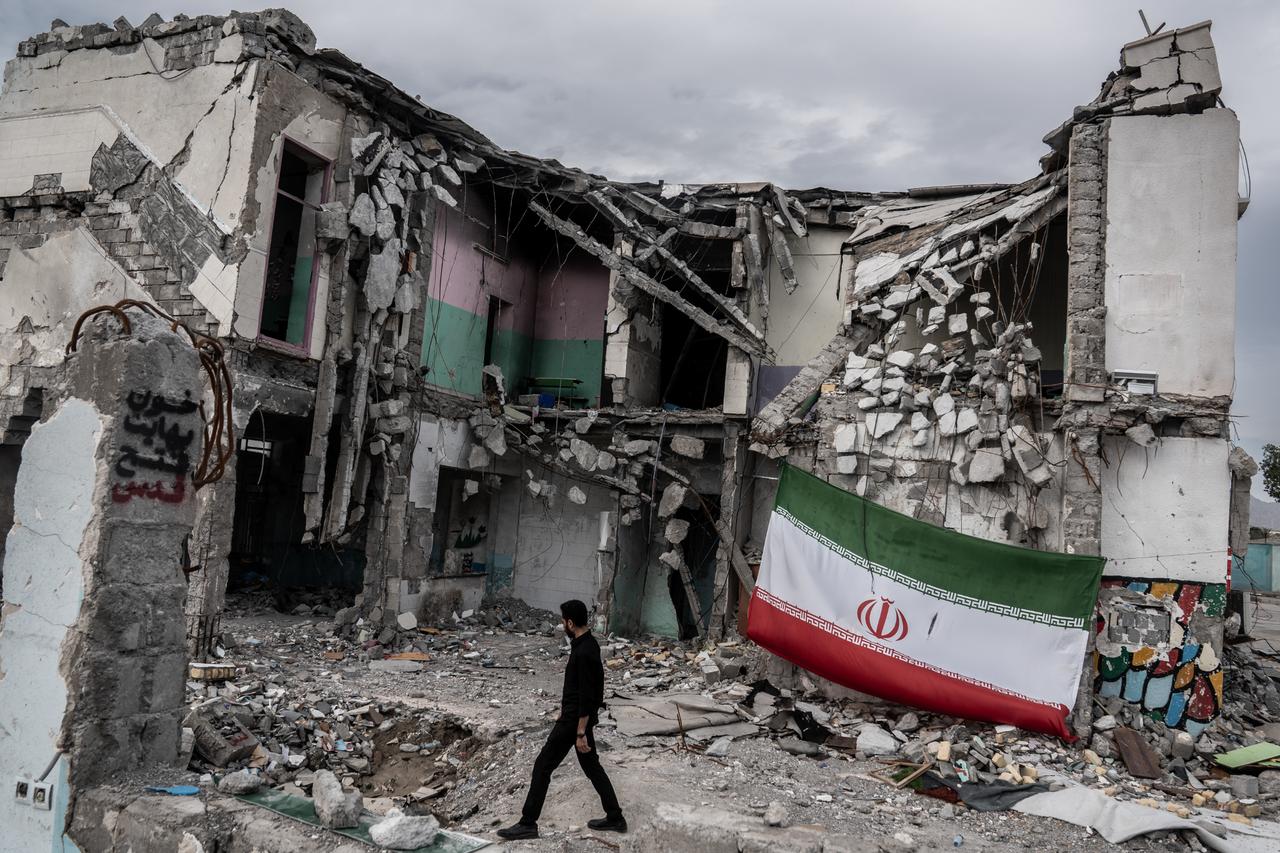
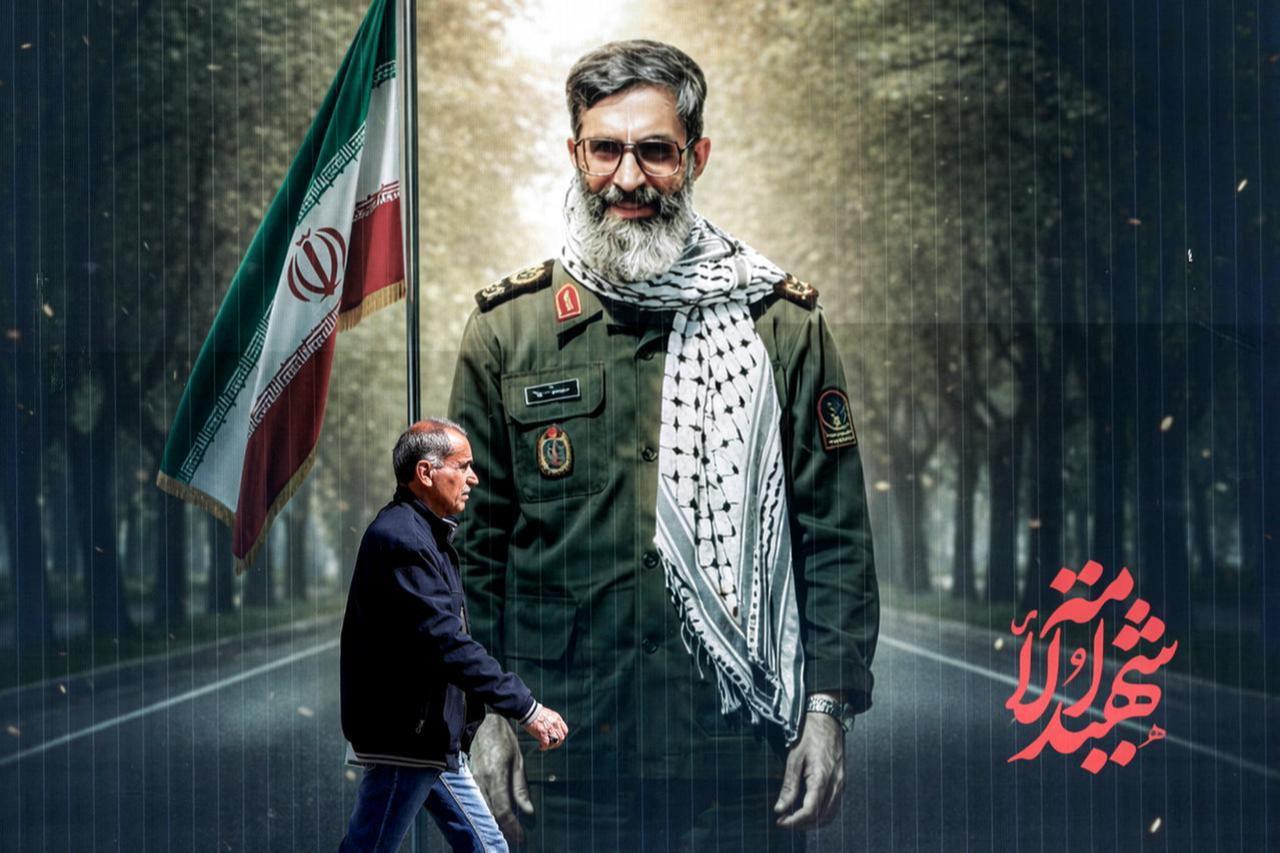
Regional tensions have escalated since the United States and Israel launched a joint offensive on Iran on Feb. 28, killing so far over 1,340 people, including then-Supreme Leader Ali Khamenei.
Iran has retaliated with drone and missile strikes targeting Israel, along with Jordan, Iraq, and Gulf countries hosting U.S. military assets, causing casualties and damage to infrastructure while disrupting global markets and aviation.


 Set as preferred source
 Set as preferred source


 1 min read


