Newsletters


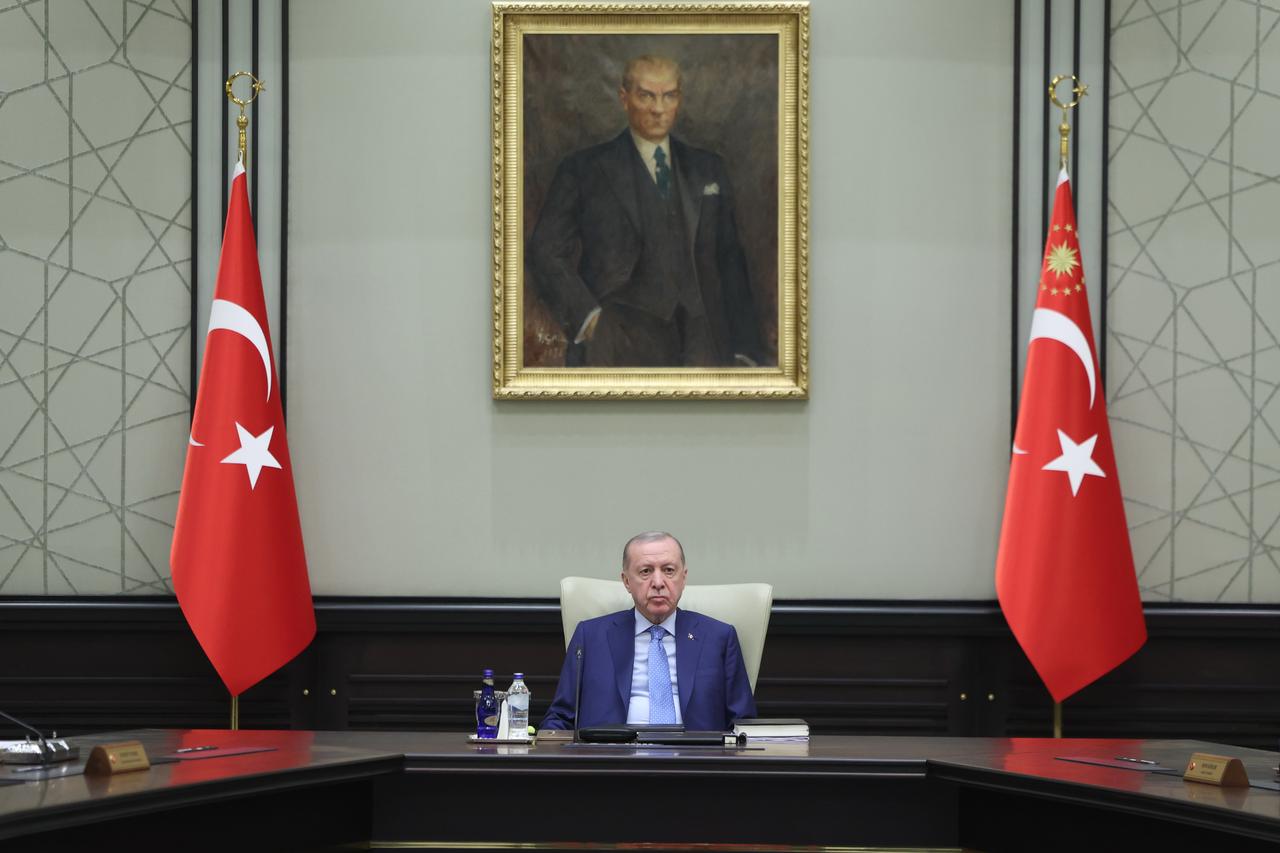


Thousands of members of the Kurdish armed groups were prepared to cross from Iraq into Iran under Israeli and American air cover in the opening days of the Iran war, a plan Israeli intelligence officials describe as "detailed, resourced, and viable."
Then Turkish President Recep Tayyip Erdogan got involved, and it never happened.
That account, from a senior Israeli intelligence source speaking to Al-Monitor on condition of anonymity, sits at the heart of a deepening frustration within Netanyahu's inner circle: that a realistic opportunity to bring down the Tehran regime was squandered, not by Iran's resilience, but by a phone call from Ankara.
"The Kurds themselves were eager to carry out the operation. For them, it was the realization of a dream to work alongside the Israeli air force and American power. But Washington hit the brakes at the last minute," the Israeli intelligence source said.
"We know today with certainty that it was Erdogan who influenced Trump to halt everything. Who knows when or if such an opportunity will arise again," the Israeli source added.
Fox News reported on March 3 that thousands of Kurdish armed group members had been positioned to cross from Iraq into Iran during the war's opening days under U.S. and Israeli air support. Five days later, Trump reversed course. "They're willing to go in, but I've told them I don't want them to go in," Trump told reporters.
"The war is complicated enough as it is," he added.
The Israeli intelligence source pushed back on any suggestion that the use of Kurdish groups is speculative.
"The plan to overthrow the Iranian regime with Kurdish cooperation was comprehensive and detailed. We invested enormous resources and energy into it. It was not a gimmick, and it was not superficial. The Americans know this very well because they were thoroughly briefed," the source speaking to Al-Monitor said.
"Iraqi Kurdish disappointment was profound after the plan fell apart," the source said, compounded by fears of retaliation from Tehran once details of the operation surfaced, according to the report.
The same source said the "Kurdish plan" was not an isolated case, saying, "Trump has repeatedly put on the brakes, leading to the postponement or cancellation of additional operational plans and major capabilities Israel developed to topple the regime," warning that "the consequences could be disastrous and long-term."
A senior Israeli security official pushed back on the idea that the window had permanently closed. "This can still happen. 80% of the Iranian people aspire to get rid of the regime and live in a freer country. It can still be done with patience and proper conduct," the official said on condition of anonymity. But, the official warned, "an agreement that funnels billions of dollars back into Tehran would close that window entirely."
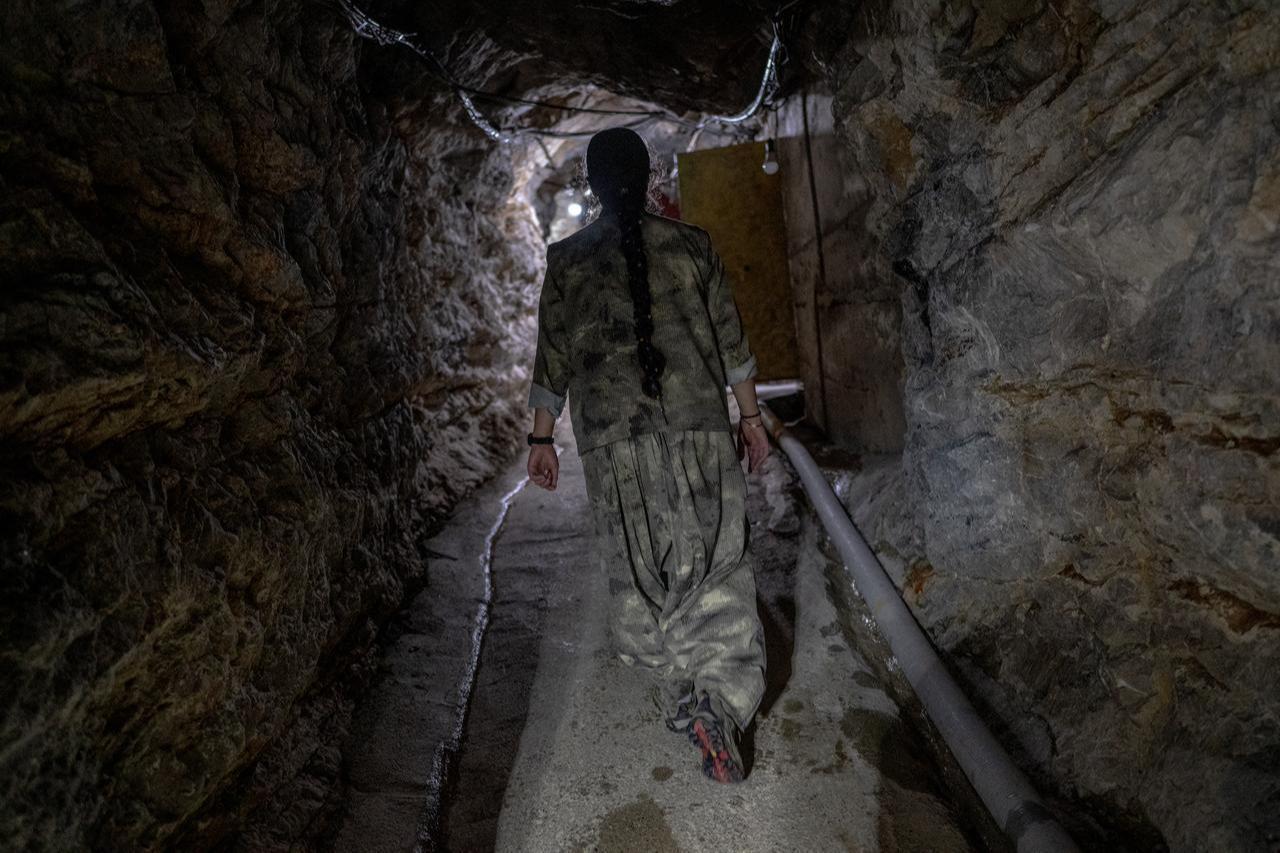

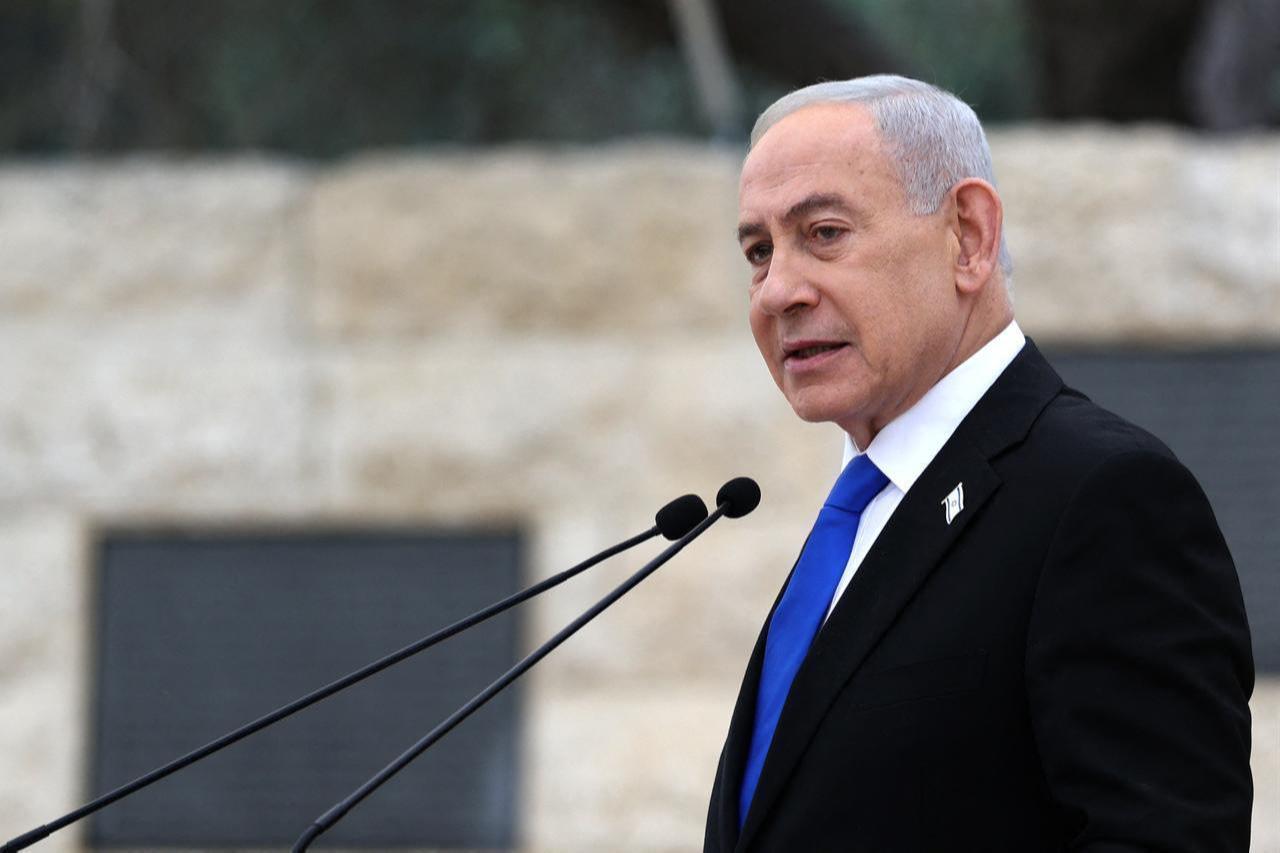
The intelligence frustrations intersect with a political crisis for Netanyahu himself. With a U.S.-Iran agreement appearing imminent and Israeli elections scheduled for September or October, Netanyahu is described by his own associates as politically immobilized.
"This time, the prime minister's hands are tied. He is completely paralyzed and knows that he will not be able to do anything, even if the agreement signed between the United States and Iran remains the disaster he now defines it as," one of Netanyahu's associates told Al-Monitor on condition of anonymity.
The same associate said Netanyahu had grown so disenchanted with Trump that he privately longed for what once seemed like more difficult relationships. "He has reached the point where he longs for the days of President Joe Biden, even President Barack Obama," the source said.
"Now, all he can do is salute Trump," the source added.
Israeli opposition leader Yair Lapid articulated the political charge publicly on Monday. "The deal is bad for Israel, bad for the region, and bad for the citizens of Iran," Lapid told reporters in Jerusalem.
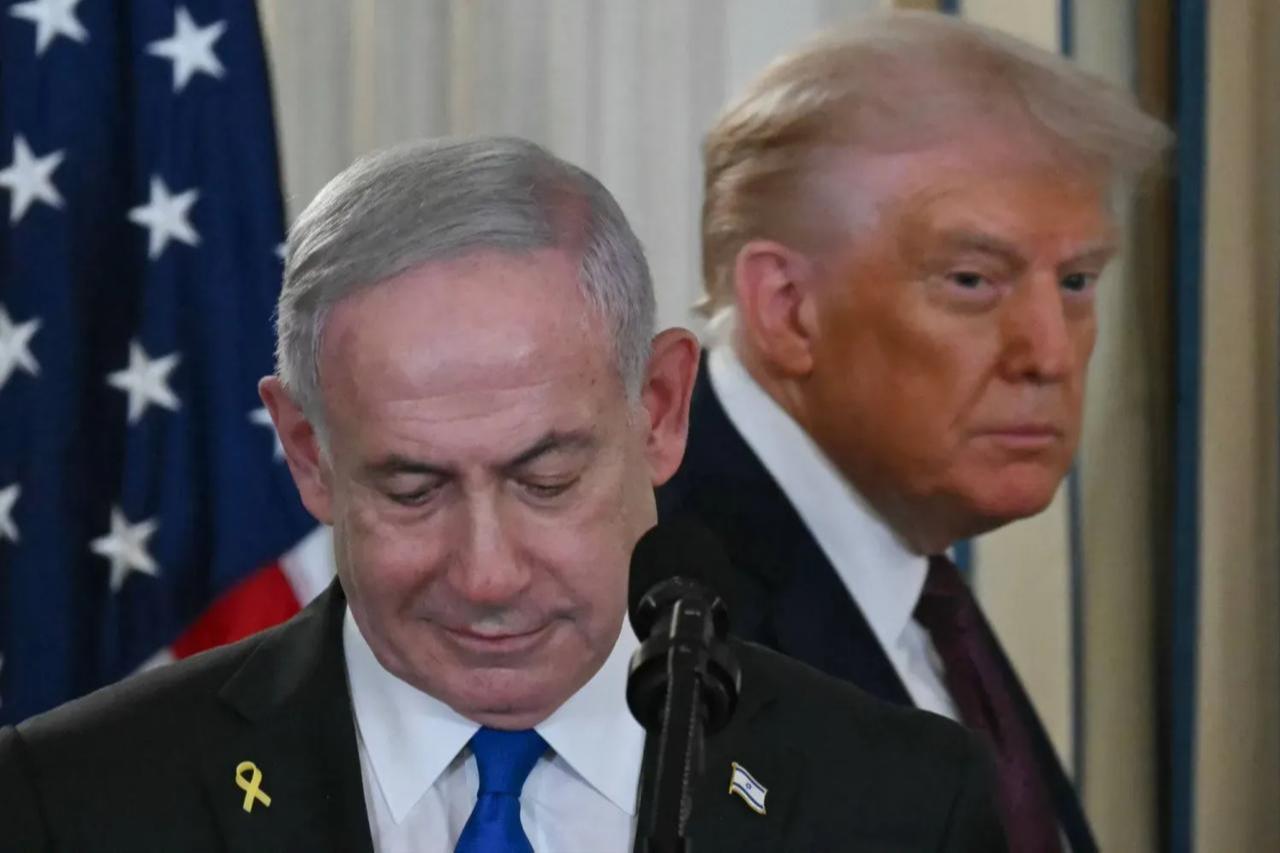
The emerging deal has sharpened speculation in Israel about Netanyahu's electoral future and the fate of his corruption trial, which has been ongoing since May 2020.
The associate told Al-Monitor that an unfavorable U.S.-Iran agreement could force a reckoning that Netanyahu has long resisted.
"A U.S.-Iran agreement will affect Netanyahu's decision on whether to run in the upcoming elections or conclude that it is time to quit in exchange for a plea bargain," the associate speaking to Al-Monitor said.
Netanyahu has consistently rejected plea agreements that would require him to leave politics.
Israeli President Isaac Herzog invited Netanyahu and prosecutors on April 28 to discuss a possible agreement, but Netanyahu has not responded publicly. With elections approaching and time running out to advance legislation that could suspend the trial or shield him from imprisonment if convicted, a negotiated exit may be narrowing as his last viable option.
Netanyahu had also reportedly calculated, when accepting the April ceasefire with Iran and agreeing to halt fighting in Lebanon, that he was buying time for the U.S. to apply pressure on Herzog for a pardon and for Trump to pursue terms that would permanently dismantle Iran's nuclear program. Neither materialized.
Beyond Netanyahu's personal calculations, Israeli officials warned that the likely contours of any agreement carry strategic risks. The prevailing Israeli assessment is that a memorandum of understanding would extend the ceasefire without fully resolving Iran's enriched uranium stockpile or its future nuclear capability.
The senior Israeli intelligence source pointed to the Strait of Hormuz as a particular concern.
"If Iran becomes the effective controlling force there under the agreement, it will make the situation far more dangerous than before," the source said, arguing that Iran now understood the strait to be "a weapon perhaps even more valuable than nuclear arms that Tehran won't hesitate to use to hold the world hostage."
On the question of who actually governs Tehran, the intelligence picture remained clouded.
"The question is whether Mojtaba Khamenei is managing events or being managed by others," the source said, concluding, "At the moment, we do not have a definitive answer."


 Set as preferred source
 Set as preferred source



 3 min read