Newsletters


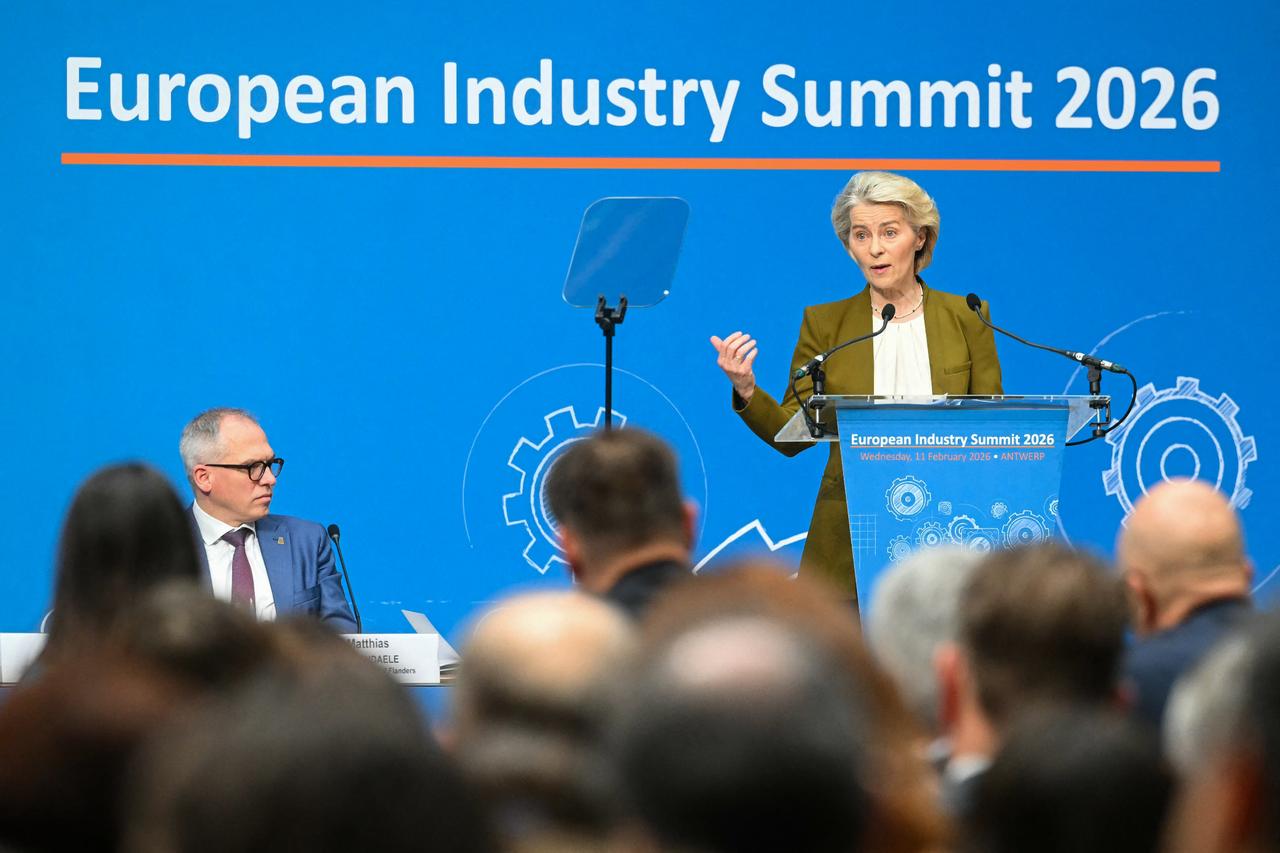


European Union defense ministers on Wednesday approved national investment plans from eight member states totaling €38 billion, clearing the way for the first disbursements under the bloc’s €150 billion Security Action for Europe (SAFE) program.
The approved plans were submitted by Belgium, Bulgaria, Denmark, Spain, Croatia, Southern Cyprus, Portugal and Romania.
Vasilis Palmas, defense minister of Southern Cyprus, which holds the rotating EU Council presidency, said the decision shows the EU is taking concrete steps in defense. “Through SAFE, we are strengthening our security in the most critical areas,” he said.
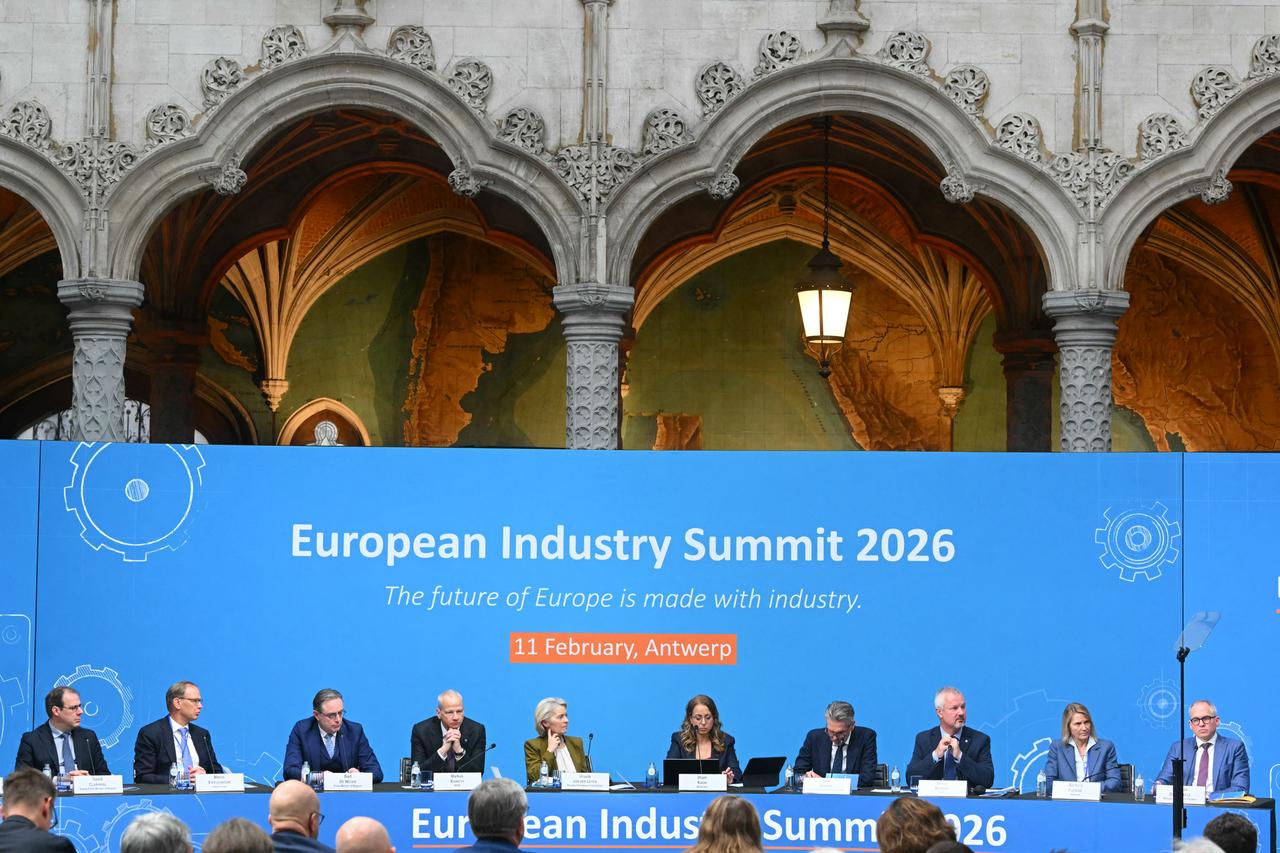

The eight countries are among 19 member states that applied for financial support under SAFE. Their plans were approved by the European Commission in mid-January, marking the first step in a required two-stage process.
The ministers’ approval allows the Commission to sign loan agreements with the countries and to release pre-financing payments of up to 15% of the requested funds. Further disbursements will depend on regular updates submitted by member states to the EU executive.
Eight additional national plans worth a combined €74 billion, submitted by Estonia, Greece, Italy, Latvia, Lithuania, Poland, Slovakia and Finland, were approved by the Commission at the end of January. Final approval is expected at a meeting of EU economy ministers in Brussels on Feb. 17.
National plans from Czechia, France and Hungary, valued at just over €34 billion, remain pending. A commission spokesperson said there would be no speculation on the timeline for their approval. Germany has not requested any SAFE funding.
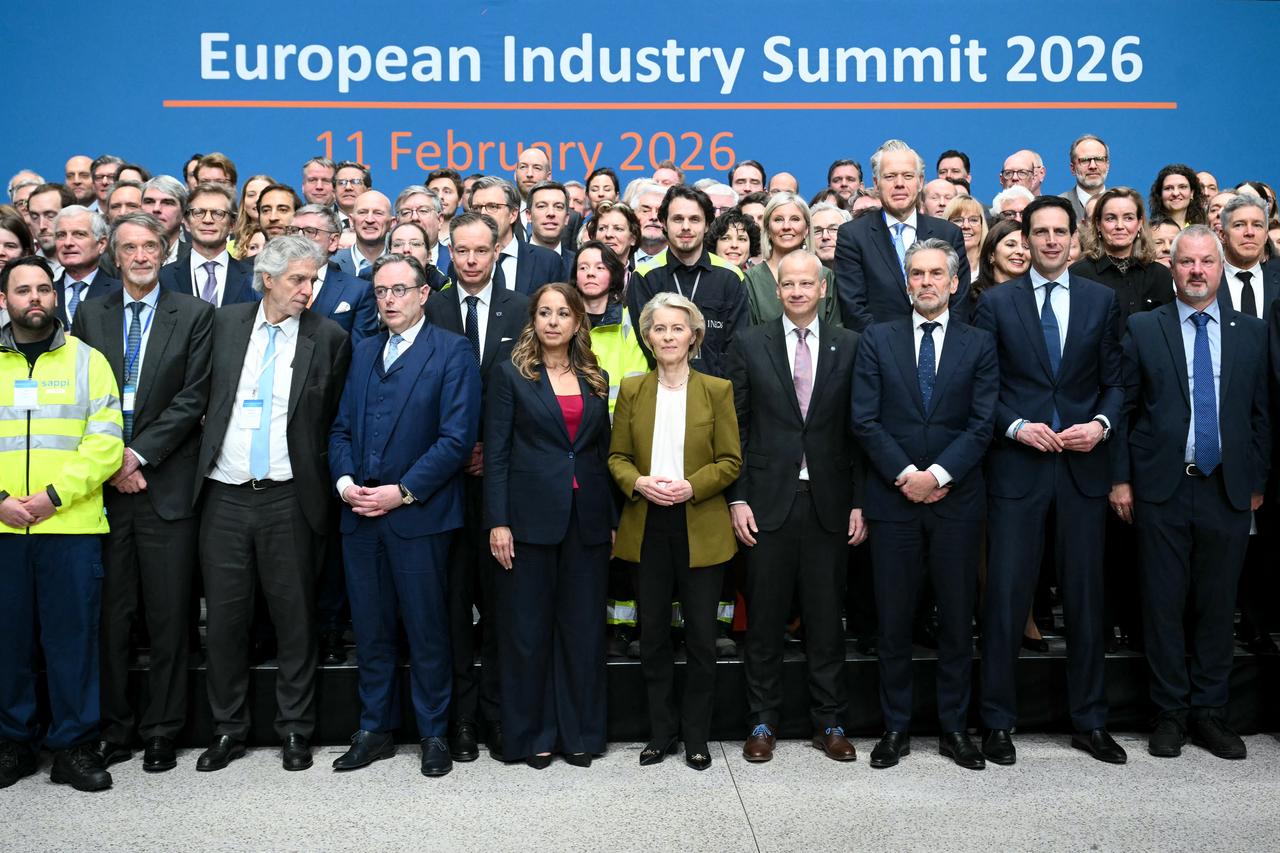
SAFE is part of the Commission’s broader “Readiness 2030” plan, which aims to channel up to 800 billion euros into defense by the end of the decade.
The program seeks to boost procurement of priority defense products, including ammunition and missiles, artillery systems, drones and anti-drone systems, air and missile defense systems, critical infrastructure protection, protection of space assets, cybersecurity, artificial intelligence technologies and electronic warfare systems.
A key requirement under SAFE is that purchased equipment must be European-made, and no more than 35% of component costs can originate from outside the EU, the European Economic Area-European Free Trade Association, or Ukraine.
The program is designed to offer advantageous borrowing conditions, particularly for member states whose credit ratings are lower than that of the Commission.
Commission President Ursula von der Leyen said late last year that 19 participating countries had initially requested more than €150 billion, adding that interest in the program could expand further.
Defense ministers also authorized the EU to sign a bilateral agreement with Canada, allowing Canadian companies and Canada-origin products to participate in SAFE-funded procurement.
Once approved by the European Parliament, Canada will become the first non-European country to join the defense loan program.


 Set as preferred source
 Set as preferred source


 1 min read
 1 min read