Newsletters


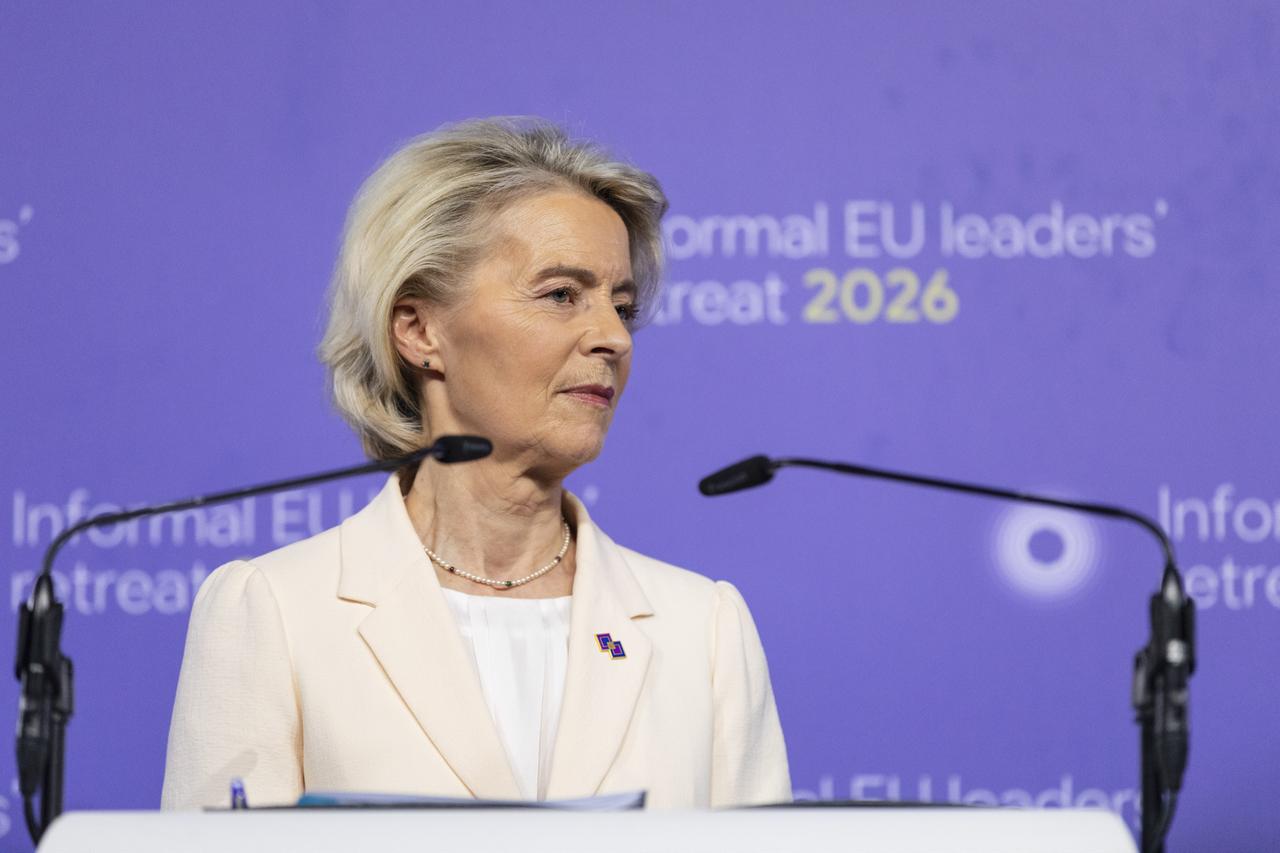


Europe needs to become more independent and step up its efforts in defense, European Commission President Ursula von der Leyen said, stressing that a stronger Europe would also strengthen NATO.
Von der Leyen made brief press remarks in Munich alongside German Foreign Minister Johann Wadephul and NATO Secretary General Mark Rutte.
“Europe must be more independent and make greater efforts for its defense. A strong Europe also means a strong NATO,” von der Leyen said.
Pointing out that only €8 billion ($9.49 billion) were allocated for defense in the European Union’s previous seven-year budget, von der Leyen said the bloc last year earmarked €800 billion for European defense to address shortcomings and close capability gaps.
She said joint procurement and joint projects among member states form a key part of that package. Of the €800 billion, €100 billion have been allocated for joint projects.
“Sixty-five percent of this €100 billion, roughly two-thirds, should be sourced from Europe or Ukraine. It should no longer be purchased from abroad,” von der Leyen said.
She said the goal is to ensure that billions of euros spent on defense create jobs and foster innovation and development within Europe. Von der Leyen added that directing funds to the European defense industry, including facilities in Bavaria, would generate much-needed investment returns.

Von der Leyen also recalled that the EU has allocated €90 billion in loans for Ukraine. She said the loans would be repaid by Ukraine if Russia pays compensation.
“Two-thirds of this loan, that is 60 billion euros, can be used for defense spending,” she said. “Here, too, the cascade principle applies. Procurement should primarily be made from Ukraine or the European Union. If this is not possible and not feasible in terms of time, then procurement can be made from abroad.”
She said the approach is aimed at strengthening Europe’s defense industrial base and sends a strong message.
German Foreign Minister Johann Wadephul said Europe has entered a new era in security and defense, emphasizing continued support for NATO and Ukraine.
Referring to this year’s slogan of the Munich Security Conference, “Under Destruction,” Wadephul said it reflects the profound global changes underway.
“This process can only be overcome through strong alliances and shared values,” he said. “NATO, the world’s most successful defense alliance, has become stronger and larger. NATO can always rely on Germany’s support.”
Wadephul said strengthening NATO is of strategic importance for Germany and that Berlin’s commitment to the alliance remains firm. He added that Germany has supported the 5% defense spending target from the outset and that efforts toward this goal will continue at a meeting to be held in Ankara.
Using the phrase “Europe’s time has come,” Wadephul said defense and security policies have become a priority for the European Union. He added that Germany supports von der Leyen initiatives in this field and that the federal government has fully embraced this course for Europe’s future.
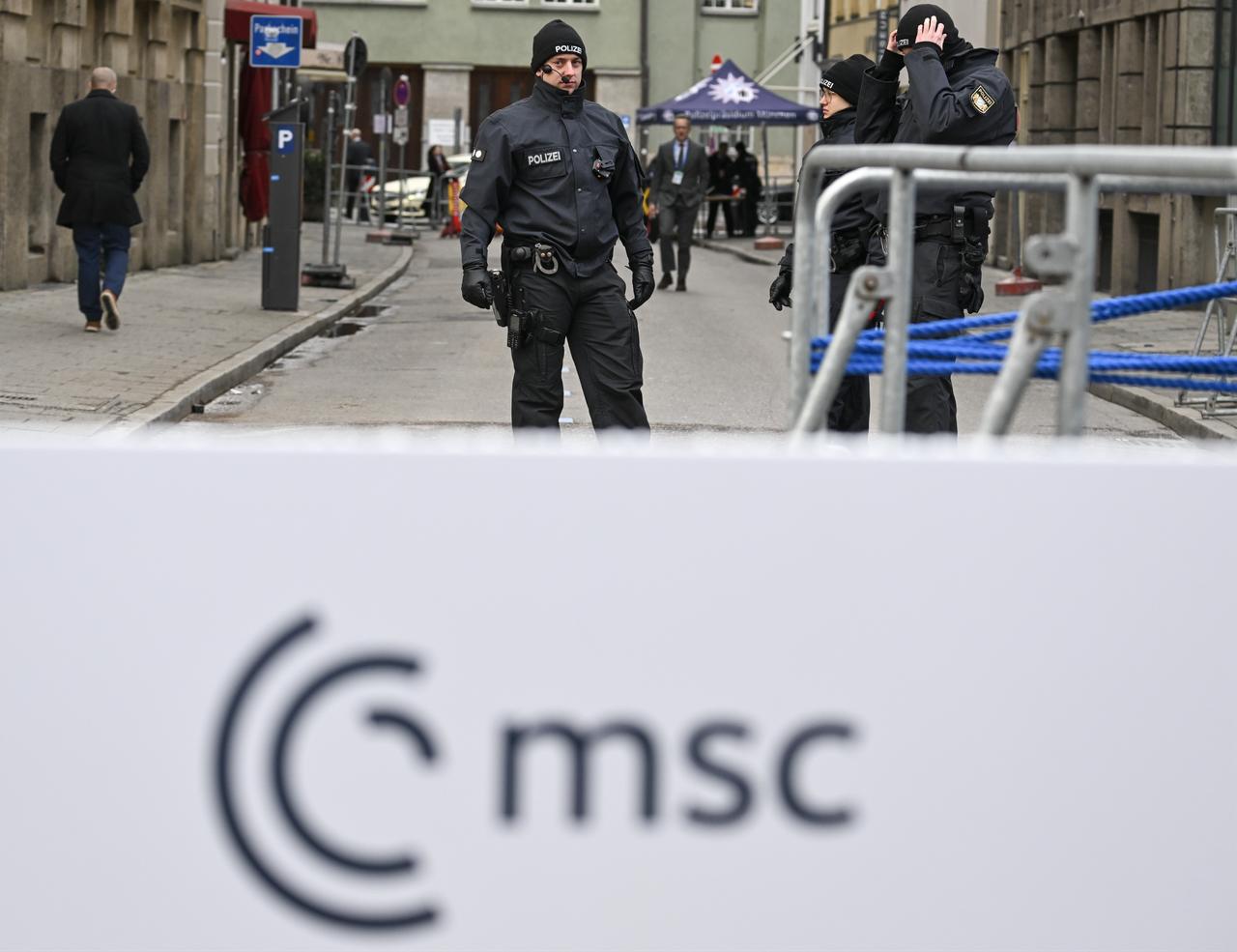
The 62nd Munich Security Conference, which brings together leading foreign policy and security experts from across the transatlantic world, opened amid debates that the international order is in a process of destruction.
Founded as a German initiative during the Cold War’s bipolar order, the conference is rooted in dialogue and mutual engagement as a means of addressing security challenges.
Now in its fourth year, the Russia-Ukraine war, shifts in the international order, strains in transatlantic relations, tensions in the Middle East, and Europe’s defense and security architecture are among the main items on this year’s agenda.
More than 800 participants, including senior executives from globally active companies, particularly in defense, as well as academics and civil society representatives, are attending the conference, which runs through Sunday, Feb. 15.


 Set as preferred source
 Set as preferred source


 1 min read
 1 min read