Newsletters


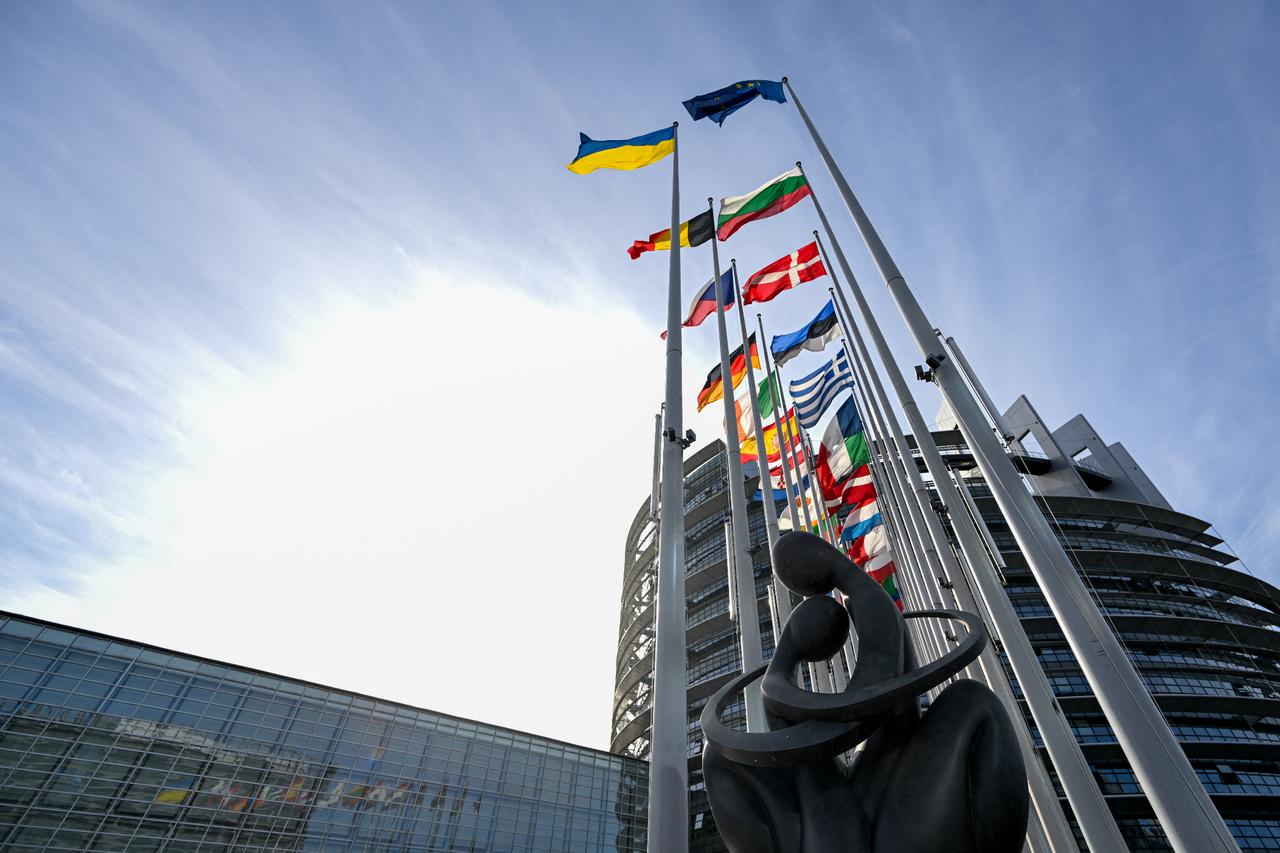


The European Commission said Wednesday it has proposed unlocking a first €4.2 billion, or $4.8 billion, for Hungary and readmitting it to the bloc’s student mobility and research programs after Budapest’s new government delivered promised reforms.
Prime Minister Peter Magyar launched a reform drive after taking office this year, aiming to regain access to the more than €16 billion that Brussels had frozen over rule-of-law concerns during nationalist leader Viktor Orban’s rule.
“Hungary has taken important steps to strengthen the rule of law and protect the Union’s financial interests,” European Commission President Ursula von der Leyen said.
“Today, we are proposing to unlock €4.2 billion and reopen the doors of Erasmus+ and Horizon Europe to Hungarian students and researchers,” she added.
The plan needs to be approved by member states within a month, the commission said.
The commission cited reforms on public procurement and anti-corruption efforts, including reinforced powers for an anti-graft watchdog and the establishment of a comprehensive asset declaration system.
It also said controls over EU funding, as well as transparency in public procurement and public spending, had been strengthened.
“With the important steps taken by the government of Prime Minister Peter Magyar to safeguard EU taxpayers’ money, billions of euros can now flow again,” said Piotr Serafin, the EU commissioner for budget, anti-fraud and public administration.
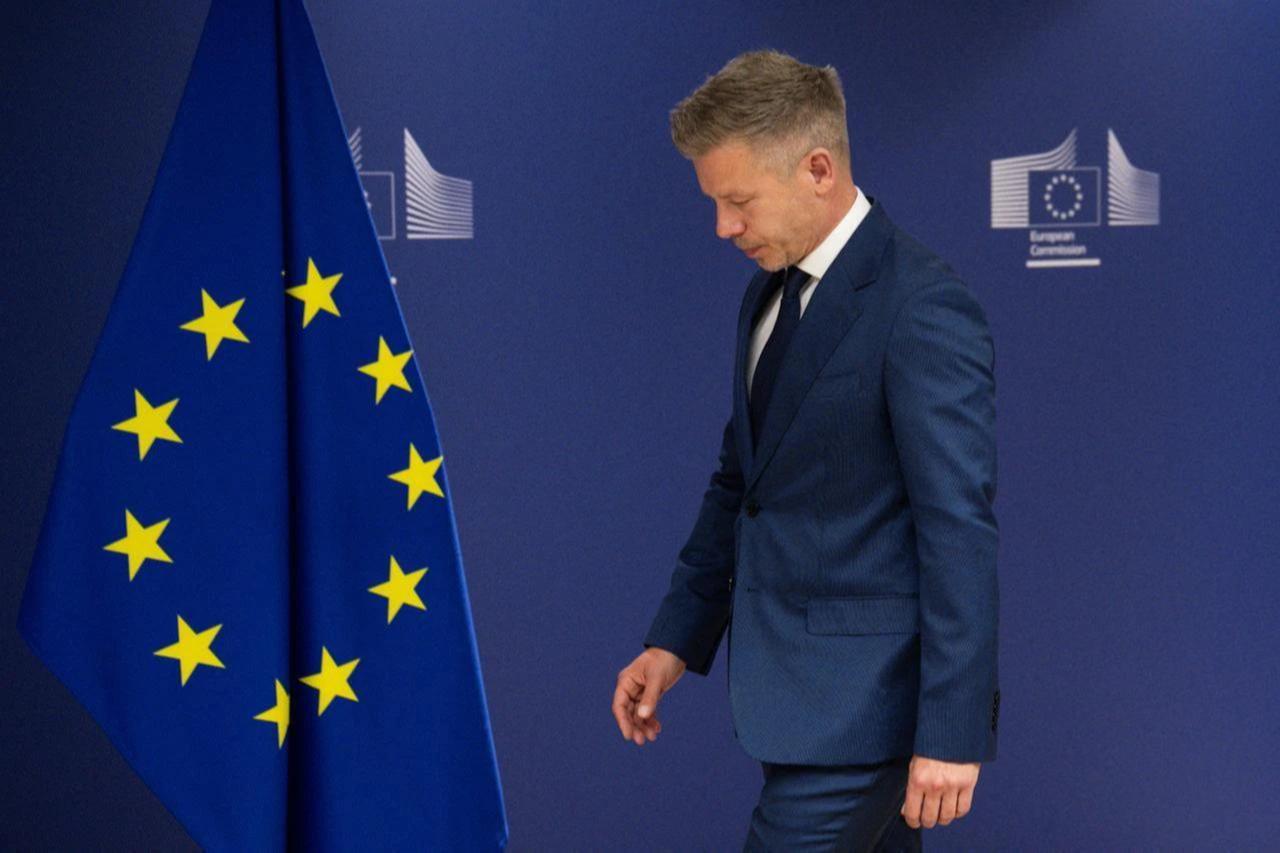

The EU froze billions of euros earmarked for Budapest because of democratic backsliding, corruption concerns and restrictions on LGBTQ rights under Orban.
Pro-EU conservative Magyar defeated Orban in April elections, running on an anti-corruption platform and making the recovery of EU funds a key campaign pledge.
Magyar has said the funds amount to about 13% of Hungary’s budget and could help his government revive the country’s struggling economy.
The €4.2 billion Brussels moved to unlock Wednesday had been withheld in 2022 from financing Budapest was due to receive under a funding mechanism aimed at reducing economic disparities across the 27-nation bloc.
That same year, nearly two dozen higher education institutions, including some of Hungary’s top universities, were excluded from the EU’s Erasmus+ program after they were moved into an ownership structure that critics said allowed excessive government influence.
Magyar is pushing for the release of about €12 billion more that Brussels promised to unlock in May if Hungary stayed on track with its reform drive.
Daniel Freund, a prominent European lawmaker and anti-corruption campaigner, said that while Budapest’s efforts were welcome, the commission was moving too quickly in rewarding them.
“The ink on the new laws has barely dried before the Commission is already dropping all proceedings aimed at protecting EU funds,” said Freund, a German member of the Greens group.
“We do not know how well the reforms will work in practice,” he added.


 Set as preferred source
 Set as preferred source


 1 min read

 1 min read