

 Newsletters


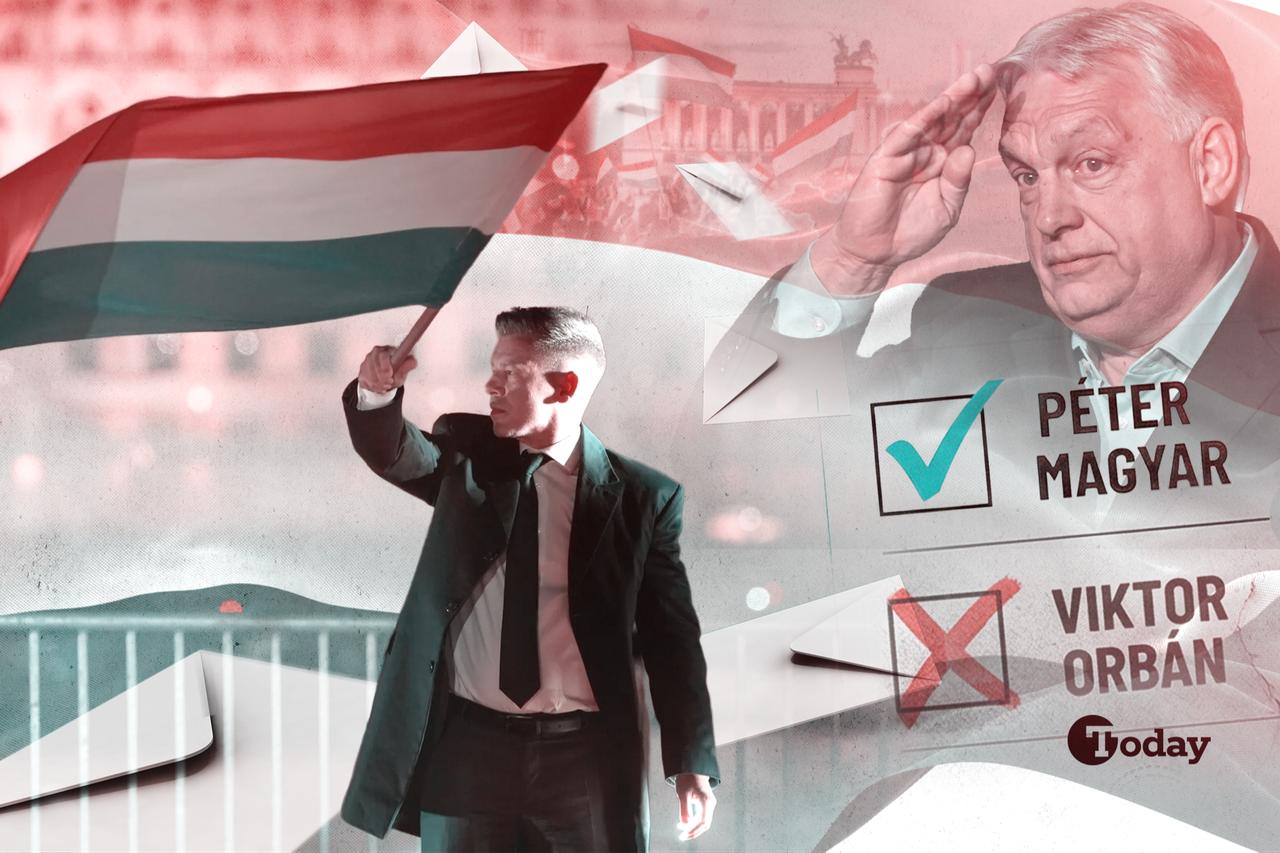


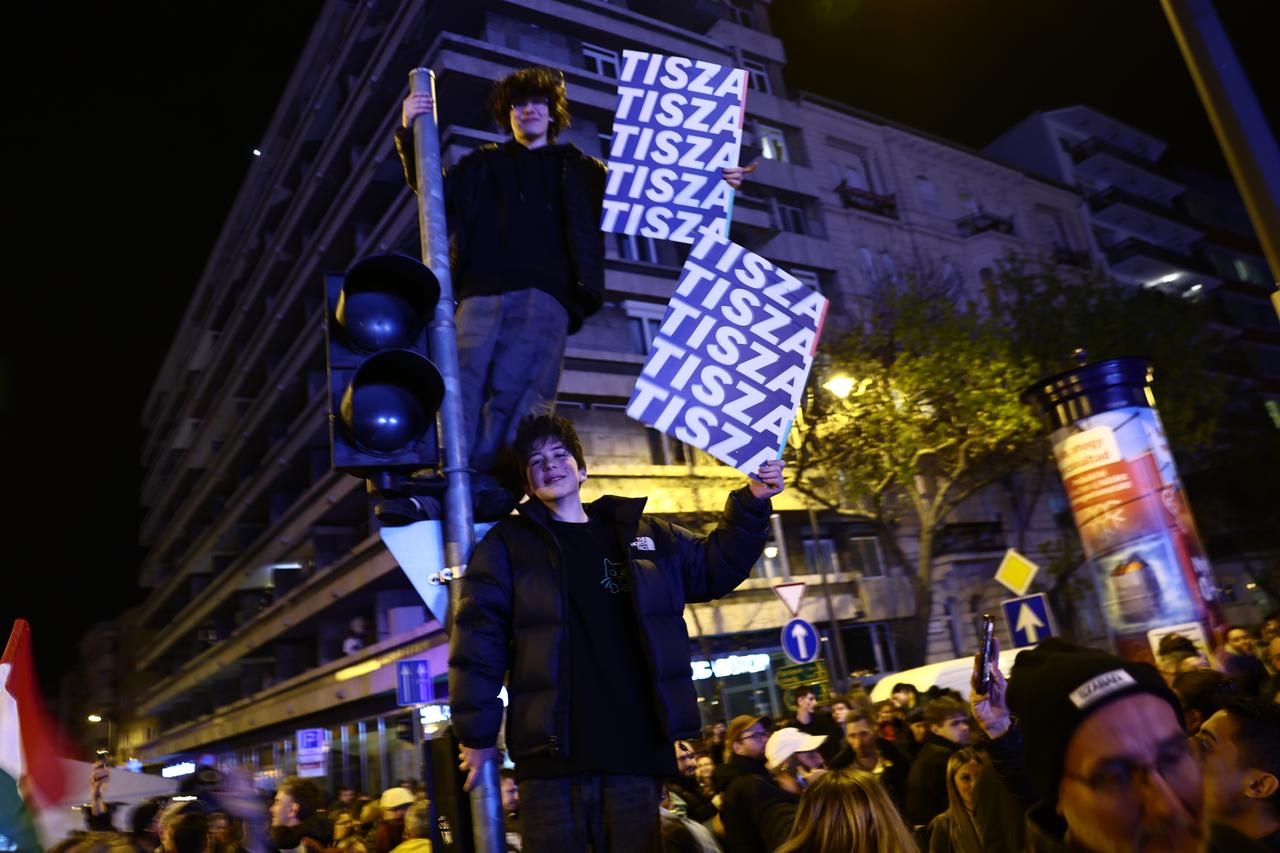
“I feel fantastic! We’ve finally got rid of that system, and it was about time,” declared Zoltan Sziromi, a 20-year-old student, capturing the mood in Budapest on election night.
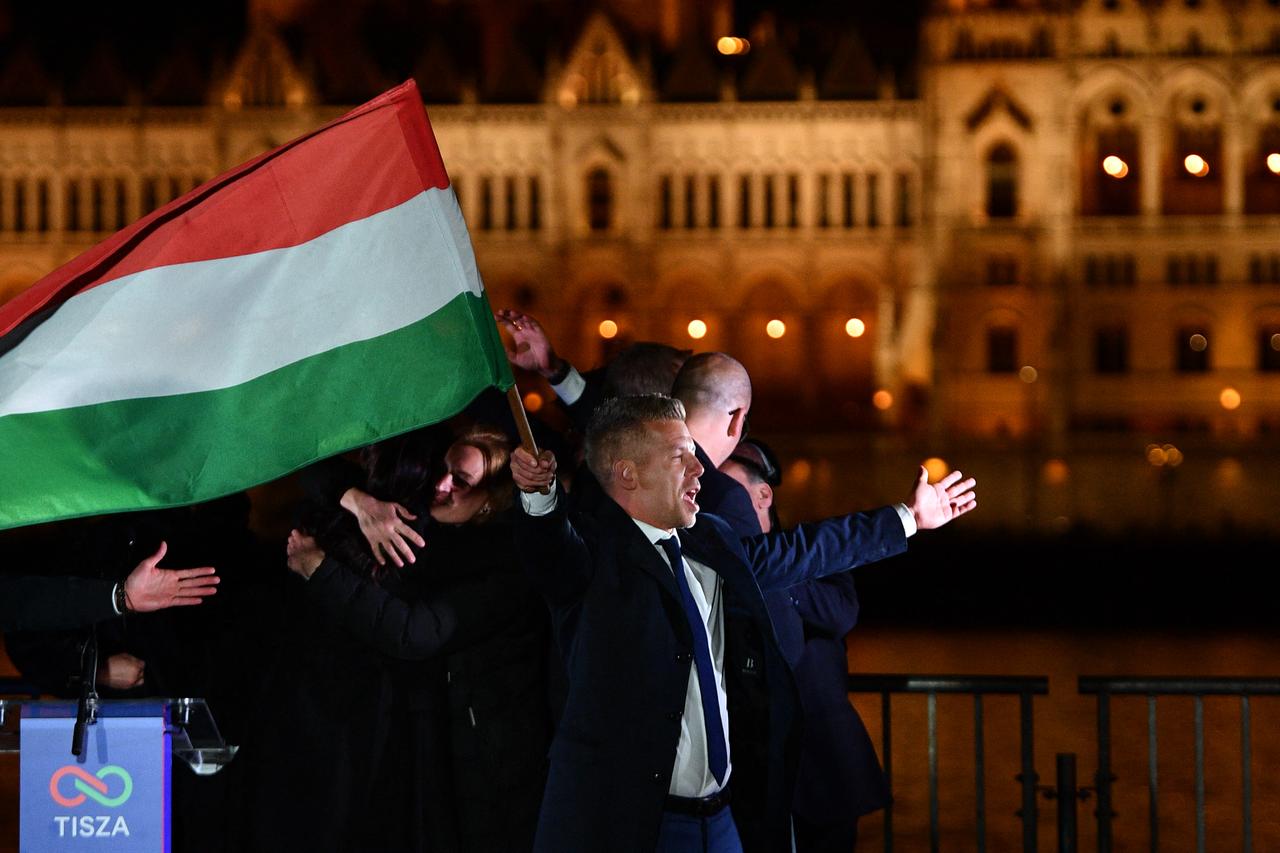
As tens of thousands of jubilant supporters of Peter Magyar’s Tisza party cheered outside their headquarters on the banks of the Danube, waving flags and dancing to the sound of car horns, the reality of a political earthquake set in.
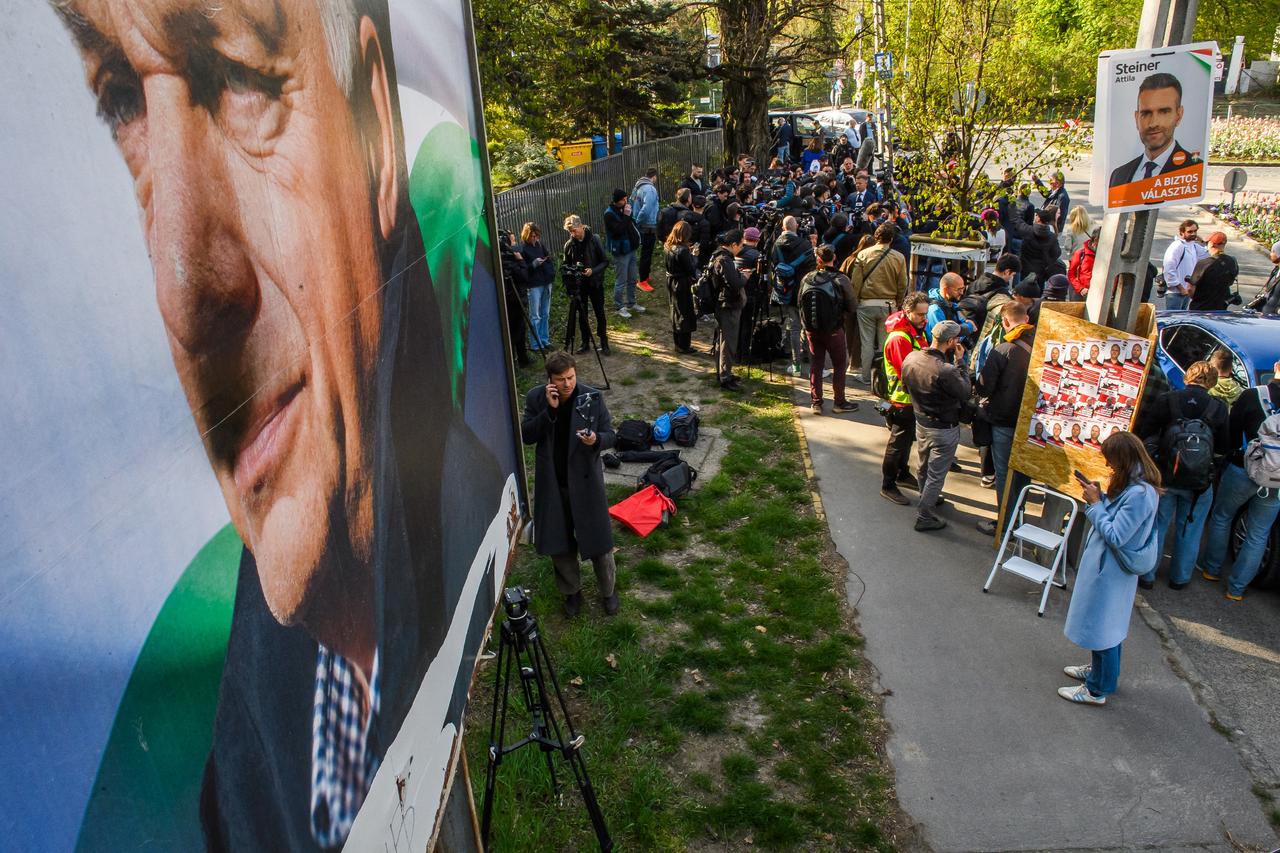
On April 12, Hungarian voters delivered a definitive mandate. With 98.15% of precincts counted, official results confirmed that Magyar’s center-right Tisza party had secured a projected two-thirds supermajority, claiming 138 seats in the 199-seat parliament with 53.6% of the vote. The ruling Fidesz party was reduced to just 55 seats on 37.9% of the vote.
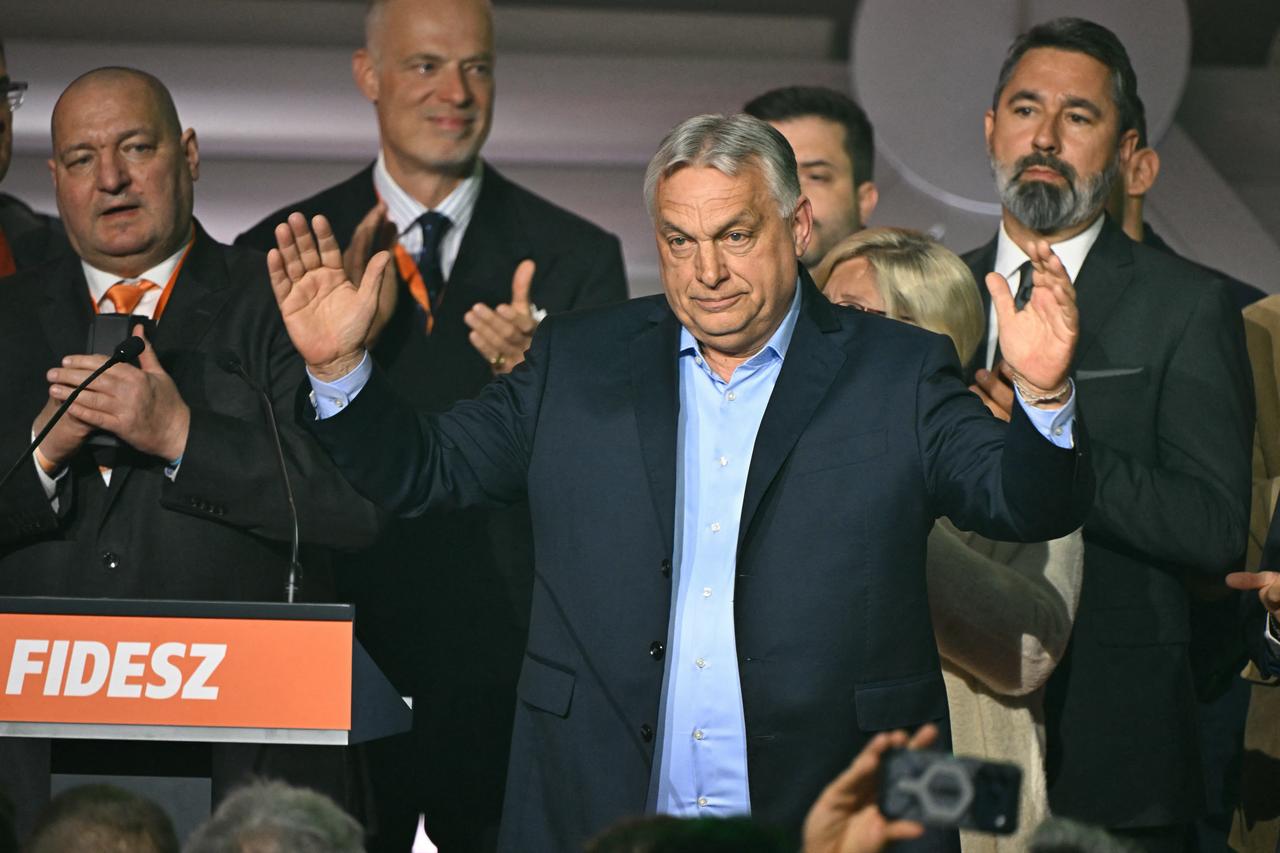
Earlier that Sunday, Viktor Orban, 62, conceded defeat.
“The election results, though not yet final, are clear and understandable; for us, they are painful but unambiguous,” he told reporters.
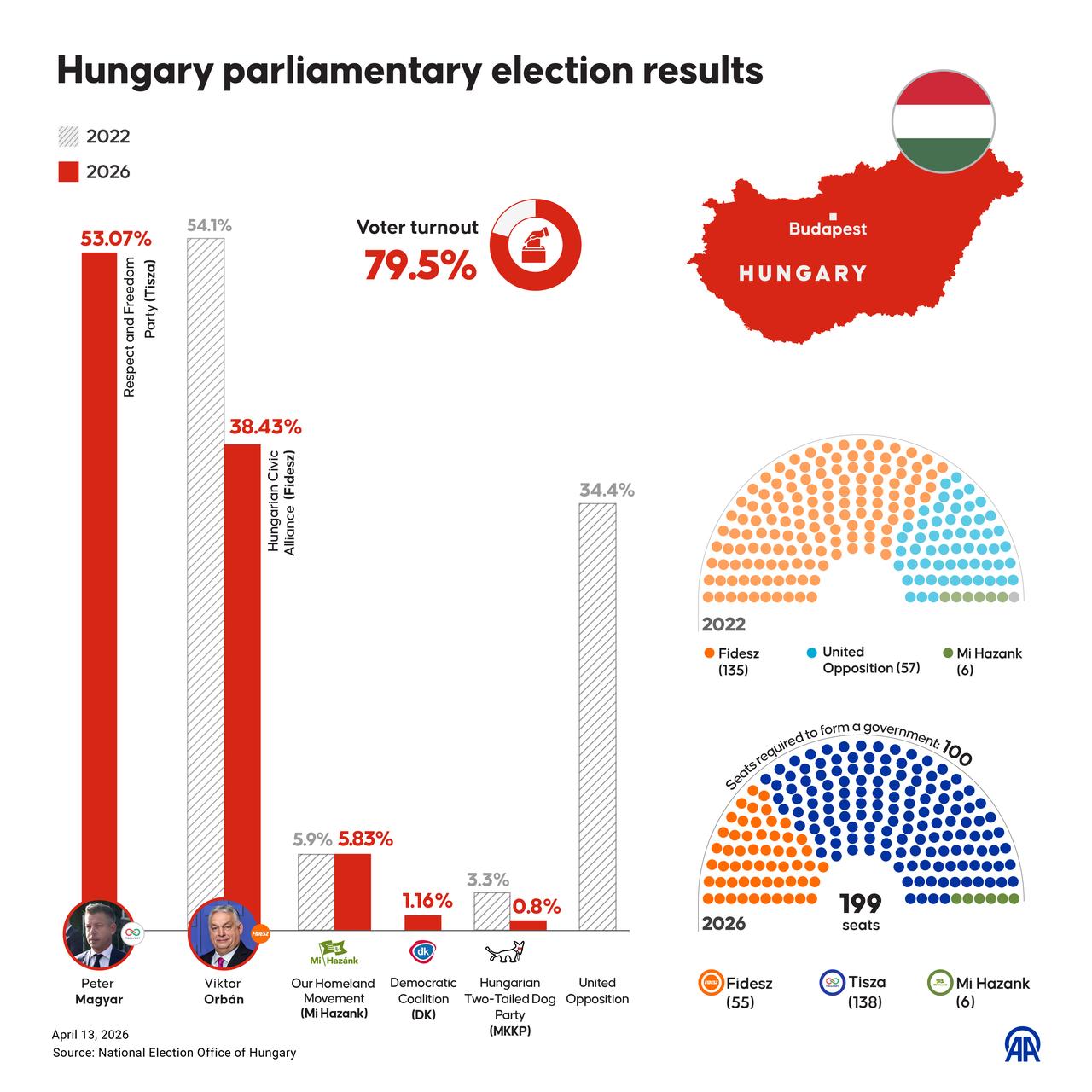

The election brings a decisive close to Viktor Orban’s 16-year rule. Over the last decade and a half, Orban constructed a self-styled “illiberal democracy,” centralizing control over the judiciary and media while turning Budapest into a persistent wedge within the European Union.
His tenure was defined by a transactional foreign policy that frequently isolated Hungary from its Western allies while heavily courting Russia and its partners.
At 45, Peter Magyar is a lawyer and former Fidesz insider who leveraged his deep knowledge of the ruling party to dismantle it.
Bursting onto the national stage in early 2024, Magyar successfully channeled deep-seated public frustration over economic stagnation and cronyism.
He campaigned on a platform of strict anti-corruption measures, the restoration of democratic checks and balances, and an unequivocal return to the European mainstream.
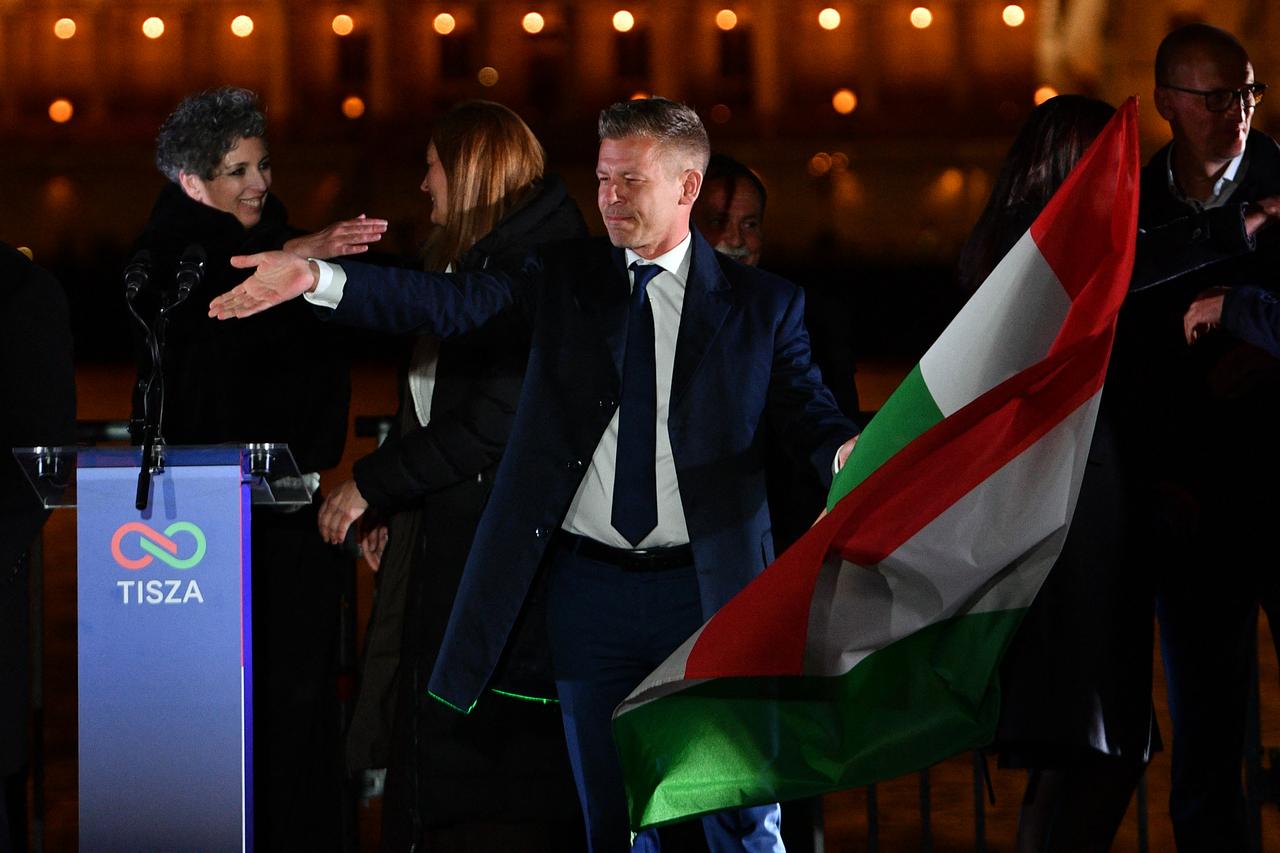
Magyar’s victory fundamentally rewrites the geopolitical calculus in the region. For Russia, Orban’s defeat removes Vladimir Putin’s most reliable veto-wielding advocate from the European table, weakening Moscow’s ability to obstruct EU sanctions and broader Western coordination.
Simultaneously, the result is a sharp rebuke to the global populist movement and the American political right.
Despite Hungary’s relatively small size, the country had frequently been promoted as a model by MAGA Republicans.
U.S. Vice President JD Vance’s unprecedented trip to Budapest just days before the election to publicly shore up Orban failed to salvage the incumbent’s mandate.
It is a significant symbolic loss, making it highly unlikely that the European edition of the far-right CPAC gathering will return to Budapest next year.
The EU has long blocked structural funds to Hungary over Orban’s violations of the rule of law. Magyar has vowed to restore democratic norms, distance Budapest from Putin, and unfreeze the vital flow of funds from Brussels.
Still, analysts caution that a Magyar victory may not dramatically transform every aspect of Hungary-EU relations.
Like Orban, Magyar opposes sending arms to Ukraine and remains hesitant regarding Kyiv’s rapid EU accession. Crucially, however, he lacks Orban’s hostile rhetoric toward Kyiv and has pledged to make Hungary a reliable NATO ally and cooperative EU member.
In the Western Balkans, Orban’s exit removes a crucial diplomatic shield for some of the region’s most entrenched leaders.
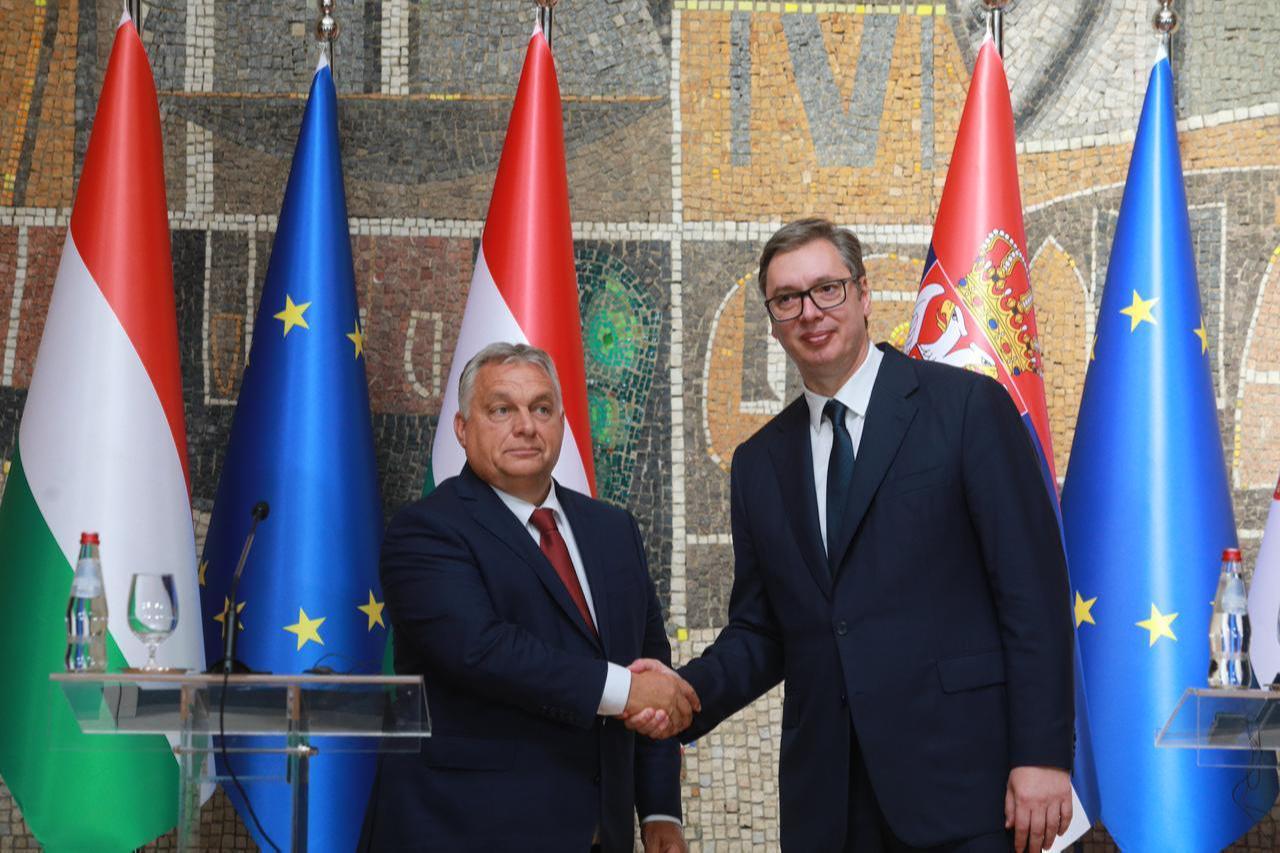
Figures such as Serbia’s Aleksandar Vucic and ousted Bosnian Serb leader Milorad Dodik frequently relied on Orban to buffer against EU pressure over democratic backsliding and regional instability.
For Orban, supporting EU candidate countries such as Serbia, a historic ally of Moscow, formed part of a long-term strategy to strengthen his hand in Brussels and position Hungary as a regional power broker.
Orban’s destabilizing influence also extended to Dodik, the ousted pro-Russian secessionist who continues to rule Republika Srpska as its de facto leader.
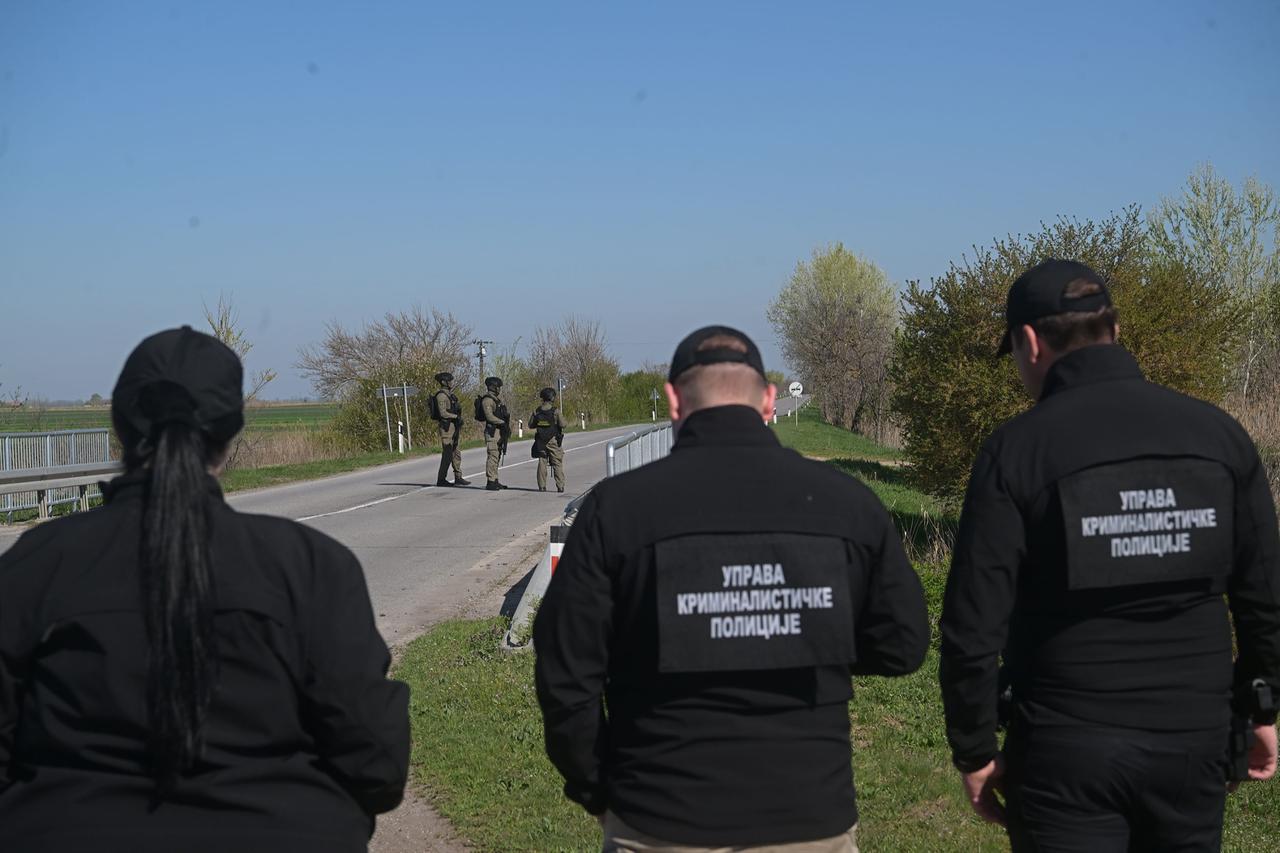
When Dodik was convicted last year for defying Bosnia’s institutions, Orban dismissed the ruling as a political witch hunt and reportedly even readied special forces to extract Dodik if he faced arrest.
Without Budapest acting as a protector inside the EU, Balkan capitals may now face a significantly less forgiving environment in Brussels and will need to rapidly recalibrate their diplomatic strategies.
Under Orban, Hungary courted Turkic states, elevating bilateral ties into strategic partnerships and securing observer status in the Organization of Turkic States.
Orban frequently praised the bloc, arguing that the “Turkic world is emerging as a dynamic and strengthening force.”
Magyar, however, explicitly rejected this ideological alignment during the campaign.
“I think it is clear that the choice is between Europe and the Turkic council and dictators,” he said in a pre-election interview.
With a pro-EU government now taking power, Budapest is expected to drift significantly from Orban’s approach, treating the OTS as a standard diplomatic platform rather than an ideological project.
Orban’s defeat is not merely a domestic Hungarian event. It marks the collapse of one of the most durable "illiberal political" projects in Europe and sends a message far beyond Budapest.
For Brussels, it offers a chance to reintegrate one of its most difficult members. For Moscow, it removes a dependable spoiler inside the EU. For Balkan strongmen who relied on Budapest’s protection, it signals the loss of a key ally at a time of growing scrutiny.
Whether Magyar ultimately governs as a true reformer or merely a more polished nationalist remains to be seen. But one reality is already clear: the regional political balance built during the Orban era has been disrupted.
And for many in Europe and the Balkans alike, that disruption may prove consequential well beyond Hungary’s borders.


 Set as preferred source
 Set as preferred source


 1 min read

 1 min read


