Newsletters


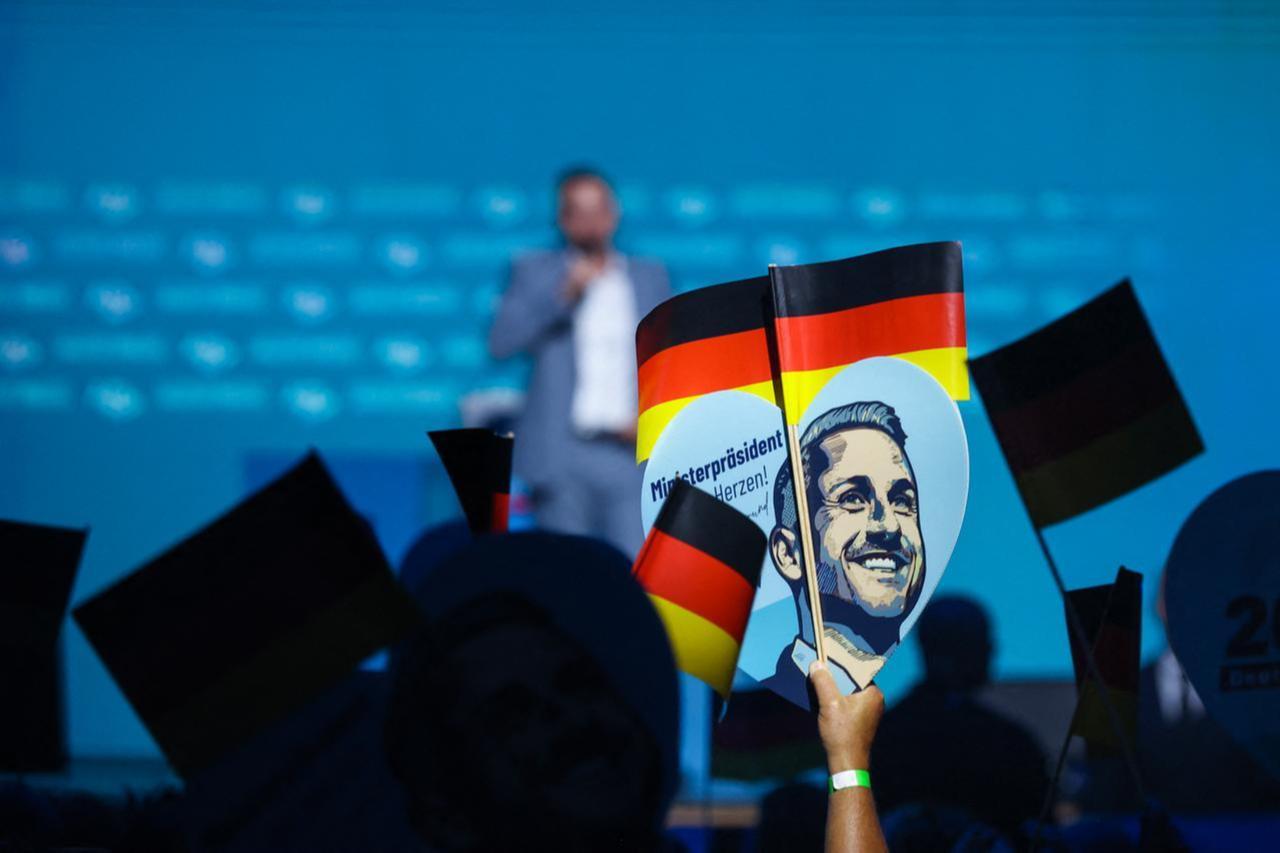


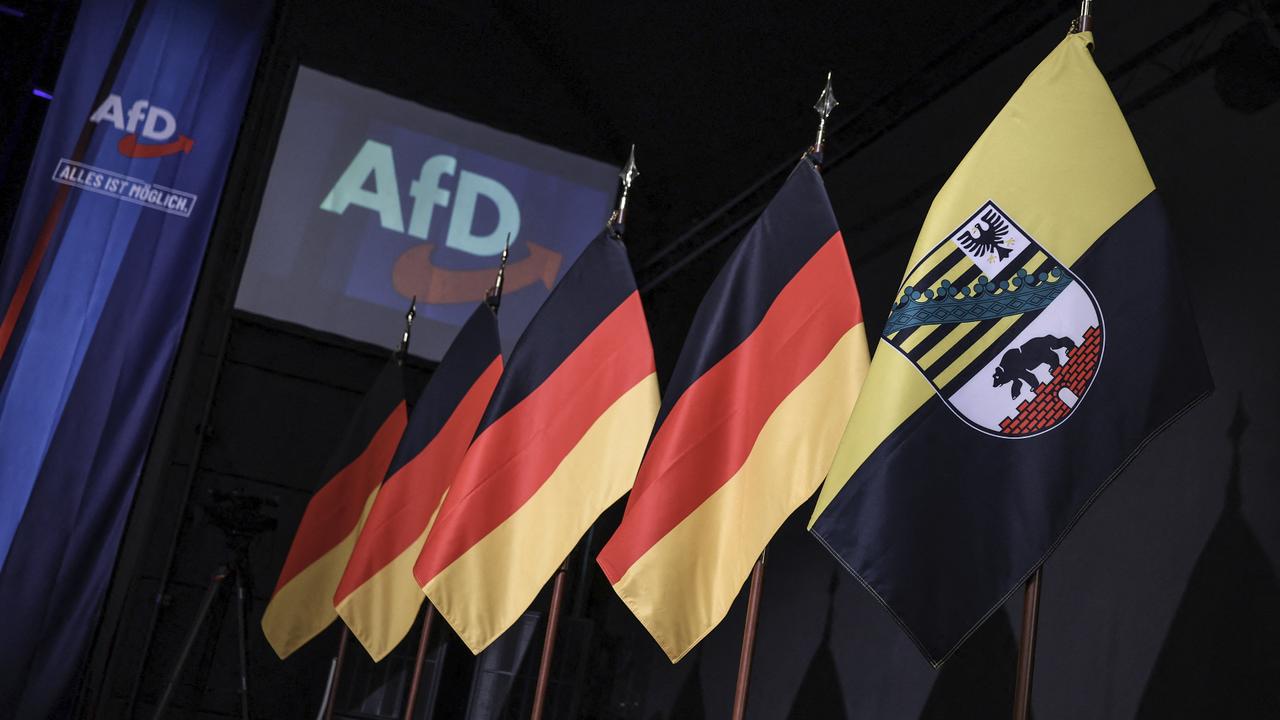
The European Union's top foreign policy official cautioned Monday that political parties dismissive of the threat posed by Russia are gaining strength across the continent, days after Germany's far-right Alternative for Germany party posted a commanding win in a regional election.
Kaja Kallas, the EU's foreign policy chief, made the remarks during a visit to Lithuania, where she appeared alongside Lithuanian Prime Minister Mindaugas Sinkevicius.
She said threats such as sabotage were creeping closer to European territory even as some parties argue the continent should stay out of the matter.
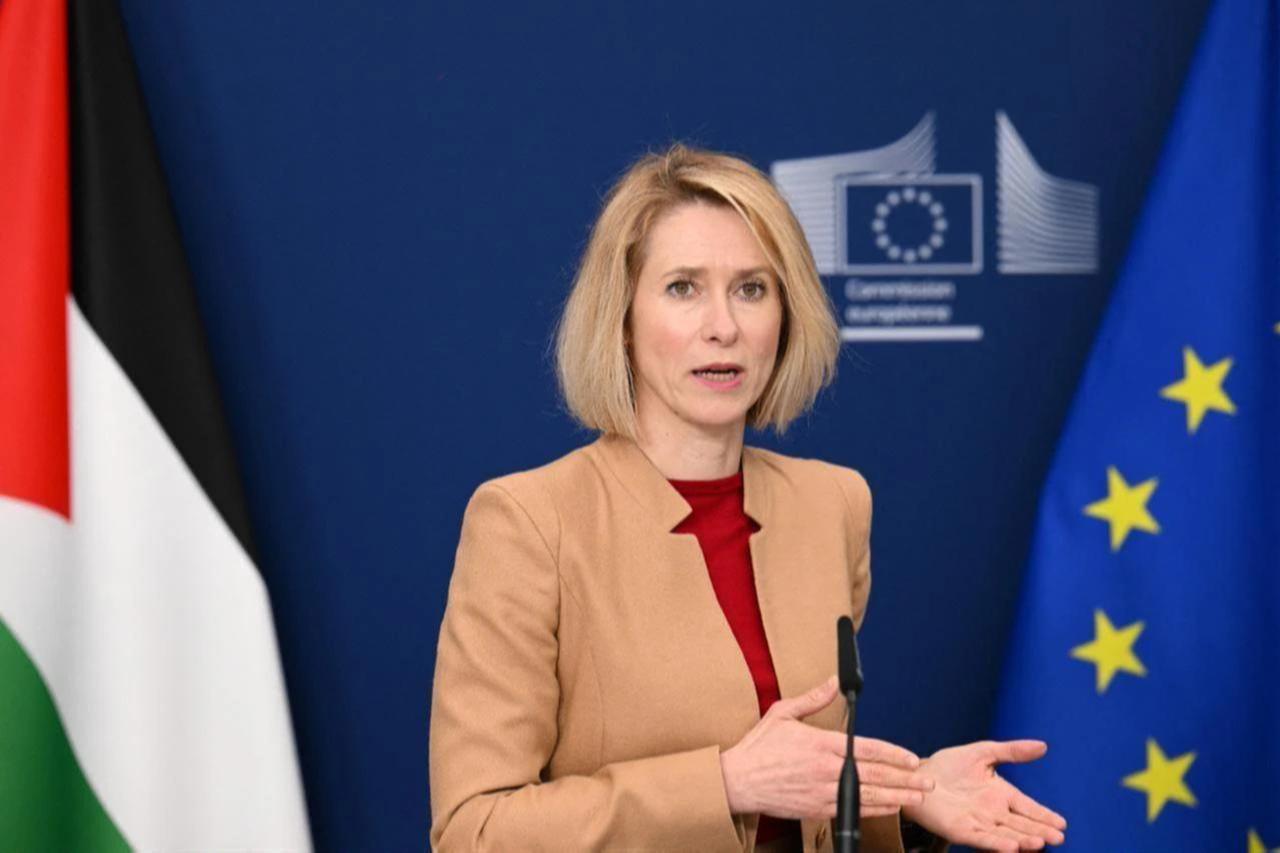

Kallas said parties that play down the danger from Russia are picking up support at a time when she believes vigilance is most needed. "Parties that are in a sense blind to this threat and say we shouldn't do anything about it because it's none of our business are strengthening their positions," she said.
She warned that this trend could leave Europe unprepared. "I'm just afraid that we could wake up in a situation where we haven't done enough to deter threats and defend ourselves," Kallas said.
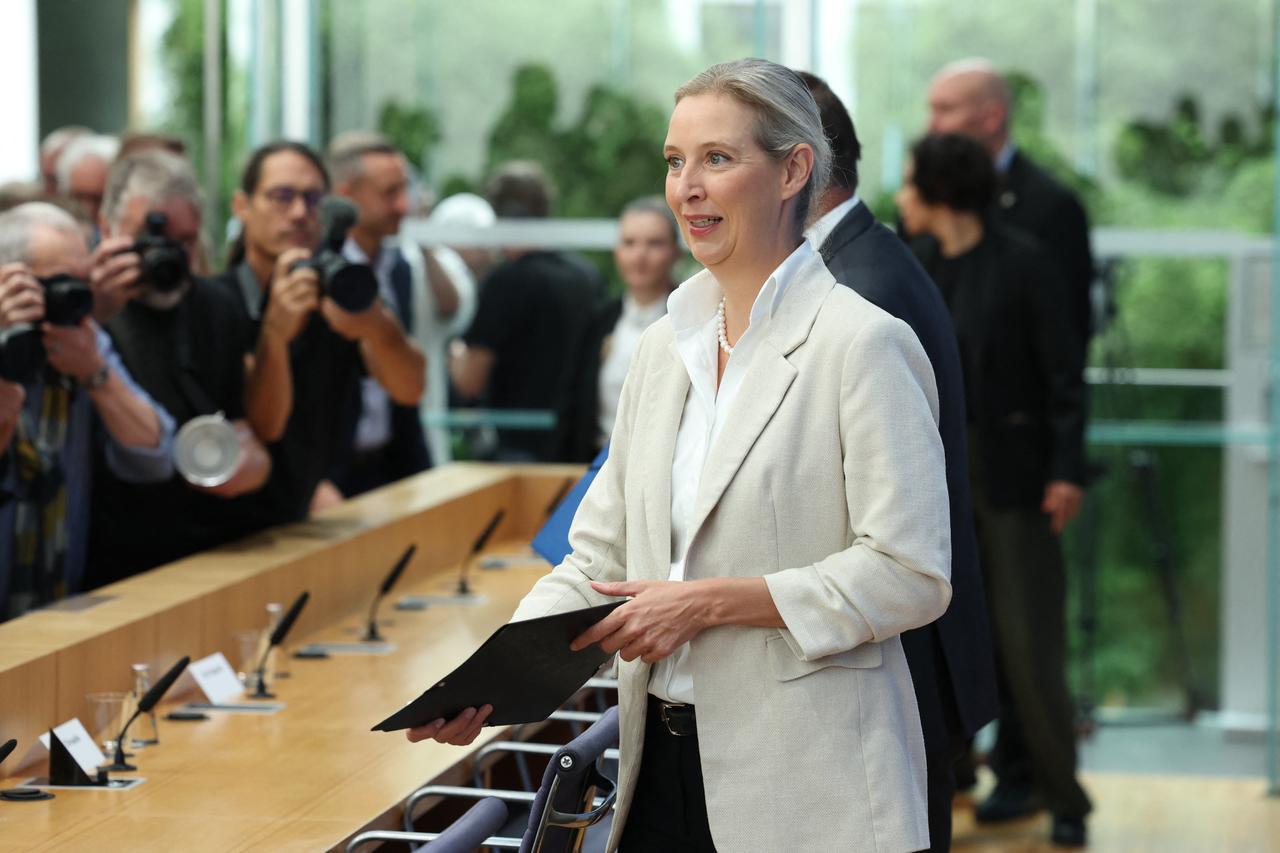
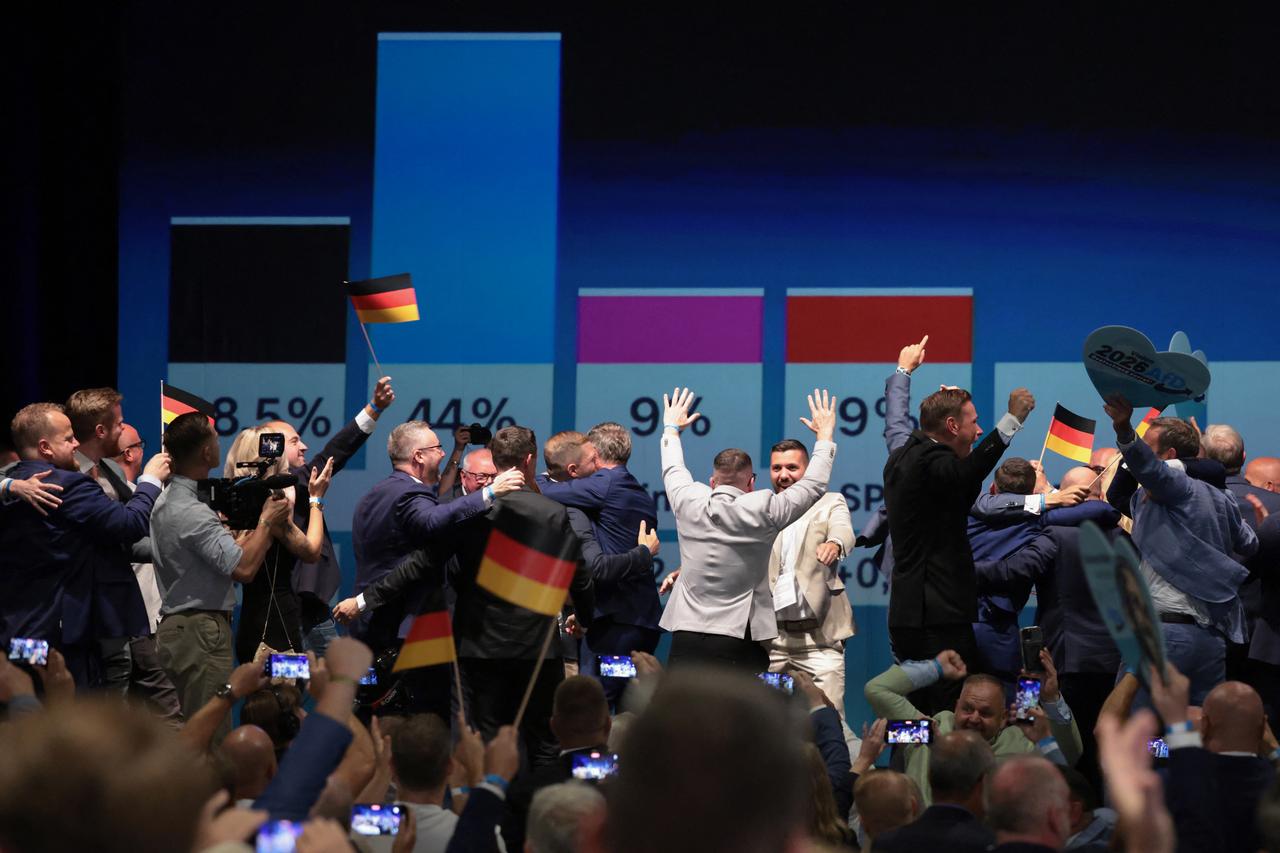
The comments came a day after the AfD won roughly 44% of the vote in Sunday's state election in Saxony-Anhalt, more than doubling the support it received in the region's previous state election in 2021.
The Alternative for Germany, founded in 2013 and now one of the country's most prominent far-right parties, has built support in recent years partly on opposition to immigration and skepticism toward continued military aid to Ukraine.
Chancellor Friedrich Merz's Christian Democratic Union finished well behind, taking about 17% of the vote.
Despite its lead, the AfD fell short of a majority, meaning it could not immediately form what would have been Germany's first far-right-led state government since World War II.
Kallas was careful to note that the outcome reflected a democratic process. "But of course, the German people themselves, a democratic country, have to make their own choices," she added.
As the EU's foreign policy chief, Kallas, a former prime minister of Estonia, has repeatedly urged member states to increase defense spending and coordination in response to Russia's actions since its full-scale invasion of Ukraine in 2022.


 Set as preferred source
 Set as preferred source


 1 min read
 1 min read