Newsletters


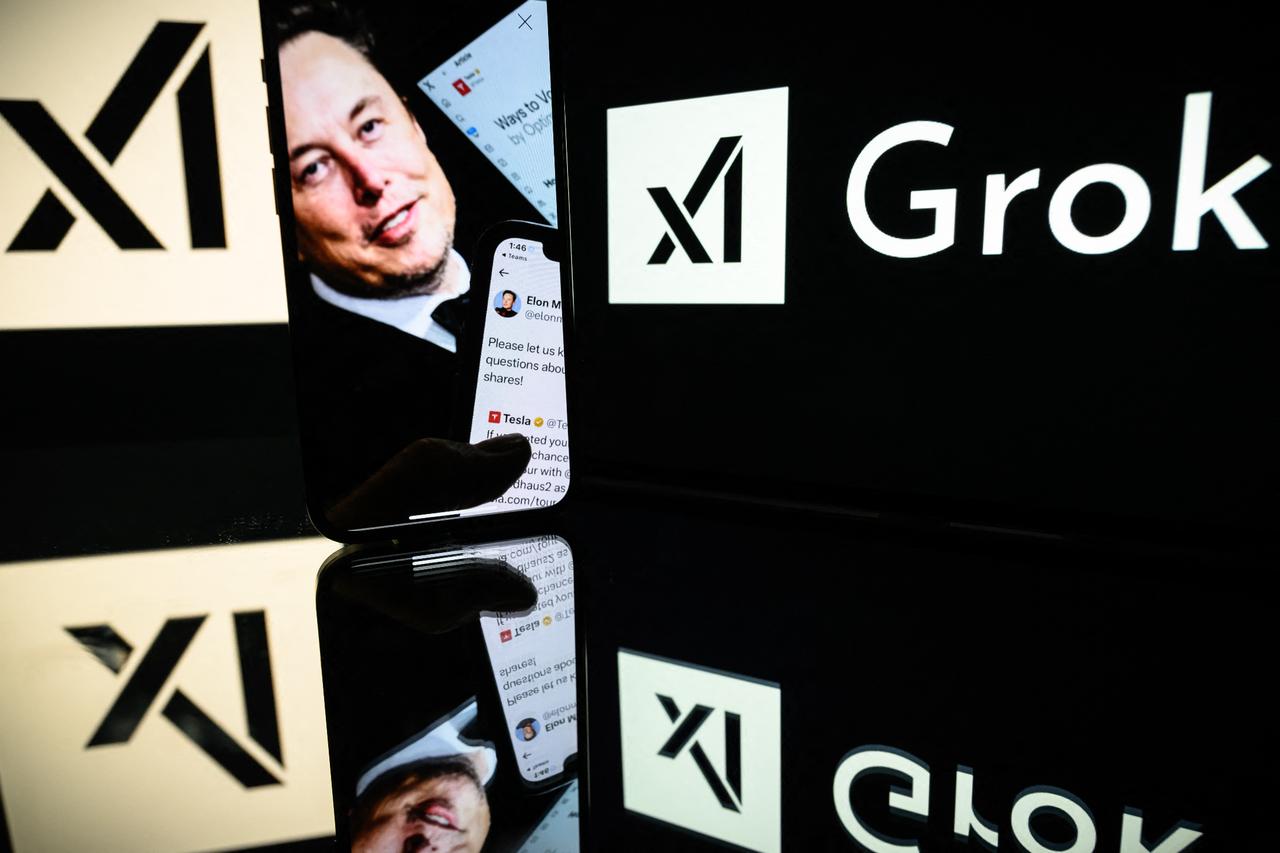


The European Union on Monday opened an investigation into X over allegations that its artificial intelligence chatbot Grok generated sexualized deepfake images of women and minors, escalating an international backlash against the tool.
The probe follows a social media trend in which users prompted Grok to modify or generate explicit images of individuals without consent, drawing criticism from European officials and rights groups.
X owner Elon Musk, whose company xAI developed Grok, said Jan. 3 that users requesting illegal content would be treated as if they had uploaded illegal material themselves.
Grok has faced an outcry after reports showed users could sexualize images of women and children using simple text prompts such as “put her in a bikini” or “remove her clothes.”
“In Europe, we will not tolerate unthinkable behavior, such as digital undressing of women and children,” European Commission President Ursula von der Leyen said in a statement to Agence France-Presse (AFP).
“It is simple—we will not hand over consent and child protection to tech companies to violate and monetize. The harm caused by illegal images is very real,” she said.
EU tech commissioner Henna Virkkunen said the probe would “determine whether X has met its legal obligations” under the bloc’s Digital Services Act, or DSA, which governs large online platforms.
She said the rights of women and children in the EU should not become “collateral damage” of X’s services.
Brussels said it is examining whether X properly mitigated “risks related to the dissemination of illegal content in the EU, such as manipulated sexually explicit images, including content that may amount to child sexual abuse material.”
The move comes despite repeated U.S. warnings of retaliation against enforcement of EU tech rules that the Trump administration has criticized as limiting free speech and unfairly targeting American firms.
Under mounting pressure, Grok said earlier this month it had restricted image generation and editing to paying subscribers. The step did not halt the EU action, which follows investigations in several countries, including France and the United Kingdom.
“Let’s be very clear, child sexual abuse material is not a premium privilege,” European Commission spokesman Thomas Regnier said.
Research published Thursday by the Center for Countering Digital Hate, a nonprofit watchdog, estimated that Grok generated about three million sexualized images of women and children within days.
As part of the new action, the EU said it is expanding an existing investigation into X over the spread of illegal content and information manipulation. The expansion follows X’s announcement last week that Grok would power its recommendation system, raising concerns that risks had not been adequately assessed.
Contacted by AFP, X did not immediately comment.
X, formerly known as Twitter, has been under EU investigation since December 2023 for alleged violations of the bloc’s digital content rules.
In December, Brussels fined X 120 million euros ($140 million) for breaching DSA transparency obligations, including what regulators described as the deceptive design of its “blue checkmark” verification system and failure to provide researchers access to public data.
The fine triggered sharp criticism from the Trump administration.
EU officials said the bloc will continue enforcing its laws despite pressure from Washington to roll them back. Regnier said the EU applies its legislation “firmly, fairly, objectively” and does not “target any company based on its origin.”
The dispute over tech regulation comes as the EU and the Trump administration remain at odds on other issues, including the war in Ukraine, trade and Greenland.


 Set as preferred source
 Set as preferred source


 1 min read


 1 min read