Newsletters


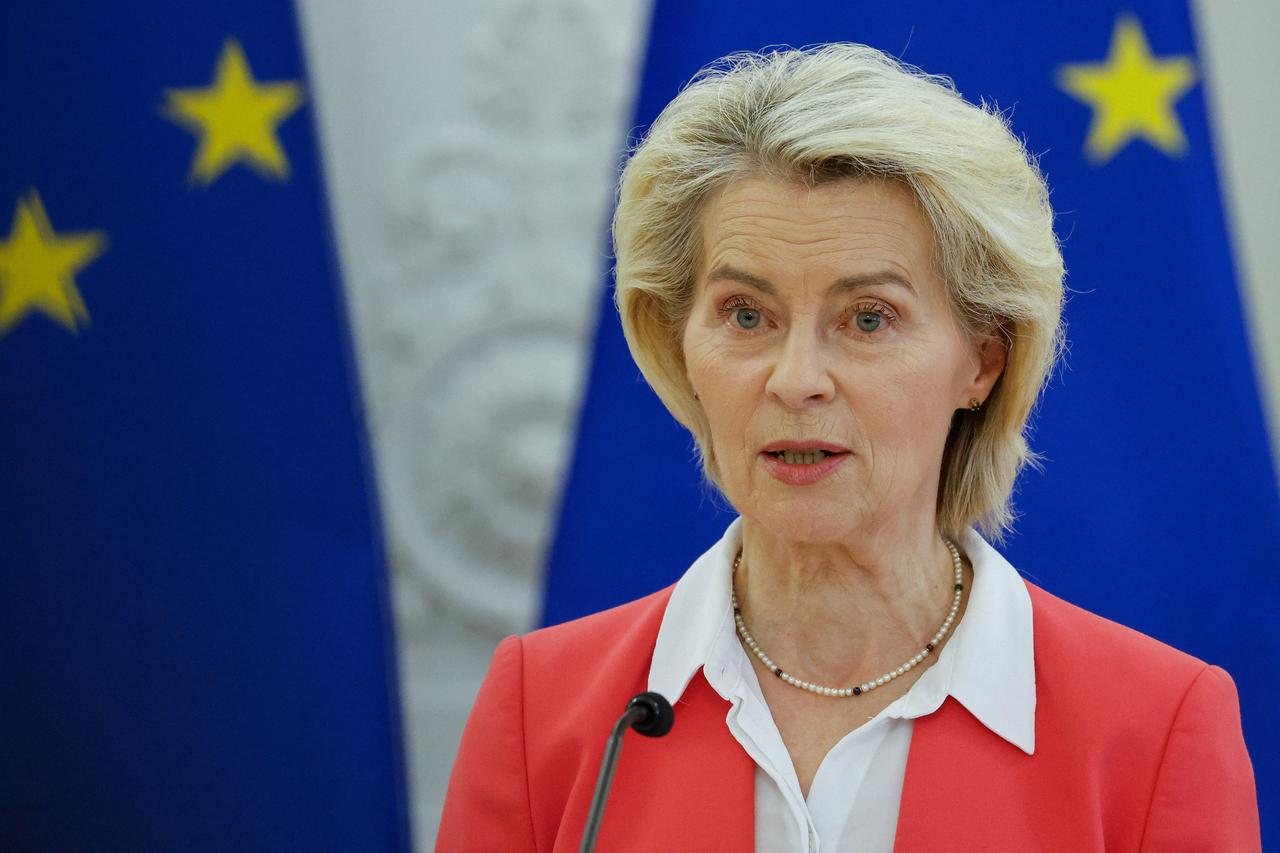


European Commission President Ursula von der Leyen announced a support package for Armenia on Thursday after Russia expanded restrictions on agricultural imports from the South Caucasus country ahead of a closely watched parliamentary election.
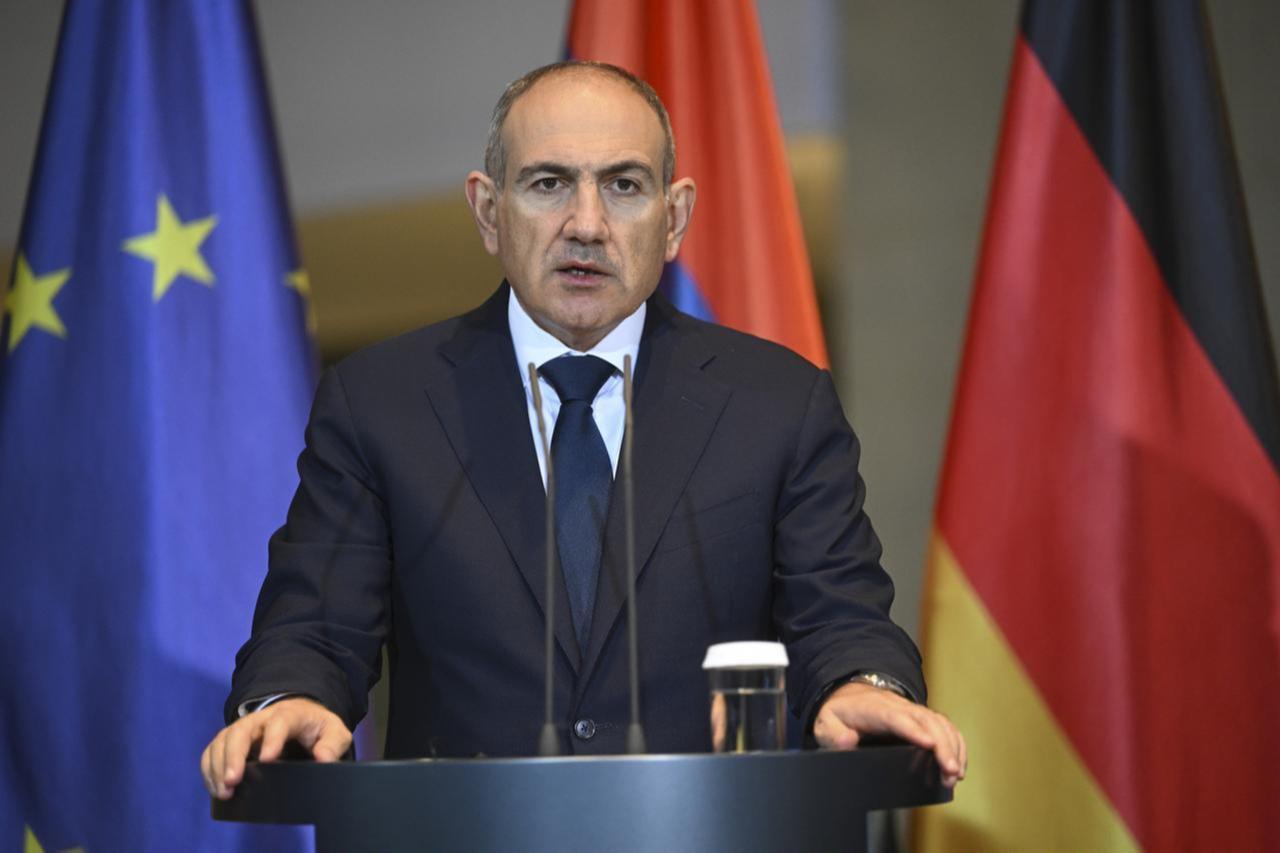
"We are preparing an EU support package. It includes immediate financial assistance, worth over €50 million ($58 million). And more will come," von der Leyen said in a written statement following a conversation with Armenian Prime Minister Nikol Pashinyan.
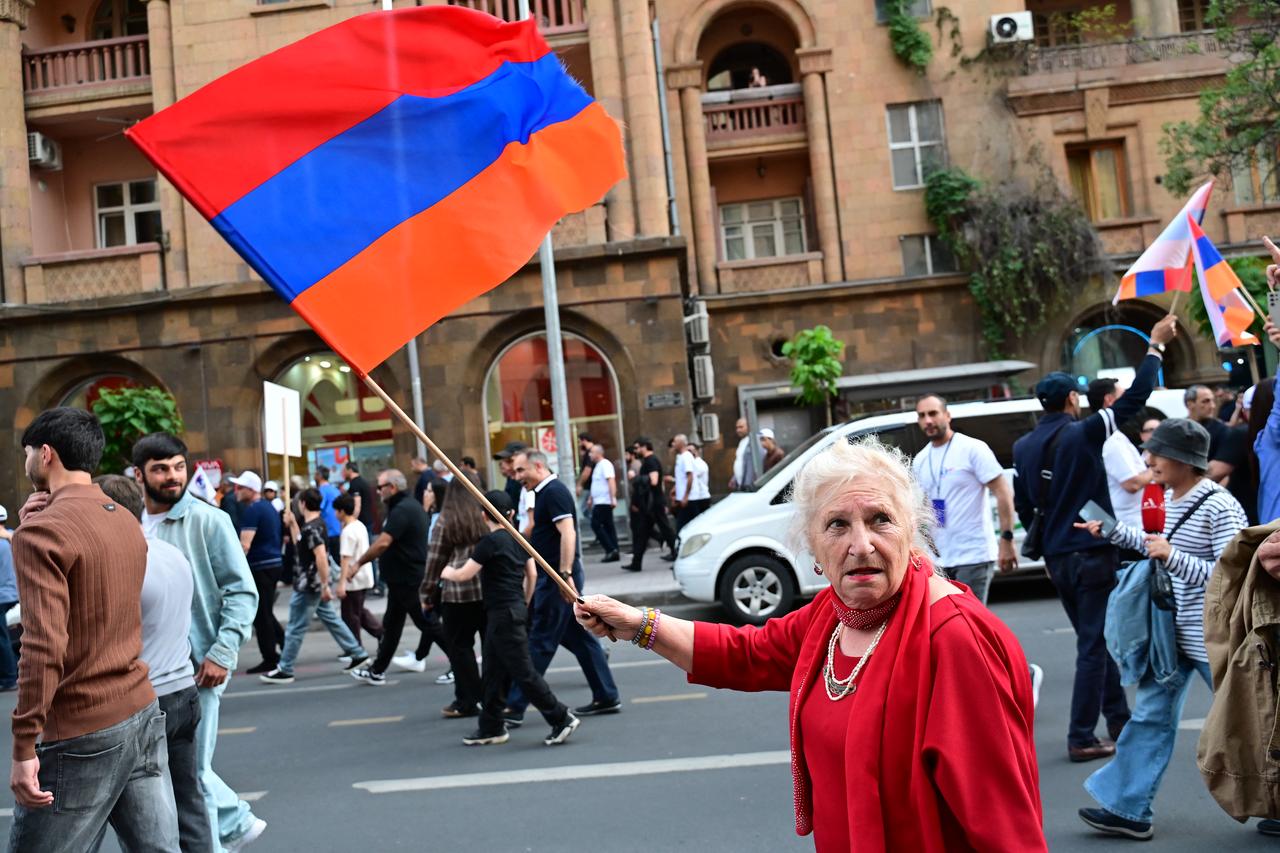
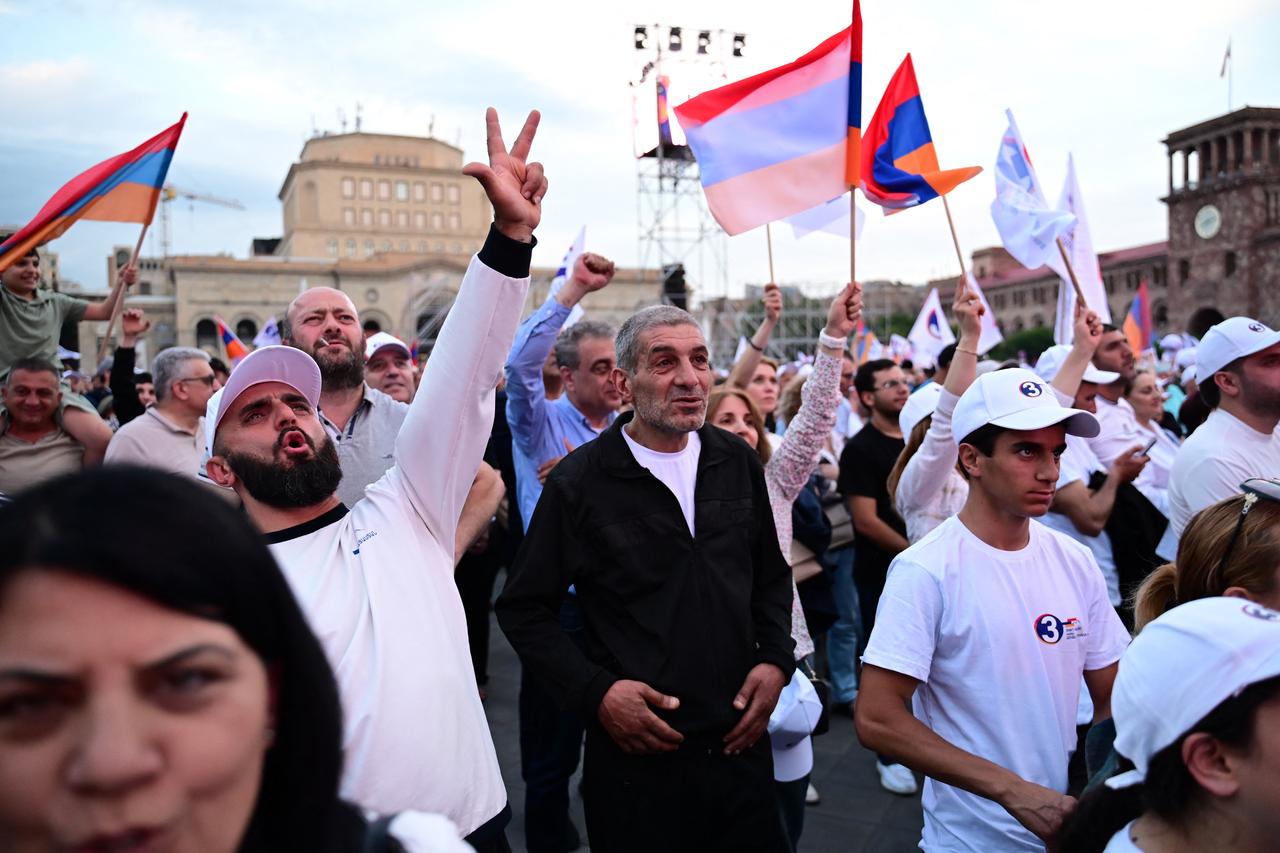
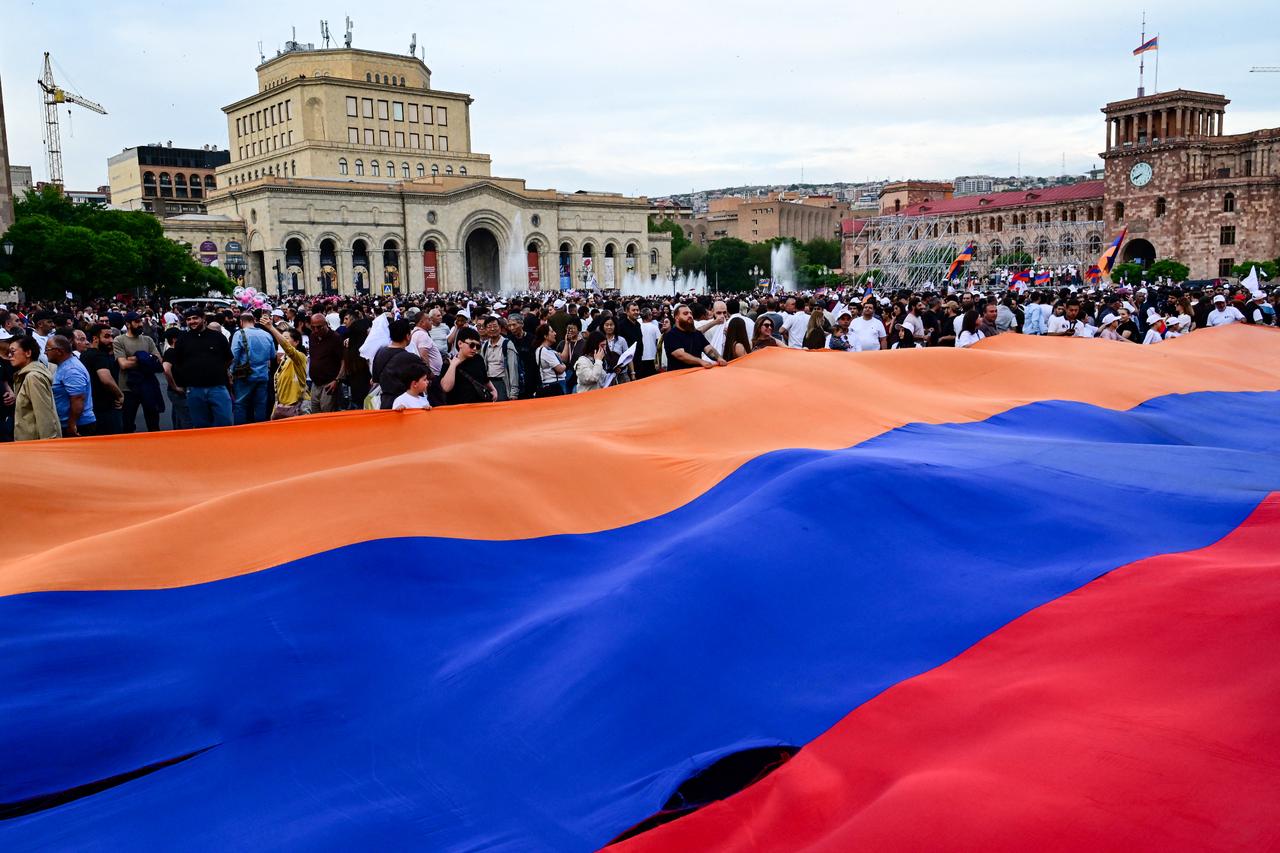
The announcement comes days before Armenians head to the polls in a parliamentary election widely viewed as a test of Pashinyan's efforts to deepen ties with the West and reduce the country's dependence on Russia.

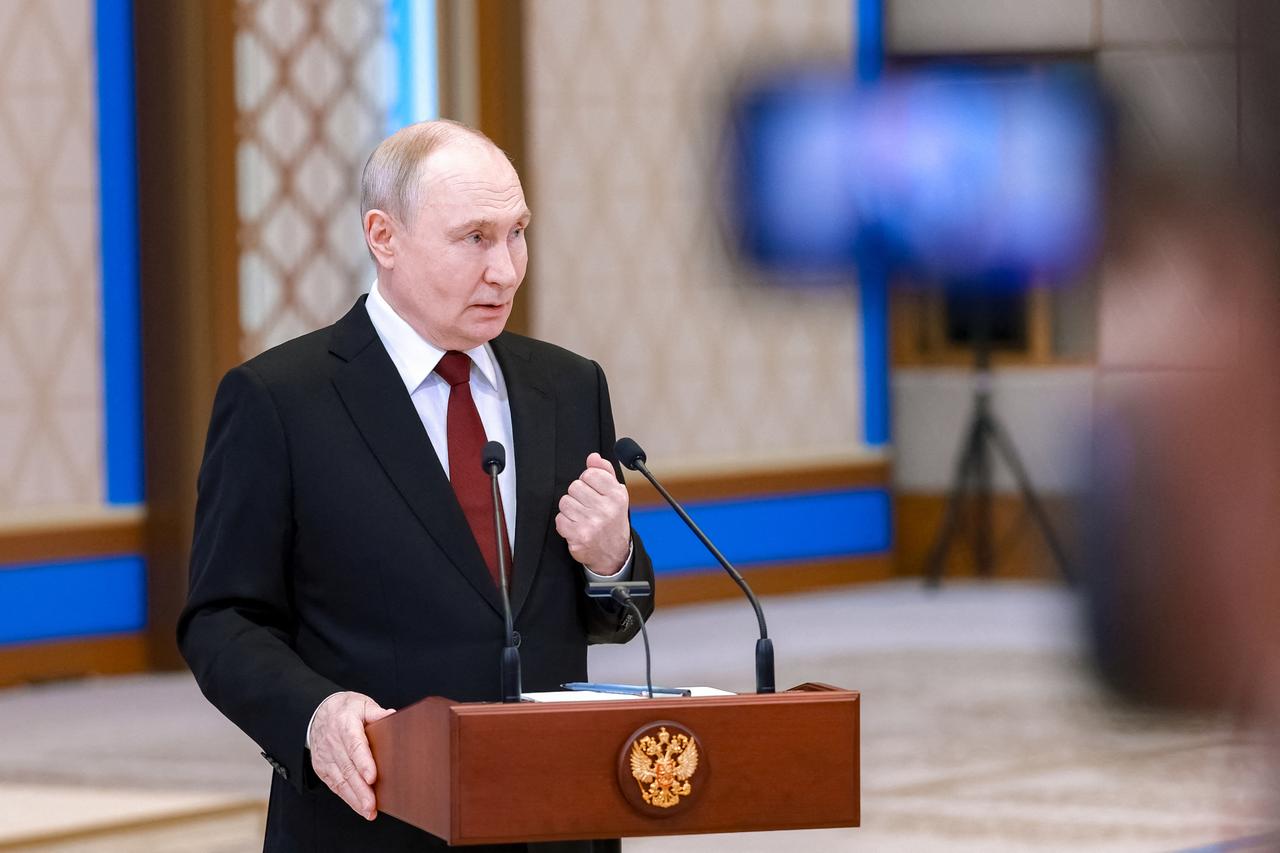
Von der Leyen accused Moscow of using trade restrictions to exert political pressure on Armenia.
"This is nothing short of economic coercion, and it is unacceptable. By extending export restrictions on Armenian products, Moscow is weaponising economic relations for political pressure," she said.
She added that the European Union would help sectors affected by the Russian measures and facilitate alternative export opportunities.
"A shipment of 10,000 flowers is planned to arrive in Latvia tomorrow. Others will follow," von der Leyen said.
She also said the EU had eased trade procedures for Armenian products targeted by Russian restrictions, including flowers.
Von der Leyen said Brussels would continue efforts to strengthen economic links with Armenia in line with commitments made at a recent summit in Yerevan.
"Over the longer term, I expressed Europe's commitment to deliver on the ambitious Connectivity Partnership concluded at the summit. The recent reopening of trade routes with Türkiye, including the railway connection through Georgia and Türkiye, is an excellent step forward," she said.
The European Commission president also announced the creation of a joint EU-Armenia task force to coordinate cooperation across multiple sectors.
"We agreed to establish a joint EU-Armenia task force to ensure effective coordination across all areas of cooperation," she said.
Russia's agricultural watchdog, Rosselkhoznadzor, expanded restrictions on Armenian agricultural products on Monday, citing an increase in violations detected during inspections.
The Federal Service for Veterinary and Phytosanitary Supervision said imports of Armenian grapes, cherries, sweet cherries and apricots had been banned.
The move follows a series of disputes between Moscow and Yerevan as Armenia pursues closer relations with the European Union.
Armenia remains formally allied with Russia but has increasingly sought to diversify its foreign policy following frustration over what it sees as Moscow's failure to protect Armenian interests during conflicts with neighboring Azerbaijan.
The country froze its participation in Russian-led security structures in 2024 and last year adopted legislation declaring its intention to seek eventual membership in the European Union.


 Set as preferred source
 Set as preferred source


 1 min read
 1 min read