Newsletters


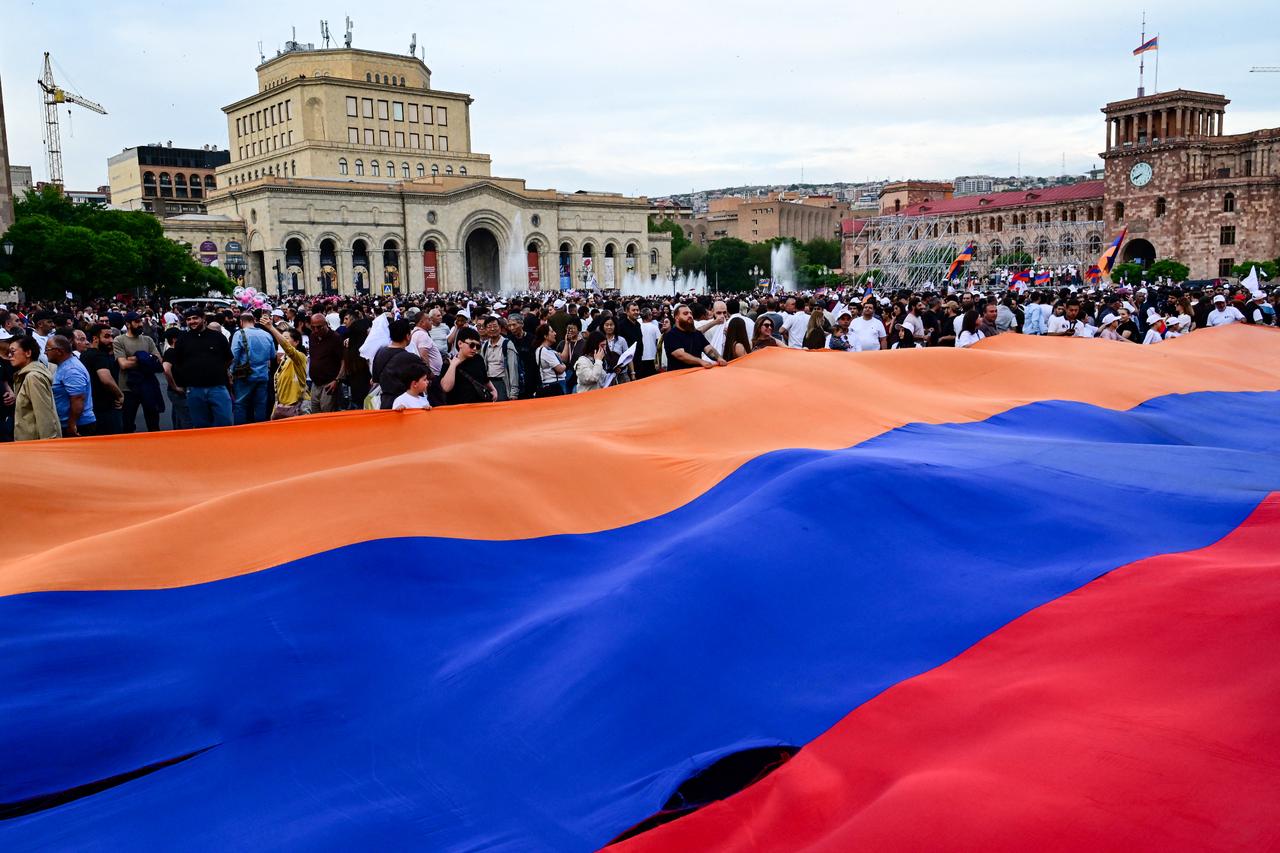


Russia has imposed a rolling series of trade bans on Armenian agricultural products—roses, mineral water, wine, brandy, tomatoes, strawberries, cherries, apricots, grapes, fresh fish, potatoes, and apples, in the weeks before Armenia's June 7 parliamentary election, in an apparent effort to pressure voters against Prime Minister Nikol Pashinyan.
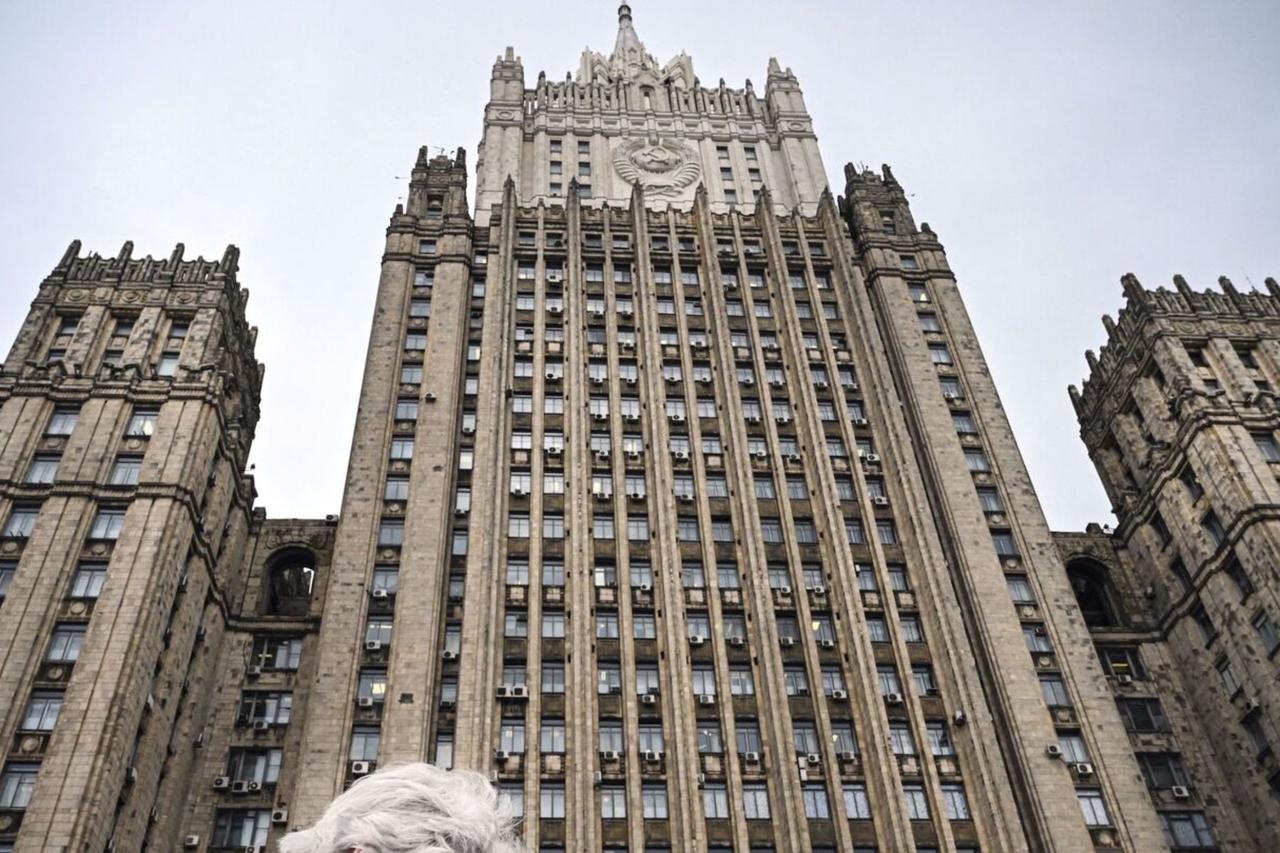
Russian Foreign Ministry spokeswoman Maria Zakharova separately accused the West of approaching Armenia through a logic of "taking and looting" its rare earth resources.
Russia's agricultural watchdog Rosselkhoznadzor framed each ban as a response to phytosanitary violations.
Critics point out the timing.
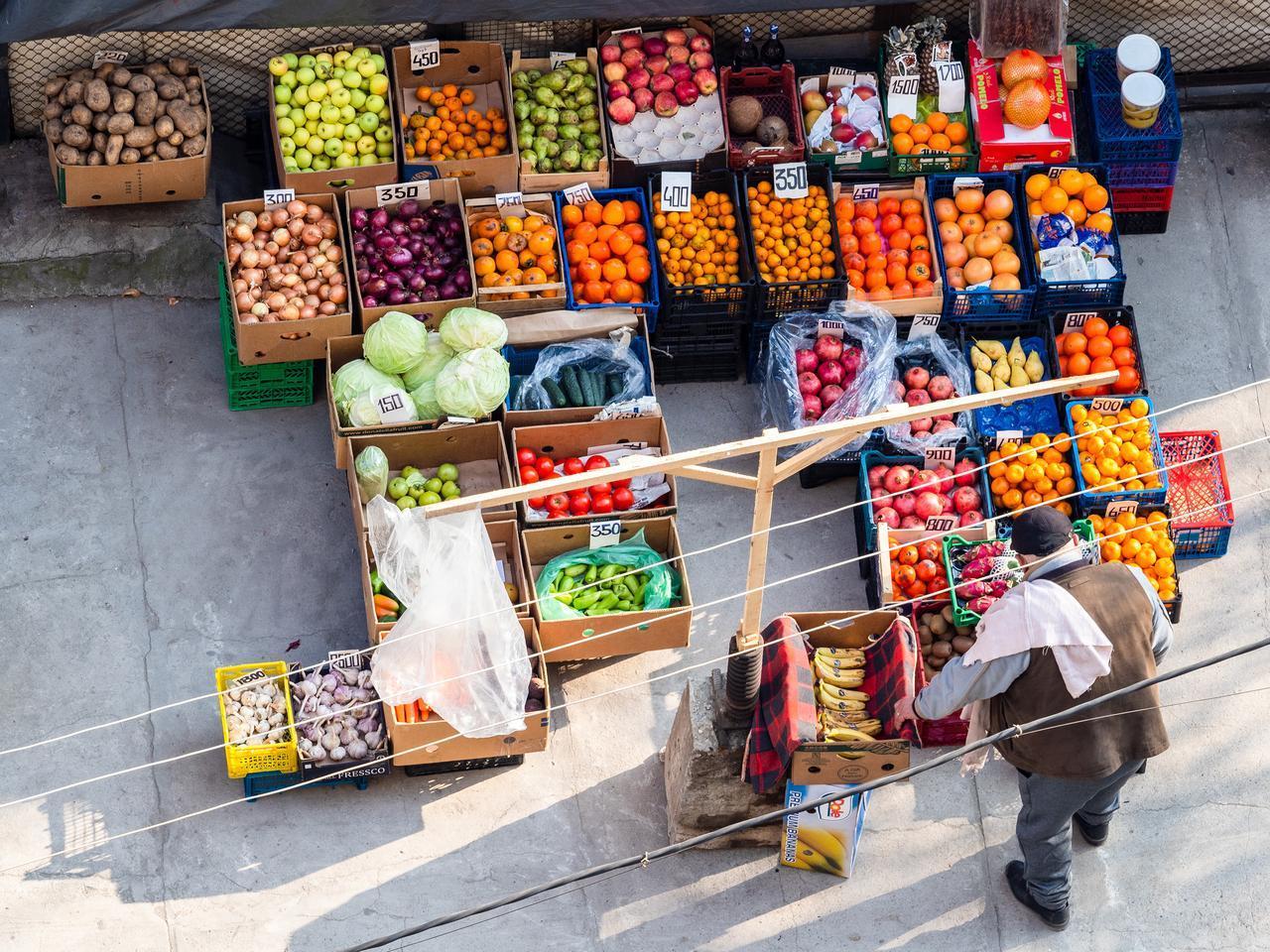

"They found illnesses in Armenian fruits that haven't even started growing yet. They already banned Armenian grapes, while grapes will only be ready in two months. It's only apricot season from July to September, but they have already found some illnesses in apricots too," said Areg Kochinyan, head of the Armenian Council think tank in Yerevan, according to Financial Times (FT).
The sequence of bans began with fresh flowers, followed by Jermuk mineral water, wine, and brandy from three major producers, then tomatoes, peppers, and strawberries, and subsequently cherries, apricots, peaches, fresh fish, potatoes, apples, and dried fruit.
Rosselkhoznadzor said the measures were necessary to protect the phytosanitary safety of Russia and the Eurasian Economic Union, as well as to safeguard state support programs for domestic agriculture.
"Everything that they're doing, everything that they're saying has just one aim: to scare the Armenian voter," Kochinyan said.
French-Armenian entrepreneur Armand Pinarbasi had just harvested his first roses from eight million stems planted in greenhouses outside Yerevan when Russia announced the flower ban.
Russian inspectors visited his greenhouses and found no violations. He remains hopeful exports could restart, but has begun investigating other markets. "It's a good opportunity to investigate other markets, in addition to the Russian market," he said.
Flower sellers at Yerevan's night market are now routing exports through Georgia and Türkiye to reach Bulgaria and Romania instead.
Armenia's geographic situation compounds the pressure. "We are in a catastrophic situation," Kochinyan told the Financial Times.
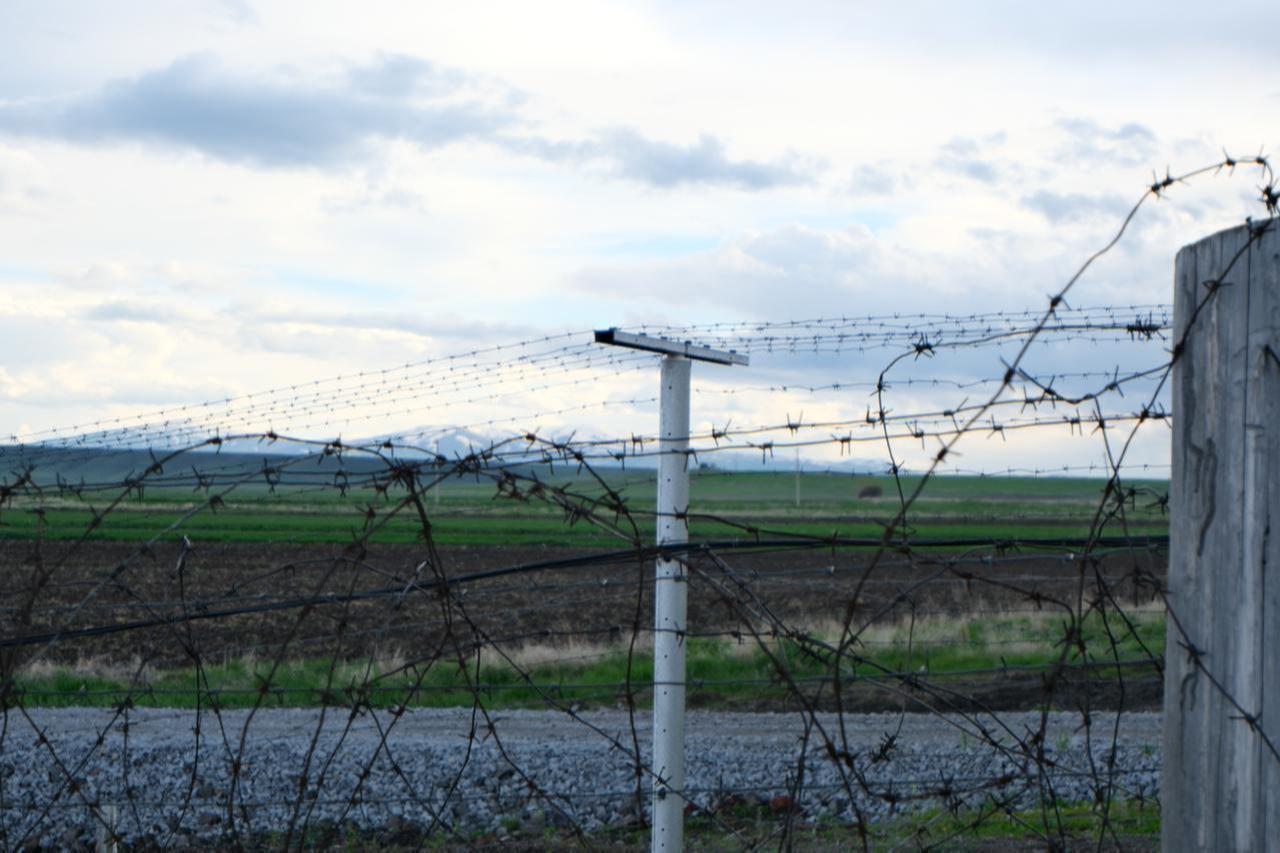
"Our eastern border is shut with Azerbaijan, our western border is shut with Türkiye, our southern border is shut because of the Iran war. That creates very, very dangerous complete isolation. That's the main reason we need an open Turkish border," he noted.
Speaking at the St. Petersburg International Economic Forum, Russian Foreign Ministry spokeswoman Maria Zakharova accused the West and the United States of approaching Armenia through a logic of "taking, looting, appropriating, humiliating and destroying," arguing that Western interest in Armenia was driven by its rare earth resource potential.
She pointed specifically to U.S. State Secretary Marco Rubio's recent visit, noting that no binding bilateral treaties were signed.
"There is an obvious trend toward resource-intensive and rare-earth spheres that the United States is very interested in," Zakharova said.
"No responsibility, but they have staked a claim on what is a genuinely necessary part of future development, given digitalization, high technology and artificial intelligence," the Russian official added.
She contrasted this with what she described as Russia's model of "mutually beneficial, mutually respectful" partnerships and said Russia had offered Yerevan cooperation across energy, trade and tourism that was "not just declarations that remain on paper."


 Set as preferred source
 Set as preferred source


 1 min read
 1 min read