Newsletters


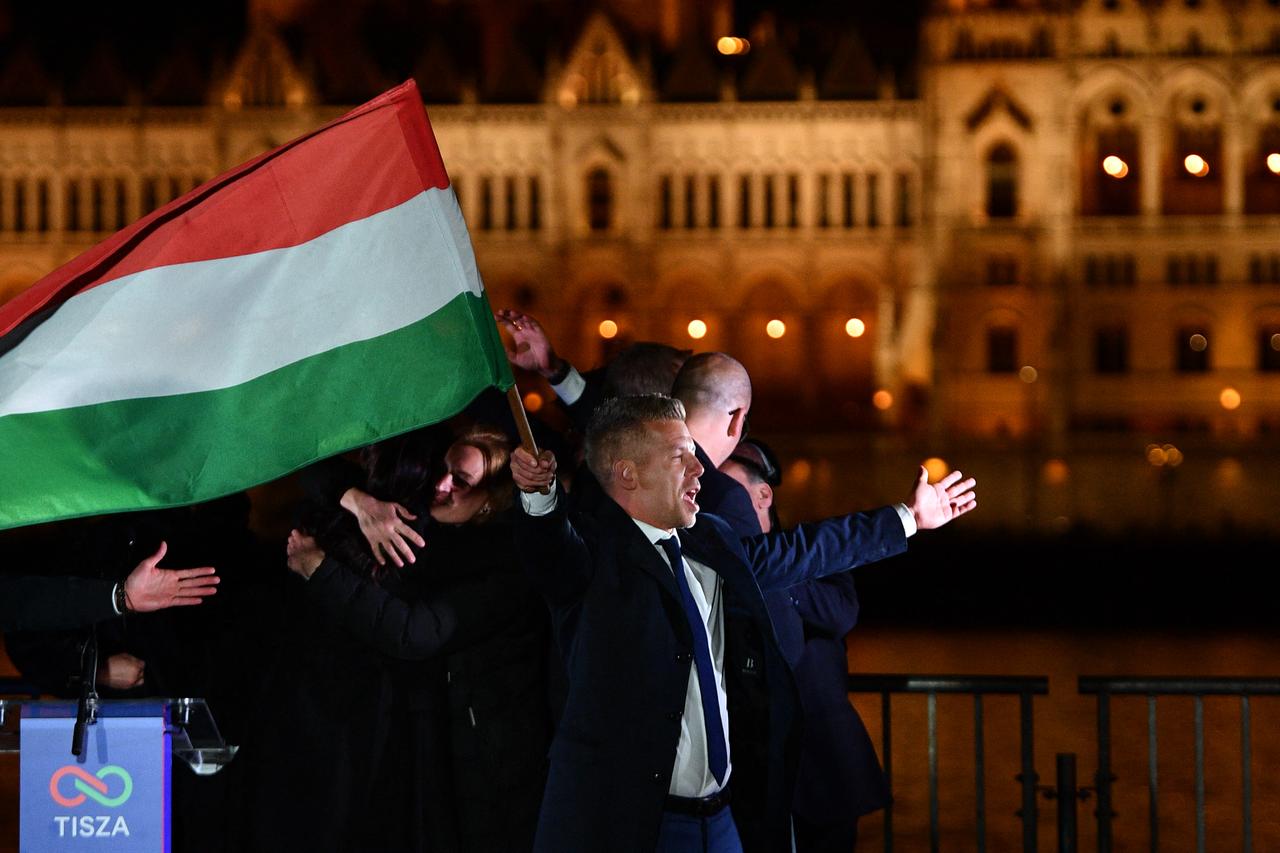


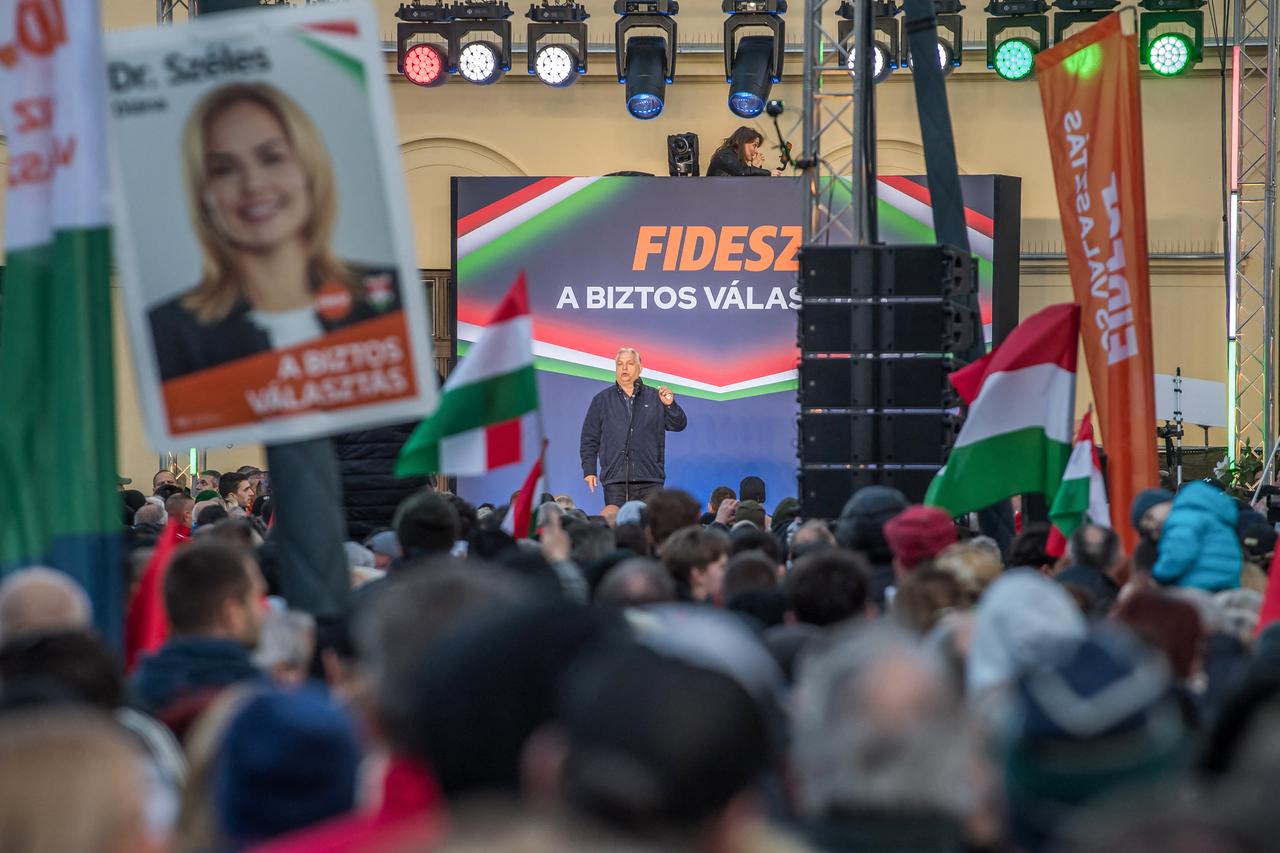
Hungary's opposition leader Peter Magyar secured a historic parliamentary majority Sunday, defeating Prime Minister Viktor Orban in a landslide that European leaders swiftly celebrated as a turning point for democracy on the continent.
With nearly all precincts counted, Magyar's Tisza party captured 138 seats in Hungary's 199-seat parliament on 53.6 percent of the vote. Orban's Fidesz party, which had governed Hungary for 16 uninterrupted years, was reduced to 55 seats with 37.8 percent. Orban conceded defeat following the results.
Whether Tisza's seat count will reach the two-thirds threshold required for major constitutional changes remains unclear, though near-complete tallies suggest it is within reach.
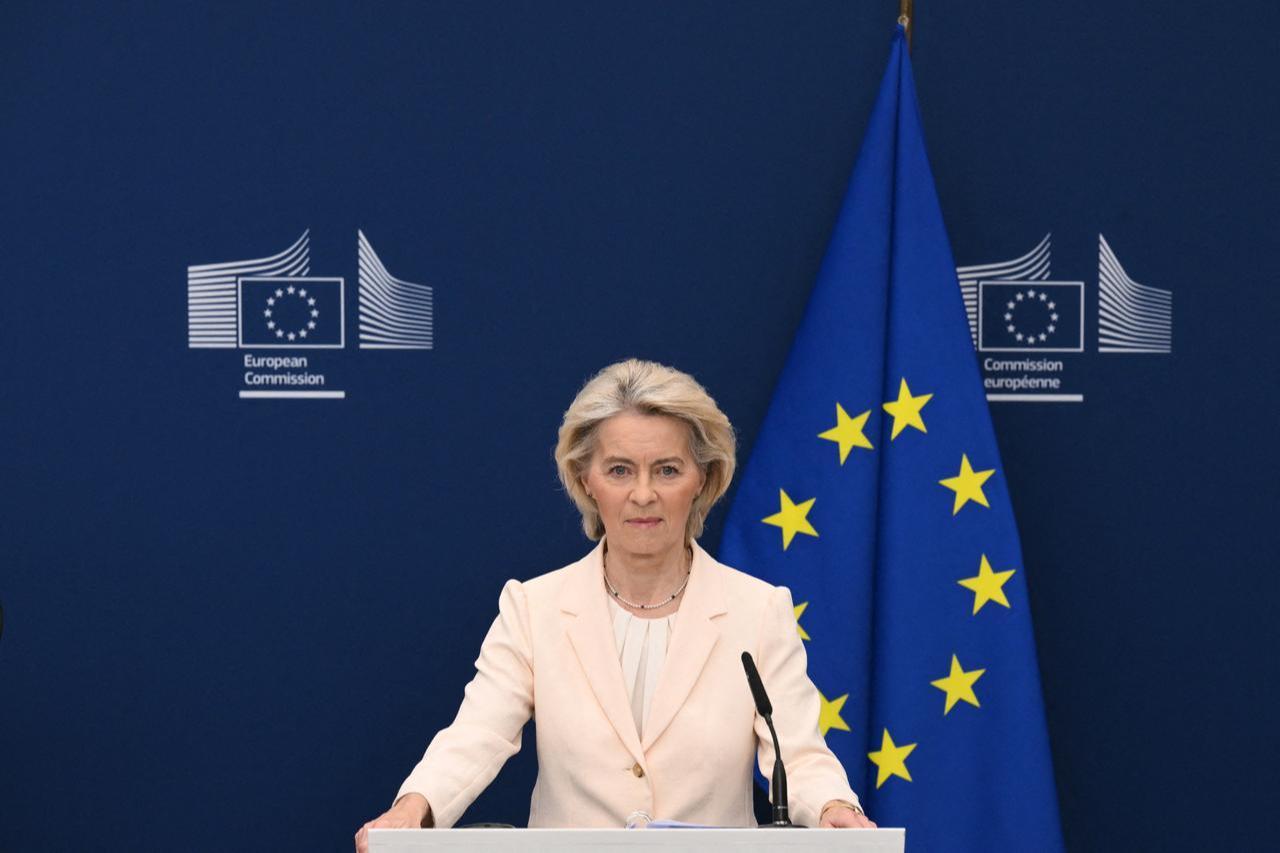

The reaction from European capitals was immediate. European Commission President Ursula von der Leyen was among the first to respond, saying that "Europe's heart is beating stronger in Hungary tonight" and describing the outcome as Hungary reclaiming its European path.
French President Emmanuel Macron said he called Magyar directly to congratulate him, and framed the result as evidence of the Hungarian public's attachment to the European Union.
"France welcomes the victory of democratic participation," Macron wrote on X, calling for joint efforts toward "a more sovereign Europe" centered on security, competitiveness and democracy.
German Chancellor Friedrich Merz offered congratulations and said he was ready to work with Magyar, urging both sides to "join forces for a strong, secure and, above all, united Europe."
European Council President Antonio Costa pointed to high voter turnout as a sign of democratic health, saying that Hungarians "have spoken, and their will is clear."
British Prime Minister Keir Starmer called the result a "historic moment" for European democracy, while Spanish Prime Minister Pedro Sanchez declared that "Europe and European values have won." Polish Prime Minister Donald Tusk, whose own country had its own democratic reckoning in recent years, kept his message brief: "Hungary, Poland, Europe, back together."
Finnish Prime Minister Petteri Orpo said the vote reflected the Hungarian people's "strong will" to remain an active member of both the European Union and NATO. Norwegian Prime Minister Jonas Gahr Store described the outcome as being of "great significance for all of Europe," and said he looked forward to cooperation in advancing peace, stability and the rule of law.
Ukrainian President Volodymyr Zelenskyy said Kyiv was prepared to "advance cooperation" with Hungary under its new leadership. "It is important when constructive approach prevails," he wrote, adding that Ukraine had "always sought good-neighbourly relations with everyone in Europe."
Magyar confirmed he also received a congratulatory call from NATO Secretary General Mark Rutte.
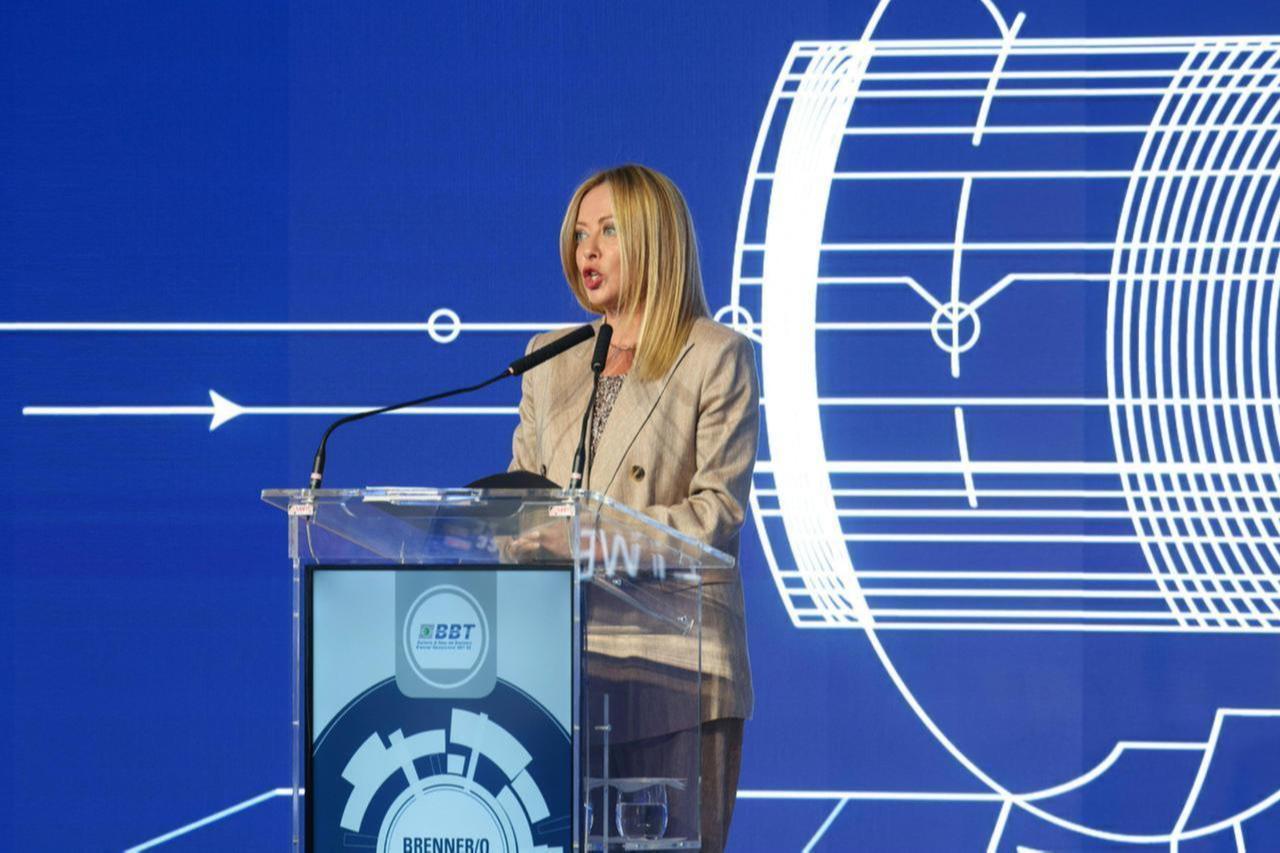
Not all reactions were unqualified celebrations. Italian Prime Minister Giorgia Meloni, a conservative ally of Orban within the European right, congratulated Magyar on his "clear election victory" while also thanking the outgoing prime minister for years of cooperation. She said she was confident Italy and Hungary would continue working together "with a constructive spirit" on shared European and international challenges.
UK Liberal Democrat leader Ed Davey offered a more partisan reading, saying the result demonstrated that "populist extremists can be defeated." French Foreign Minister Jean-Noel Barrot was similarly pointed, saying Hungarians had chosen to "turn the page" on a period he characterized as damaging to the rule of law, fundamental freedoms and European sovereignty. "This election is a powerful lesson," Barrot said, "delivered by the Hungarian people to those who sought to write its history in their place."


 Set as preferred source
 Set as preferred source


 2 min read
 1 min read