

 Newsletters


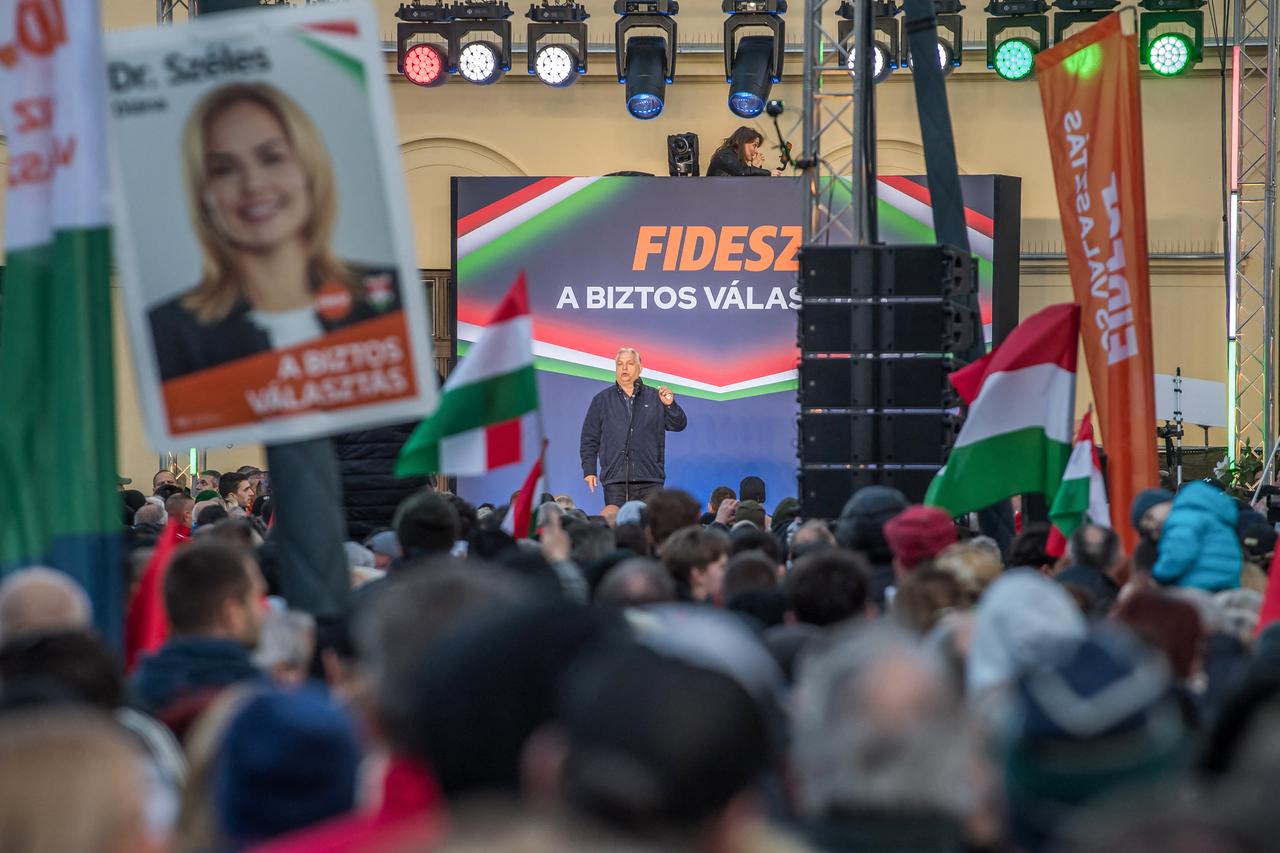


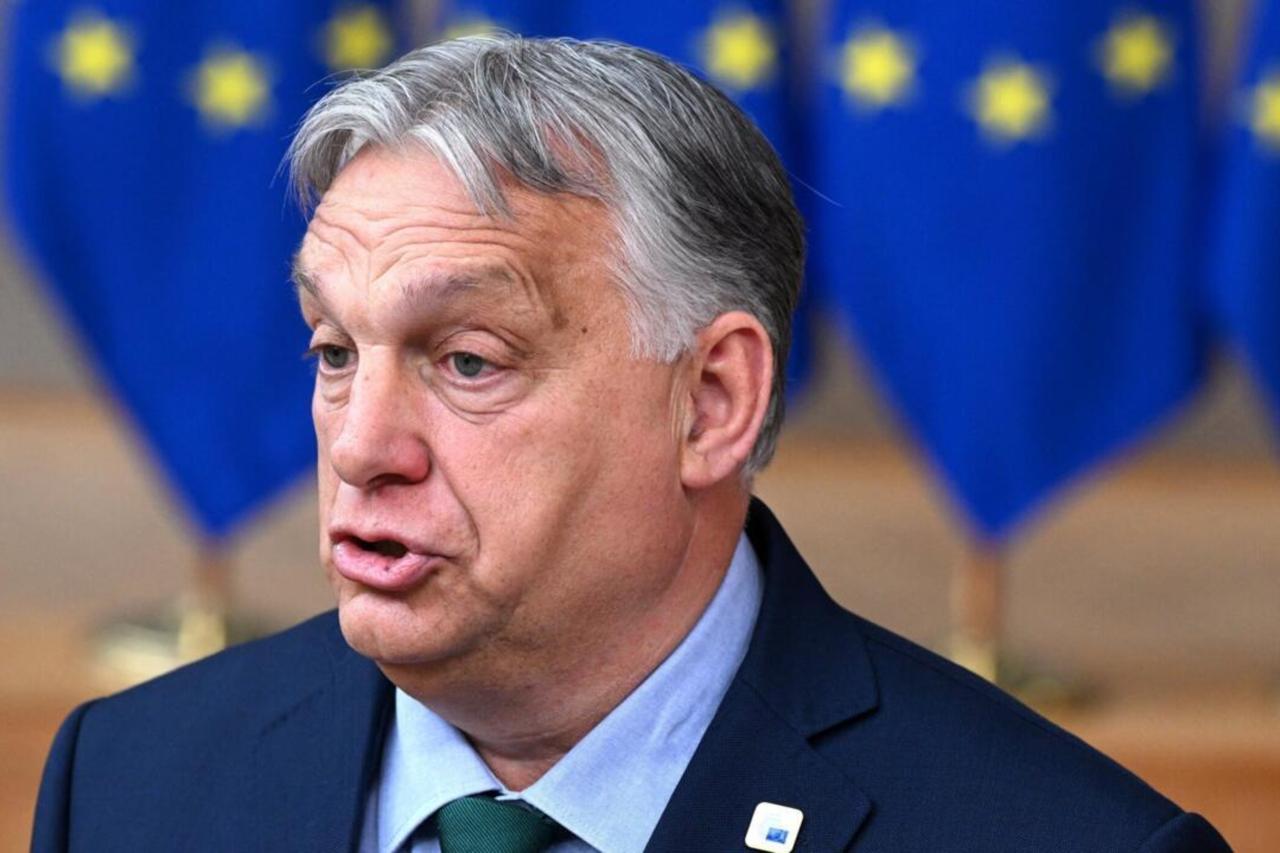
EU member Hungary will hold a closely watched general election on Sunday, the first since nationalist Prime Minister Viktor Orban returned to power in 2010, in which he is not considered the clear favorite.
Surveys from independent pollsters suggest opposition leader Peter Magyar’s conservative Tisza party could be heading for a landslide victory, although pro-government institutions continue to forecast a win for Orban’s Fidesz-KDNP coalition.
A polling compilation by Politico shows Orban’s Fidesz party trailing Tisza by 11 points. Meanwhile, a poll by 21 Research Centre conducted between March 2 and 6 and released on Wednesday showed Tisza leading Fidesz by 14 percentage points among decided voters, down from 16 points in January, according to Reuters.
The survey found Tisza supported by 53% of decided voters, unchanged from January, while Fidesz rose to 39% from 37%. Among all voters, Tisza stood at 38% and Fidesz at 30%.
Based on the poll, Tisza could win 115 seats in Hungary’s 199-seat parliament, while Fidesz could secure 78 seats. The far-right Our Homeland party would be the only other party expected to cross the 5% threshold.
Analysts expect a record turnout of around 75%-80%.
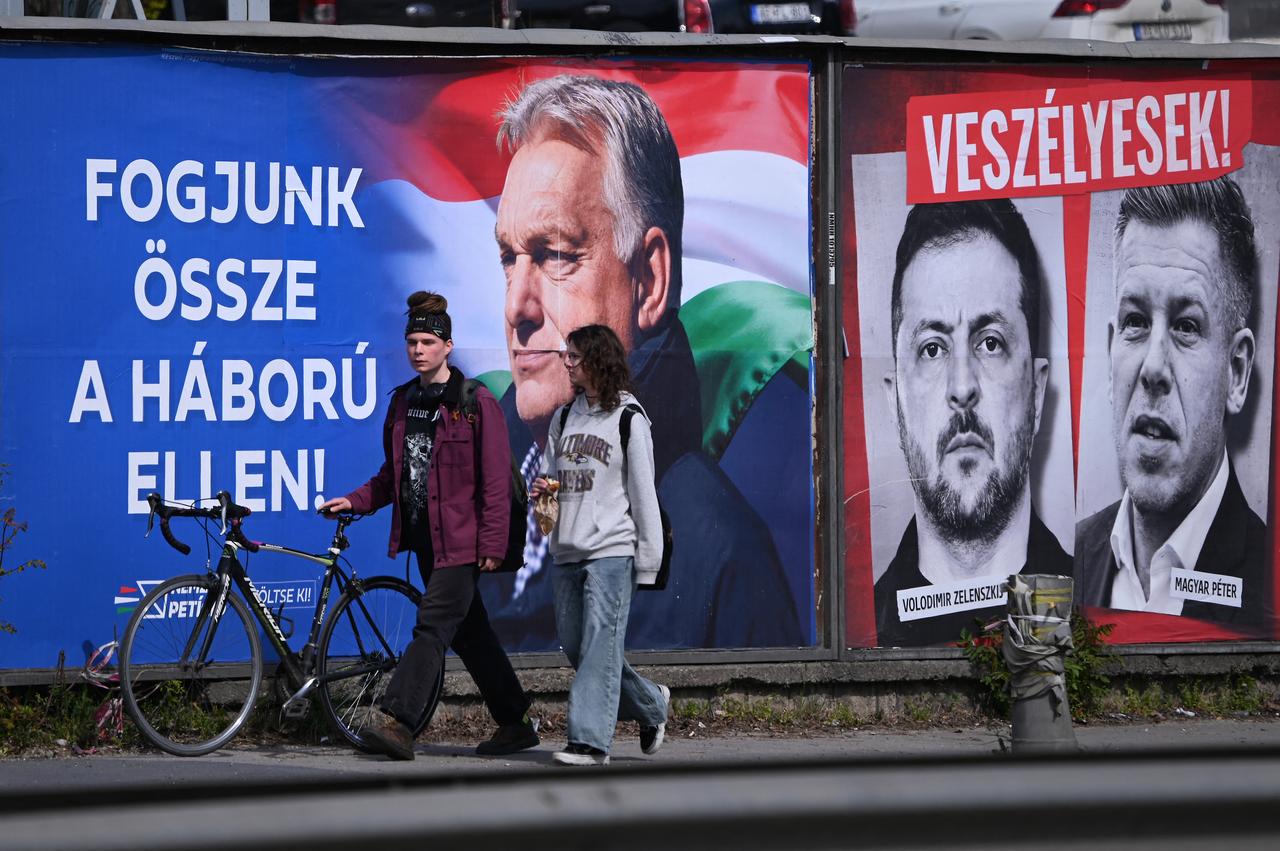

In the lead-up to the April 12 vote, the campaign has been marked by a flurry of accusations and counter-accusations.
Domestic intelligence was accused of trying to sabotage Tisza, leaked phone conversations raised concerns over the Foreign Minister's ties to Moscow, and Orban ramped up rhetoric against Ukraine.
Allegations of Russian interference and mass vote-buying efforts have also surfaced.
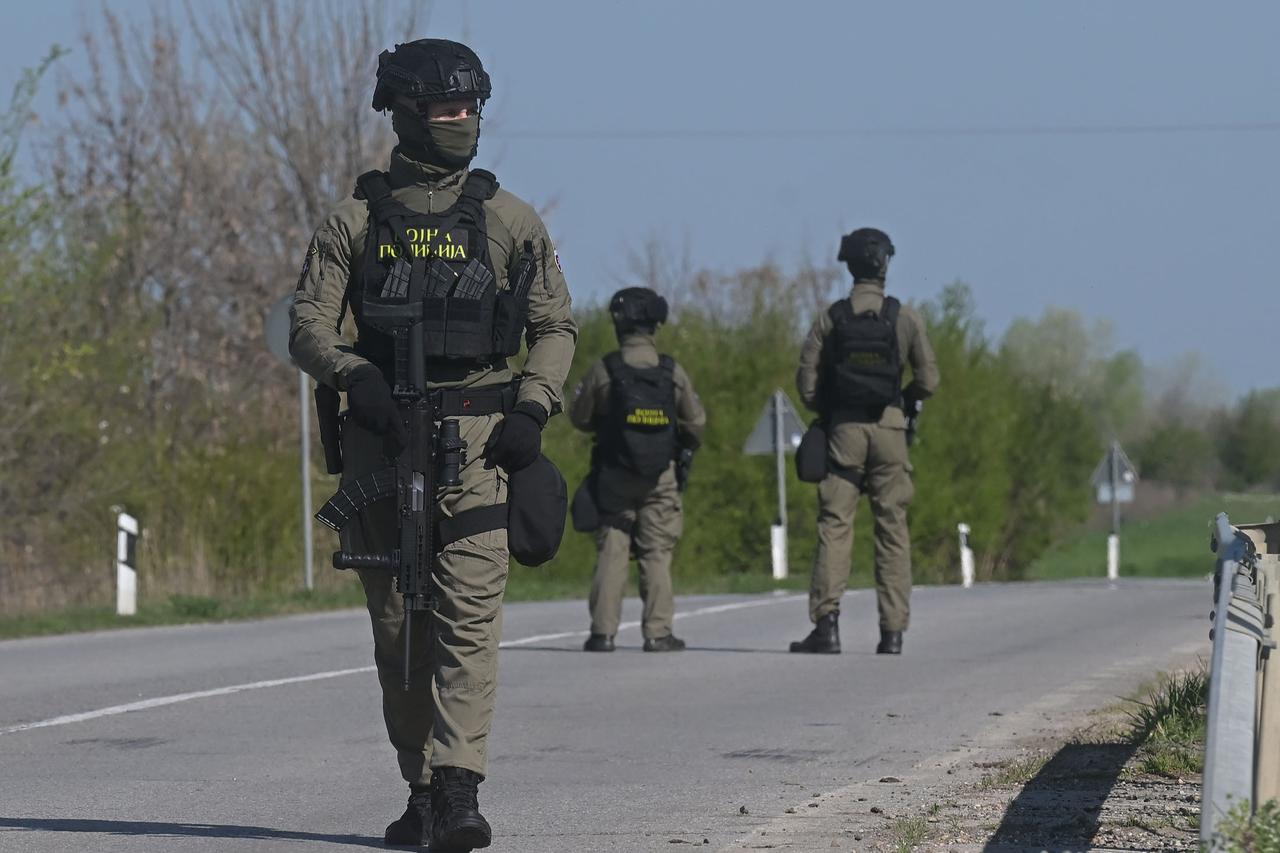
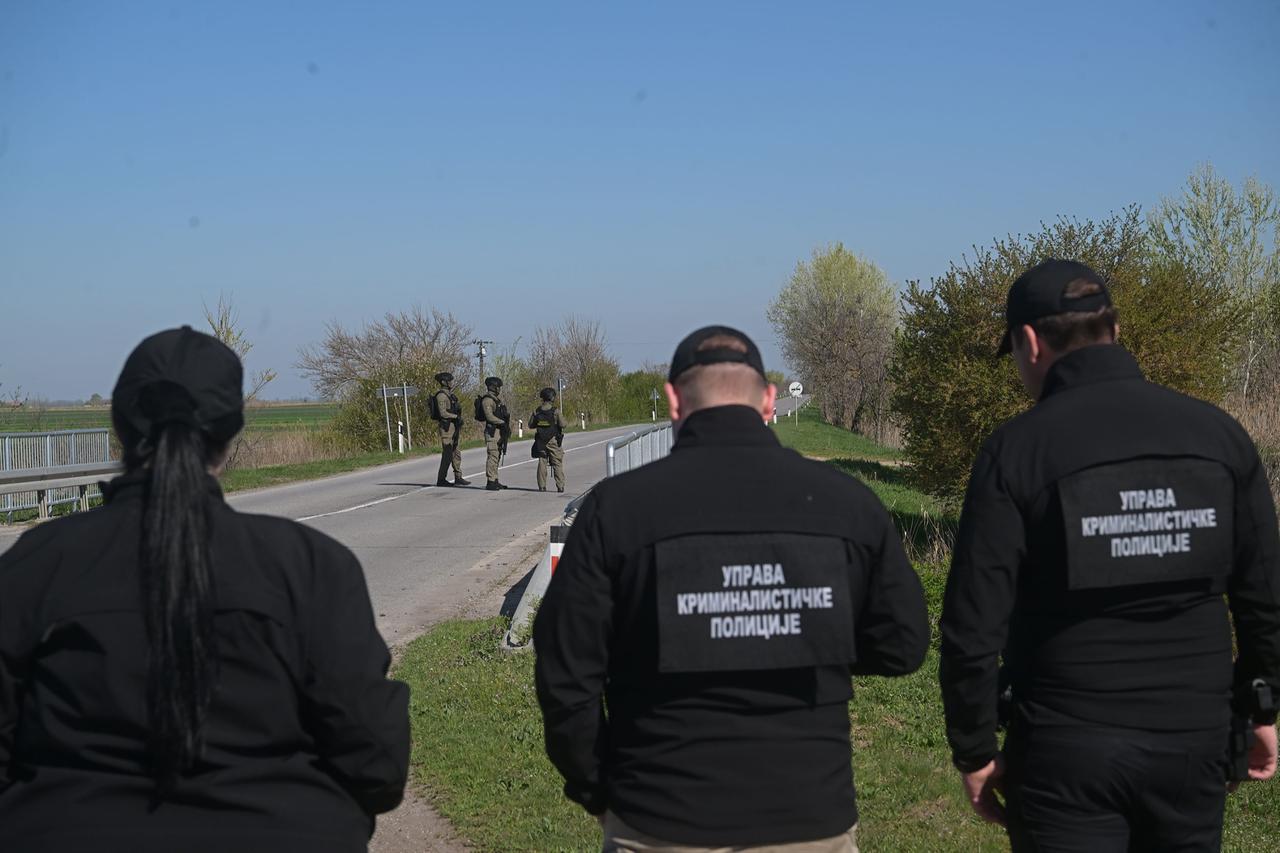
On Sunday, after Orban called an emergency meeting following Serbia’s announcement that explosives had been found near a key gas pipeline to Hungary, Magyar suggested the incident might be a “false flag” operation.
The election is drawing international attention because Orban carries “disproportionate importance” globally, Jacques Rupnik, a specialist in Central and Eastern European politics at Sciences Po in Paris, told Agence France-Presse (AFP).
The nationalist leader, close to Russia, China and the United States under President Donald Trump, has repeatedly paralyzed EU foreign policymaking by wielding Hungary’s veto power.
Trump on Friday said his administration is prepared to aid Hungary economically if Orban wins re-election.
“My Administration stands ready to use the full economic might of the United States to strengthen Hungary’s economy, as we have done for our great allies in the past, if Prime Minister Viktor Orbán and the Hungarian people ever need it,” Trump wrote on Truth Social.
“We are excited to invest in the future prosperity that will be generated by Orbán’s continued leadership!” he added.
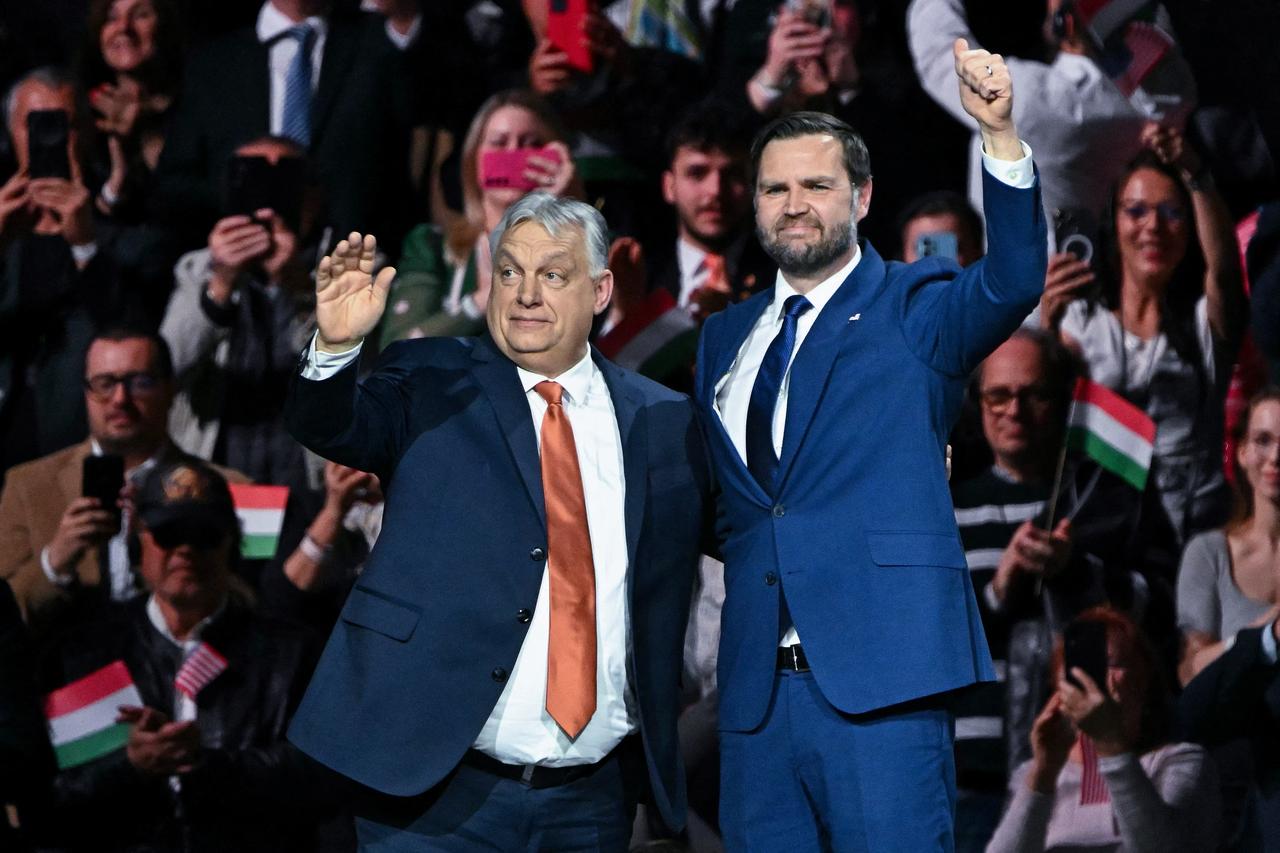
U.S. Vice President JD Vance also visited Hungary this week, met with Orban, and accused the EU of punishing Hungary for its leadership choices.
He called Brussels’ conduct “one of the worst examples of foreign and election interference that I've ever seen.”
“I won't tell the people of Hungary how to vote. I would encourage the bureaucrats in Brussels to do the exact same thing,” Vance said.
While Orban’s popularity has waned during his latest four-year term amid economic stagnation and scandals, he has sought to present himself as the “safe choice” in an unstable world.
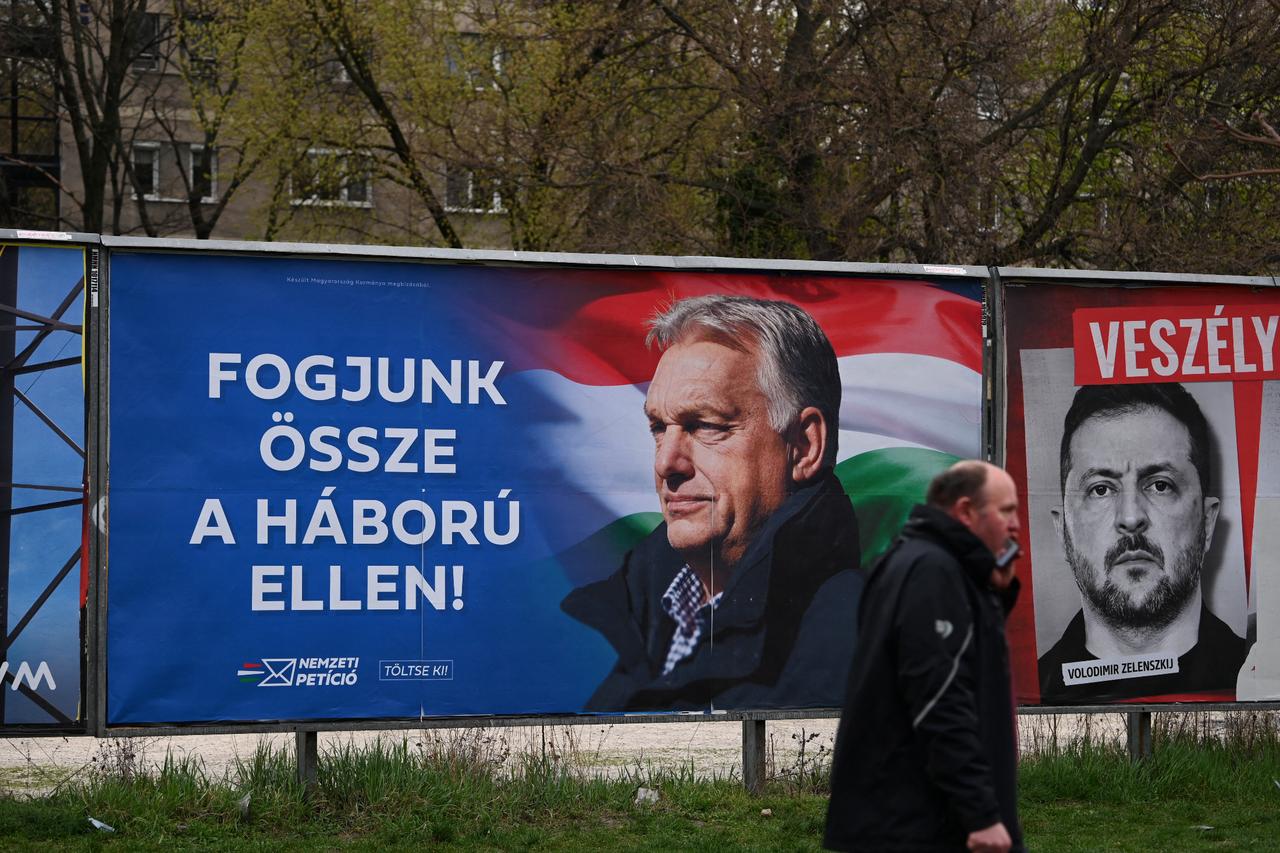
His campaign has focused heavily on neighboring Ukraine, accusing Magyar of being a puppet of Kyiv and Brussels and warning that the opposition would drag Hungary into war.
Analysts say, however, that unlike previous elections, the governing coalition has struggled to dictate the campaign agenda.
“They face a highly effective opposition that forced the complacent ruling party and its leader not only to compete but also to defend themselves,” political analyst Peter Farkas Zarug told Agence France-Presse (AFP).
Magyar has pledged “system change,” promising anti-corruption reforms, improved public services, and the rebuilding of democratic institutions.
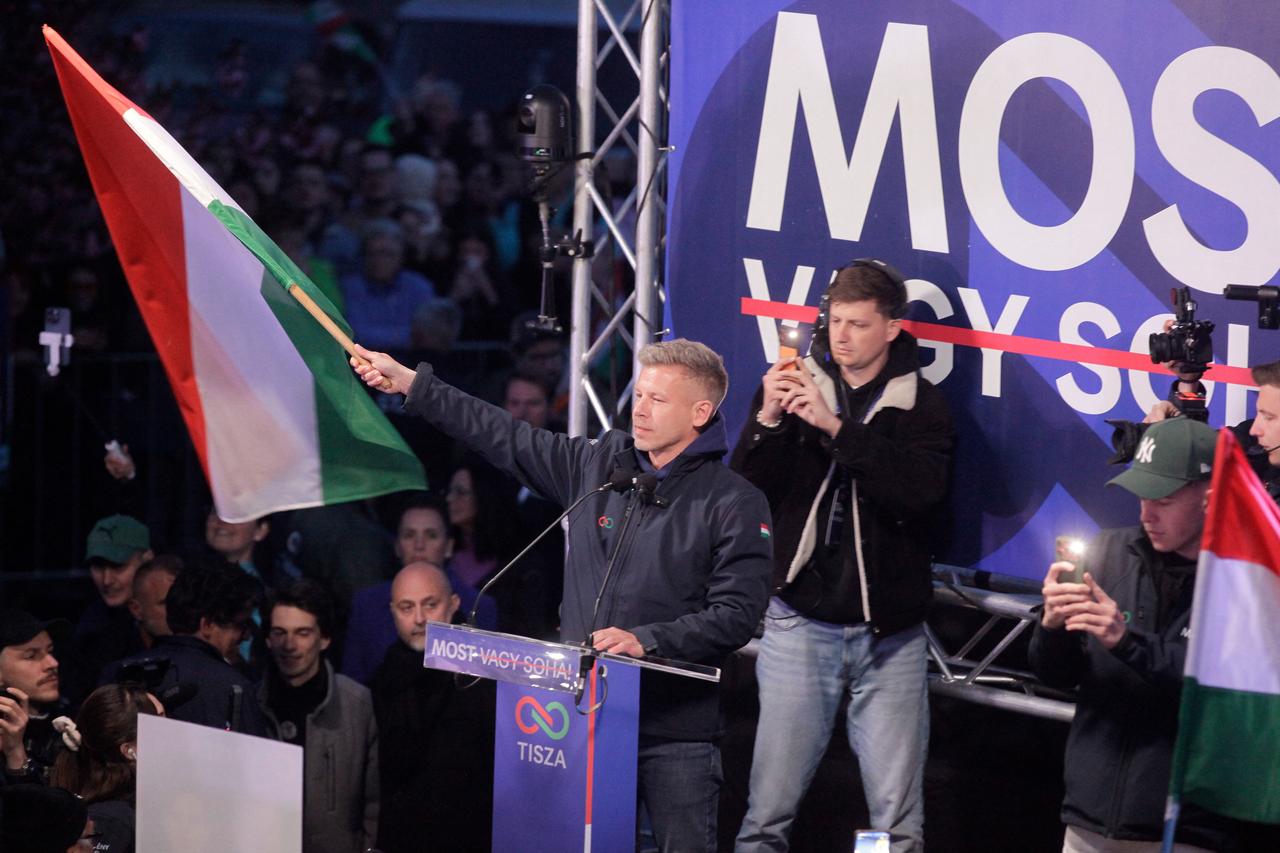
The 45-year-old former government insider has campaigned across the country continuously since mid-February, holding four to six rallies per day under the slogan “Now or never.”
Orban, 62, has held fewer appearances and was recently met with boos from protesters.
Few tears would be shed in Brussels if Orban loses, diplomats told AFP, after years of clashes over rule-of-law concerns and Ukraine and Russia policy.
“Most member states would be quite happy to be rid of Orban,” one European diplomat said. “The patience has worn very thin.”
Still, analysts caution that a Magyar victory may not dramatically transform Hungary-EU relations. Like Orban, Magyar opposes sending arms to Ukraine and rejects Kyiv’s rapid EU accession.
“He’s not a liberal Democrat from Sweden,” one diplomat quipped, describing him as “Orban minus corruption.”
Reuters also reported that sophisticated online operators have spread coordinated pro-Orban messaging on Telegram ahead of the vote.
According to data analytics firm Vox Harbor, Russian or Russia-affiliated actors account for a significant share of pro-Orban content disseminated through the platform.
Around 20,000 people attended Magyar’s rally in Gyor on Thursday, according to AFP.
“Give change a chance,” Magyar told supporters.
Meanwhile, around 2,000 Orban supporters gathered in Debrecen, where the prime minister urged voters not to “put everything at risk.”
“It would be really bad for Hungary if Tisza wins,” supporter Attila Szoke told AFP. “I don't trust Magyar.”
Counter-protesters greeted Orban supporters with chants of “Russians go home,” referencing his ties to Russian President Vladimir Putin.
 2 min read
Hungarians will vote Sunday for local candidates and party lists.
Only five parties will appear on the ballot — the fewest since Hungary’s democratization in 1990 — after several stood down to bolster the opposition.
In addition to Fidesz and Tisza, the far-right Our Homeland party is expected to win seats in parliament.


 Set as preferred source
 Set as preferred source


 1 min read


