Newsletters


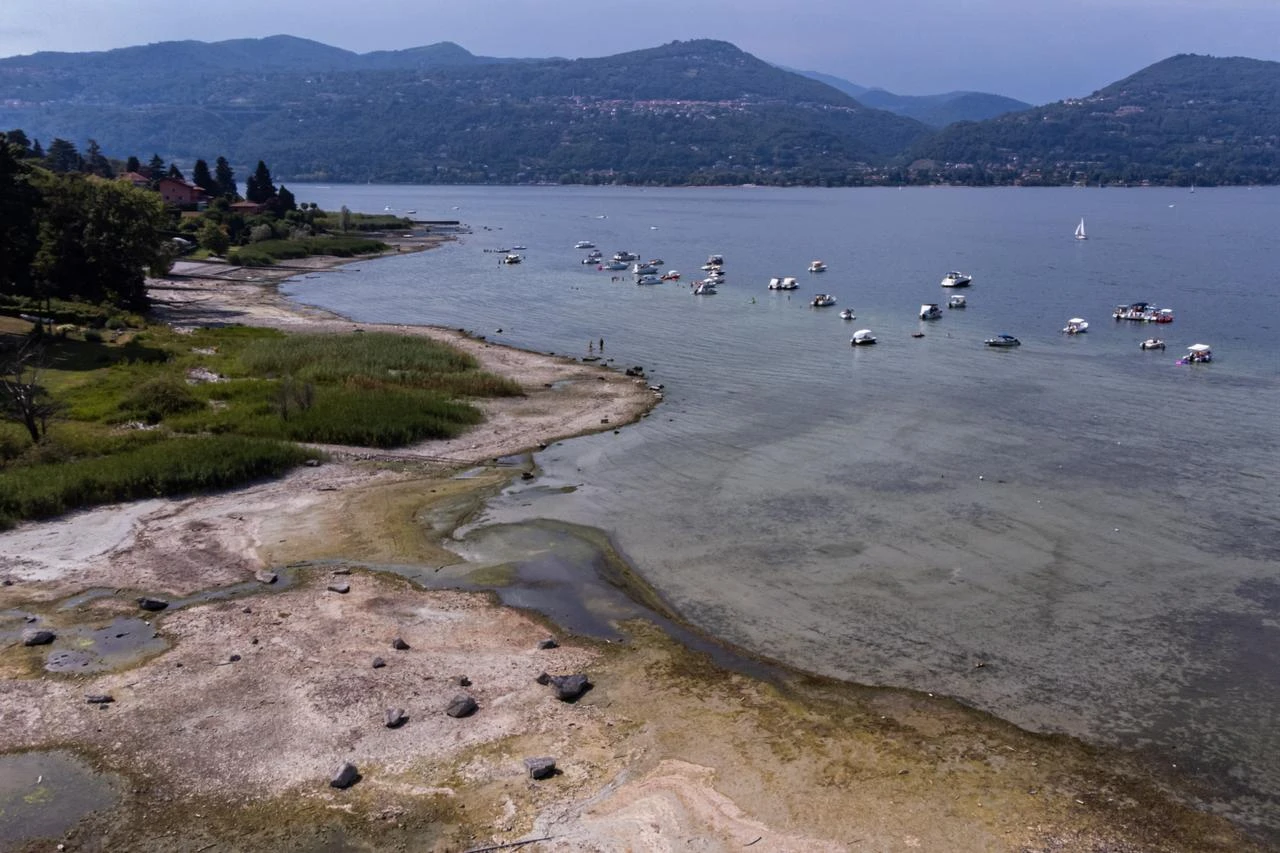


Data released Monday by a European climate observatory showed that major European rivers, including the Rhine, Rhone and Danube, have fallen to their lowest July flow levels on record.
Record-low average flow rates were observed along 95% of the monitored portions of the Thames, 85% of the Rhine and some two-thirds of the Danube, Europe's second-longest river, according to an Agence France-Presse (AFP) analysis of data relayed by Copernicus, the European Union's Earth observation program.
Those represent the weakest discharge levels for July since at least 1992, when the European Flood Awareness System (EFAS) first began taking such measurements. The Rhone likewise saw record lows on some 30% of its length, as did the Po, Italy's main river, along some 40% of its course.
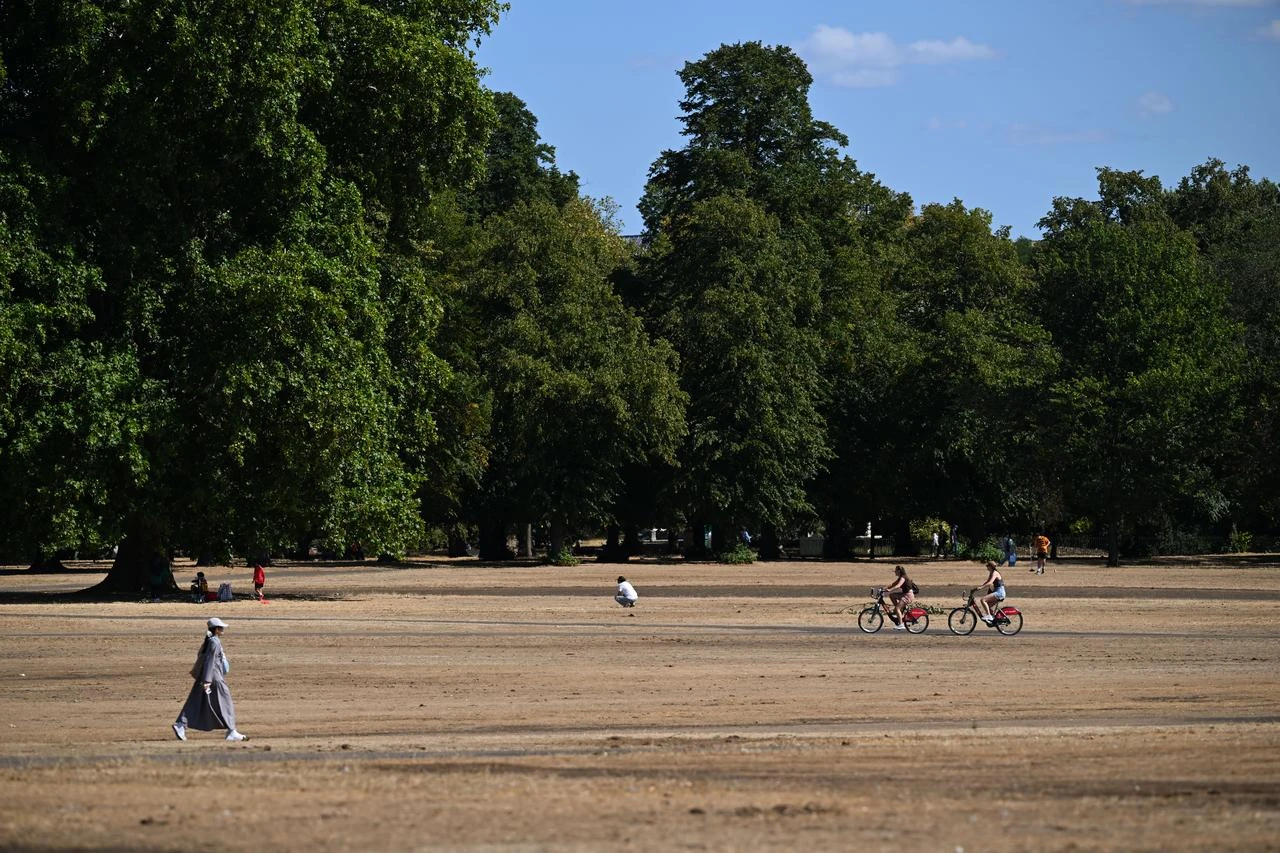
The drastic drop in water levels comes as western Europe baked under its warmest early summer in recorded history, marked by repeated heatwaves, persistent drought and devastating forest fires which scientists have directly linked to climate change.
EFAS data makes it possible to track changes in water flow when rivers are wide enough, including in areas without measuring stations. The figures for the above rivers begin around several dozen kilometers downstream from their sources.
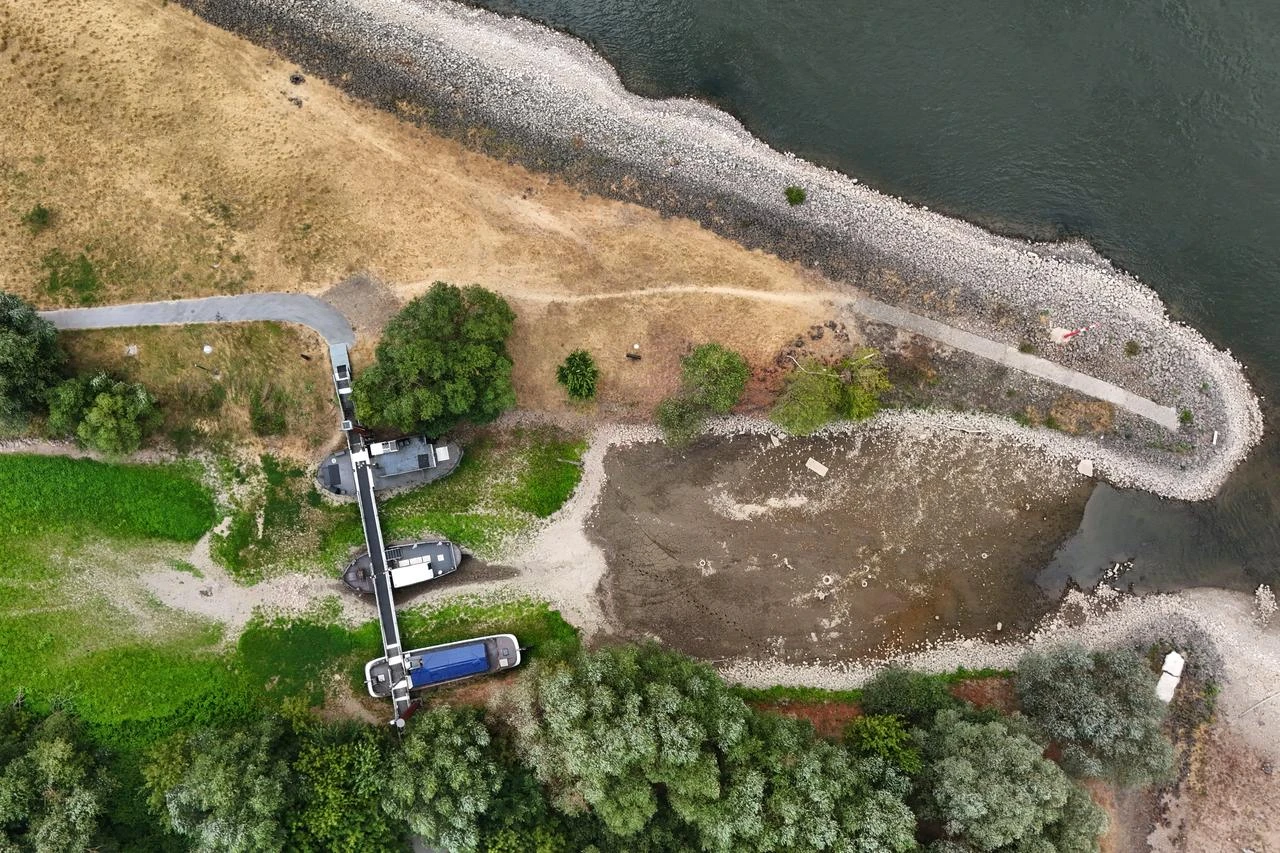

Another drought indicator, published every 10 days by the European Drought Observatory (EDO), likewise underlines the worrying state of Europe's waterways this summer.
The EDO compares observed flow rates with historical data, then classifies them according to the severity of drying, from moderate deficit to the most severe drought.
Data collected by AFP shows that the Rhine has been in the most severe level of drought almost continuously since early June along much of its course, from the Swiss mountains to western Germany.
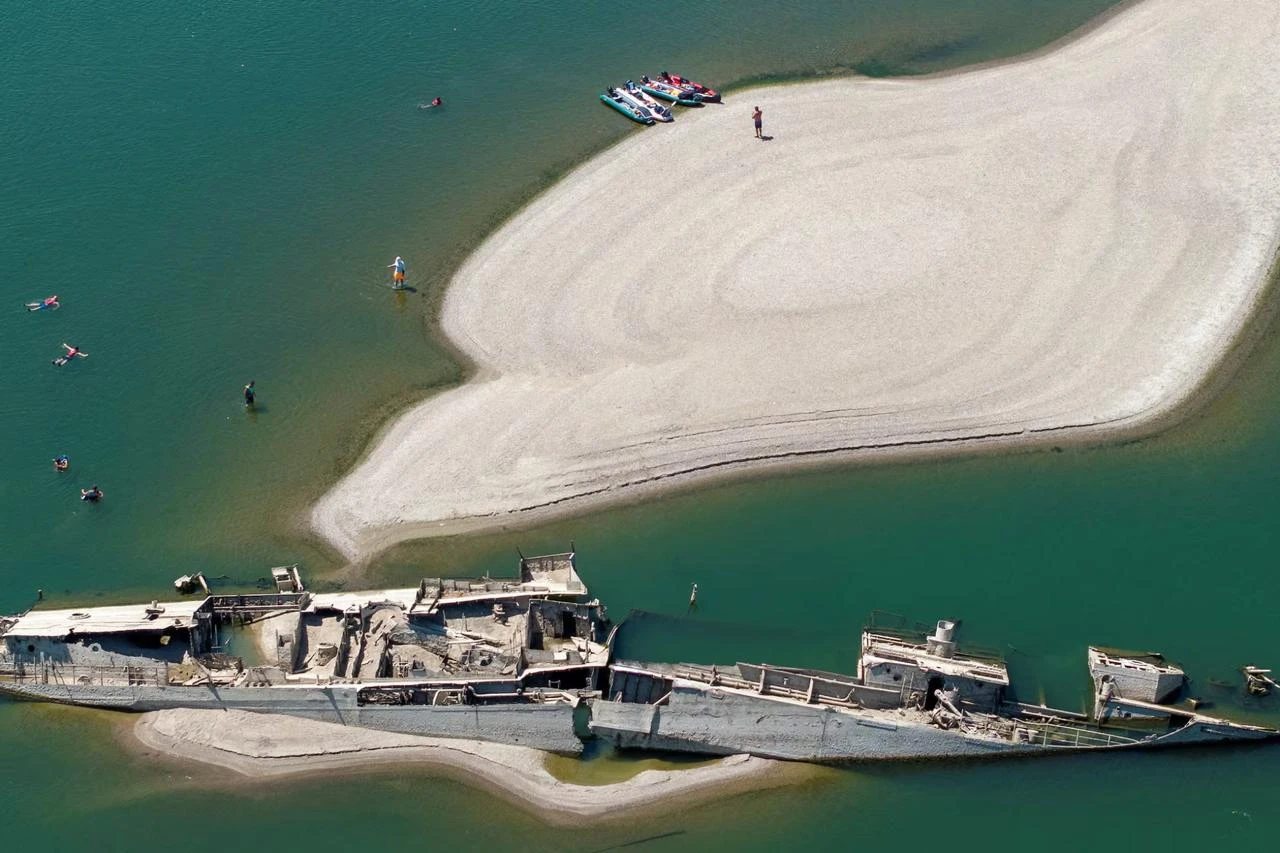
The Danube was also hit, especially across the Hungarian portion. The river's drying nearly forced the Hungarian government to shut down the country's only nuclear power plant, as it relies on the Danube's waters to cool down its atomic reactor.
In France, several hundred kilometers of the Loire displayed extremely low flow rates between the second half of June and the end of July. The Rhone likewise suffered extreme drought along a large part of its course from Switzerland to the Mediterranean.


 Set as preferred source
 Set as preferred source


 1 min read

 1 min read