Newsletters


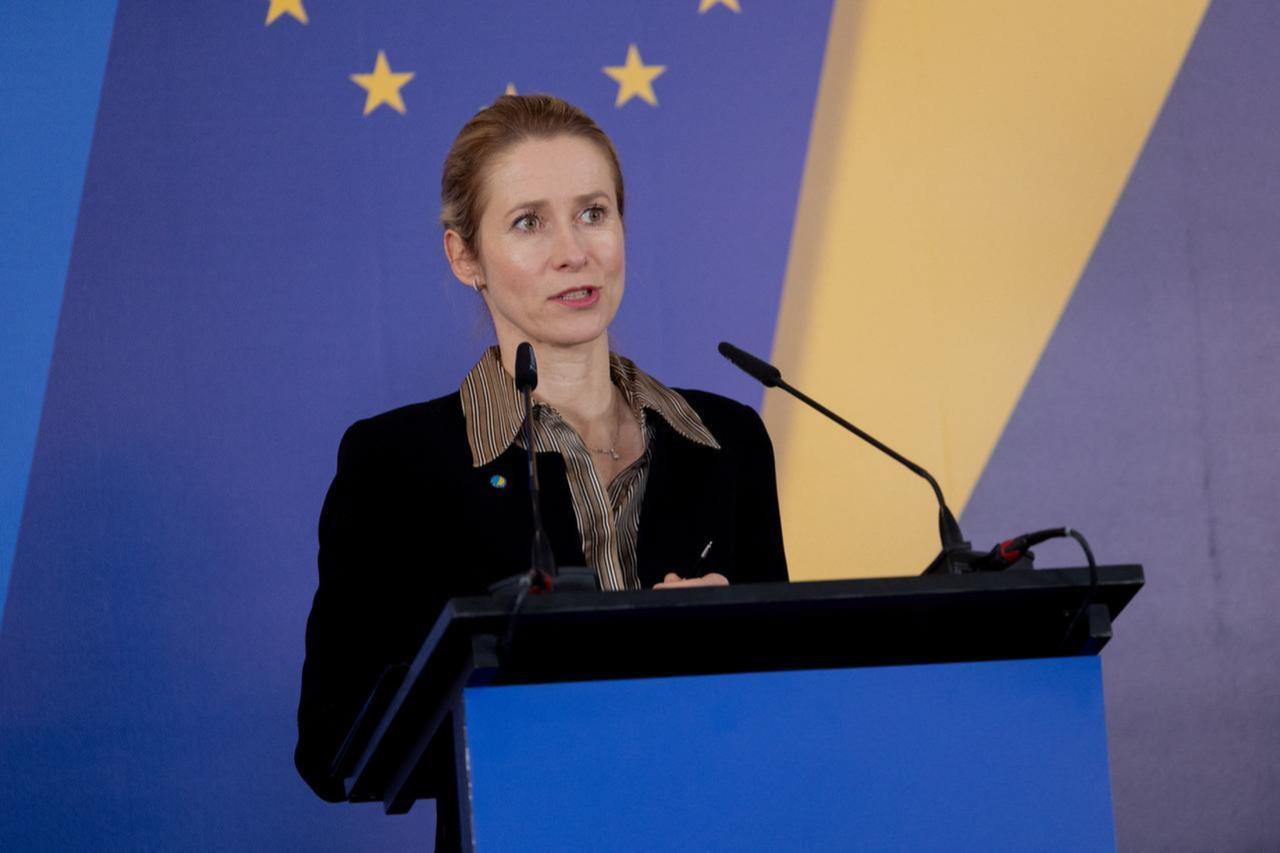


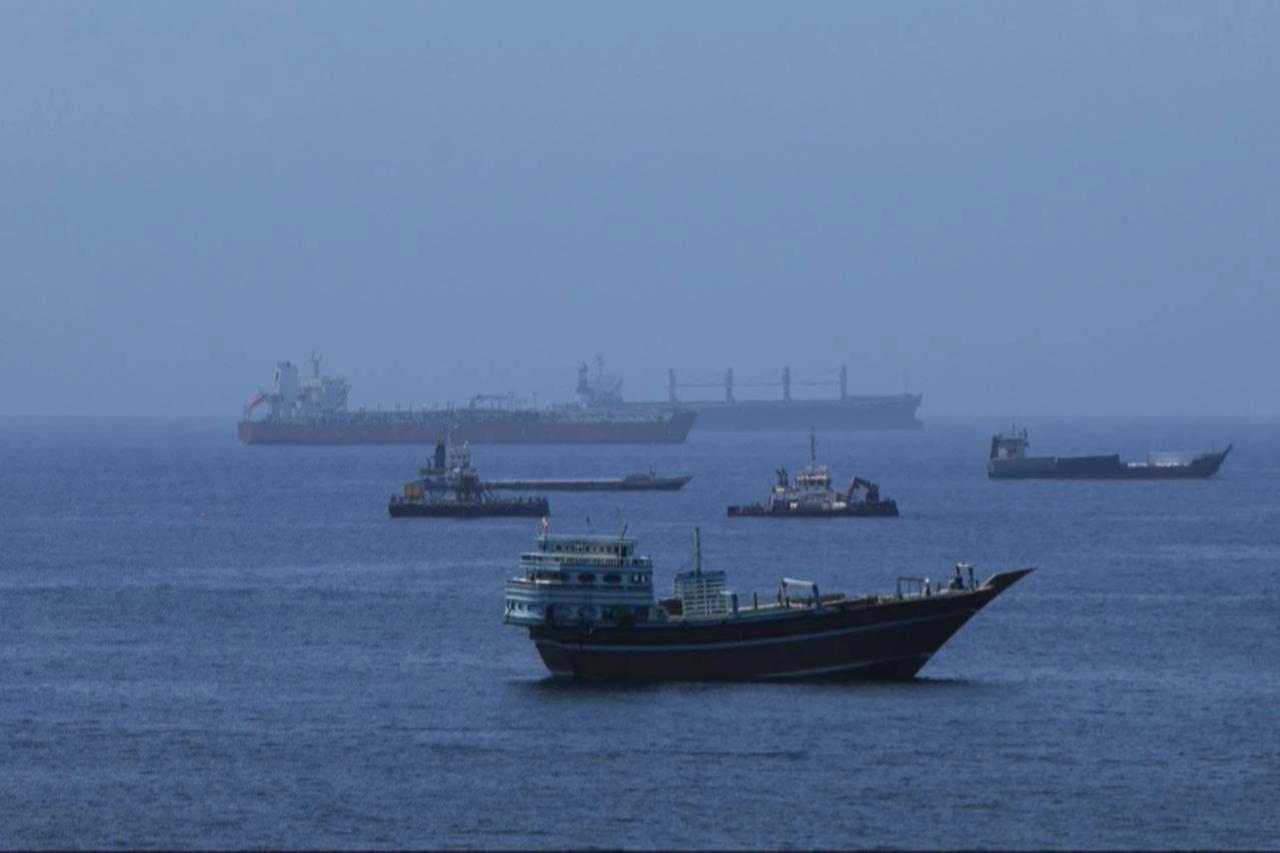
EU foreign policy chief Kaja Kallas urged the international community Monday to form a broad coalition to protect global shipping lanes, warning that rising tensions in the Strait of Hormuz represent an urgent test of multilateral resolve.
Speaking at a United Nations Security Council session on EU-UN cooperation in New York, Kallas said maritime routes are under growing threat from attacks on shipping lanes to sabotage of undersea infrastructure, with flashpoints stretching from the Baltic Sea to the Red Sea and the Indo-Pacific.
"What is happening today in the Strait of Hormuz is the clearest call yet for a strong international coalition on maritime security," Kallas said, adding that the objective is straightforward: safe passage for all shipments through the route.
She stressed that global security, economic stability and energy supply are inseparable from maritime safety, and that the EU would continue to resist any attempts to restrict freedom of navigation in violation of international law, particularly the United Nations Convention on the Law of the Sea (UNCLOS), the foundational legal framework governing rights and responsibilities in the world's oceans.
Kallas also characterized the current moment as the most serious breakdown of international law since World War II, pointing to two ongoing conflicts, the Russia-Ukraine war and the war in the Middle East, as evidence of a fraying rules-based order.
Despite mounting skepticism about the effectiveness of international institutions, Kallas mounted a defense of the UN system, calling it "the only international system that stands for peace" and one that represents collective global interests.
She acknowledged that the Security Council has struggled to fulfill that mandate, noting that 2024 saw record use of the veto, which has paralyzed the body's ability to respond to active conflicts.
Rather than abandoning the system, Kallas framed the dysfunction as an opening for structural reform. She voiced support for a Liechtenstein-led initiative that would automatically trigger a UN General Assembly debate whenever a Security Council veto is cast, as well as a joint French-Mexican proposal to voluntarily suspend veto use in situations involving mass atrocities.
"The question now is how to transform the ailing multilateral system into one that works for all," she said.
The proposals reflect a broader push by mid-size democracies and regional blocs to work around the Council's built-in gridlock without dismantling the institution itself.


 Set as preferred source
 Set as preferred source


 1 min read
 1 min read