Newsletters


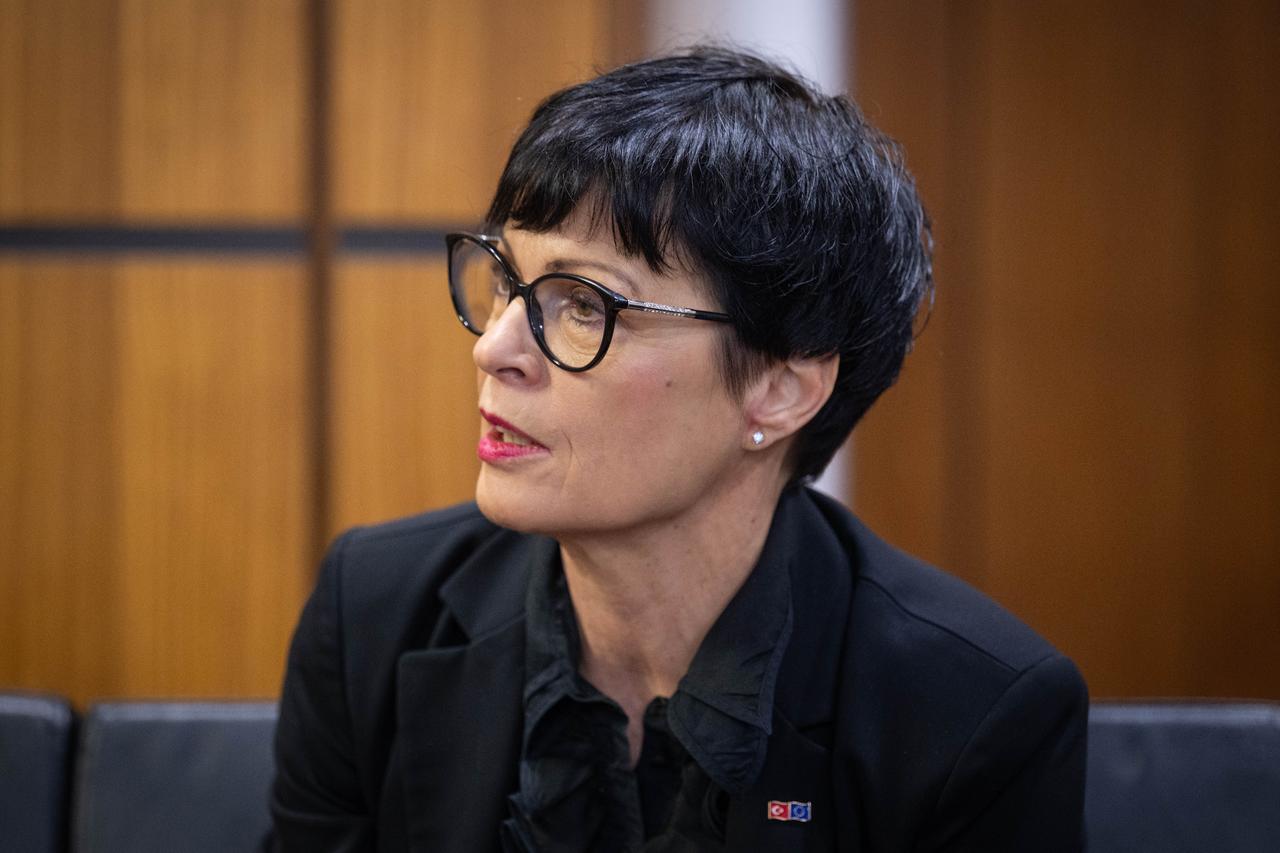


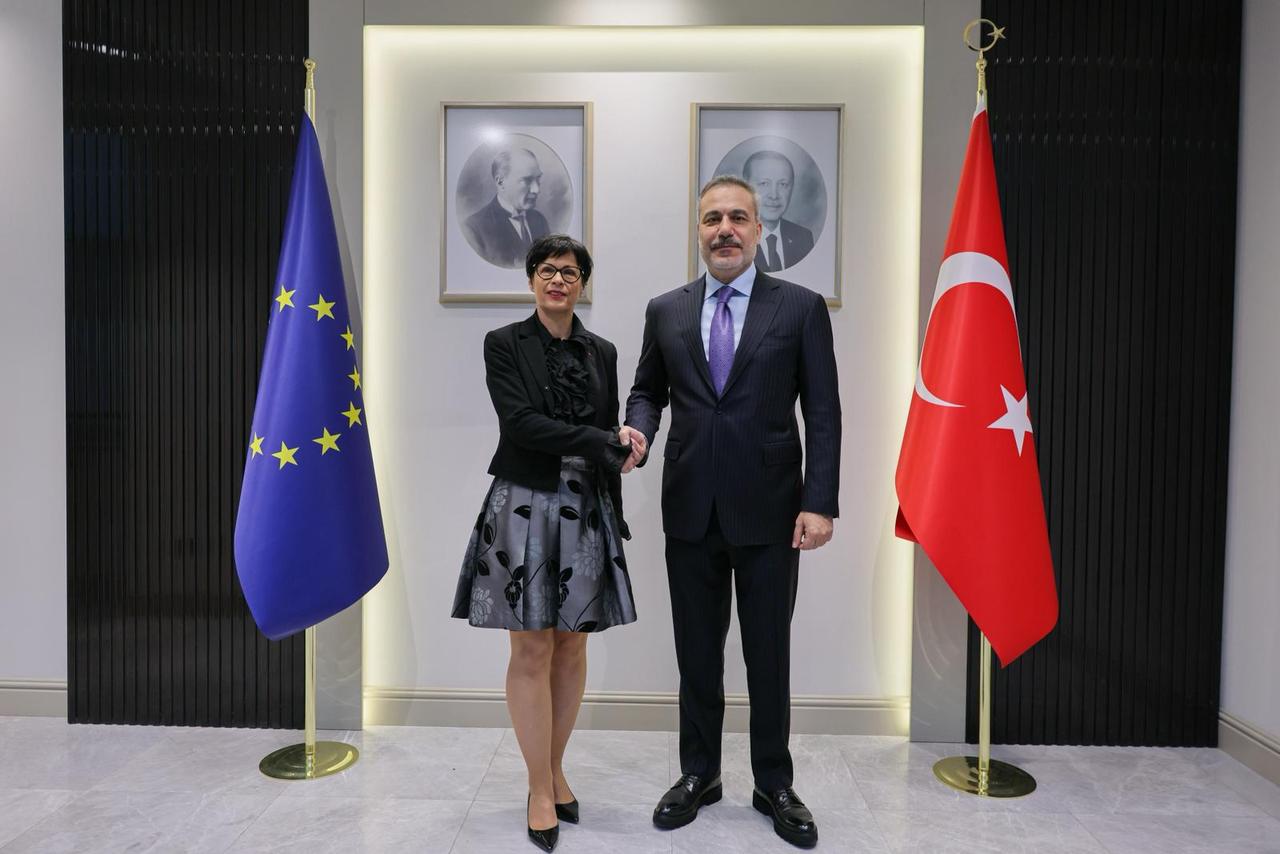
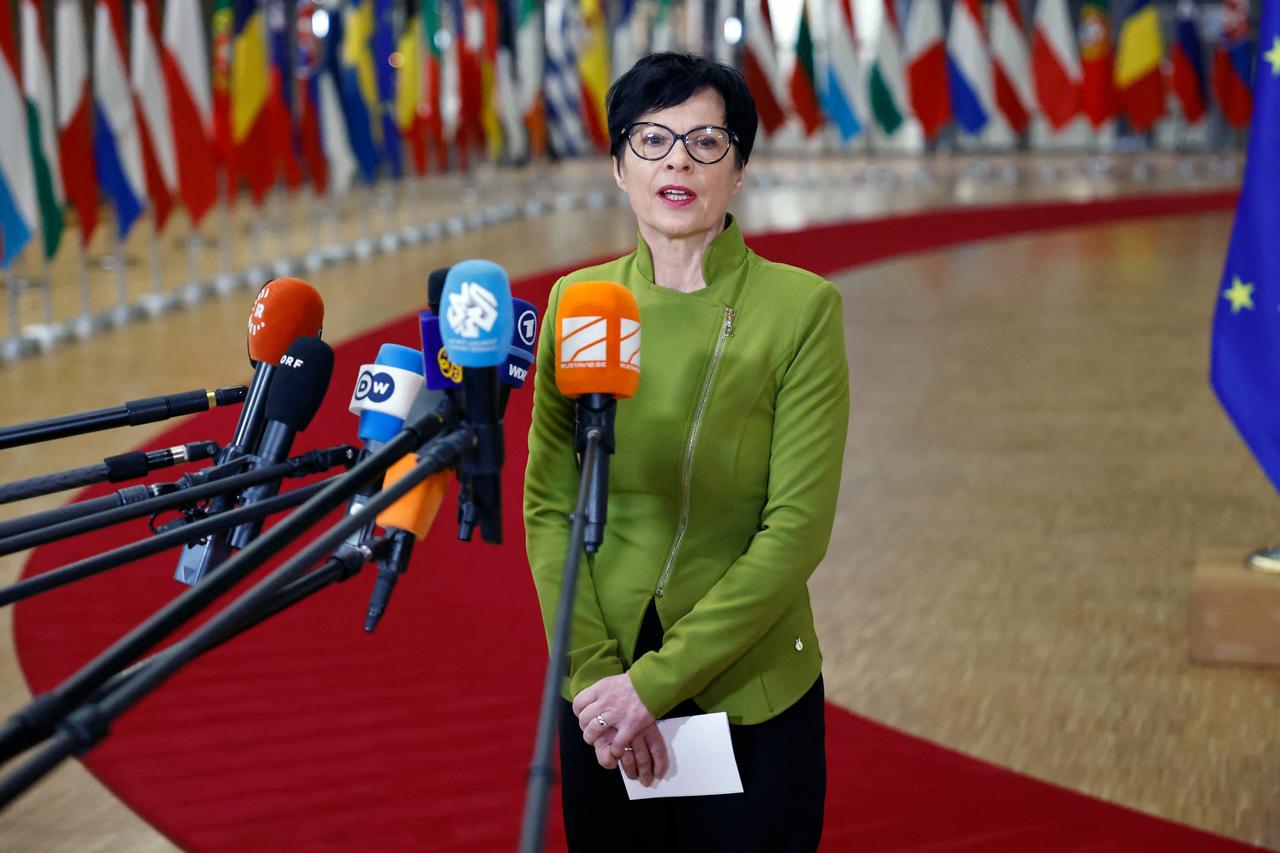
European Union Enlargement Commissioner Marta Kos said she is returning to Brussels with concrete proposals to advance Türkiye-EU relations after completing her first official visit to Ankara, emphasizing that Türkiye is "a very important partner" and that good relations are crucial amid new geopolitical realities.
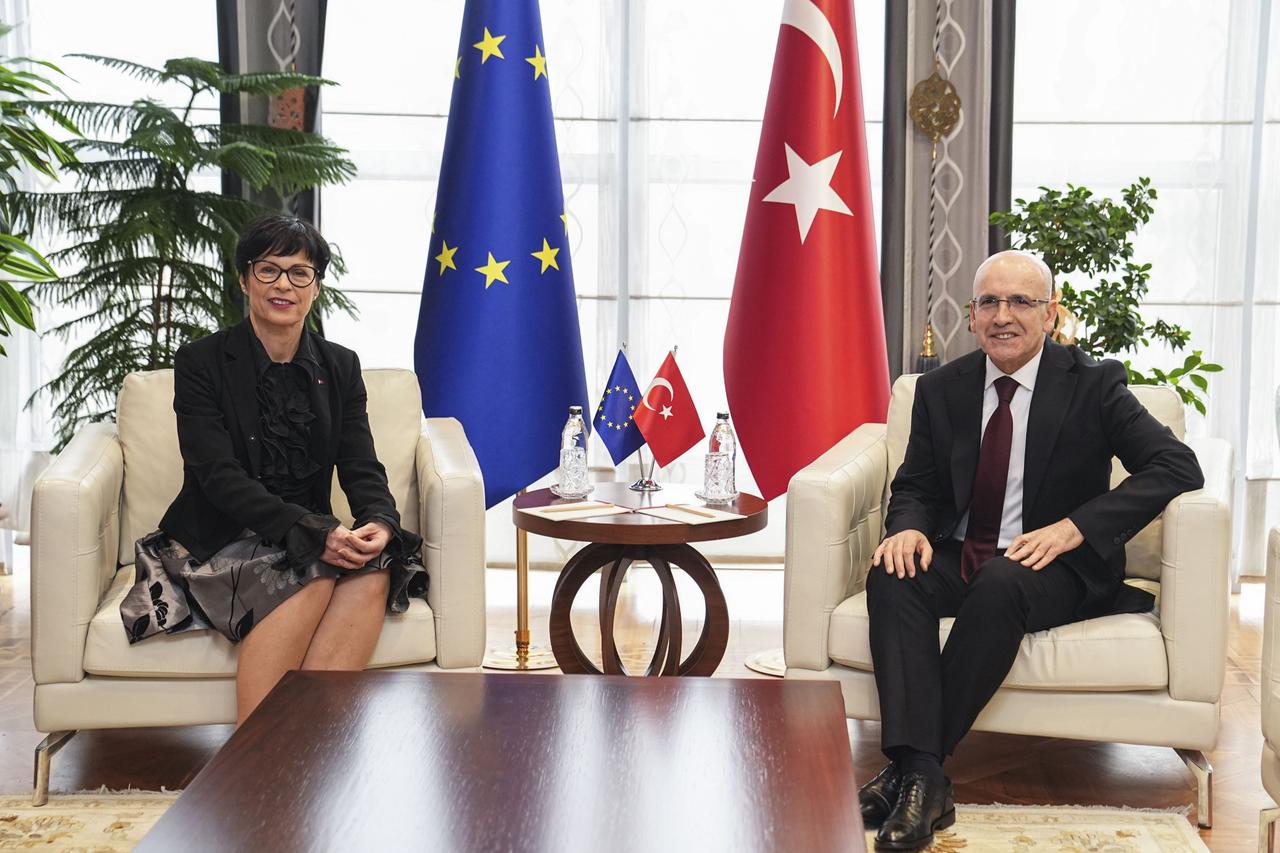
Speaking to Turkish media outlet Hurriyet after meetings with Vice President Cevdet Yilmaz, Foreign Minister Hakan Fidan, Treasury and Finance Minister Mehmet Simsek and business representatives, Kos expressed optimism about the potential for progress.

"Türkiye is a very important partner of ours, we had very good beginnings. If we can implement the issues we discussed in our contacts, this will bring a major breakthrough in Türkiye-EU relations," Kos said.
"In the past, we went with the flow for various reasons, but new geopolitical and economic challenges show that both sides now want to make progress, and this is the most important impression for me," she added.
Kos said confidence-building measures could be taken first, with bigger steps implemented later.
"We must find new ways to respond to new realities. In the past, we focused heavily on economic issues, but there are other realities. The war in Ukraine is very important. We saw what happened in Moldova; Russia and other autocratic countries want to see Europe fail. This made us look more carefully at which countries to partner with," she stated.
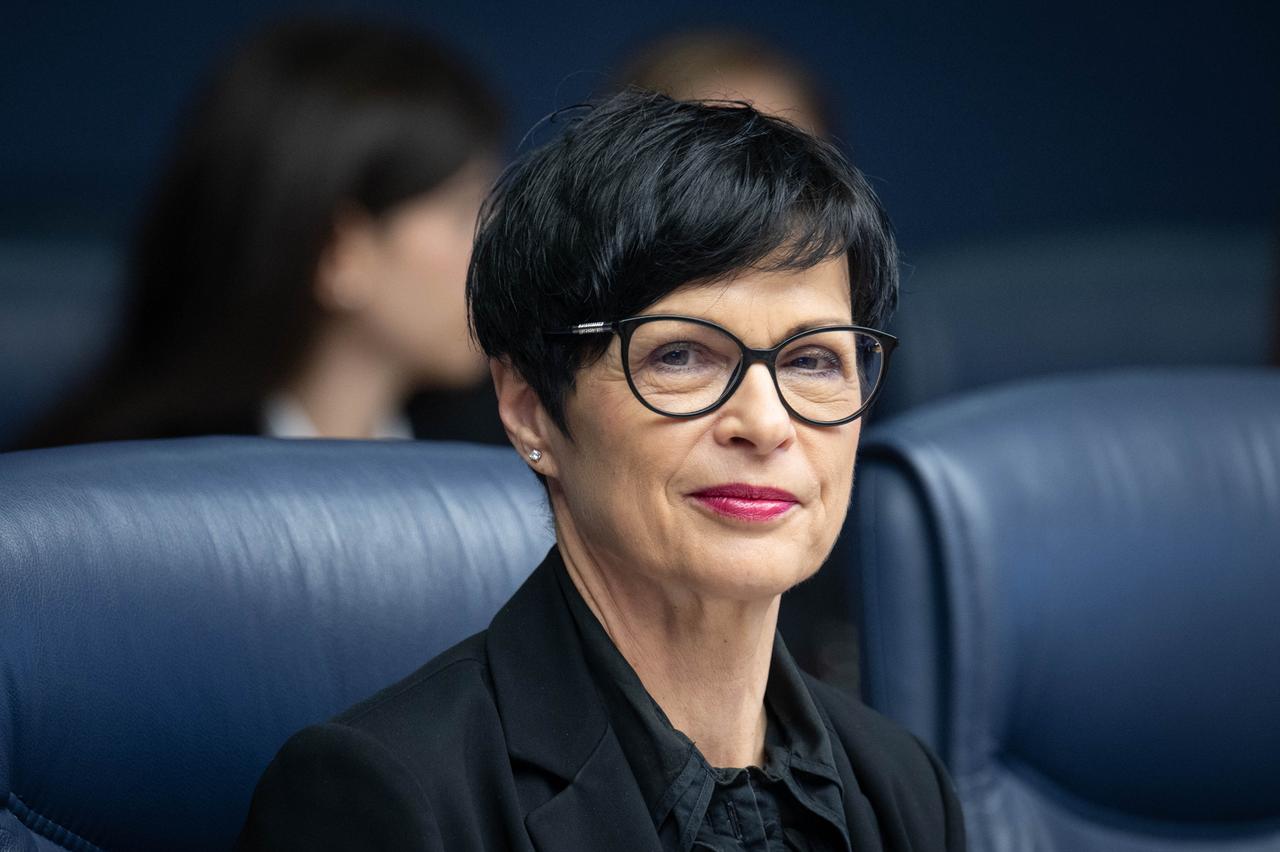
Addressing concerns about Türkiye being excluded from the EU's "Made in Europe" initiative, Kos said no decision has been made yet.
"The Made in Europe initiative is being confused with some free trade agreements, but it is actually part of a broader vision. It aims to strengthen Europe's economic independence within new geopolitical realities," Kos said.
"Türkiye's exclusion or being left behind is not the case right now, because no decision has been made yet. I am here and I listened to important assessments to better advocate for the special role Türkiye should play in economic relations. Discussions on this have been ongoing for several weeks, but nothing has been decided yet," she noted.
"Whatever we ultimately decide, I will do my best to ensure that Türkiye has a position that, in my opinion, it deserves," Kos stated.
Kos highlighted Türkiye's importance for European security and regional cooperation.
"In this context, Türkiye is an important partner in terms of economy, security and regional cooperation. Peace between Azerbaijan and Armenia has brought a new dimension to the Caucasus issue; through this, new cooperation can be established between Central Asia and the EU, and none of this can happen without Türkiye," she said.
When asked if Turkish industry and business should be concerned, Kos acknowledged their worries but said both sides can work together.
"We talked about this on Friday; yes, they are concerned. However, the issue is about Turkish companies' ability to participate in public tenders in Europe. Similarly, there are some restrictions on European companies' participation in public tenders here," she said.
"Therefore, we believe we can move forward together in a way that will be best for both Turkish and European business," she noted.
"We also started discussing doing more together to make public procurement systems more compatible with the European system, with the aim of benefiting companies on both sides," Kos added.
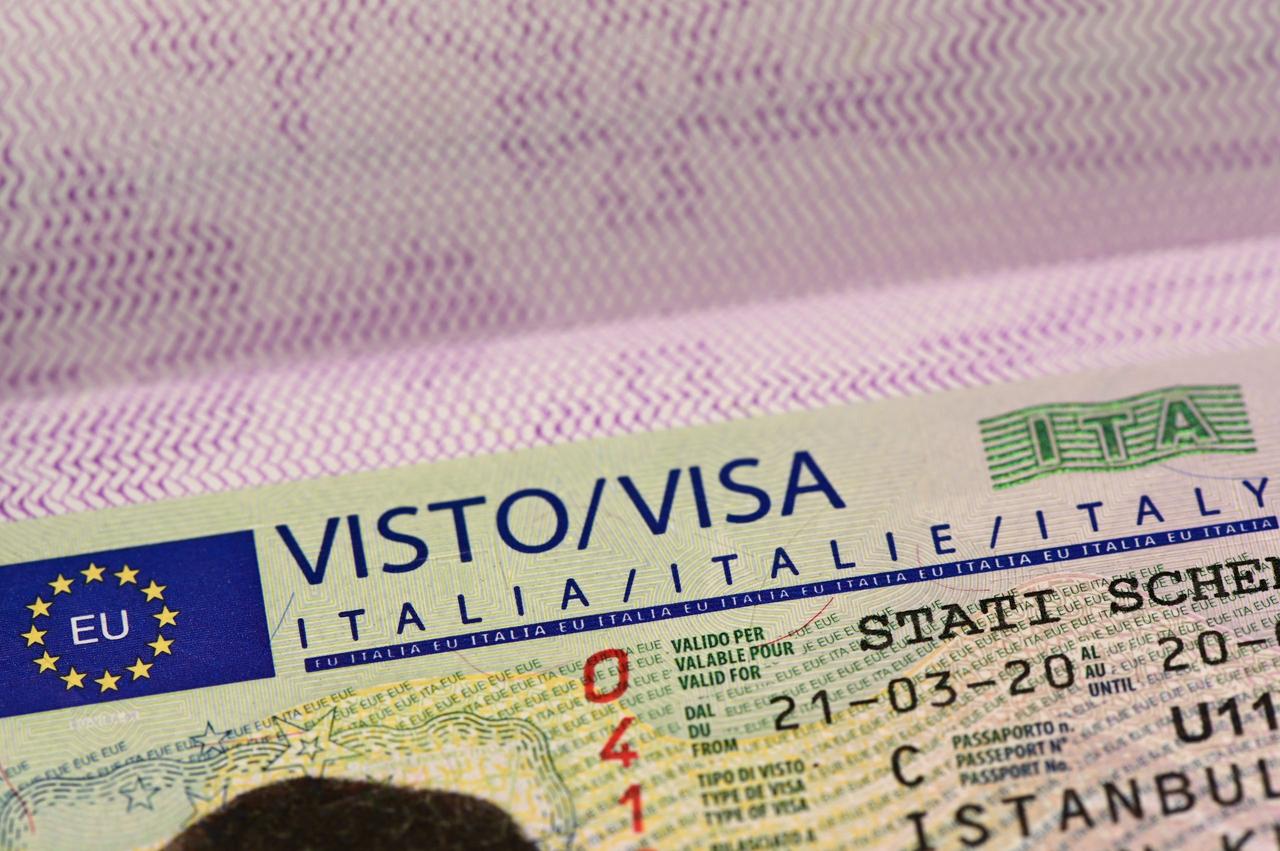
Kos said visa issues were discussed extensively during her contacts, with initial improvements already visible.
"We are currently proceeding with a gradual system, and we are starting to see the first results. With the increase in multiple-entry visas, we are also observing that waiting times are getting shorter," she said.
"This is just the first step, but it is a step in the right direction. Türkiye has criteria to meet for visa liberalization, and if progress is made on these issues, we can see more concrete developments," Kos added.
Beyond political and economic topics, Kos said discussions included concrete steps to facilitate people's daily lives.
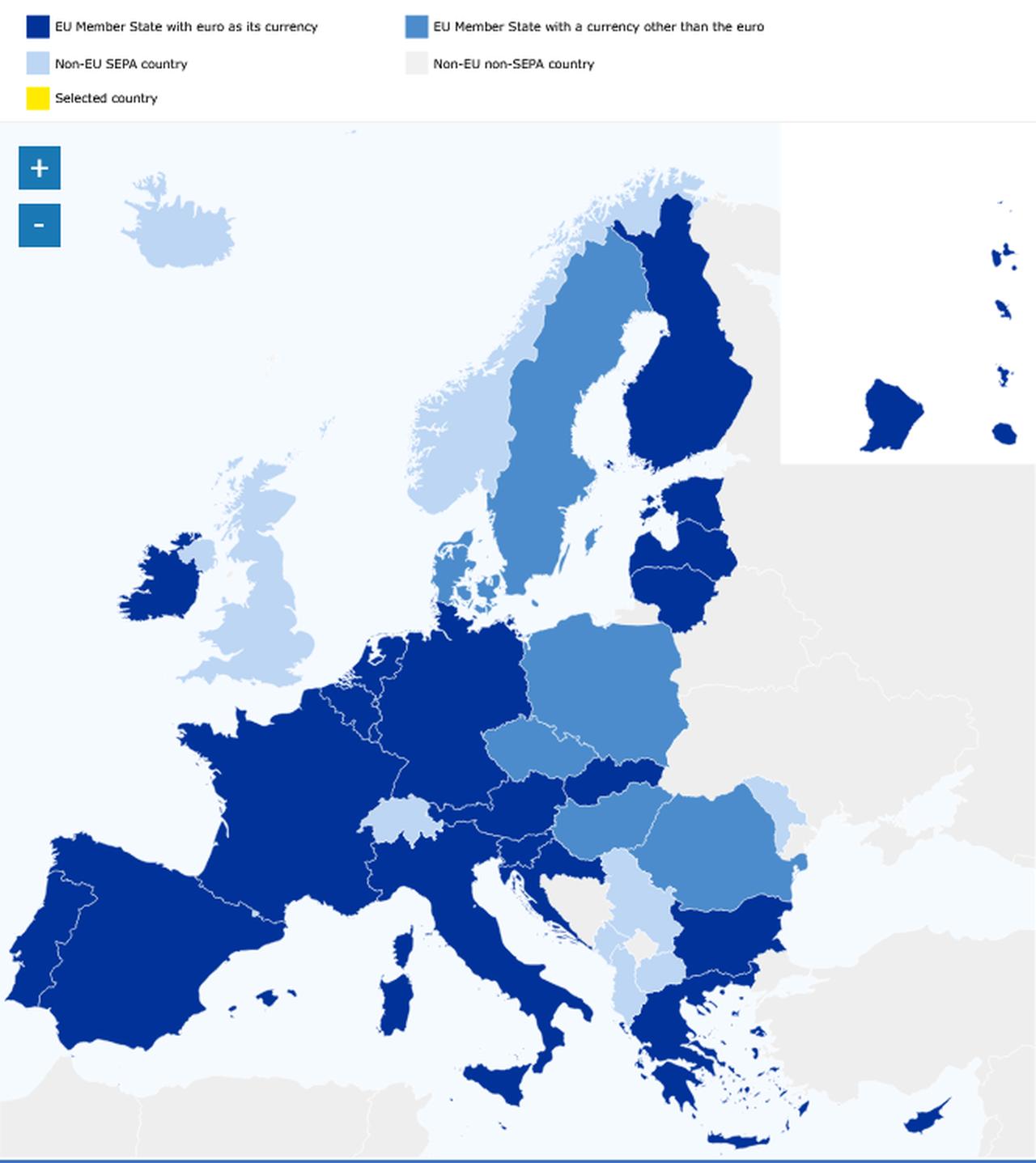
"If the Single Euro Payments Area (SEPA) system can also be applied to Türkiye, money transfers can become almost zero-cost. We have seen significant economic benefits of this in Western Balkan countries," she said.
"Roaming agreements for mobile lines can similarly make life easier for millions of people. Such small but concrete success stories will strengthen trust between the two sides," Kos noted.
Kos said the modernization of the Customs Union was also discussed, highlighting its potential to significantly expand trade. She noted that the current trade volume between Türkiye and the EU stands at €210 billion, but business representatives believe this figure could be doubled.
During her meetings in Ankara, Kos observed optimism that even under less-than-ideal conditions, increasing trade substantially seems feasible. She added that concrete steps were discussed, which she plans to bring back to Brussels for further talks with the Commission and member states.


 Set as preferred source
 Set as preferred source


 1 min read
 1 min read