Newsletters




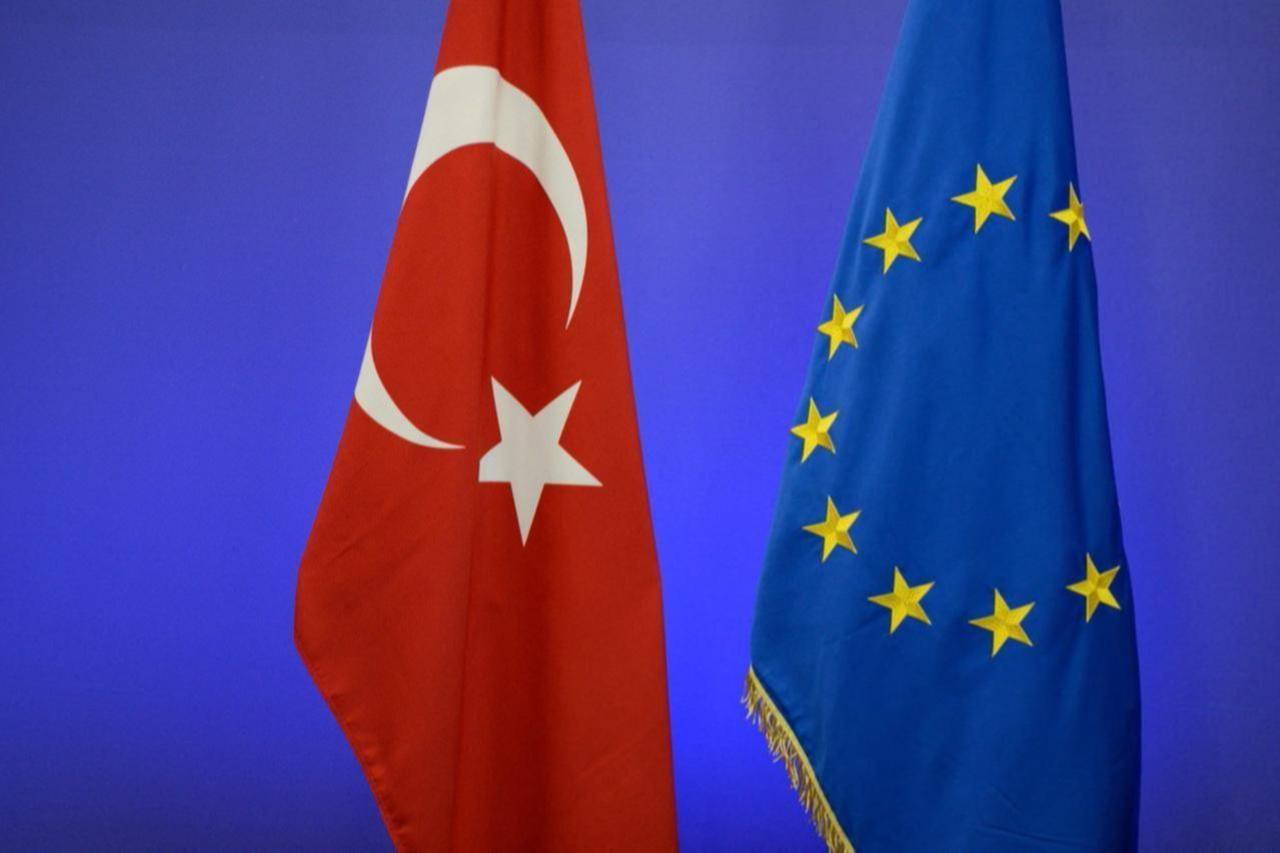
The European Union is looking to rekindle relations with Türkiye as it emerges as a critical partner in efforts to shape a post-war order in Ukraine, particularly in the Black Sea region.
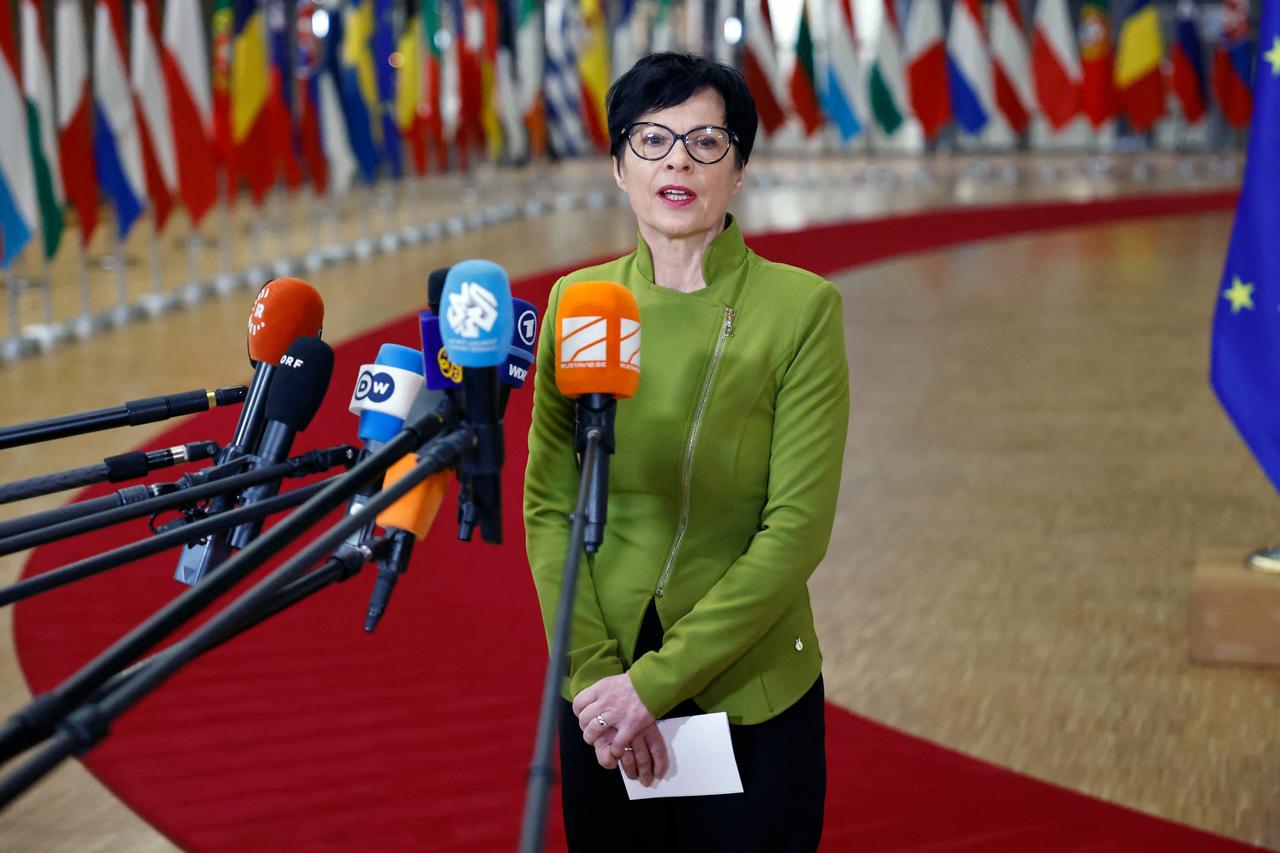
EU Enlargement Commissioner Marta Kos is traveling to Türkiye on Friday as Brussels takes initial steps to thaw ties after years of strained relations. Ahead of the visit, Kos said peace in Ukraine would reshape European security realities and elevate Türkiye’s role.
Speaking to Politico, Kos said, “peace in Ukraine will change the realities in Europe, especially in the Black Sea region. Türkiye will be a very important partner for us.”
“Preparing for peace and stability in Europe implies preparing a strong partnership with Türkiye.”
Türkiye is viewed by EU officials as a key military and diplomatic actor, with the second-largest armed forces in NATO and strategic control over the Bosphorus Strait.
Ankara played a central role in brokering the Black Sea grain deal in July 2022, allowing the safe passage of Ukrainian grain exports.
The country has also indicated it would be willing to deploy peacekeeping troops to Ukraine if a deal is reached with Russia and take a leading role in Black Sea security.
Despite its strategic importance, EU-Türkiye relations have deteriorated in recent years. Although Türkiye remains an official EU candidate, accession negotiations have been frozen since 2018 amid concerns over democratic backsliding and the rule of law.
“In the latest EU enlargement reports, we have seen steps away from EU standards, especially on the rule of law and democracy,” Kos said. “I know Türkiye has a very long democratic tradition and also a strong civil society, and this is what we need to see strengthened to build trust between the EU and Türkiye.”
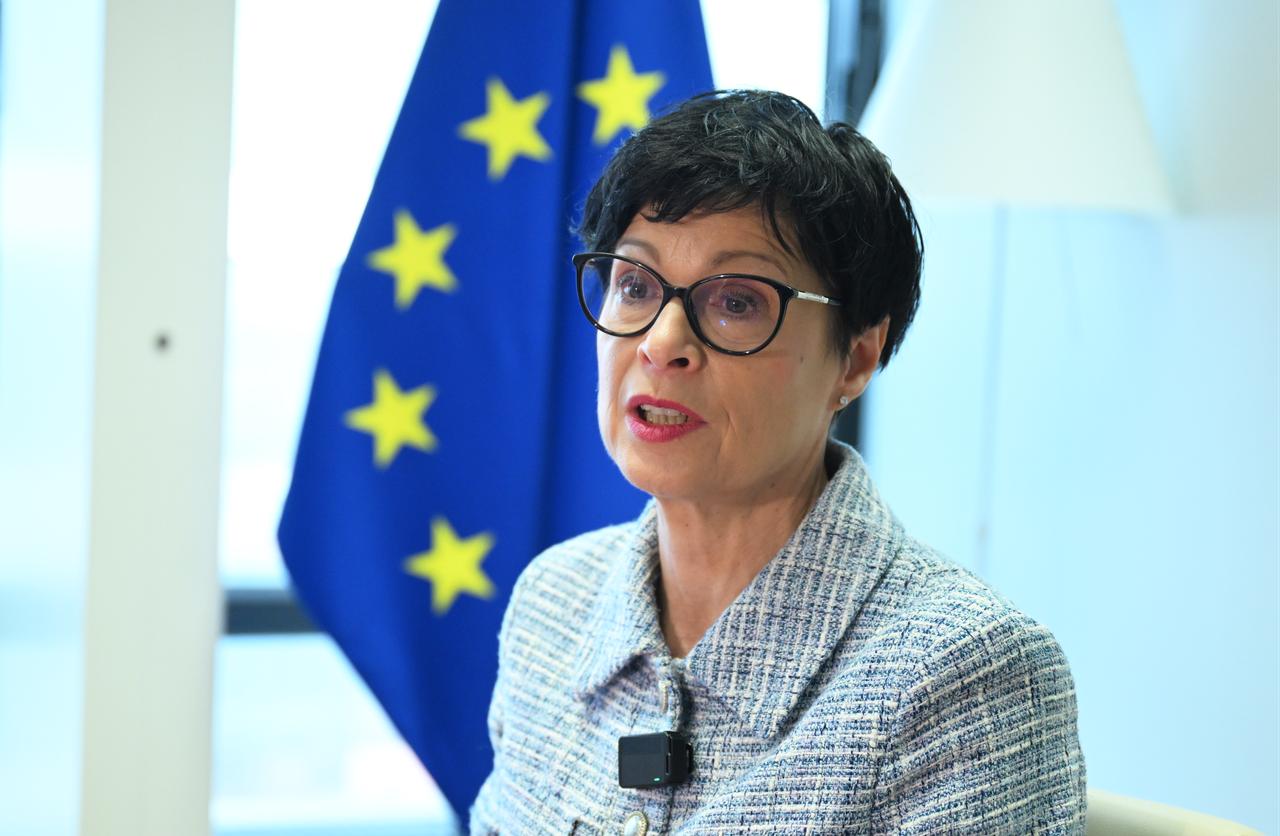

As part of efforts to rebuild ties, Kos will attend a ceremony in Ankara where the European Investment Bank and Türkiye will sign €200 million in loans for renewable energy projects. The EIB halted new lending to Türkiye in 2019 due to disputes over oil and gas drilling off Cyprus.
The European Commission is also set to unveil a study on advancing cross-regional connectivity with Türkiye, Central Europe and the South Caucasus.
The study outlines investment needs to strengthen transport, trade, energy and digital links along the Trans-Caspian Corridor connecting China, Central Asia, the South Caucasus and the Black Sea.
These steps fall short of what Ankara has long sought: an updated customs union agreement with the EU.
The existing deal dates back to 1995, and new EU trade agreements with India and the Mercosur bloc risk placing Türkiye at a competitive disadvantage by granting tariff-free access to those markets without reciprocal benefits.
Updating the customs union would require approval from the European Council, where Greece and Cyprus oppose warming relations without steps from Ankara. Cyprus has called on Türkiye to open its ports to Cypriot-flagged ships, an issue tied to the island’s division since 1974.
“The strength of any future partnership needs to be underpinned by good political relations with our member states, and especially good neighbourly relations and relations with Cyprus,” Kos said.
Cyprus Deputy Minister for European Affairs Marilena Raouna said the country’s presidency of the EU Council could present an opportunity for relations, adding that Cyprus expects Türkiye to engage constructively.
While restarting EU membership negotiations is not currently under consideration, Kos said a reassessment of relations is needed.
“My visit to Ankara is about rebuilding trust and exploring how we can make our economic relationship work better for both sides,” she said.
Türkiye’s ambassador to the EU, Yaprak Balkan, said shifting global dynamics could push both sides closer. “The world is changing and history is accelerating. Türkiye–EU relations also need to adapt,” she said, adding that accession remains Ankara’s strategic objective.


 Set as preferred source
 Set as preferred source


 2 min read
 1 min read