Newsletters




Former Qatari Prime Minister Sheikh Hamad Bin Jassim Bin Jabr Al-Thani called for the formation of a strategic defense alliance bringing together Egypt, Saudi Arabia, Türkiye and Pakistan, describing it as an "urgent need."
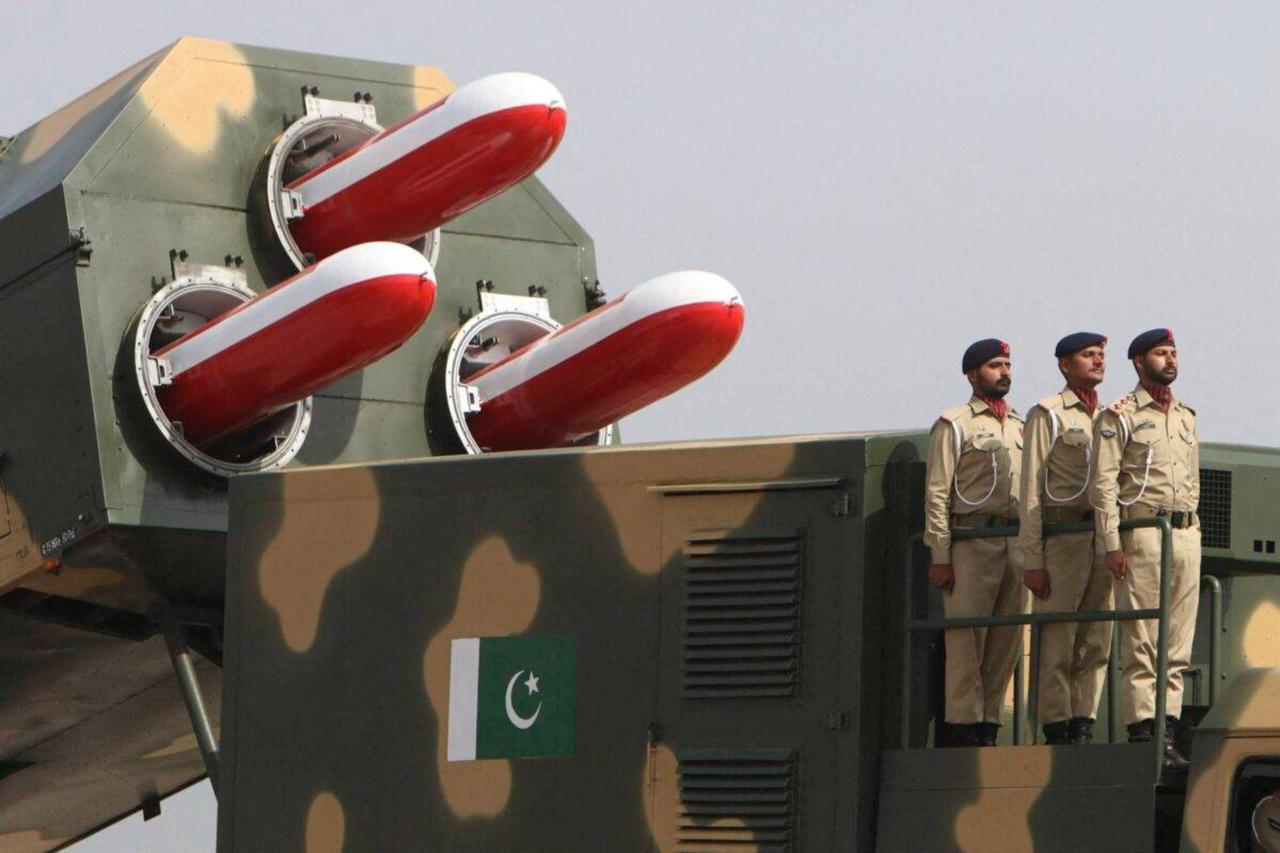
In a post on X, Sheikh Hamad said the joint strategic defense agreement signed between Saudi Arabia and Pakistan in September 2025—which Türkiye may later join—represents "an important step to preserve the region and strengthen its stability."
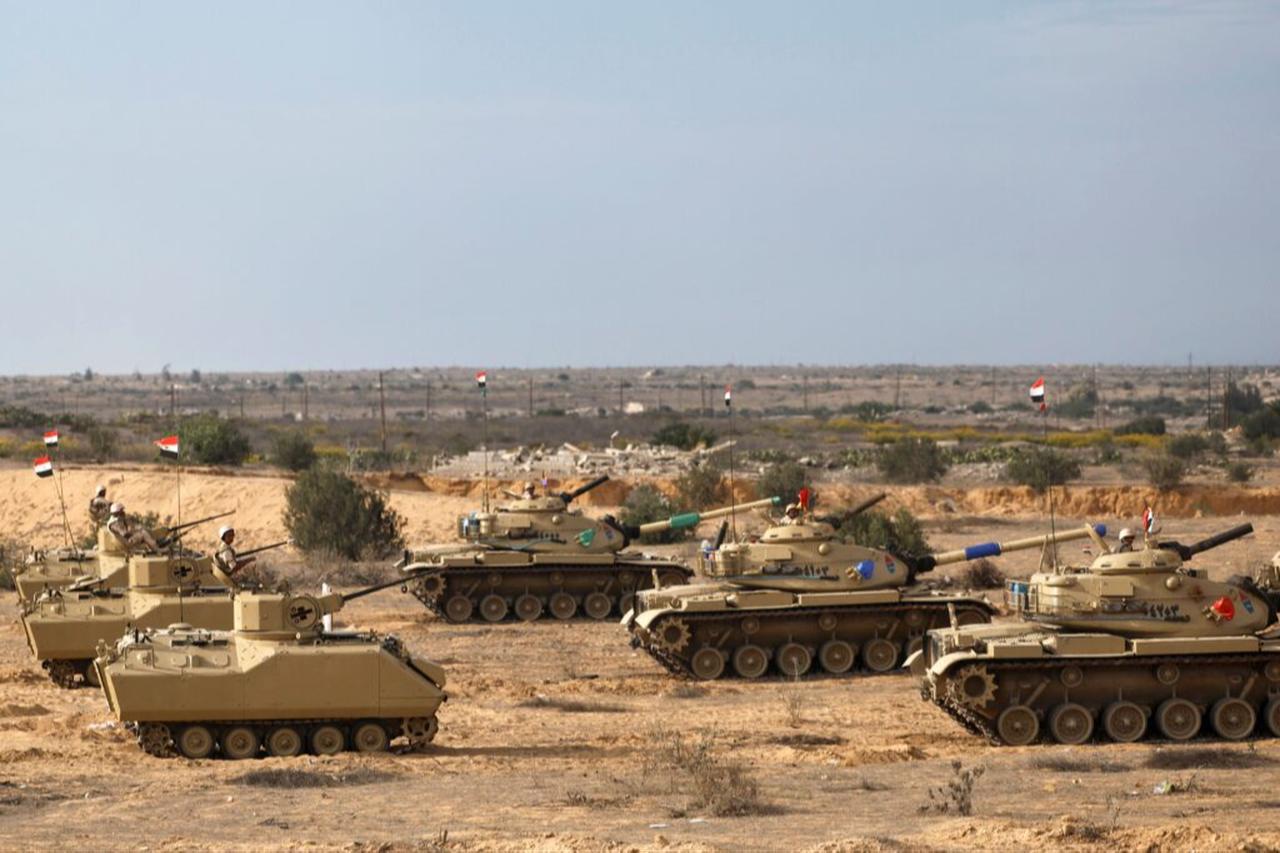
"The establishment of a Saudi-Pakistani-Turkish-Egyptian alliance has long been, and remains, an urgent necessity to safeguard our interests and enhance our collective strength in the face of rapid changes in the policies of Western alliance countries, particularly the United States," Sheikh Hamad said.


Sheikh Hamad stressed it would be in the interest of Gulf states to join such an alliance without delay, noting that their smaller size makes collective security arrangements especially important.
He emphasized the proposed alliance should not be viewed as hostile towards Iran, describing it as "a major Muslim country," and called instead for a framework based on balanced regional considerations.
Sheikh Hamad stressed the alliance should rest on "sound principles and solid foundations" to ensure durability and effectiveness. He warned against repeating "the shortcomings of the 1990 Damascus Declaration," which was issued hastily following Iraq's invasion of Kuwait.
The alliance should adopt a comprehensive approach encompassing military, economic and political dimensions, guided by clear strategic objectives serving all member states, not only during times of crisis but as a permanent and credible regional bloc.
Sheikh Hamad warned that some countries that declared participation in the 1990 Damascus Declaration had immediate financial objectives rather than strategic ones.
"Each country's expectations must be discussed regarding security, military and economic aspects based on sound foundations. There must be guarantees preventing interference in the internal affairs of member states.
All differences in viewpoints must be settled according to the alliance's charter and strategic objectives without damaging the alliance's structure or harming any member state," Sheikh Hamad stated.
He stressed the alliance must have a practical and continuous perspective rather than a seasonal one of limited duration to prove its worthiness to the world.
"As an initial step, a carefully studied basic system for the alliance must be established, serving as a charter respected and committed to by all signatory states," Sheikh Hamad said.
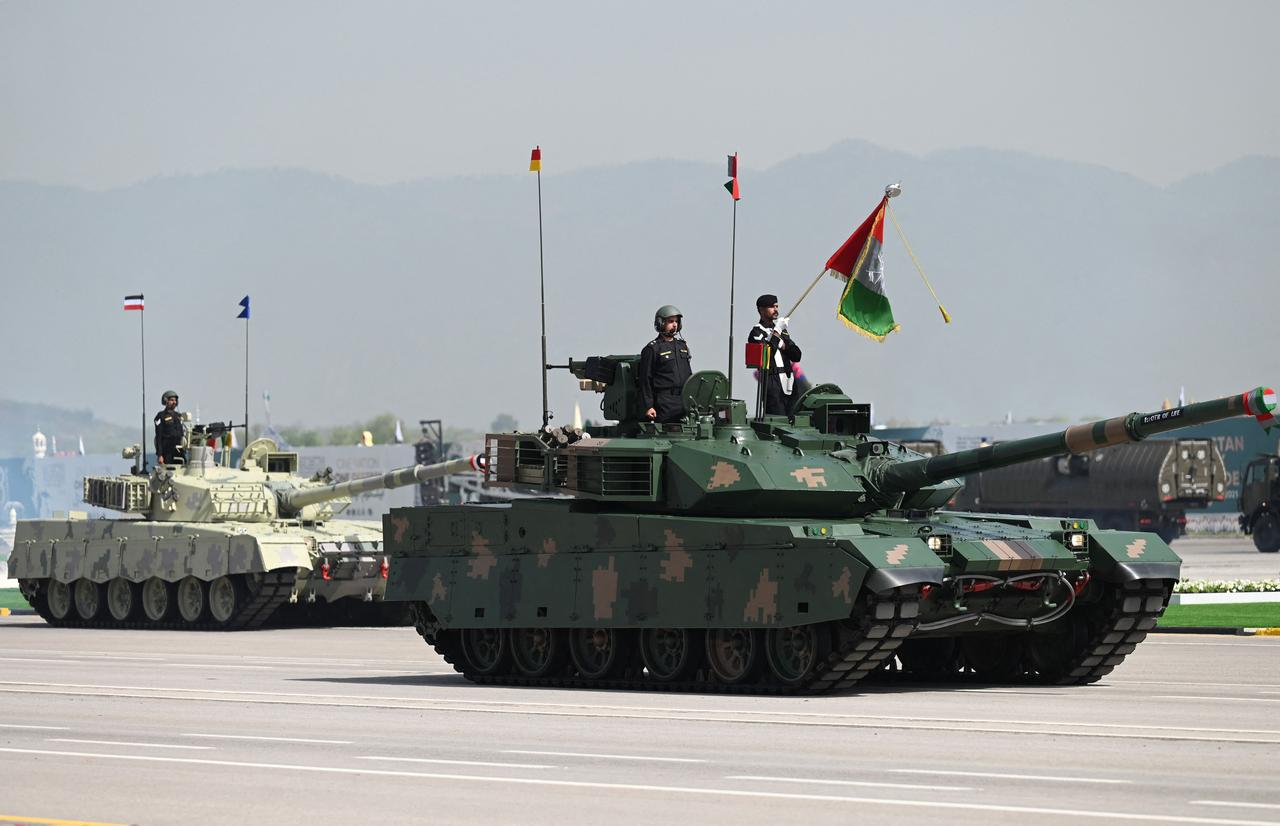
Türkiye is reportedly seeking to join the defense alliance between Saudi Arabia and Pakistan, Bloomberg reported, citing people familiar with the matter.
The deal, initially signed by Saudi Arabia and Pakistan in September, states that "any aggression" against one country is considered an attack on all. That mirrors Article 5 in NATO, of which Türkiye has the largest military after the U.S.
"Talks are at an advanced stage and a deal is very likely," the sources said on condition of anonymity.
"The expanded alliance would make sense because Turkey's interests increasingly overlap with those of Saudi Arabia and Pakistan in South Asia, the Middle East and Africa," according to Bloomberg's sources.


 Set as preferred source
 Set as preferred source



 3 min read