Newsletters


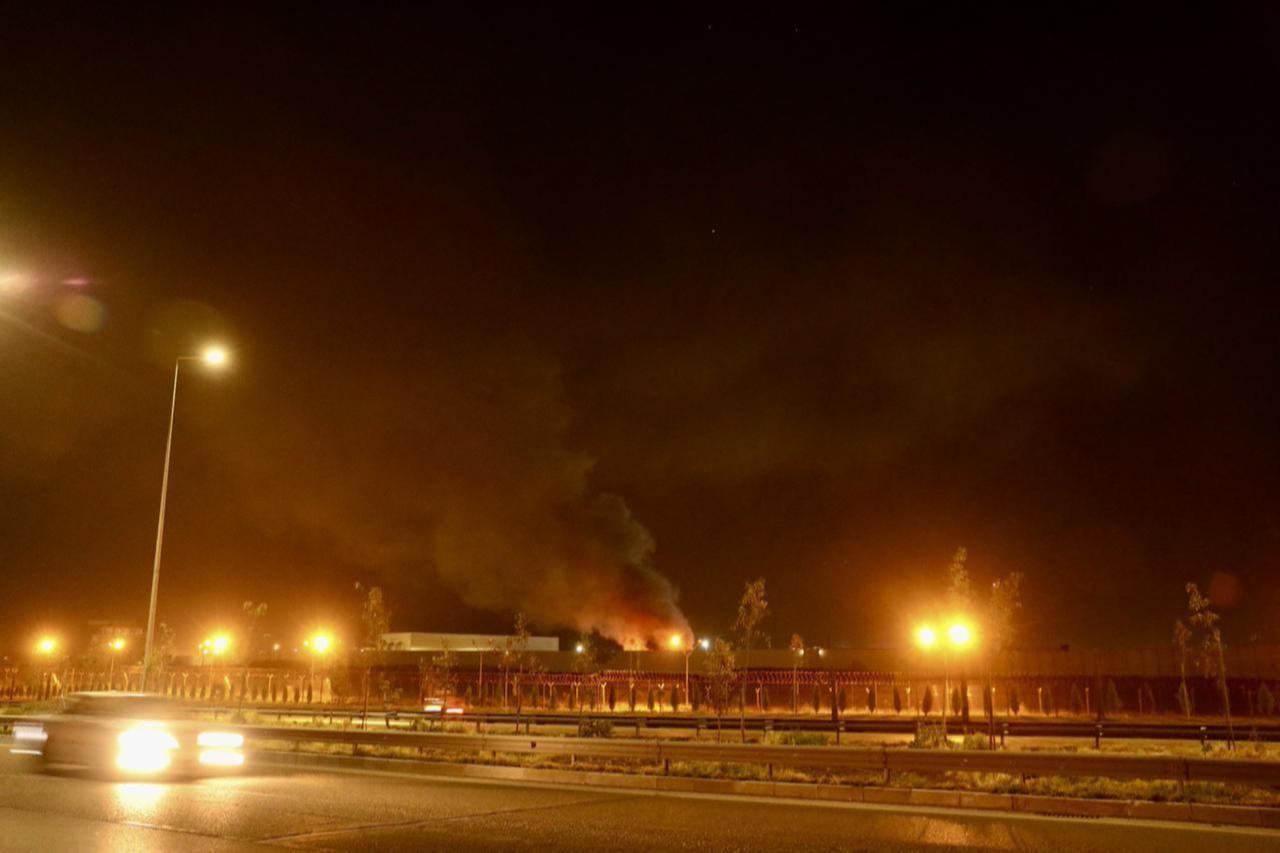


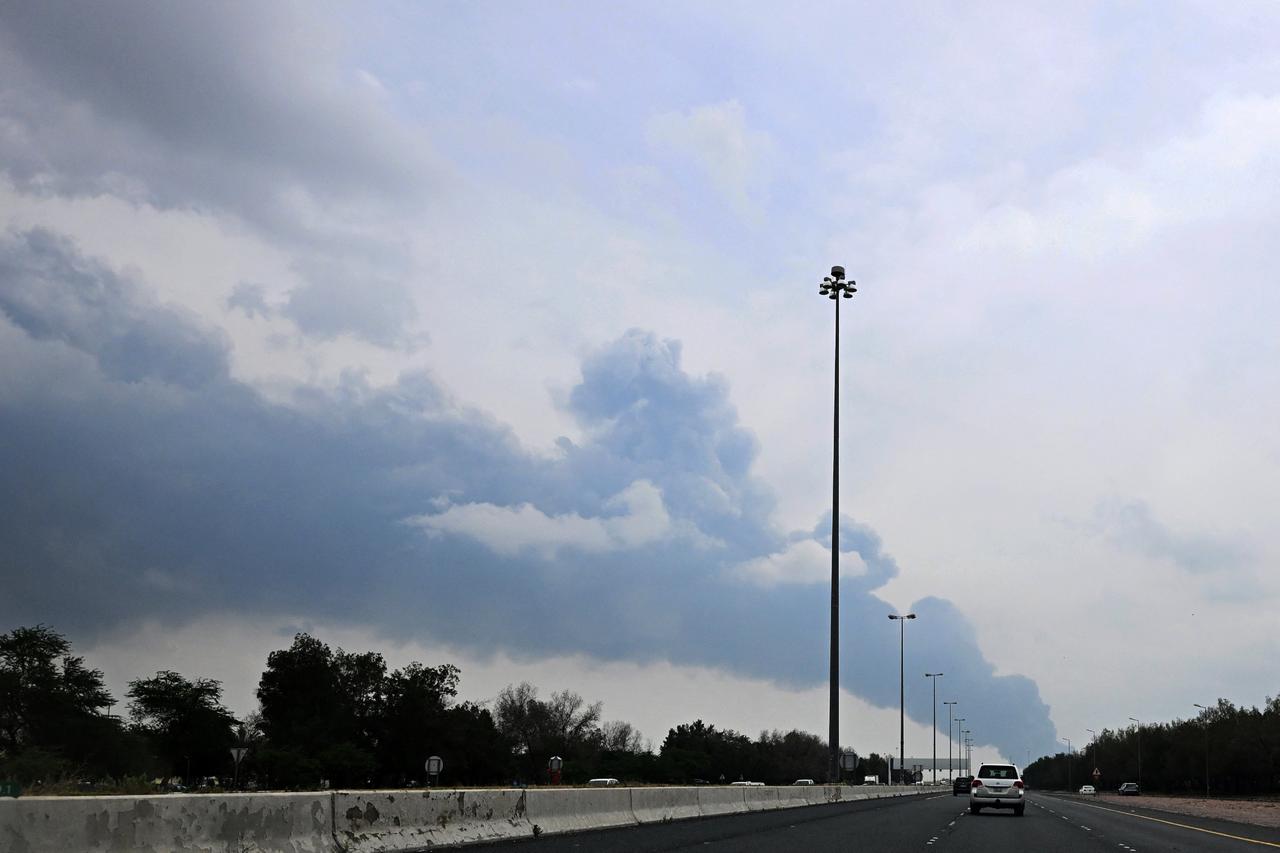
An explosion was heard Saturday morning near the international airport of Erbil, the capital of Iraq’s Kurdish Regional Government (KRG), an Agence France-Presse (AFP) journalist reported, while a witness said they saw smoke rising from the area.
Erbil hosts a major U.S. consulate complex, and its airport houses military advisers attached to a U.S.-led international anti-jihadist coalition.
Regular drone attacks by pro-Iran armed groups in the area are usually intercepted by air defense systems.
No further details were immediately available about the explosion.
Since the war began on Feb. 28 with U.S.-Israeli strikes on Iran, Iraq has been increasingly drawn into a conflict it had sought to avoid.
Pro-Iran Iraqi armed groups have carried out drone and rocket attacks against multiple U.S. targets, including the embassy in Baghdad.
These pro-Iran factions, some of which are integrated into Iraq’s security forces, have themselves been regularly targeted by strikes that the groups have blamed on the United States or Israel.
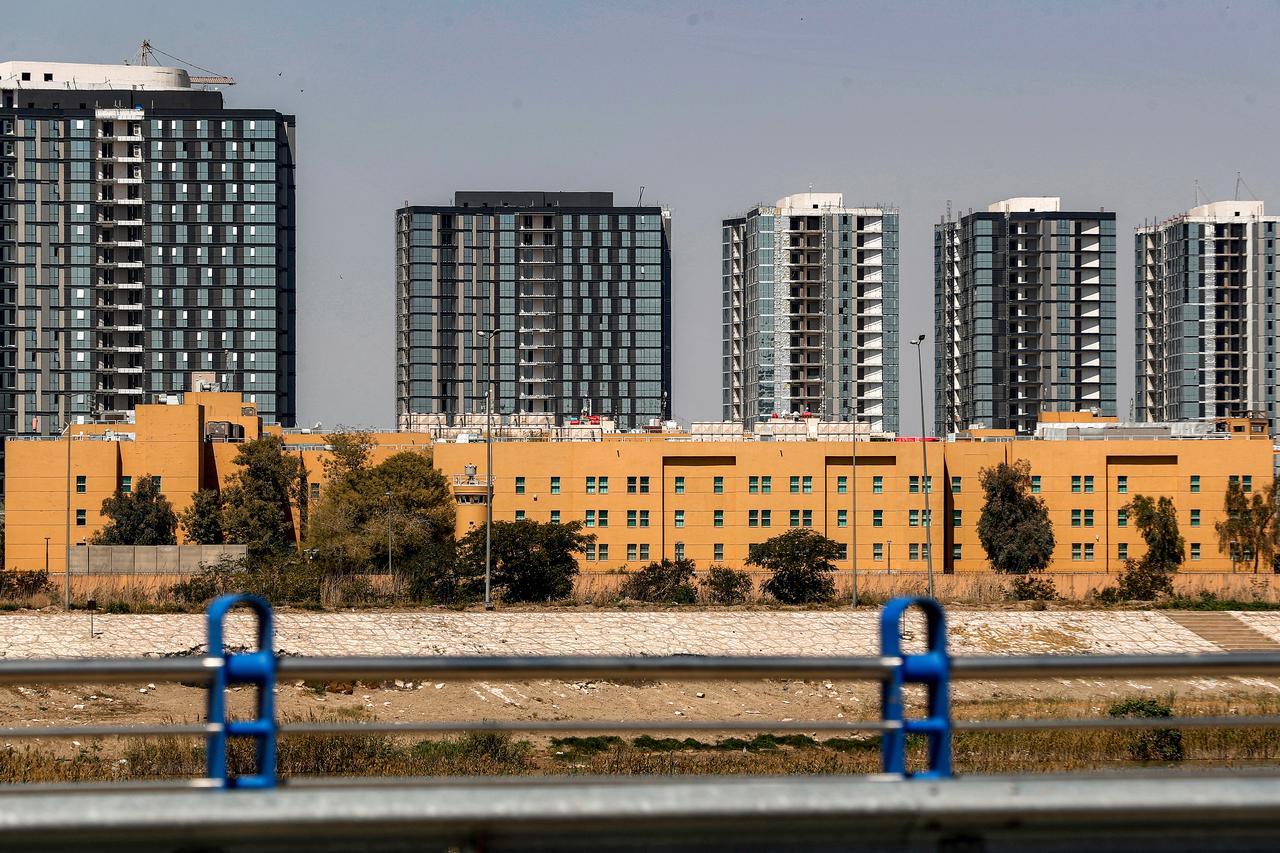

The U.S. Embassy and Iraq released statements late Friday announcing the creation of a “High Joint Coordination Committee” to oversee efforts to address attacks in Iraq.
“The Iraqi and US sides decided to intensify cooperation to prevent terrorist attacks and ensure that Iraqi territory is not used as a launching point for any aggression against the Iraqi people, the Iraqi Security Forces, and Iraqi strategic facilities and assets, as well as against US personnel, diplomatic missions, and the Global Coalition,” the U.S. Embassy in Baghdad said in a statement posted on X.
Relations between Washington and Baghdad have been strained as the Middle East war has continued, with Iraq particularly angered by a strike on a medical clinic in western Iraq that killed seven members of the security forces.
Iraq has not officially blamed the United States but summoned the country’s charge d’affaires over the strike. Washington has strongly denied targeting Iraqi security forces.
Earlier this week, Iraq granted the Popular Mobilization Forces, a coalition of armed groups integrated into the regular armed forces that includes pro-Tehran factions, permission to “confront and respond” to attacks after 15 of its fighters were killed in an airstrike.
The United States and Israel have maintained airstrikes on Iran since Feb. 28, killing more than 1,340 people, including then-Supreme Leader Ali Khamenei.
Iran has retaliated with drone and missile strikes targeting Israel, as well as Jordan, Iraq, and Gulf countries hosting U.S. military assets, causing casualties and damage to infrastructure while disrupting global markets and aviation.


 Set as preferred source
 Set as preferred source


 1 min read
 1 min read