Newsletters


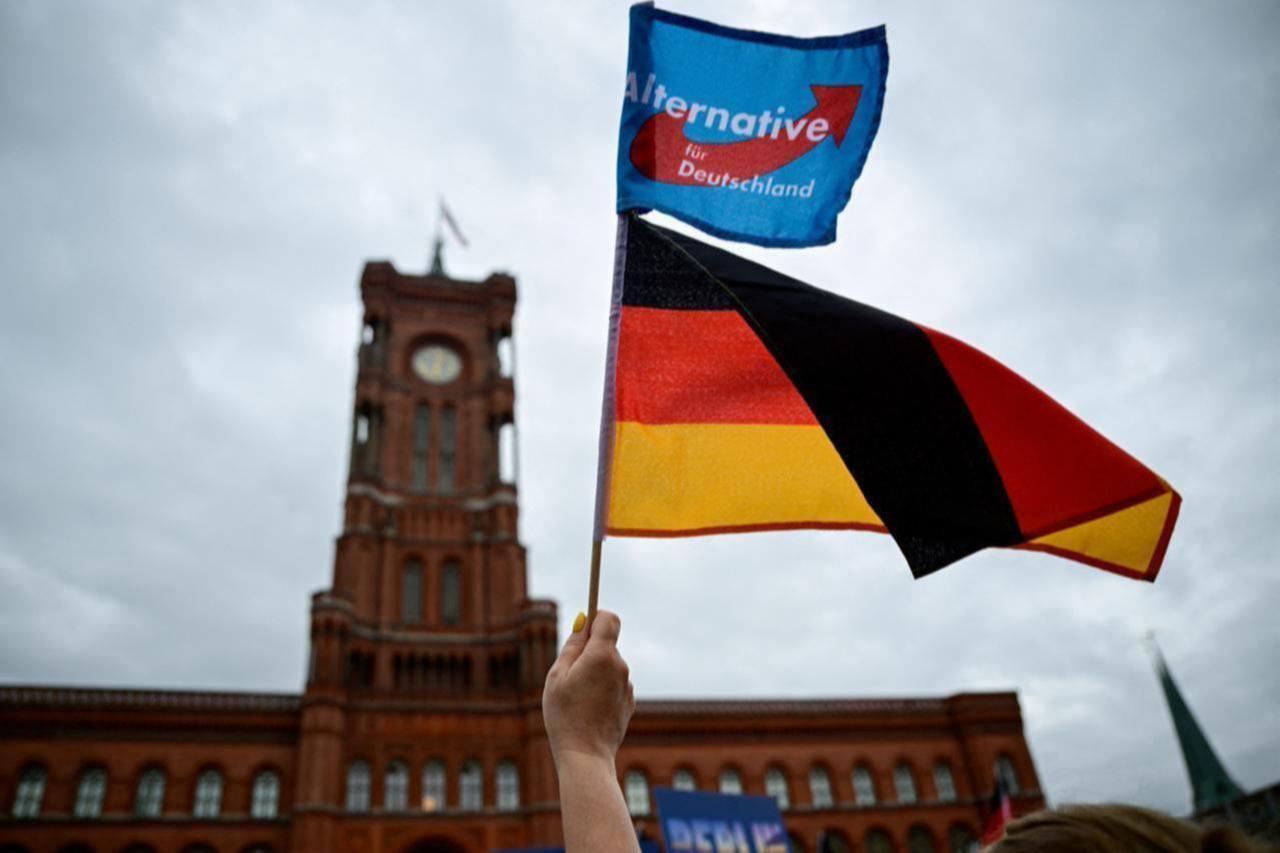


Lawmakers from the far-right Alternative for Germany (AfD) and the far-left BSW passed a motion in the Saxony-Anhalt state parliament on Wednesday calling for an end to German military support for Ukraine and a normalisation of relations with Russia.
The motion is purely advisory, but it urges the state government to raise the issue in the Bundesrat, the upper house of the national parliament, which represents Germany’s 16 federal states.
The text called for Germany to halt financial support for Ukraine beyond humanitarian assistance. “Financial support for Ukraine that goes beyond humanitarian aid must be stopped immediately,” it said. It also called for the “immediate” lifting of sanctions against Moscow.
The motion argued that the West’s approach to the war has backfired. It said the “one-sided stance” had not helped end the conflict and had instead prolonged the suffering of the population and raised the risk of the war spreading to other countries. It further demanded an “immediate ceasefire and the initiation of peace negotiations with Russia”.
The document made no mention of Russia’s responsibility for starting the war by invading Ukraine.
The AfD scored a stunning electoral victory in Saxony-Anhalt last month and has since teamed up with the BSW to form a working majority in the regional parliament. The two parties sit at opposite ends of the political spectrum but are united in denouncing the economic sanctions that Western nations imposed on Russia after its full-scale invasion of Ukraine. Both have also demanded that Germany, one of Ukraine’s most important supporters, halt its military aid.
The AfD hopes to take control of the state government in December. It remains unclear whether the party’s leader, Ulrich Siegmund, will be able to secure enough votes to become state premier.
The regional motion runs counter to the position of the national government. Chancellor Friedrich Merz has pledged to keep supporting Kyiv at all costs and has accused Russia of waging a campaign of sabotage, disinformation and espionage against Germany.
Moscow, for its part, has consistently refused to enter peace talks or agree to a ceasefire until its demands are met. Those demands include large slices of Ukrainian territory.


 Set as preferred source
 Set as preferred source


 1 min read
 1 min read