Newsletters


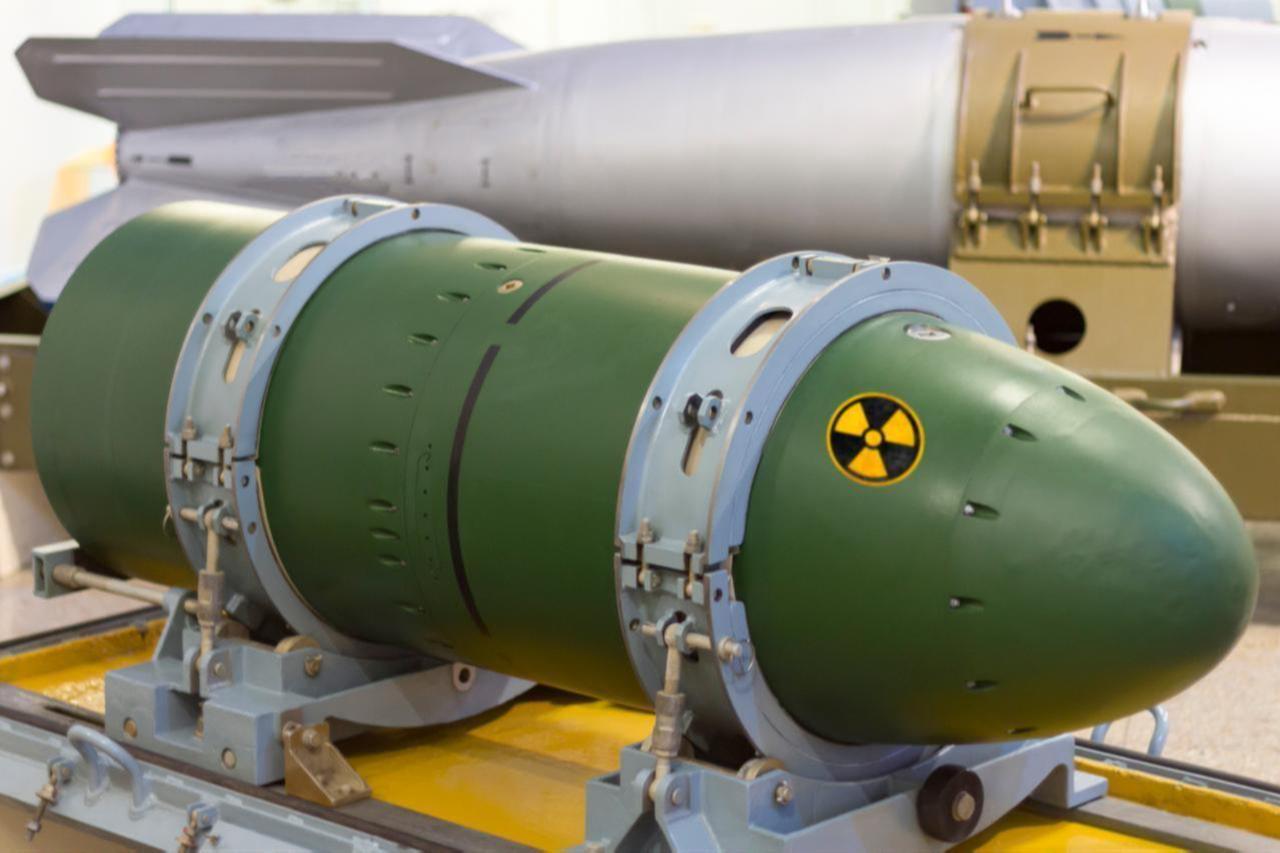


Finland’s parliamentary defense committee backed a proposed legal change that would allow nuclear weapons to be transported into the country during crises, saying the measure would strengthen national security and NATO deterrence.
A majority of the committee supported the government’s plan to amend existing legislation, Finland’s parliamentary communications unit said Tuesday, according to public broadcaster Yle.
The proposal would remove a provision in the Nuclear Energy Act that currently bans the import, manufacture, possession and detonation of nuclear explosives.
The government instead wants to place restrictions on nuclear weapons in the criminal code while creating an exception that would allow nuclear arms to be transported into Finland under crisis conditions.


The defense committee said the proposed framework would bring Finland closer to the legal arrangements used by Sweden, Norway and Denmark.
It said the change would reinforce deterrence at a time of heightened security concerns linked to Russia’s actions.
Although NATO’s deterrence posture is based mainly on conventional forces and missile defense, the committee said nuclear capabilities remain central to preventing escalation.
“The purpose of deterrence is precisely to prevent war and prevent pressure against the alliance, and thus bring as much security as possible and ensure the preservation of peace,” committee Chair Heikki Autto said in a statement.
The committee said the proposal would support the credibility of NATO’s deterrence while maintaining Finland’s national decision-making powers.
The committee stressed that the amendment would not transfer authority away from Finnish state institutions.
It also said the measure would not change Finland’s international arms-control obligations or its status as a non-nuclear-weapon state.
The proposal concerns the transport of nuclear weapons during crisis conditions rather than their permanent deployment or Finnish possession.
The government’s plan would move the general restrictions from the Nuclear Energy Act into the criminal code while establishing a crisis-related exception.
The proposal remains politically divisive despite the committee majority’s support.
The opposition Social Democratic Party, the Greens, and the Left Alliance issued a joint dissenting opinion.
The committee’s endorsement allows the proposed legal change to move forward while debate continues over the role of nuclear deterrence and Finland’s responsibilities as a NATO member.


 Set as preferred source
 Set as preferred source


 1 min read

 1 min read