Newsletters


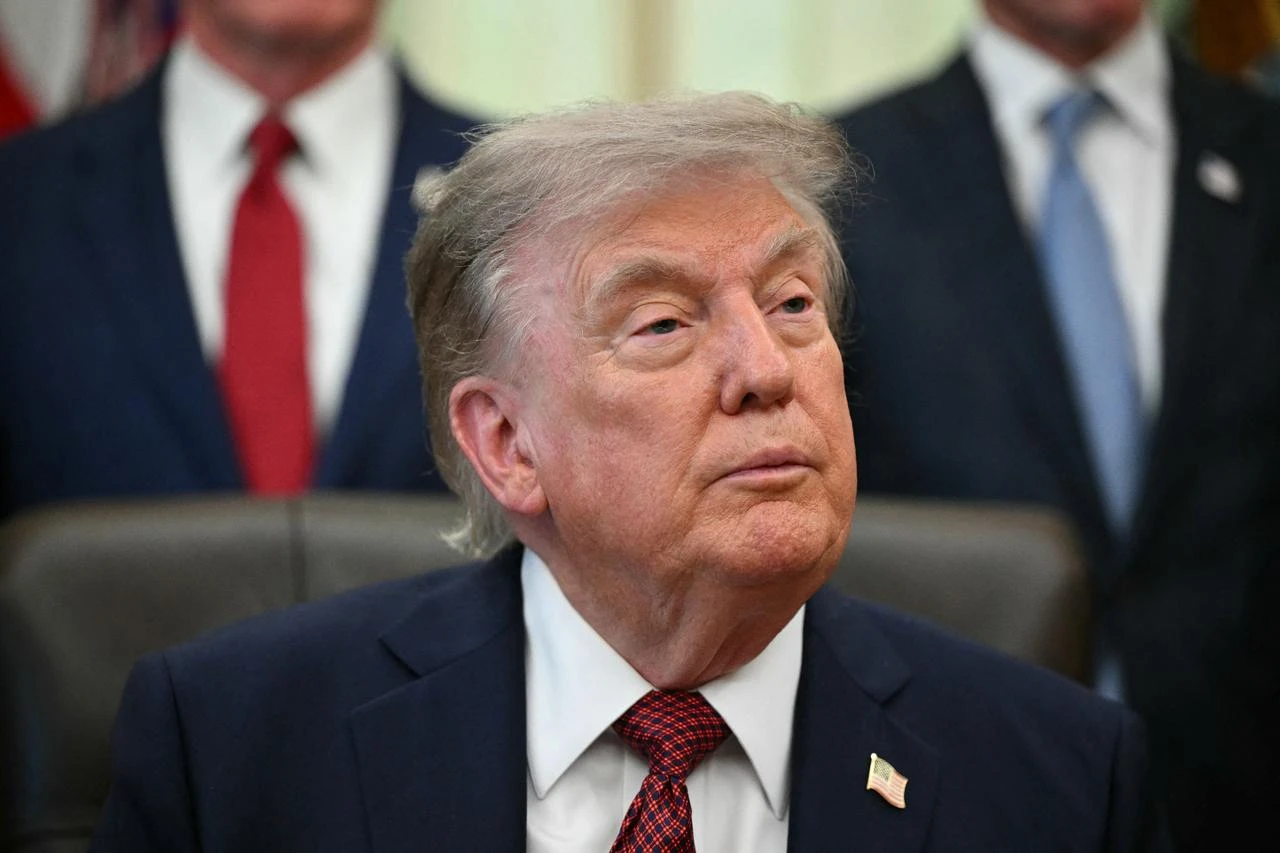


U.S. President Donald Trump said Friday that Saudi Arabia is now more likely to join the Abraham Accords, arguing that Iran's weakening regional position has removed the main obstacle to normalizing ties with Israel.
"They and others didn't want to do it because of the problem they had with Iran. That problem no longer exists. There is no longer a great power there. They are disappearing day by day," Trump said. "At some point, the Saudis will join the Abraham Accords and implement their civilian nuclear program."
Trump's remarks came a day after he announced that Saudi Arabia would need to formally recognize Israel before Washington moves ahead with a newly signed civilian nuclear cooperation pact.
Signed on Wednesday by U.S. Energy Secretary Chris Wright and Saudi Energy Minister Prince Abdulaziz bin Salman, the so-called Section 123 agreement lays out the legal framework for civilian nuclear cooperation between the two countries.
It allows American companies to participate in developing Saudi Arabia's nuclear power sector under U.S. nonproliferation standards.
Shortly after the agreement was signed, Trump wrote on Truth Social that it would be approved only if Saudi Arabia joined the Abraham Accords, adding that the United States supported only civilian, non-enriched nuclear facilities.
The agreement must still be reviewed by Congress before it can take effect.
The Abraham Accords, brokered by the United States during Trump's first term, established diplomatic relations between Israel and the UAE, Bahrain, Morocco and Sudan.
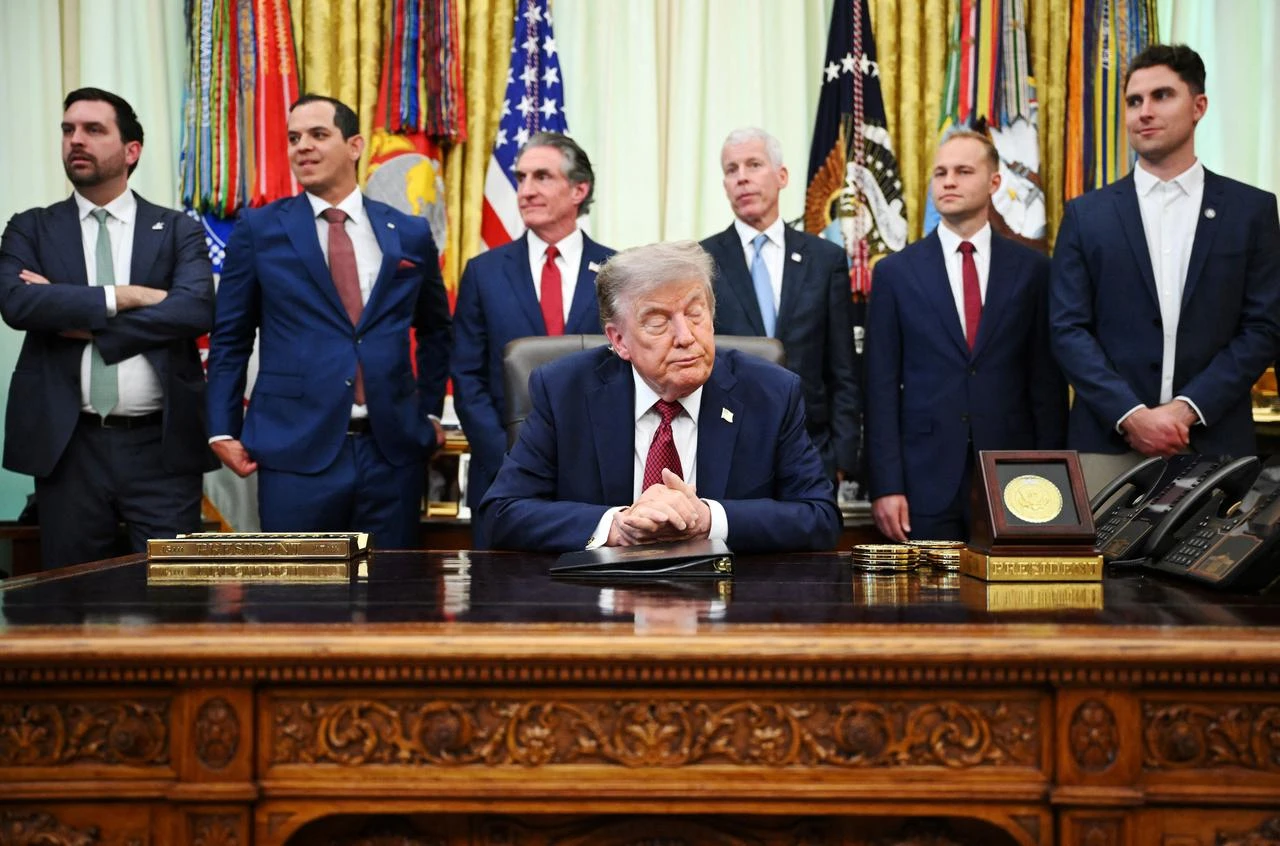
Trump also pointed to Iran's strongest commitment yet in negotiations with Washington but stressed that he had not decided whether to authorize major military strikes.
"We're talking to them right now. I think they're getting more and more serious as the days go by, for maybe the obvious reason," he told reporters in the Oval Office.
Asked whether he had approved large-scale military action against Iran, Trump replied, "No, I haven't."
"We can take that to a much higher level if we want to, we're prepared to do that... We're locked and loaded and ready to go," he added, while emphasizing that diplomacy remained the preferred course.
Hours earlier, a report by The New York Times said that he had met with senior advisers at the White House on Friday to discuss the possibility of launching a large-scale military operation against Iran.
U.S. and Iran have continued to exchange fire across the region since the collapse of the ceasefire earlier this month, while indirect negotiations remain underway despite the ongoing hostilities.


 Set as preferred source
 Set as preferred source


 2 min read
 1 min read