Newsletters


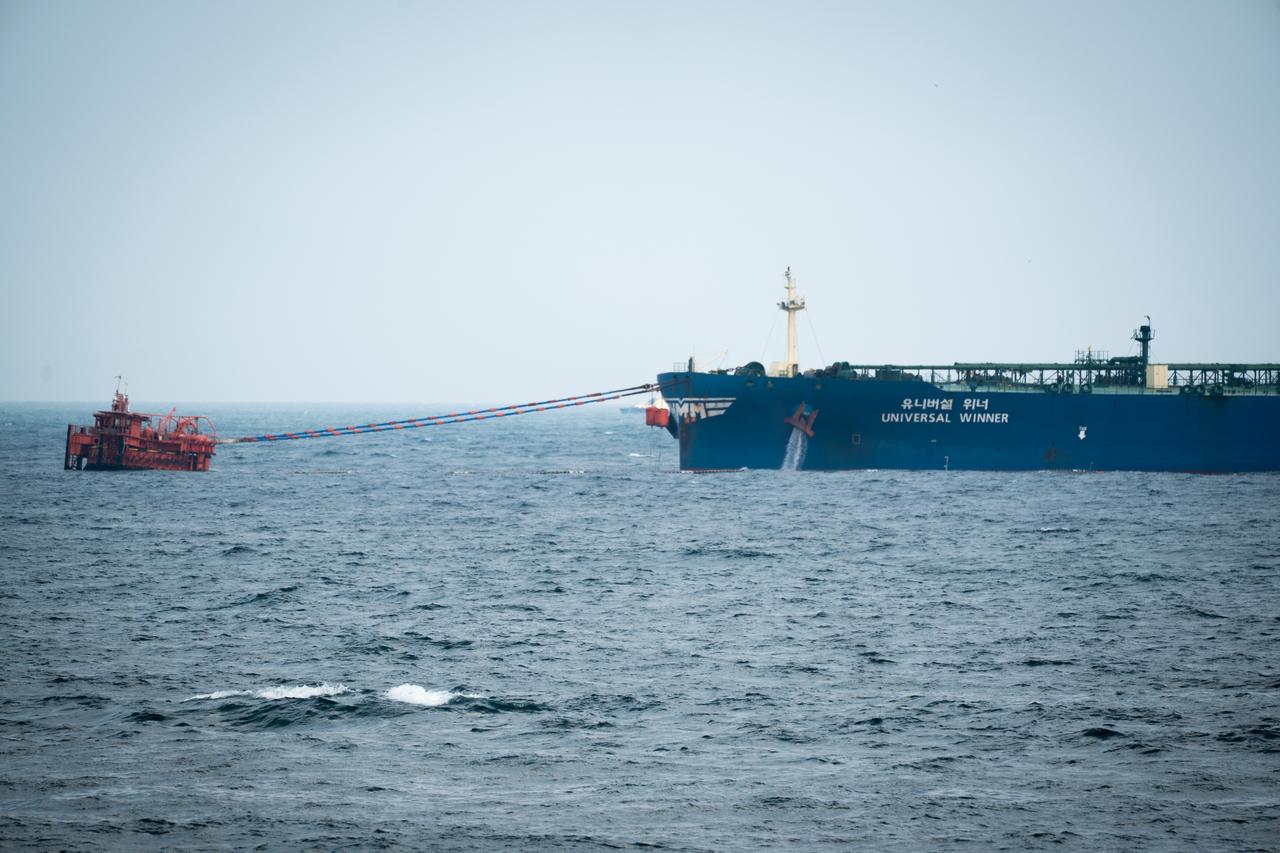


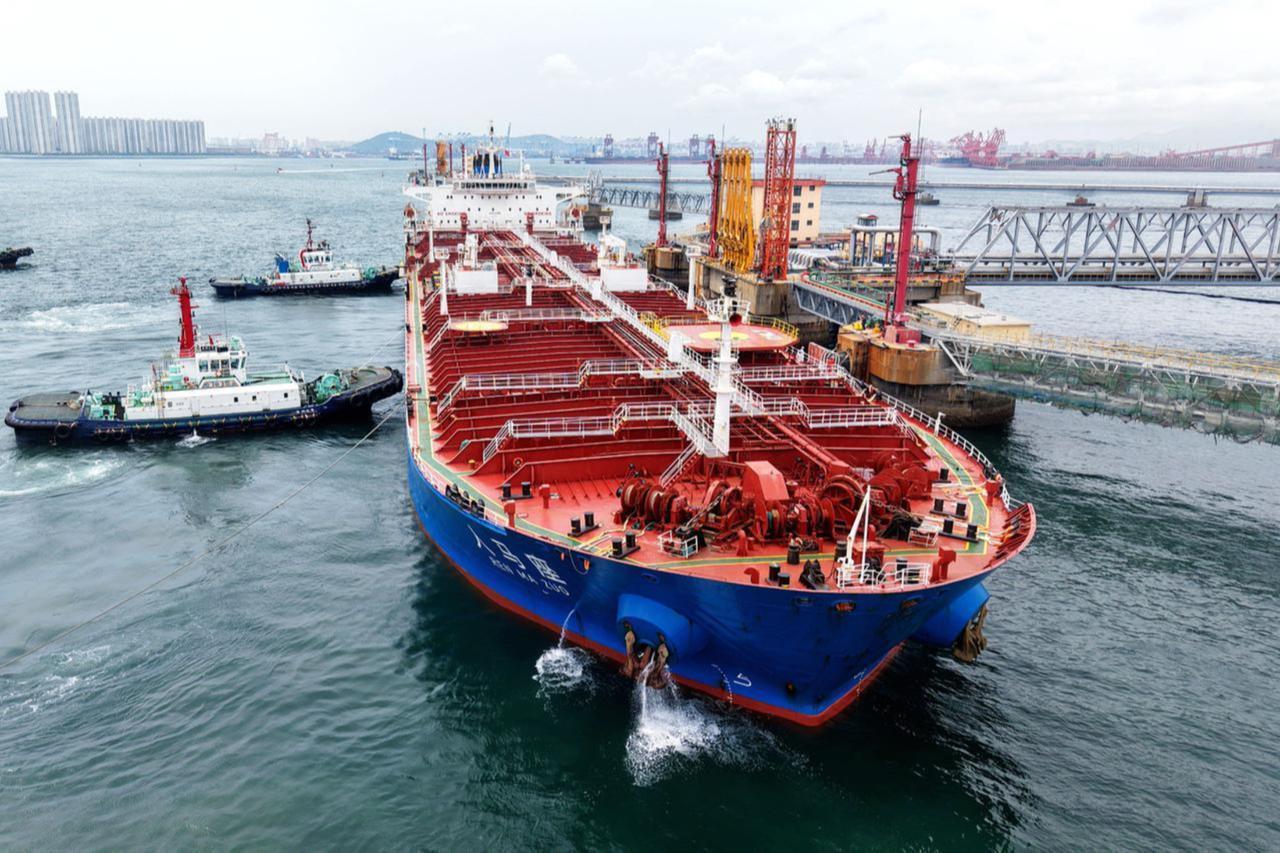
The first tankers carrying Iranian crude oil have exited the blockade zone in the Strait of Hormuz, according to a shipping-tracking service, as Washington and Tehran prepare to launch negotiations on a final peace agreement later this week.
The talks are set to begin Friday at Switzerland’s Burgenstock resort, where officials are expected to discuss Iran’s nuclear program, sanctions relief and other unresolved issues following a recently announced framework agreement.
TankerTrackers, a website that monitors oil shipments and storage, reported what it described as Iran’s “first crude oil exports in two months,” citing vessel-tracking data and satellite imagery.
“At least two National Iranian Tanker Company (NITC) Very Large Crude Carrier (VLCC) supertankers named DIONA and HERO2 have exited the U.S. Navy blockade perimeter carrying a combined total of 3.8 million barrels of Iranian crude oil between them,” the group said on X. It later reported that a third tanker had also departed.
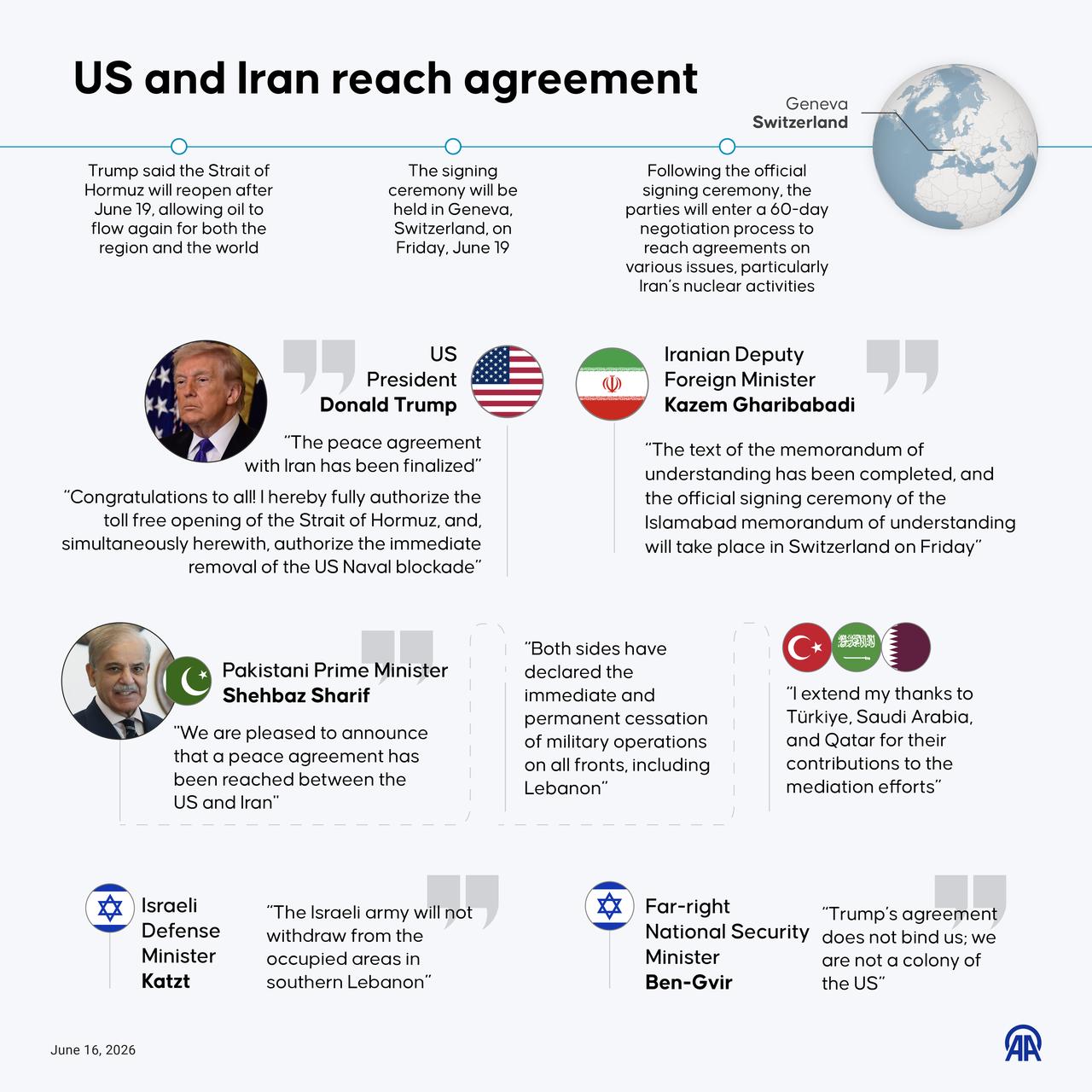

According to officials, negotiations on a final settlement will begin immediately after the signing ceremony in Switzerland and continue over a 60-day period, during which both sides will seek agreements on Iran’s nuclear activities and the lifting of international sanctions.
The Wall Street Journal reported Tuesday that the United States would allow Iran to resume oil and fuel exports immediately under the framework agreement. Citing unnamed sources familiar with the arrangement, the newspaper said sanctions waivers covering oil sales, banking, transportation and insurance would take effect following the signing.
Some U.S. lawmakers have expressed reservations about the agreement, with Senate Republicans reportedly seeking access to the text and additional briefings from the Trump administration.
“Let’s look at it and see what it actually is,” Senate Majority Leader John Thune was quoted as saying by the newspaper.
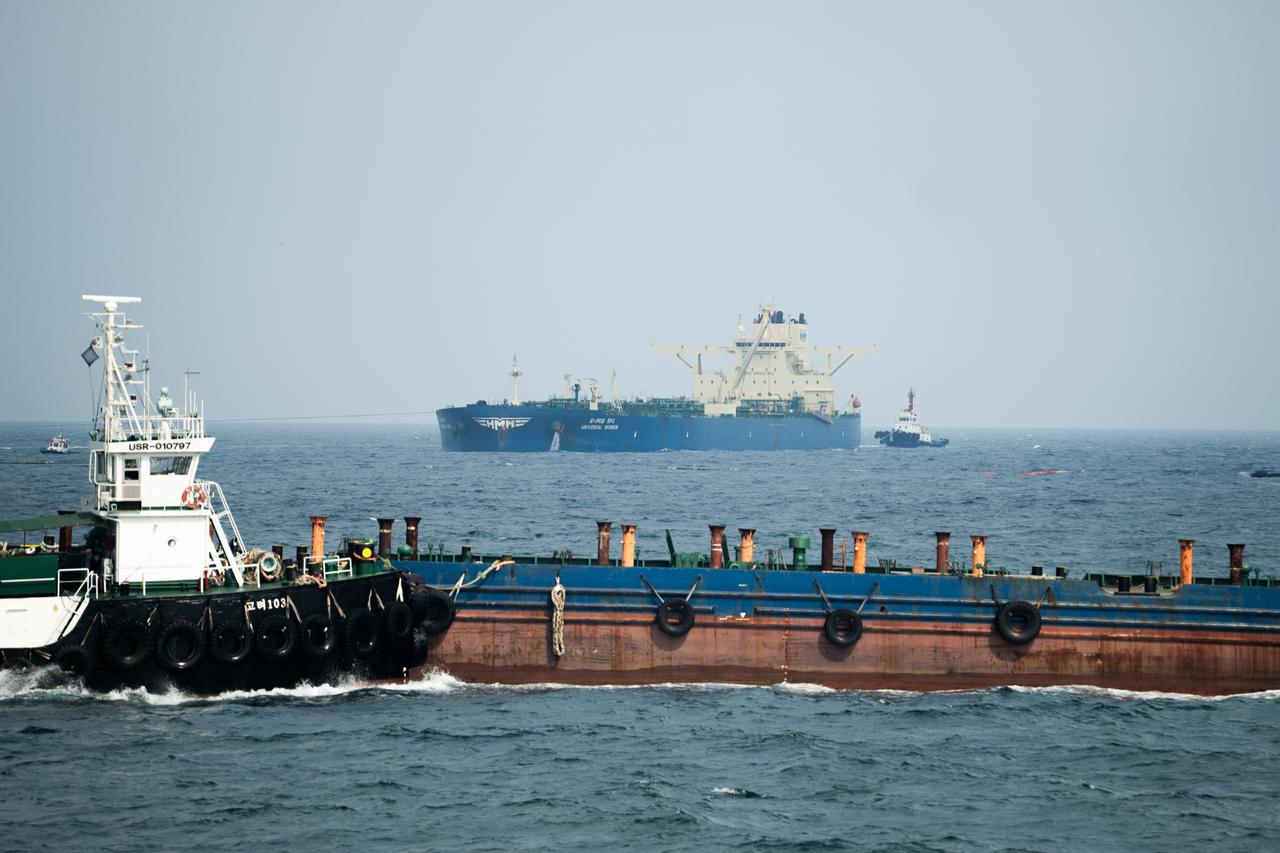
Expectations that maritime traffic through the Strait of Hormuz will resume have pushed oil prices lower.
Brent crude traded at $78.74 per barrel on Wednesday, while U.S. benchmark West Texas Intermediate (WTI) stood at $75.85.
U.S. President Donald Trump said at the G7 summit that the agreement would soon be made public.
“It’s a very powerful document, and I want it to be released. So probably pretty soon,” Trump said.
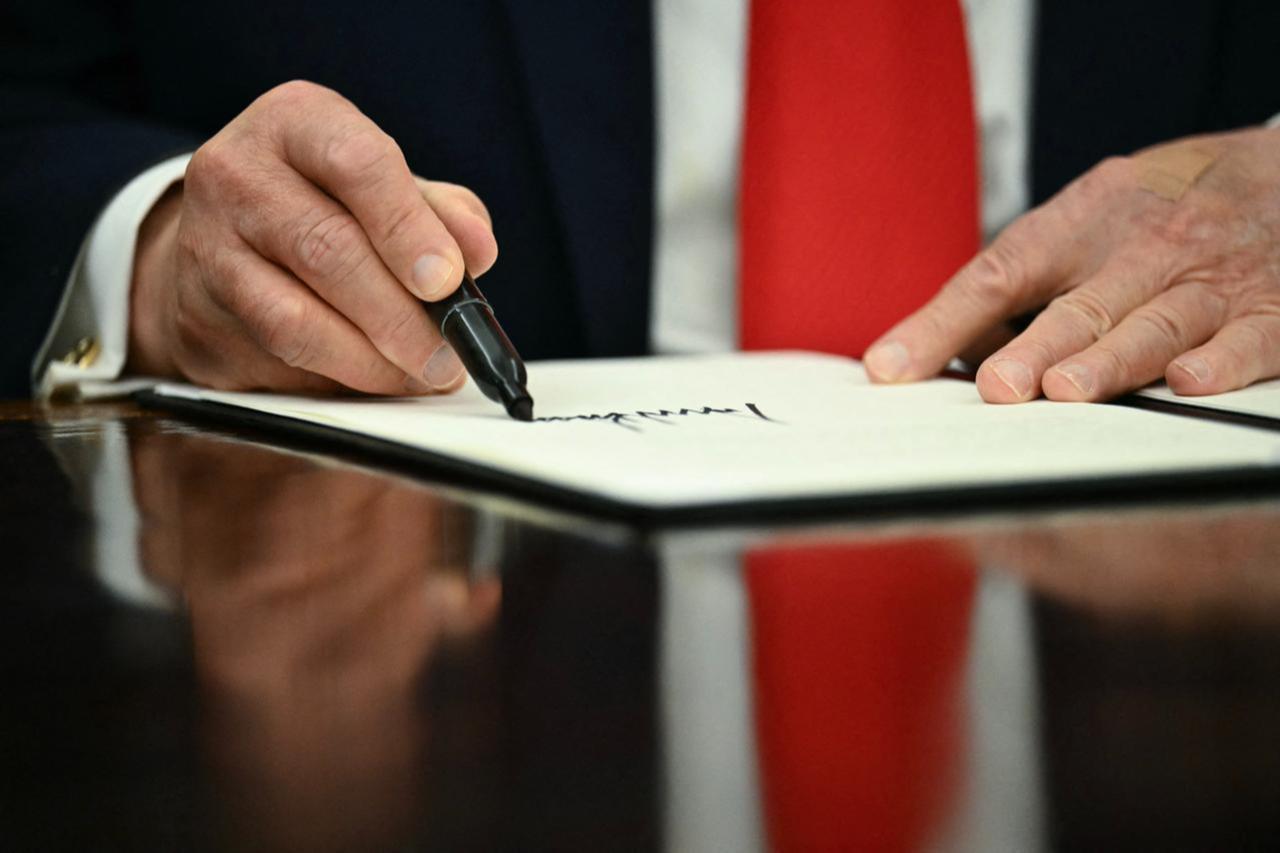
According to a senior U.S. official speaking on condition of anonymity, the framework agreement has already been signed electronically by Trump, Vice President JD Vance, Iranian Deputy Foreign Minister Majid Takht-Ravanchi and senior negotiator Mohammad Bagher Ghalibaf.
Iranian Foreign Minister Abbas Araghchi confirmed that a new round of negotiations with the United States is expected to begin on Friday.
“In the final agreement, decisions will be made on the nuclear issues and the lifting of sanctions,” Araghchi said.
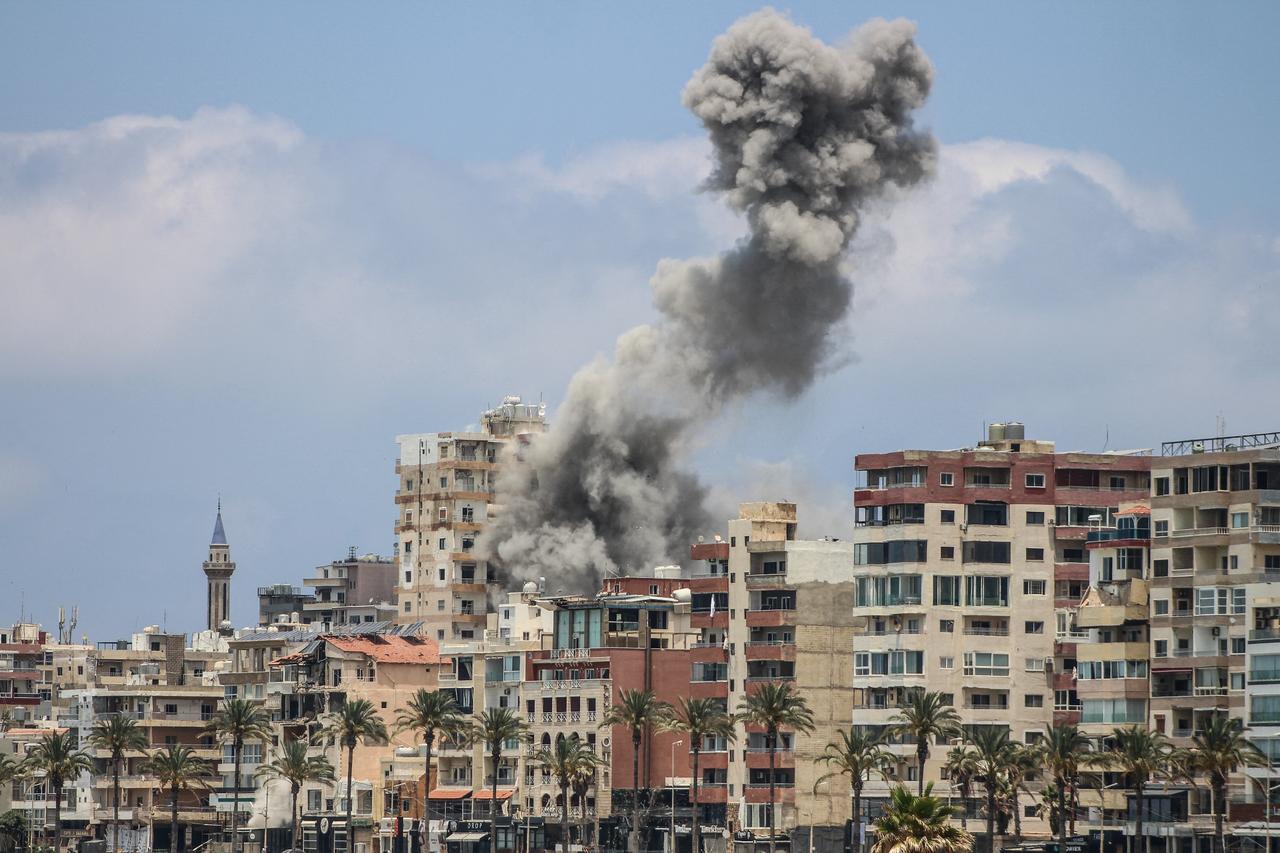
Despite progress on the diplomatic front, tensions continued in Lebanon.
The Israeli military said it carried out strikes in southern Lebanon after identifying what it described as a suspicious vehicle near Israeli forces. It also reported intercepting rockets and striking a launcher.
Iran’s central military command warned that Israel should “await a harsh response” for the attacks.
Lebanon’s state news agency reported that Israeli strikes targeted two vehicles in Mayfadoun and another in nearby Shukeen, killing four people.
The conflict in Lebanon remains one of the key challenges facing the broader diplomatic process.
Weeks of indirect negotiations mediated by Pakistan and Qatar helped produce the current framework agreement, but major differences remain over Iran’s uranium enrichment program and the future of sanctions.
While the United States and Israel continue to press for the dismantling of Iran’s stockpile of highly enriched uranium, Tehran insists that its right to enrich uranium remains non-negotiable.
Araghchi urged caution about expectations surrounding the negotiations.
“We have a history of broken commitments. We have a history of agreements being torn up. All of this is present in our minds,” he said.
Analysts have warned that continued fighting involving Israel and Hezbollah could complicate efforts to reach a comprehensive settlement.
Ross Harrison, a senior fellow at the Middle East Institute, said the Lebanon front could become “the biggest ultimate spoiler” of the upcoming negotiations.


 Set as preferred source
 Set as preferred source


 1 min read
 1 min read