Newsletters




A copy of the 14-point memorandum of understanding set to be signed Friday between Washington and Tehran, obtained by Al Arabiya English, reveals sweeping mutual commitments covering Iran's nuclear program, immediate oil export relief, the lifting of a naval blockade on the Strait of Hormuz, and a path toward the elimination of all U.S. and international sanctions on the Islamic Republic.
The document, reported Tuesday, would freeze Iran's nuclear program at current levels during a 60-day negotiating window while prohibiting the United States from imposing new sanctions or reinforcing its military presence in the region.
Iran, for its part, reaffirmed in the text that it would never develop nuclear weapons, while both sides agreed to resolve the fate of Iran's enriched uranium stockpile and all remaining nuclear-related questions, including Tehran's stated civilian energy needs, in a final agreement.
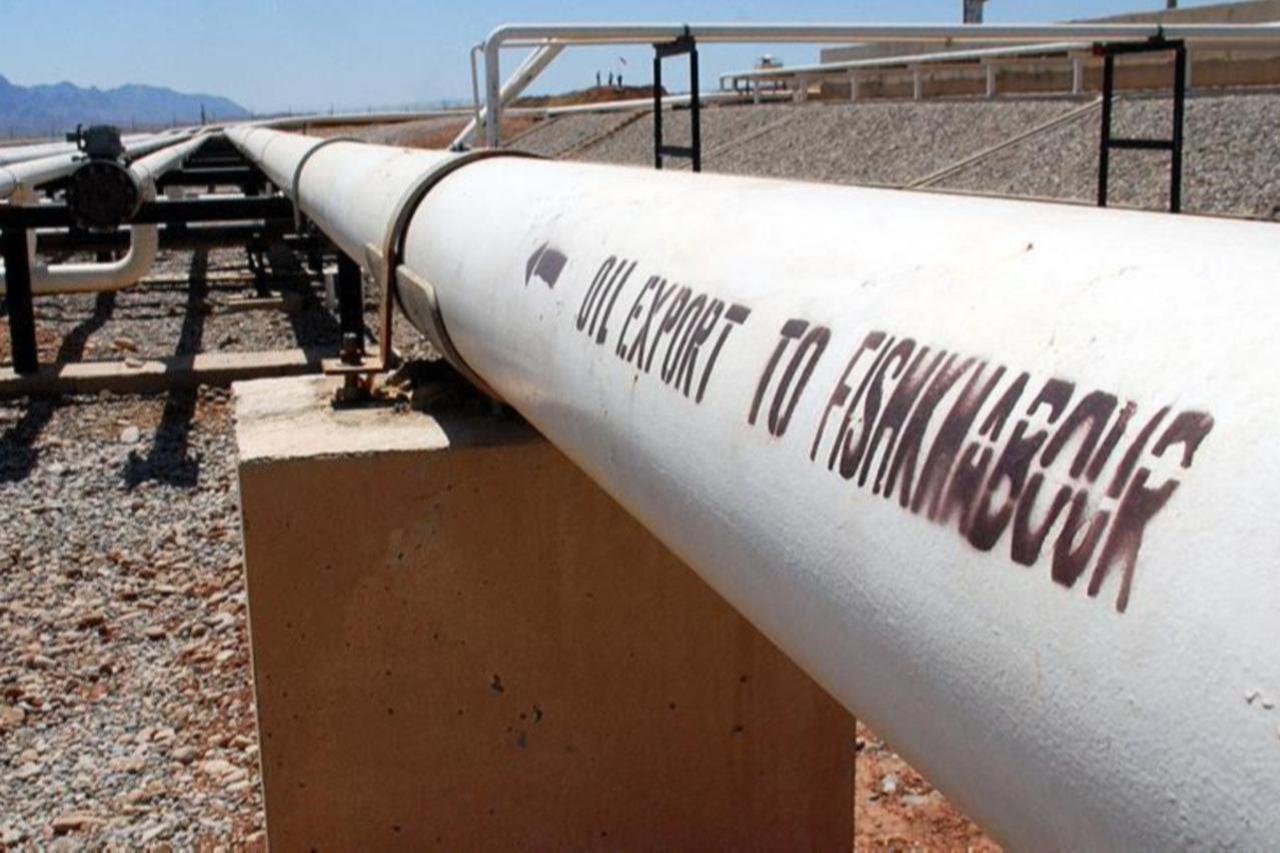

Among the memorandum's most immediate economic provisions, the U.S. Treasury Department would issue waivers upon signing for exports of Iranian crude oil, petrochemical products and all related services, including banking, insurance and transportation, to remain valid until formal sanctions are lifted.
A senior U.S. official told Reuters that Iran would be permitted to resume oil sales immediately after the deal is signed, contingent on full compliance with agreed terms, particularly non-interference with freedom of navigation in the Strait of Hormuz.
The memorandum commits the United States to eventually ending all categories of sanctions on Iran, encompassing United Nations Security Council resolutions, International Atomic Energy Agency board decisions, and all primary and secondary U.S. unilateral measures, on a timeline to be finalized in the comprehensive agreement.
The completed deal would be enshrined in a binding UN Security Council resolution.
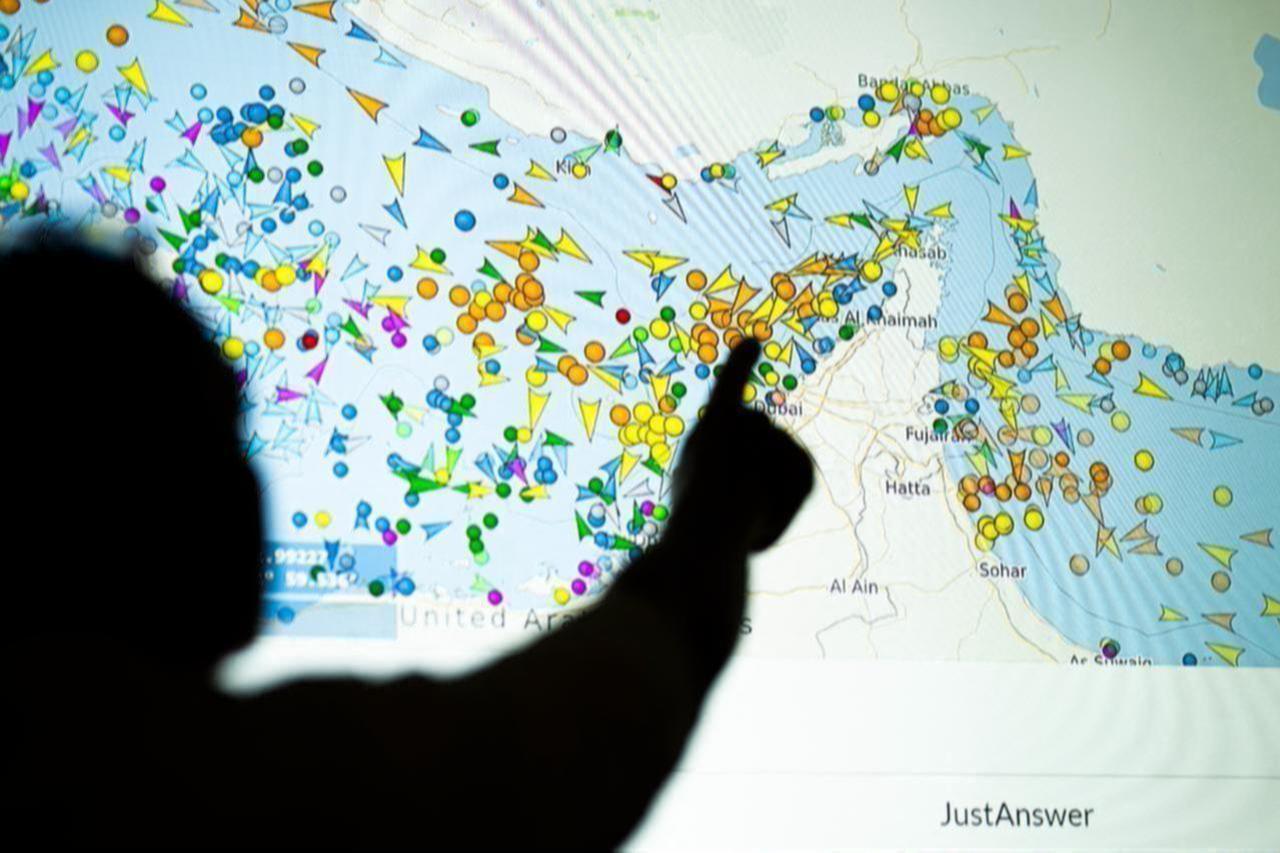
The Strait of Hormuz, the narrow waterway through which roughly a fifth of the world's oil supply passes, sits at the operational center of the memorandum.
The United States committed to lifting its naval blockade immediately upon signing and to restoring shipping traffic to pre-war volumes within 30 days.
Iran, in parallel, committed to ensuring safe passage for commercial vessels between the Persian Gulf and the Sea of Oman within the same timeframe, including the neutralization of mines it had placed in the waterway.
Sources briefed on the talks told Haaretz that approximately $24 billion in frozen Iranian assets would be released in four installments, with disbursement conditioned on Iranian compliance with U.S. demands related to the strait and on progress in nuclear negotiations.
The funds could be structured as targeted economic assistance, including financing for mine-clearing operations in the waterway itself.
President Donald Trump dismissed as "fake news" separate reports that his administration had agreed to a $300 billion reconstruction fund for Iran, posting the denial on Truth Social.
The memorandum does, however, commit the United States and its regional partners to developing a comprehensive rehabilitation and economic development plan for Iran with financing of at least $300 billion, with an implementation mechanism to be formulated within 60 days as part of the final agreement.
Vice President JD Vance, speaking to CNN, described the memorandum as "a very general document," while telling NBC that the agreement would include the return of international inspectors to Iran's nuclear facilities. He said he believed Israel would ultimately come to support the deal as it develops.
Iran's Foreign Minister Abbas Araghchi said negotiations toward a final agreement would begin on the same day the memorandum is signed and continue for up to 60 days, extendable by mutual consent, covering both the nuclear file and the full lifting of sanctions.
The memorandum stipulates that once both sides receive assurances that key provisions, including the Hormuz shipping restoration, sanctions waivers and frozen asset releases, are being implemented, formal negotiations on a comprehensive final agreement would commence.
That agreement would then require approval through a binding UN Security Council resolution, giving the eventual deal the force of international law.


 Set as preferred source
 Set as preferred source


 1 min read
 1 min read