Newsletters


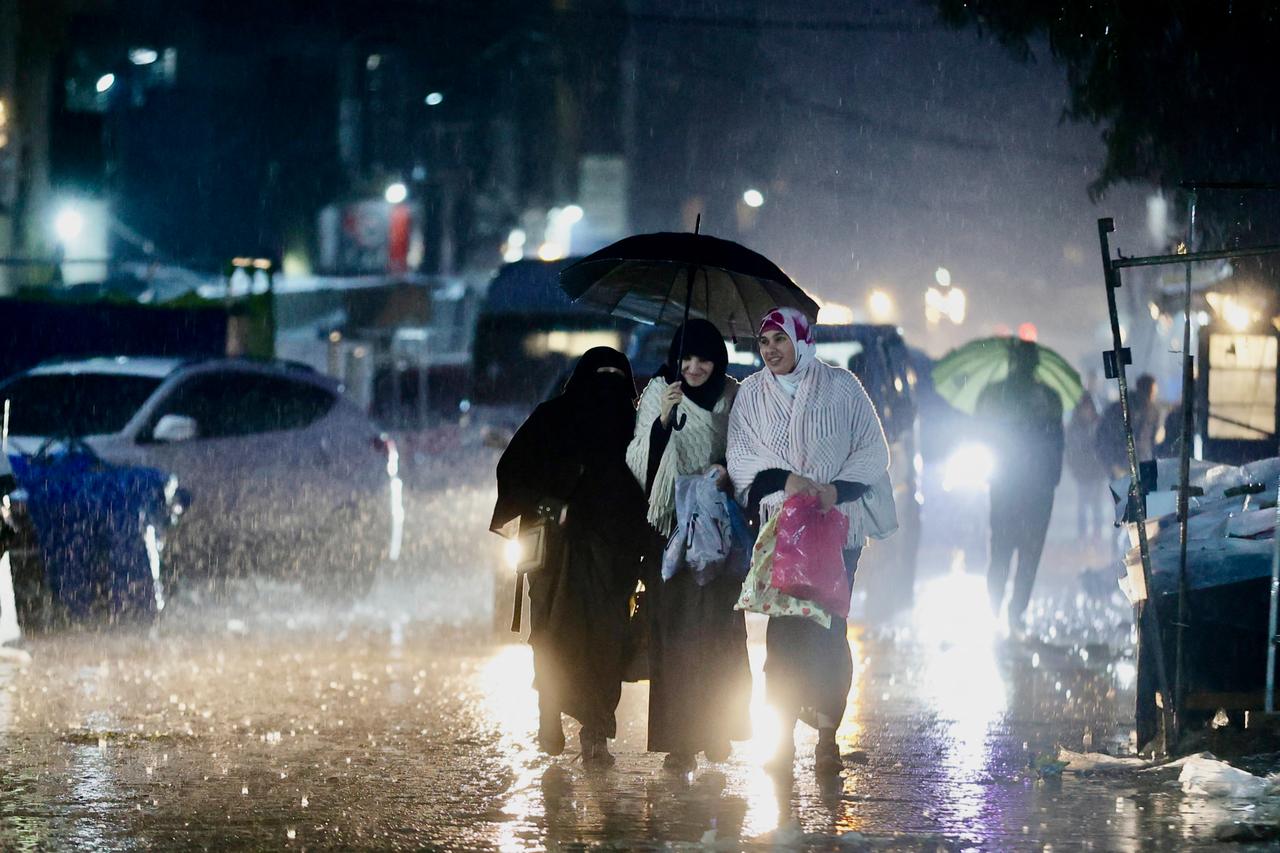


The United Nations warned Tuesday that plunging temperatures and severe aid shortages are increasing the risk of death in the Gaza Strip, describing the ceasefire as fragile and condemning continued restrictions on humanitarian access.
Ramez Alakbarov, deputy special coordinator for the Middle East peace process, described the Gaza ceasefire agreement as “fragile,” warning of a growing risk of death from cold amid a shortage of humanitarian aid.
In his address to the U.N. Security Council during a meeting held Tuesday at U.N. headquarters in New York to discuss the situation in the Middle East, Alakbarov said humanitarian access remains limited and faces Israeli security restrictions, hindering the regular entry of aid.
He also condemned Israeli shelling that targets civilians and destroys infrastructure in Gaza.
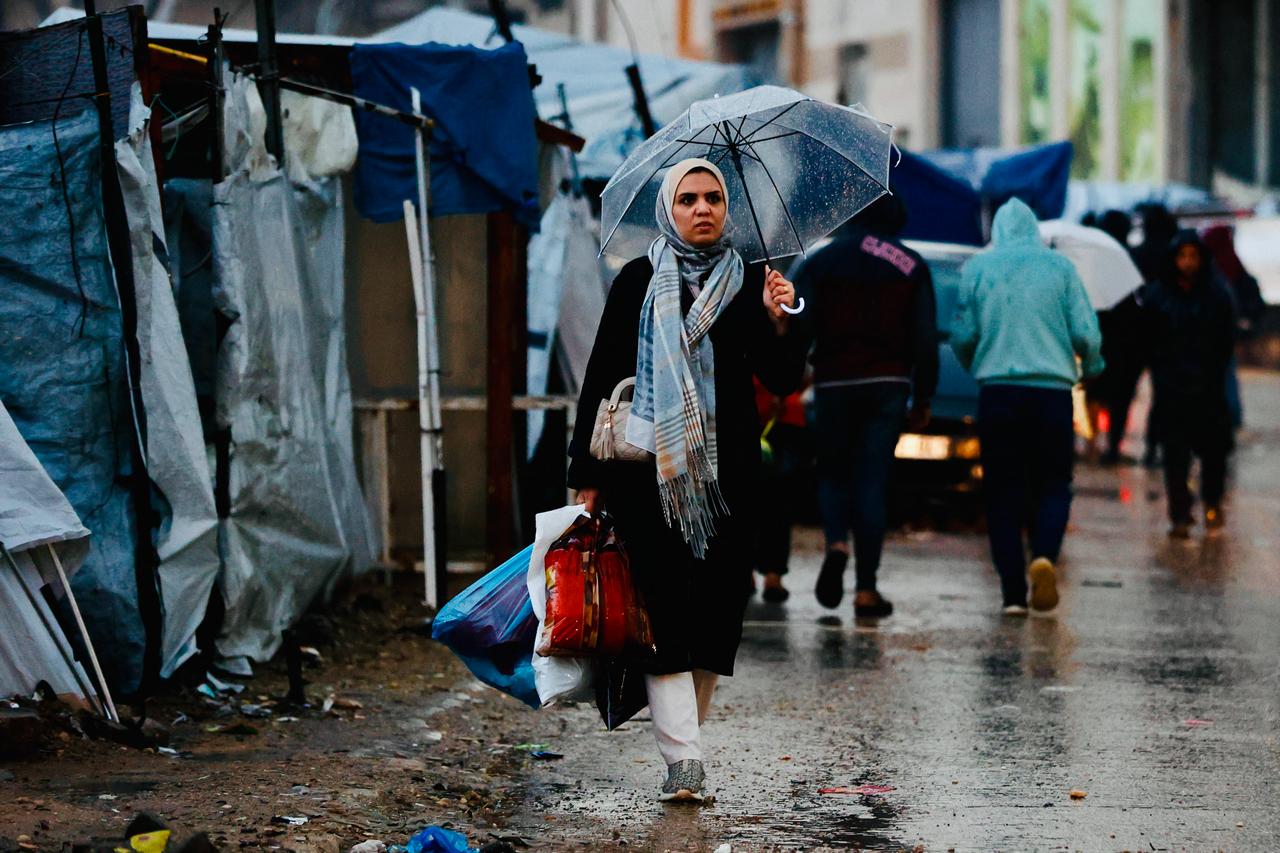

The UN official also welcomed the release of Israeli captives and the return of bodies by Hamas, as well as the efforts of mediators to prevent escalation, calling for support for the ceasefire alongside immediate measures to begin reconstruction.
The warning comes at a time when the Gaza Strip is facing an unprecedented humanitarian crisis, making the winter season an additional threat to the lives of hundreds of thousands of civilians.
Gaza’s population continues to face an ongoing humanitarian catastrophe, marked by widespread destruction of infrastructure and severe shortages of aid, despite the fragile ceasefire agreement.
The blockade and restrictions have further exacerbated the humanitarian situation, with U.N. warnings of a complete economic collapse and the risk of famine and disease.
Regarding the West Bank, Alakbarov expressed strong condemnation of the surge in violence by Israeli settlers, particularly during the olive harvest season, stressing that settlements are illegal and violate international law, and calling for an immediate halt to settlement expansion.
The U.N. official also said Israeli military operations in the northern West Bank have resulted in deaths, forced displacement, and widespread destruction, amid escalating attacks that international reports describe as the highest levels seen in years.
The West Bank has witnessed an unprecedented escalation in settler attacks, carried out under the protection of the Israeli army, leading to the killing and injury of Palestinians and the destruction of property, particularly in areas such as Nablus, Ramallah, and Bethlehem.


 Set as preferred source
 Set as preferred source



 1 min read