Newsletters


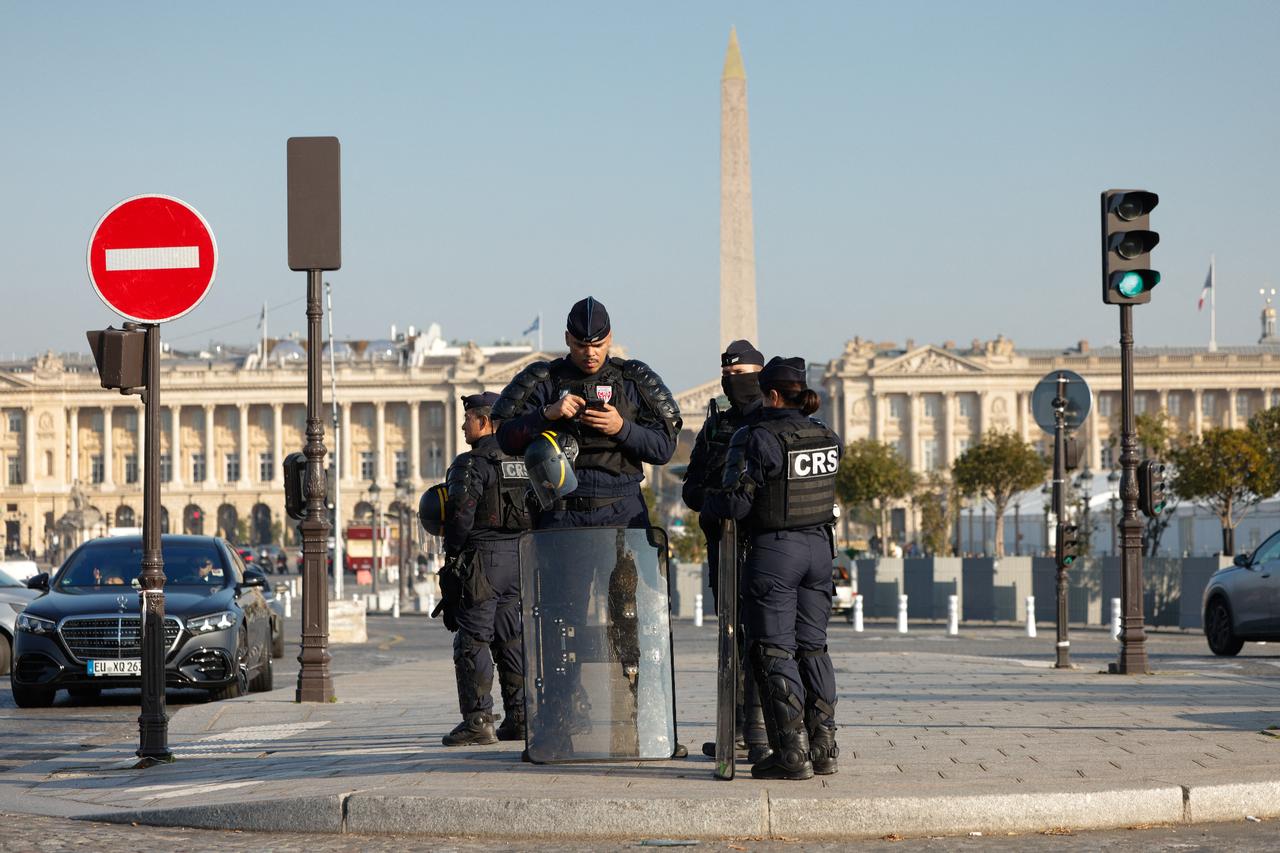


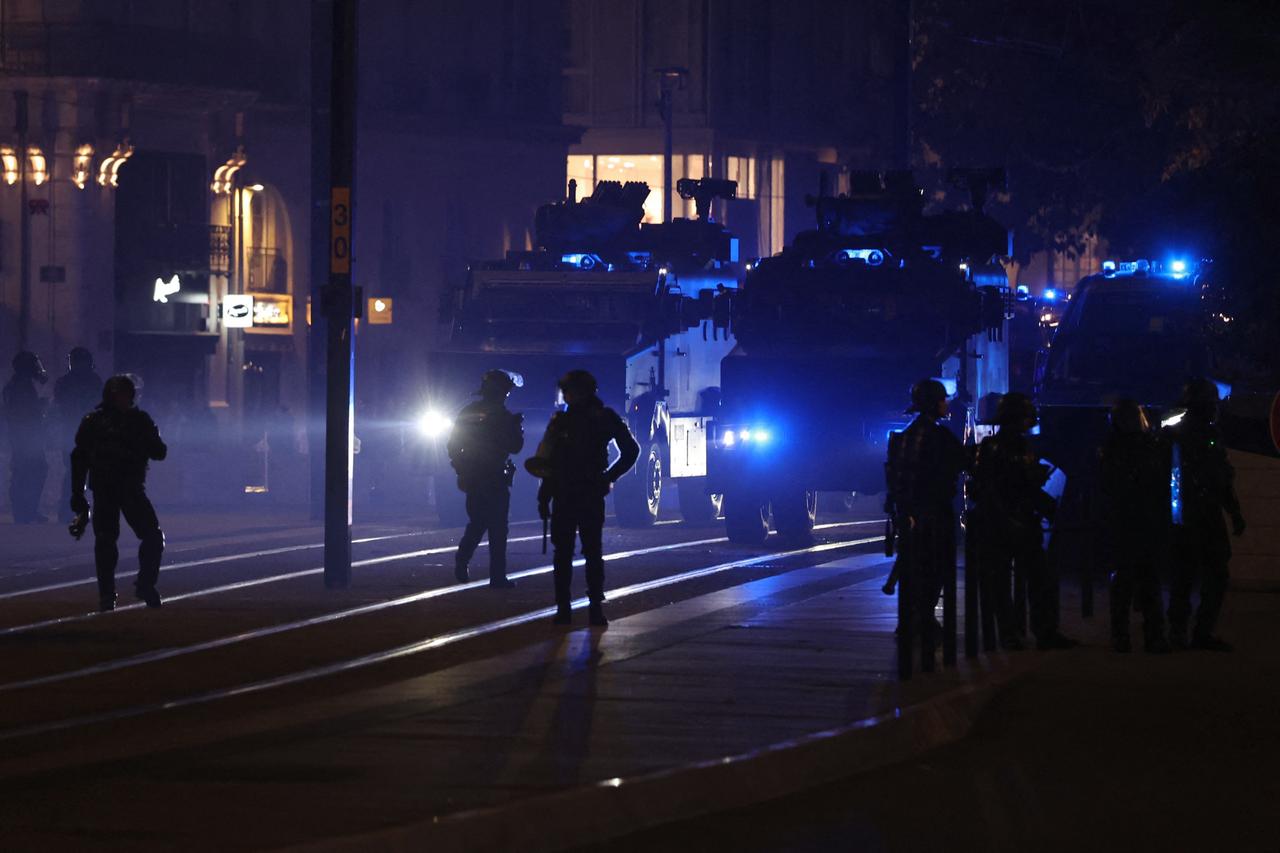
France deployed 70,000 police officers and gendarmes nationwide Saturday as trade unions, student groups and Yellow Vests activists prepared for another wave of demonstrations over rising living costs, with authorities warning of possible violence, blockades and property damage.
Interior Minister Laurent Nunez announced the security operation Friday, according to a statement released by the Interior Ministry on Saturday, as the country faced renewed unrest following weeks of strikes and demonstrations involving hundreds of thousands of people.
The ministry said numerous calls for demonstrations had emerged without formal leadership or union oversight, including some accompanied by appeals for violence and disruption on social media.
"If there are any rioters or looters... we'll be ready and waiting for them," Nunez warned.
Authorities have banned demonstrations in certain city centers and instructed organizers of authorized protests to follow alternative routes.
The security deployment includes 110 mobile force units, 25 Centaur armored vehicles, water cannons, helicopters and drones.
Police will also conduct checks on roads, railway lines and at train stations to confiscate potentially dangerous objects.
The Interior Ministry said peaceful demonstrations would be protected but promised "a firm response" to rioters and looters.
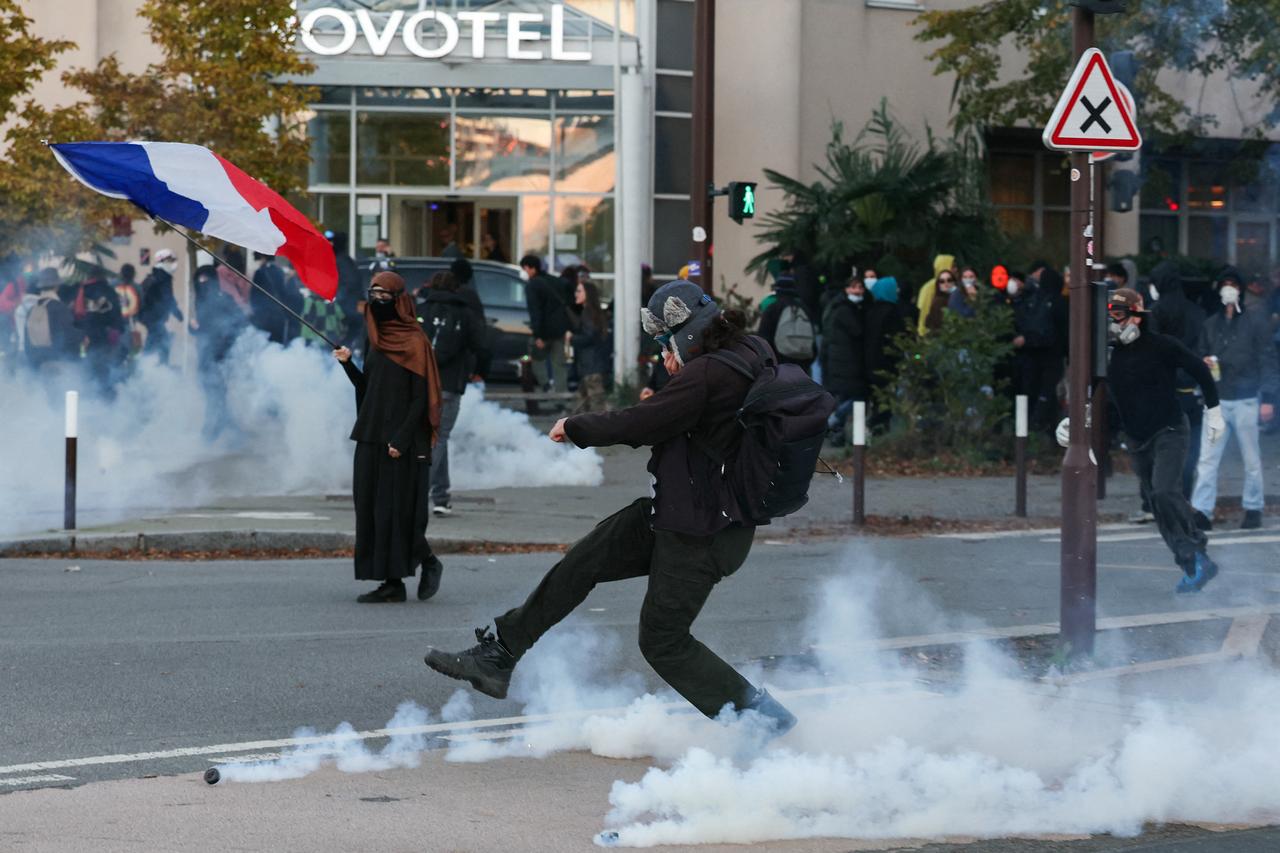

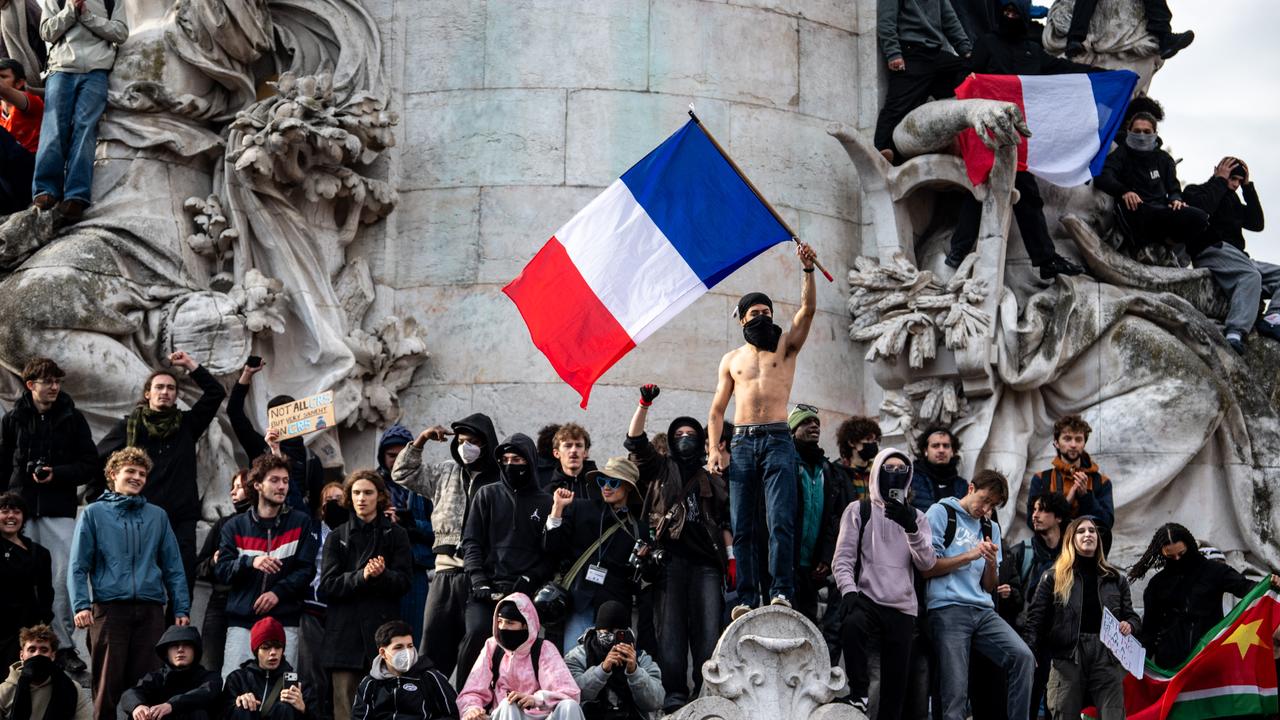
In Paris, student organizations and trade unions have called for an authorized march from Place de la Republique to Place de la Nation under the slogan "against the high cost of living and in support of young people," according to Le Monde.
The Yellow Vests movement, however, has refused to join the march, instead calling for a separate gathering at Place de la Concorde, near the National Assembly and presidential palace, despite a ban on demonstrations in the area.
"We are calling for mass disobedience," said Benjamin Ball, a member of the movement's coordinating committee.
The Yellow Vests first gained prominence eight years ago through mass grassroots demonstrations against President Emmanuel Macron's government over planned fuel tax increases.
Their renewed mobilization comes amid broader protests involving workers, students and public sector employees demanding measures to address living costs and public services.
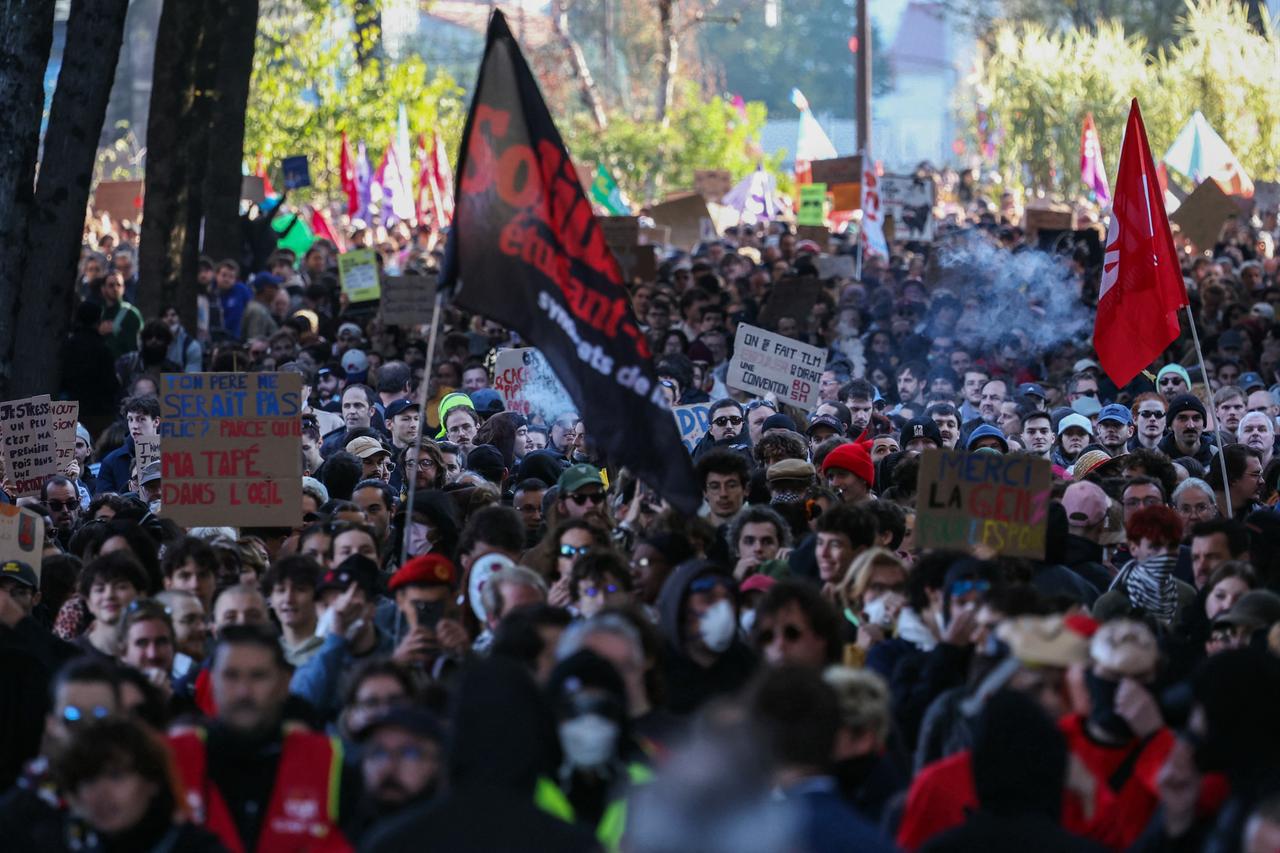
Saturday's demonstrations follow a nationwide day of action Thursday that drew hundreds of thousands of participants.
According to the Interior Ministry, approximately 575,000 people joined 193 gatherings across France on Nov. 5, including 65,000 in Paris.
Although the ministry said the protests had "generally gone well," clashes broke out between police and demonstrators in several cities, with 642 arrests reported.
The latest mobilization follows weeks of unrest that have included school blockades, strikes and occasional violence.
On Oct. 17, France experienced its worst rioting in years, with clashes and vandalism accompanying demonstrations in several cities.
The police response has also drawn criticism over allegations of excessive force, prompting dozens of internal investigations.
Following several incidents of apparent police violence against Agence France-Presse (AFP) journalists covering the demonstrations, the news agency called Friday for greater protection of reporters.
Press freedom organization Reporters Without Borders (RSF) said it had documented 40 incidents in which security personnel obstructed journalists covering the protests, including 21 cases involving physical violence.
 1 min read
The protests come less than six months before France's presidential election, which will determine Macron's successor when his term ends in May 2027.
The far right has been leading in opinion polls as the government faces mounting pressure over living costs and economic conditions.
Prime Minister Sebastien Lecornu is scheduled to meet representatives of trade unions and employers' organizations Monday to discuss wages and purchasing power.
"The only thing that will bring the protests to an end is a response to the demands that have been put forward for several weeks by workers, civil servants, young people and pensioners," an inter-union coalition said Friday.
Unions are demanding an increase in the minimum wage, across-the-board pay raises, tax reforms and improved educational conditions for young people.
France's minimum wage has not received a discretionary increase since 2012, although automatic adjustments have continued.
However, the government faces limited fiscal room to address the demands as the European Union's second-largest economy struggles to contain its debt burden.
The latest demonstrations are set to test the government's ability to maintain public order while responding to demands from workers and students.


 Set as preferred source
 Set as preferred source


 1 min read