

 Newsletters


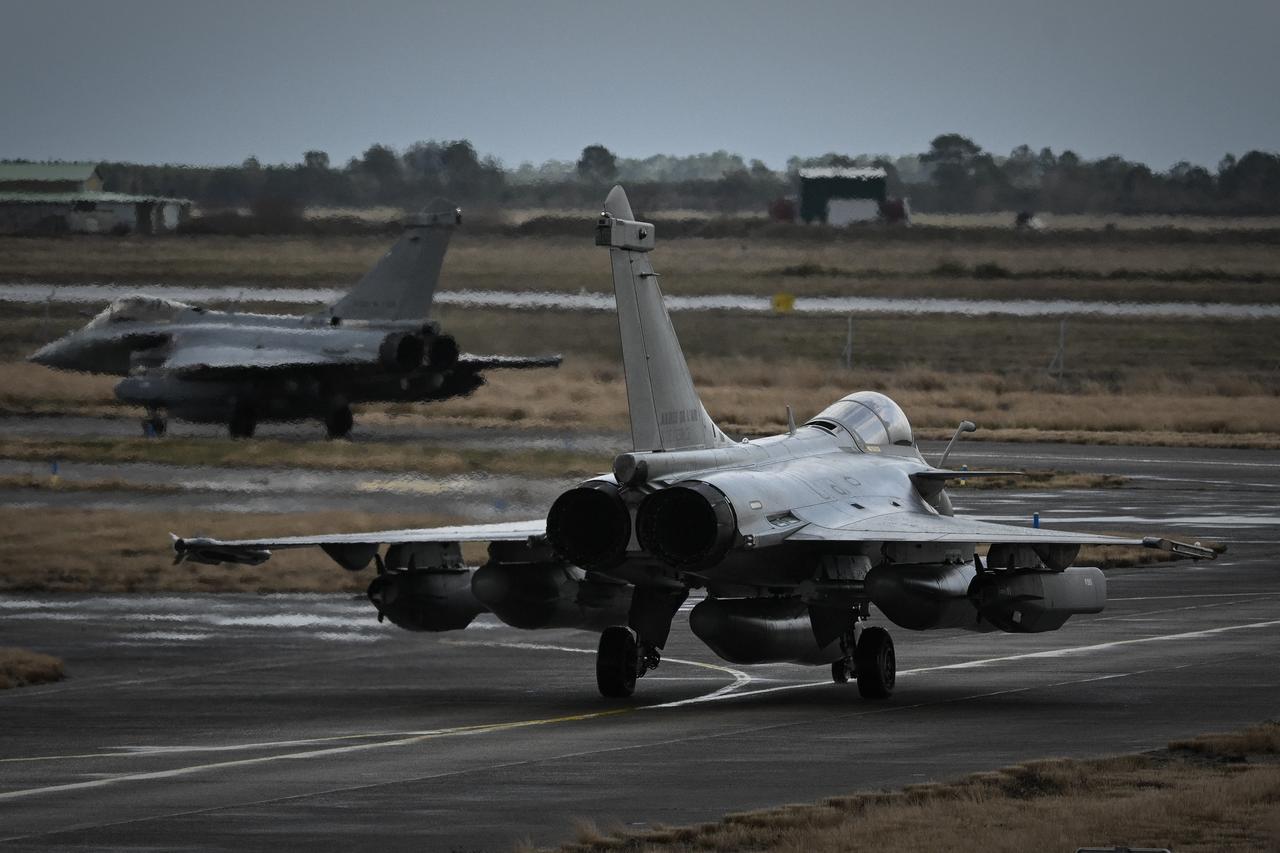


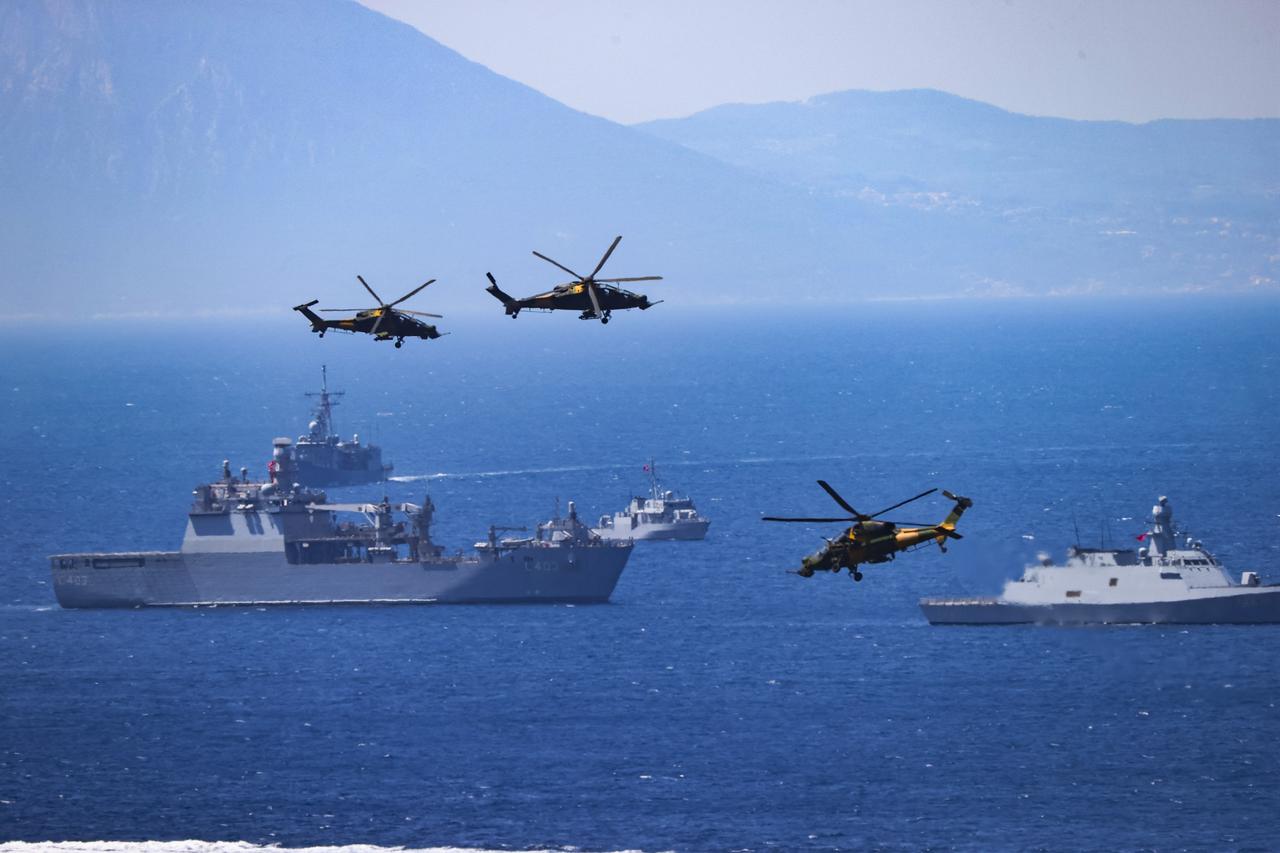
Turkish Republic of Northern Cyprus (TRNC) Parliament Speaker Ziya Ozturkler warned on Sunday that military activities in the Eastern Mediterranean, framed as defensive, are in fact aimed at unilaterally reshaping the region's power balance.
"Military activities in the Eastern Mediterranean that are described as being carried out for defensive purposes are aimed at unilaterally transforming the balance of power in the region," Ozturkler said in a written statement.
He added that the initiatives are of a nature capable of affecting existing balances on Cyprus and in the Eastern Mediterranean.
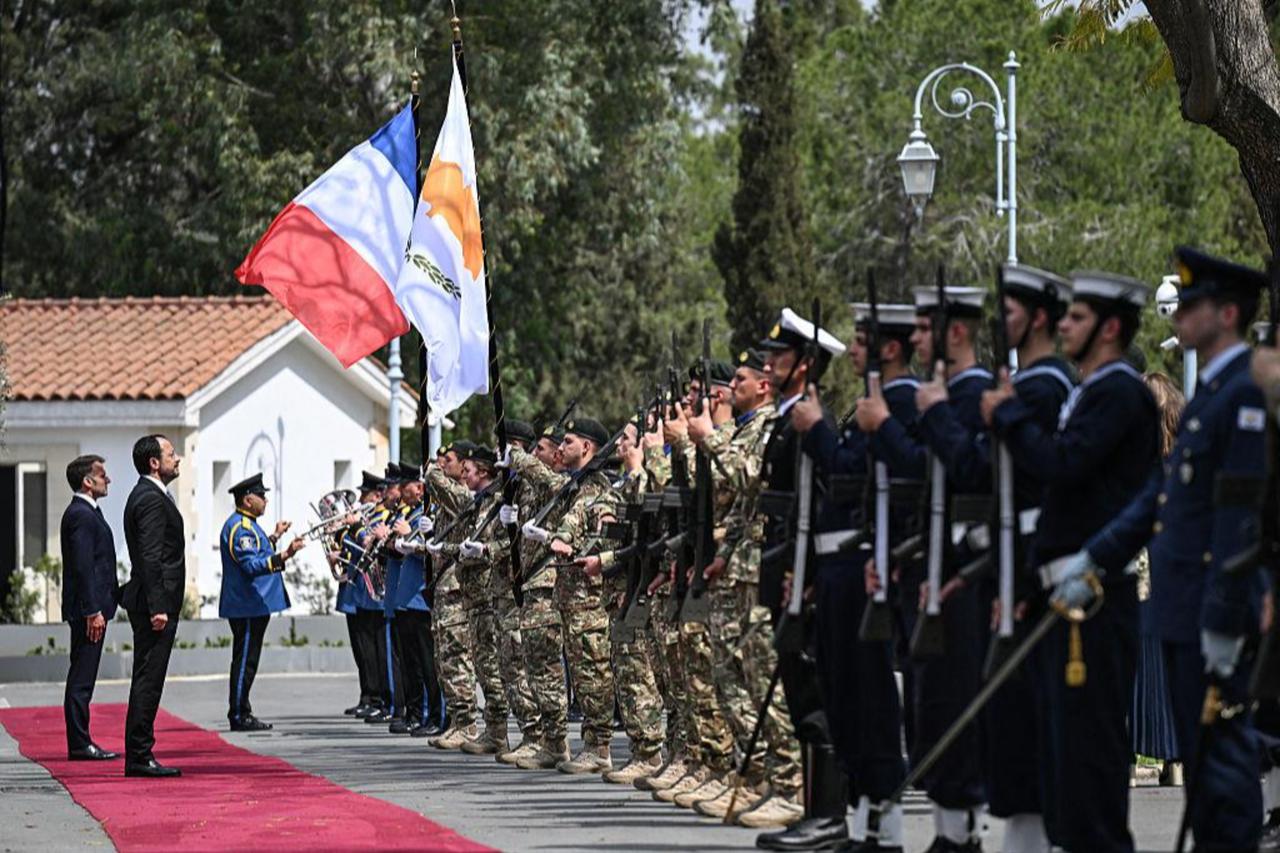
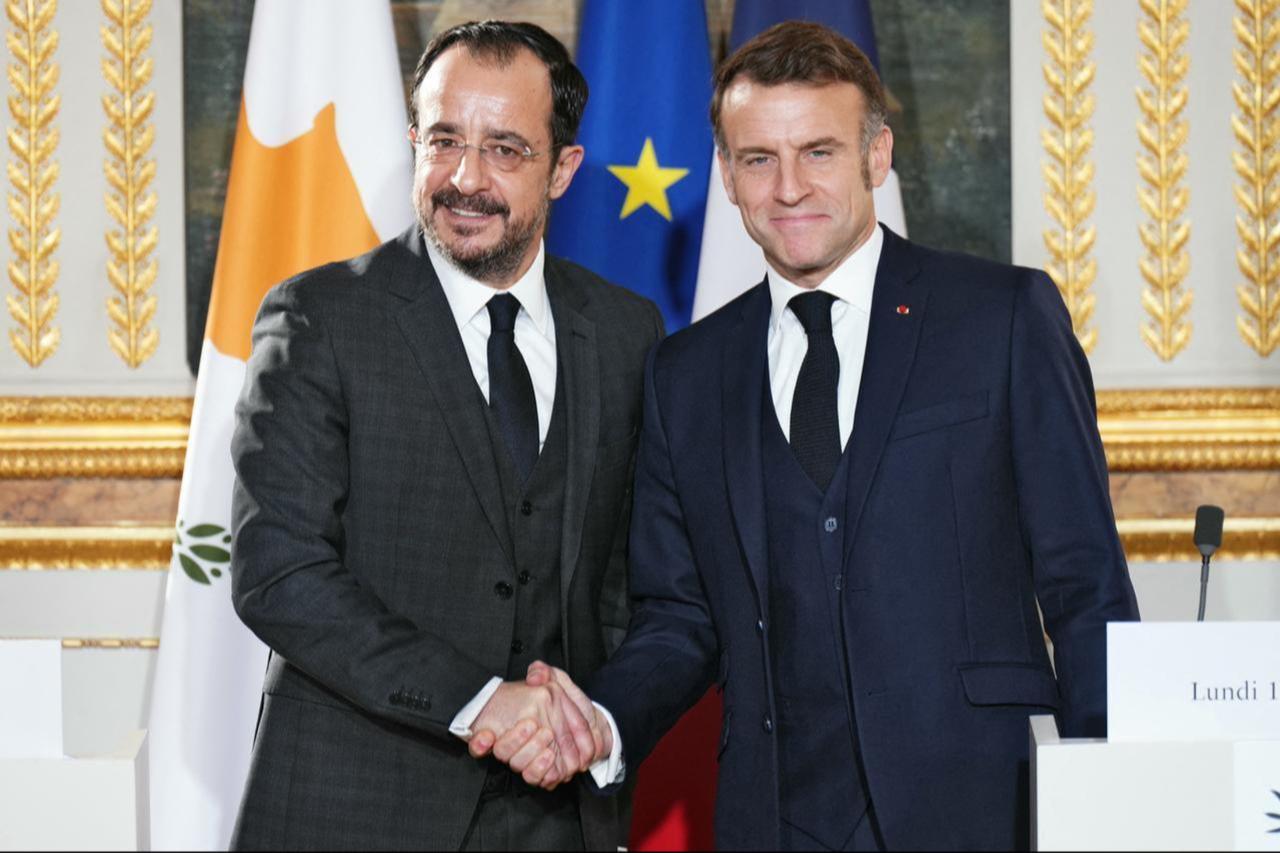
The statement came after the signing of a Status of Forces Agreement (SOFA) agreement between France and the Greek Cypriot Administration (GCA), first discussed during French President Emmanuel Macron's April 23 visit to Greek Cyprus and signed by the two sides' defense ministers, which grants French military forces access to Greek Cypriot bases and military infrastructure for operations in the Eastern Mediterranean and Middle East.
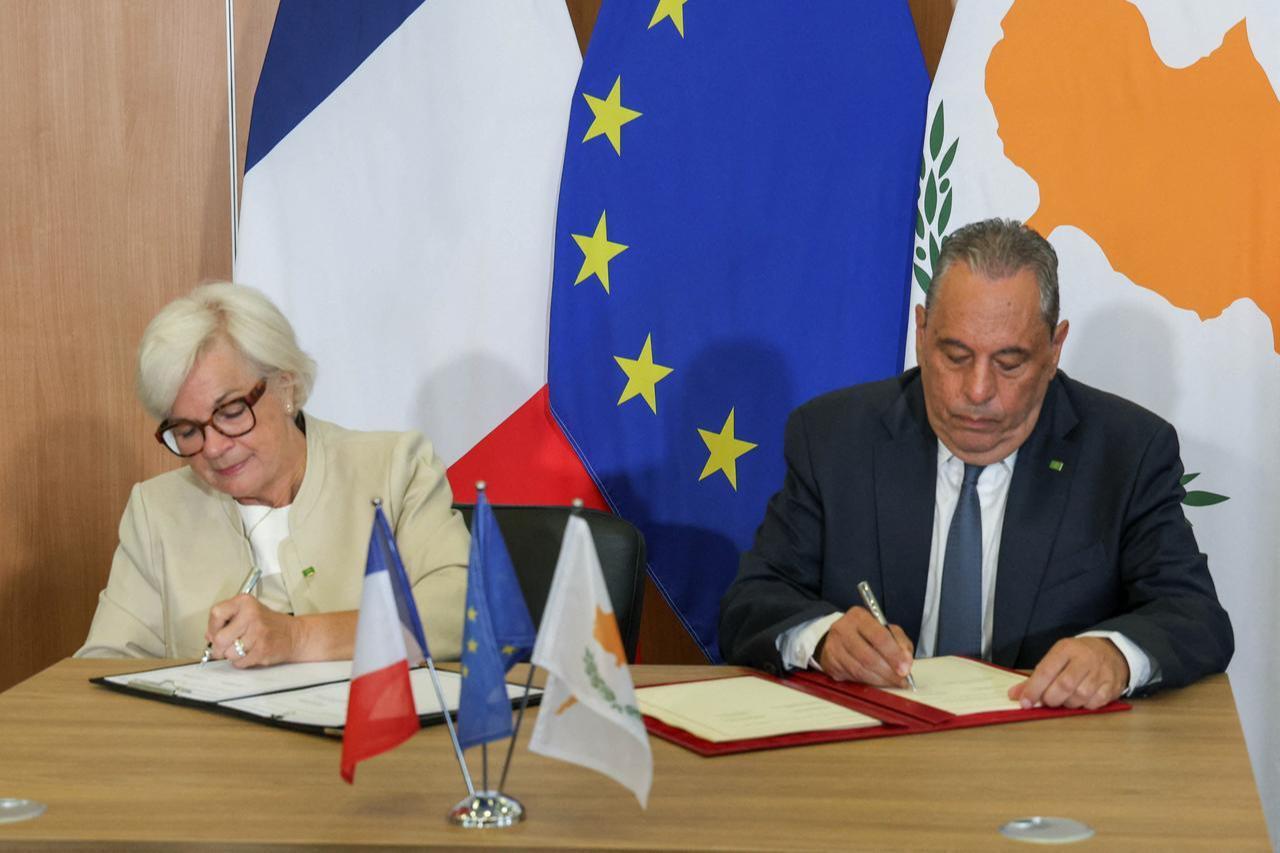

The Turkish Cypriot official said that the France-GCA SOFA should be understood within that framework, describing it as laying the groundwork for an expanded military presence on the island.
He stated that the Turkish side did not recognize the agreement as valid and maintained the view that it carried no legally binding force.
He also recalled President Recep Tayyip Erdogan's statements on the protection of rights and interests in the Eastern Mediterranean.
"These developments have once again demonstrated the importance of Türkiye's effective and actual guarantee for the Turkish Cypriot people," Ozturkler said, characterizing Ankara's guarantor role as significant not only for the security of Turkish Cypriots but also for regional stability as a whole.
Türkiye's Ministry of National Defense (MoND) issued a sharp warning earlier this week following the SOFA's signing, describing the agreement as one that "unilaterally aims to change the sensitive balances on the island and ignores the will and sovereign equal rights of Cypriot Turks," adding that it is contrary to the 1960 Cyprus Treaties and international law.
"This and similar steps, which have no legitimacy whatsoever and whose consequences have not been carefully thought through, are of a nature that could lead to dangerous consequences for the south of the island," the ministry warned.
The ministry added that "the Turkish Armed Forces have the strength and determination to give the harshest response to hostile attitudes that threaten the security of Cypriot Turks."
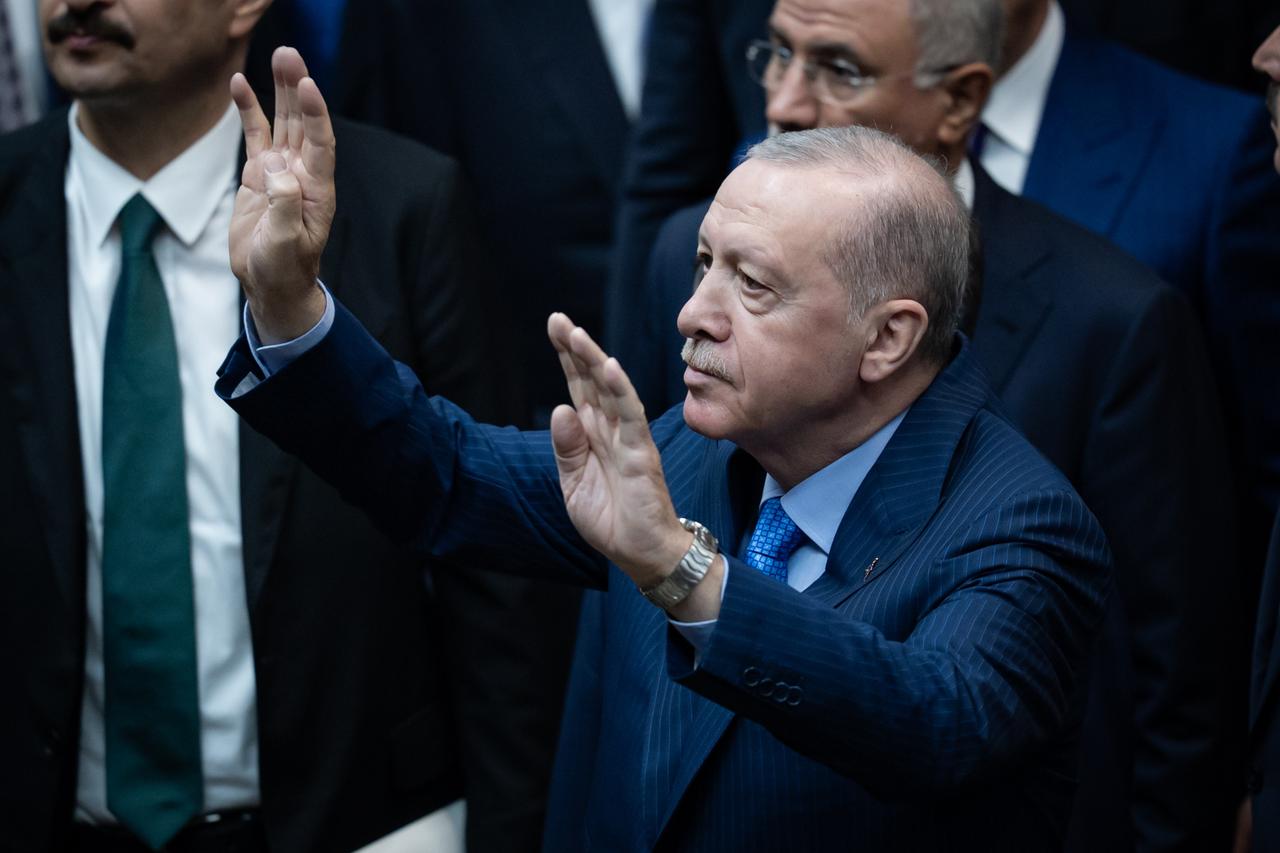
President Erdogan also warned on Wednesday, telling a parliamentary group meeting of the ruling Justice and Development Party (AK Party) that Türkiye is closely monitoring developments around Cyprus.
"If the rights and interests of Türkiye and the Turkish Cypriots are targeted in the Eastern Mediterranean, our response will be very clear and very firm," he said.
 1 min read
Greek Cypriot leader Nikos Christodoulides announced the SOFA's entry into force via social media, stating that it contributed to the European Union's goal of strategic autonomy.
The agreement covers French troop deployments to Greek Cyprus under specified conditions, access to bases and military infrastructure, technology sharing, joint exercises and strategic dialogue between the two countries.
Türkiye and the TRNC assess the agreement as a violation of the 1960 Guarantee Agreement, under which permanent foreign military presence on Cyprus without the consent of the three guarantor states, Türkiye, Greece, and the United Kingdom, is considered to target the island's legal and political status.
France holds no guarantor status under the 1960 framework.
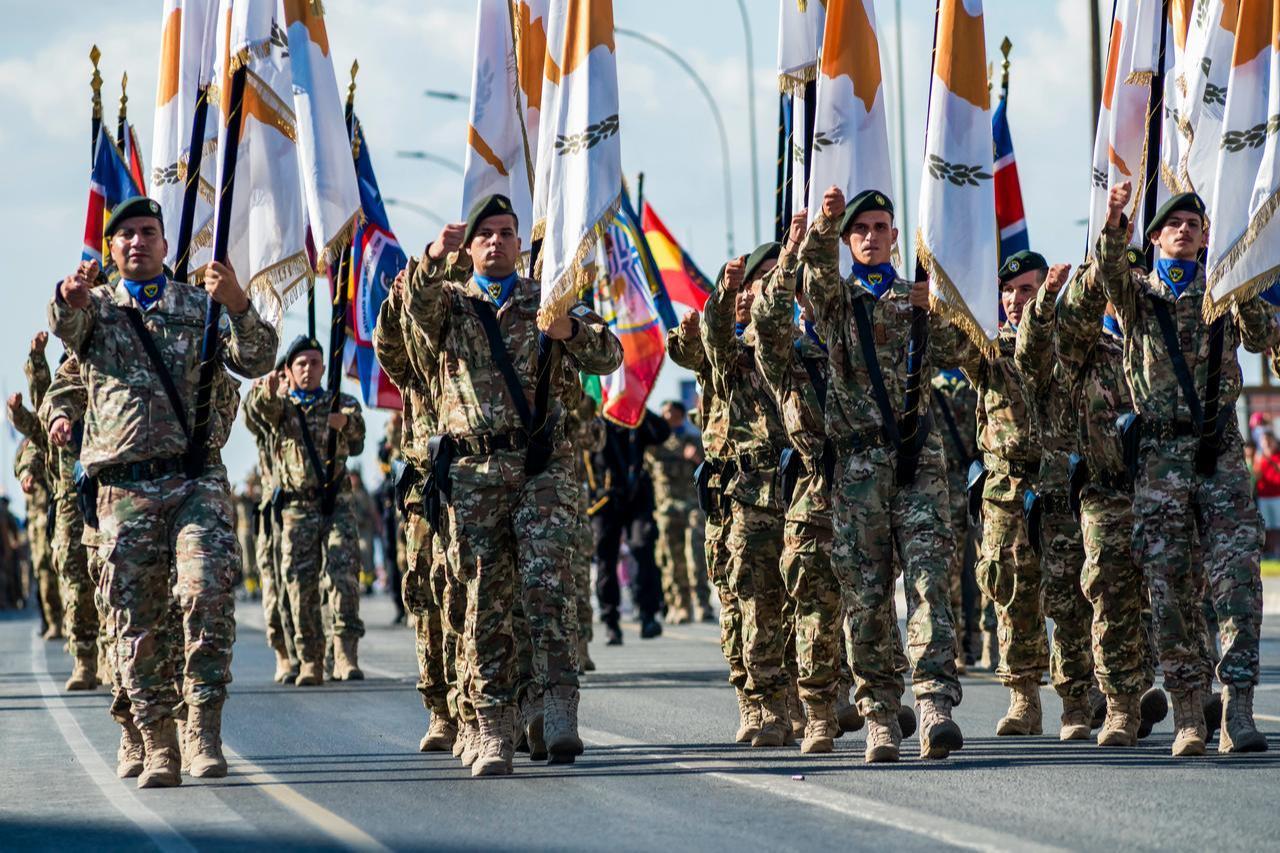
The France SOFA is the latest in a series of defense agreements Greek Cyprus has concluded in recent years, with partners including the United States, the UAE, the Czech Republic, Armenia, India, Jordan, Egypt and Greece, covering military alliances, technology transfers and the use of naval and air facilities.
In the same statement, Ozturkler addressed a separate legal front, pushing back against the Council of Europe Committee of Ministers' recent decision concerning the Immovable Property Commission (IPC), a body established to adjudicate property claims from the island's 1974 division.
Ozturkler said the Committee of Ministers' Delegates lacked the authority to assess the IPC's effectiveness, arguing that such authority rested exclusively with the European Court of Human Rights (ECtHR).
He recalled that the ECtHR had consistently recognized the IPC as an effective domestic remedy in its rulings to date.
"Attempts to call into question the effectiveness of the IPC are legally unfounded," Ozturkler said, adding that the Turkish Cypriot side would continue to support the commission, which he described as operating within the framework of international law.
He emphasized that the property mechanism's work should not be overshadowed by political considerations and that the process must be conducted based on law, justice, and mutual respect.


 Set as preferred source
 Set as preferred source


 1 min read


