

 Newsletters


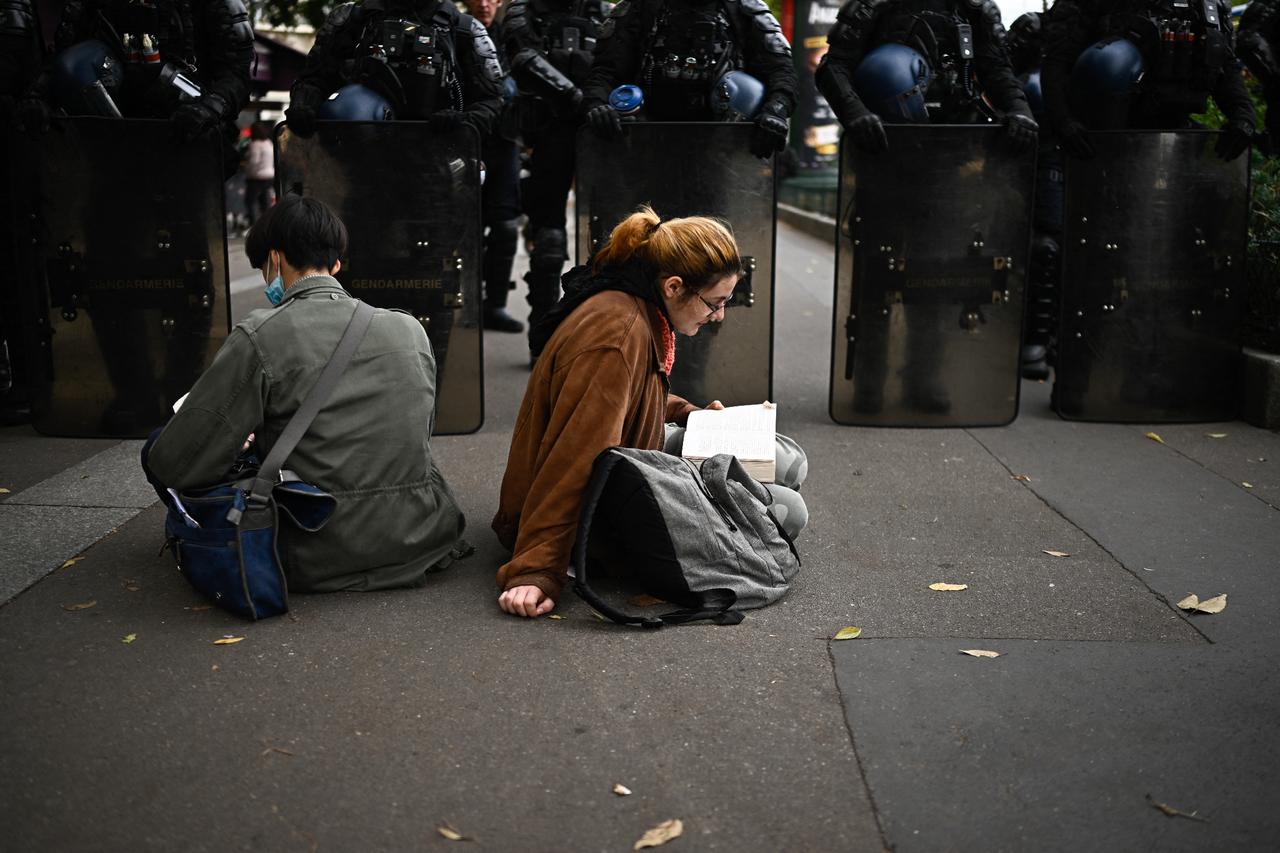


French courts have moved quickly to prosecute hundreds of people arrested during violent protests over the weekend, sending at least 150 defendants to prison as the government pushes for tougher penalties and lawyers raise concerns about rushed proceedings and judicial independence.
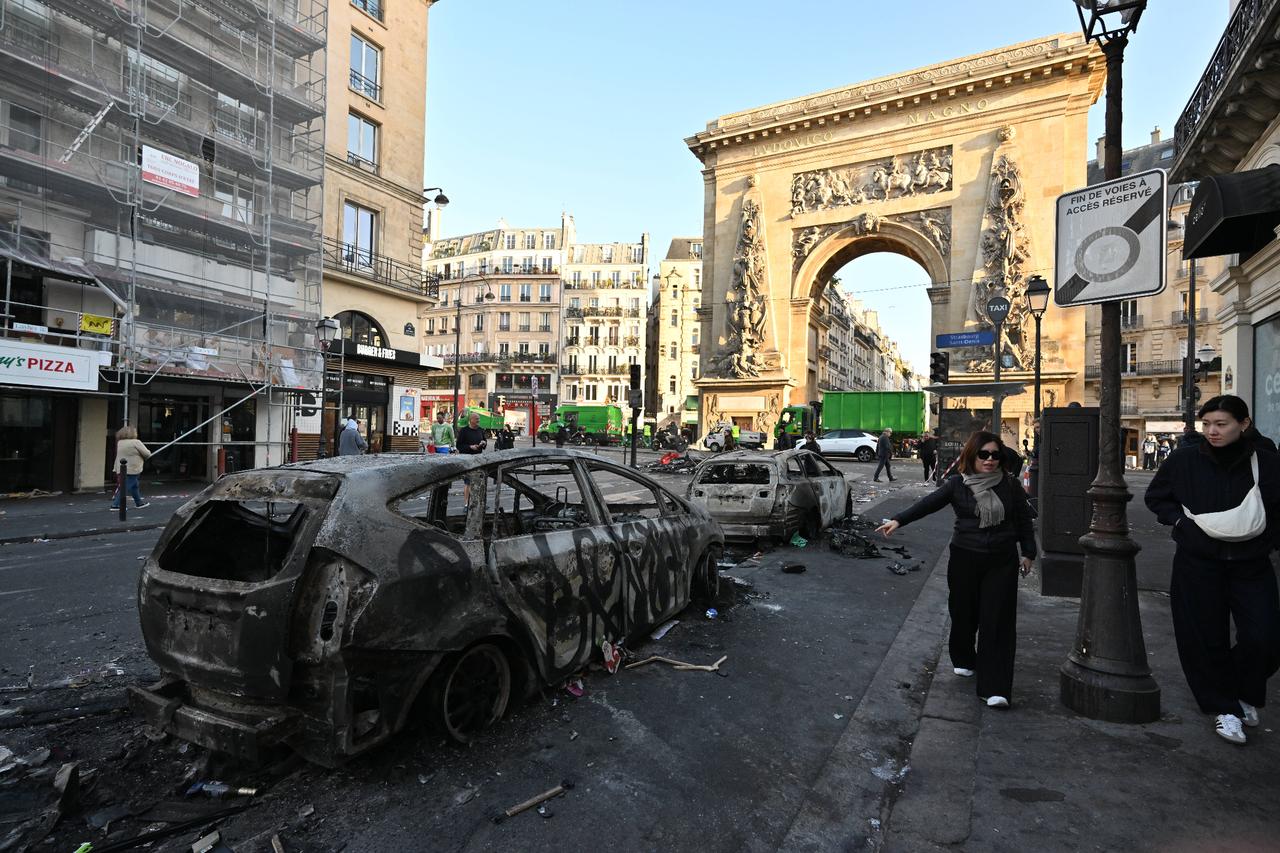
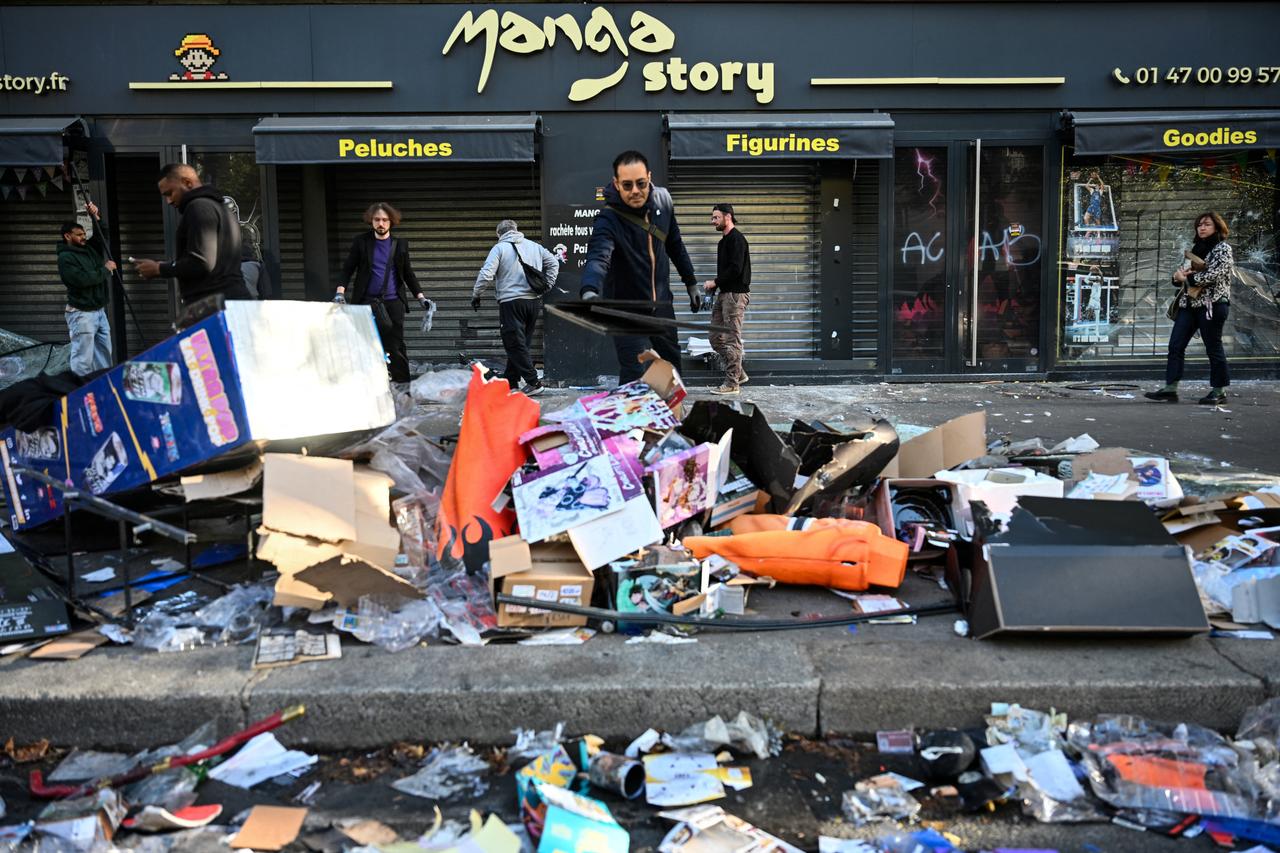
Justice Minister Gerald Darmanin said Wednesday that 917 of approximately 2,500 people arrested nationwide were facing prosecution following Saturday's unrest, which brought some of the worst urban violence France has experienced in recent years.
Speaking in Marseille, one of the cities hardest hit by the violence, Darmanin described the number of prosecutions as a "truly impressive figure" and said crowded holding cells demonstrated the government's determination to restore order.
However, the accelerated proceedings have placed considerable pressure on courts, while defense lawyers have questioned whether defendants are receiving adequate opportunities to challenge the accusations against them.
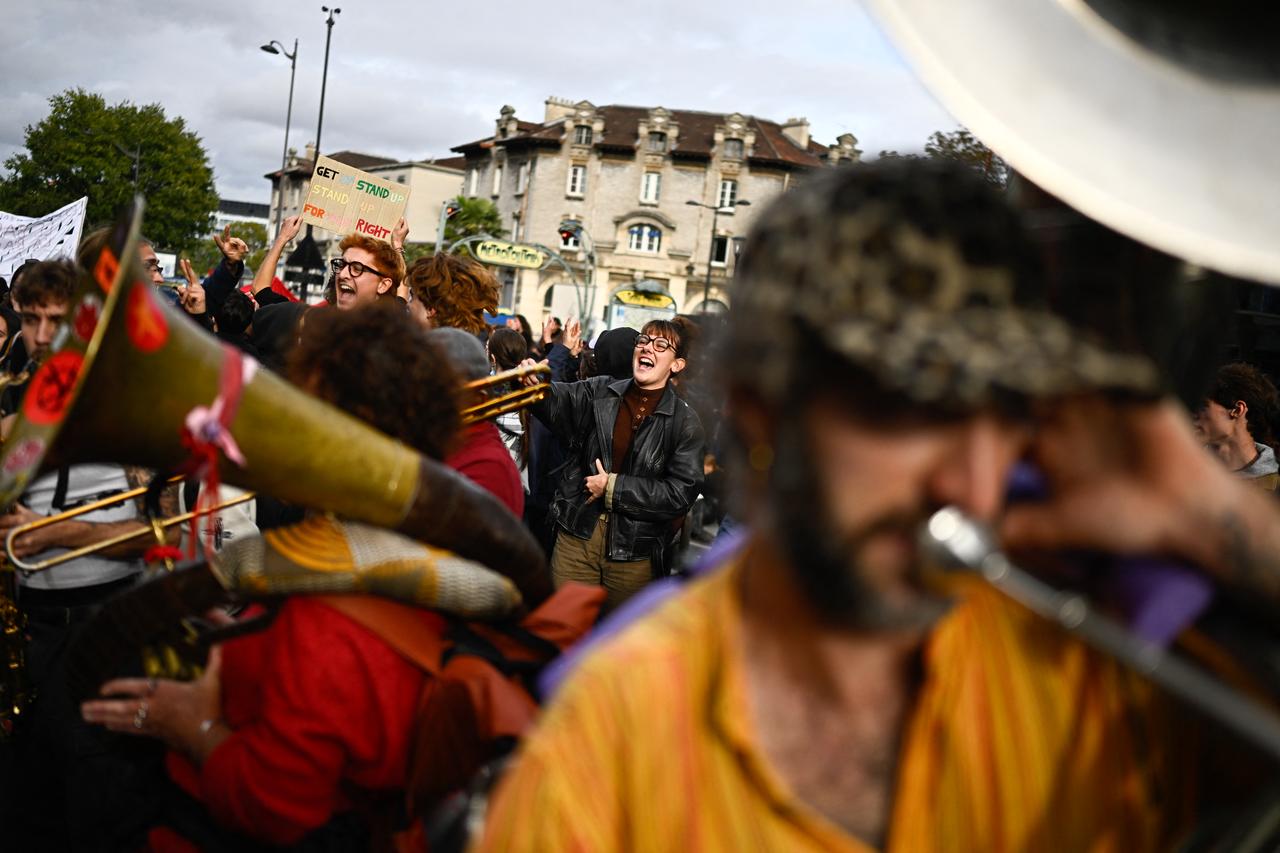

Several defendants have already received prison sentences through France's fast-track judicial system, which allows criminal cases to be heard shortly after an arrest.
Among them was Francois D., a 20-year-old who traveled from Auxerre to Paris with 19-year-old student Mathilde B. Police discovered a knuckleduster and switchblade in his bag and found social media conversations referring to guerrilla warfare and attacks on riot police.
Francois received an eight-month sentence, including two months in custody, while Mathilde was given a five-month suspended sentence, meaning she will not serve prison time unless the conditions of her sentence are breached.
In another case, Manuel, a 21-year-old cook with no previous criminal record, said he had traveled to Paris to celebrate his birthday. Police stopped him near a demonstration and discovered glass bottles, rags and a lighter, which prosecutors described as "the perfect kit" for a Molotov cocktail, an improvised incendiary weapon.
He received a two-month prison sentence and an additional six-month suspended sentence.
Meanwhile, Souleymane, a 19-year-old from Ivory Coast without valid French residency documents, was sentenced to eight months in prison after being arrested in northern Paris while allegedly attempting to steal a scooter following an attack on a corner shop. He had three previous convictions.
Not every case resulted in immediate imprisonment. Julien M., a 27-year-old video artist accused of throwing a traffic cone that narrowly missed a police officer, was released under judicial supervision pending a trial scheduled for late November.
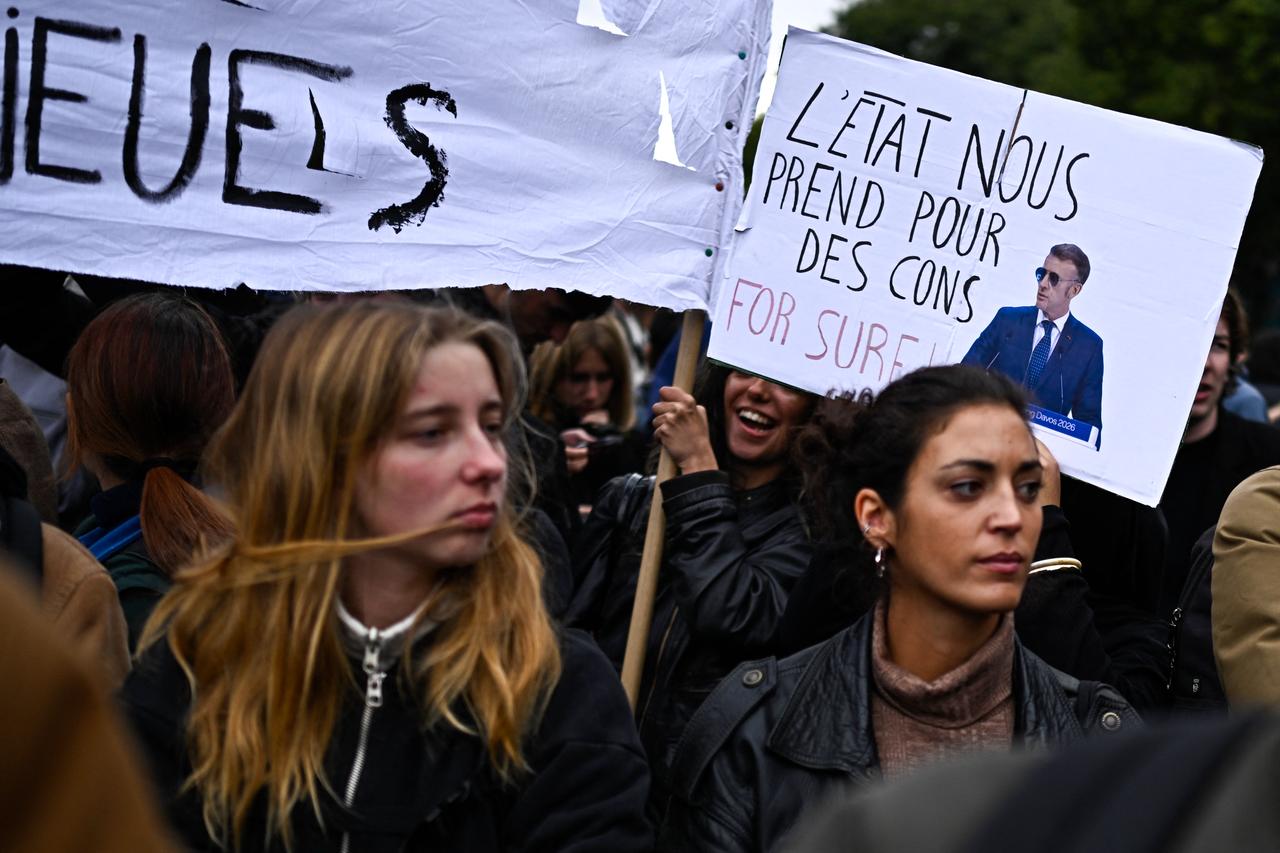
The pace and severity of the proceedings have drawn criticism from defense lawyers, who argue that the government's emphasis on punishment risks undermining judicial independence.
Tristan Lawless, a lawyer based in Melun, south of Paris, said prosecutors had sought five months in prison with immediate detention for one of his clients, despite what he described as a hastily assembled case file containing vague reports. He also alleged that his client had been beaten while in custody.
Paris lawyer Romain Ruiz, a member of the judicial reform collective Colere noire, accused Darmanin of pressuring judges to impose harsher penalties and publicly celebrating the imprisonment of young defendants.
"We will never accept that the justice system should become an arm of repression," Ruiz said.
 1 min read
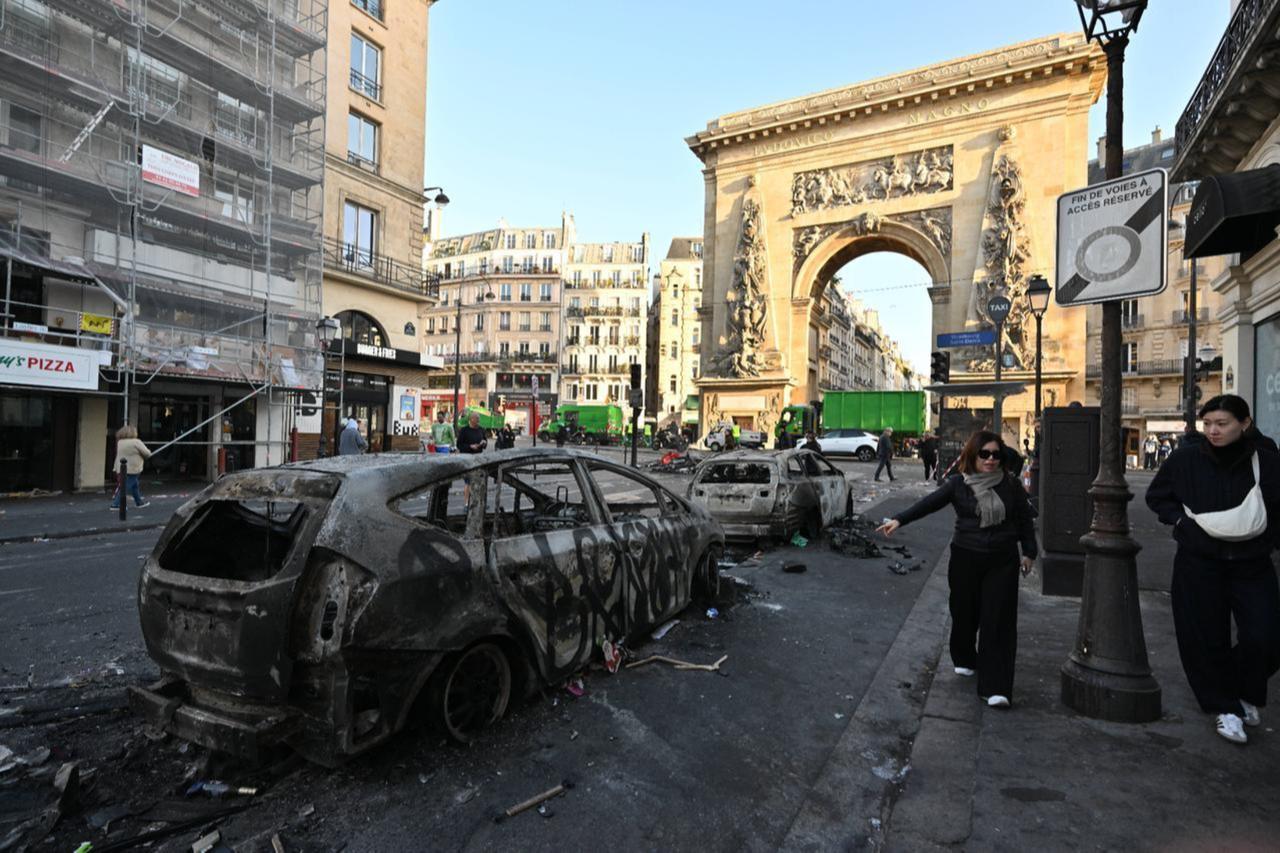
The controversy comes as Darmanin takes on a prominent role in Prime Minister Sebastien Lecornu's government, which is seeking to demonstrate its ability to maintain public order.
Darmanin, a former interior minister, is also a leading supporter of former Prime Minister Edouard Philippe, who is viewed as a potential challenger to far-right politician Marine Le Pen in next year's presidential election.
France's imprisonment figures have attracted particular attention because short prison sentences are frequently served outside correctional facilities through electronic monitoring. The decision to imprison defendants without previous convictions has therefore intensified scrutiny of the government's response to the unrest.


 Set as preferred source
 Set as preferred source


 1 min read


