Newsletters





France summoned Iran’s ambassador Tuesday after accusing Tehran of carrying out a cyberattack that disrupted refrigeration systems at hundreds of supermarkets, while Foreign Minister Jean-Noel Barrot warned Paris could respond with cyber measures of its own.
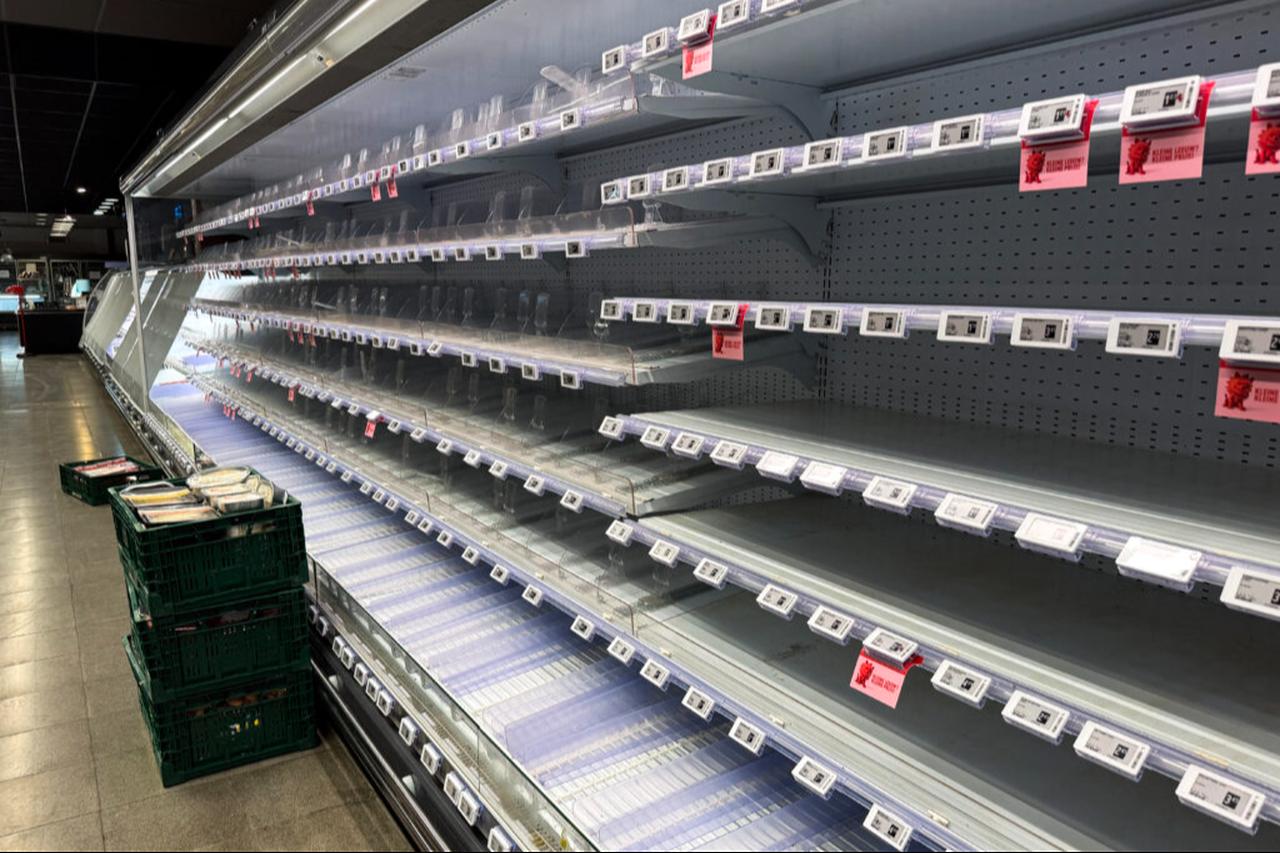
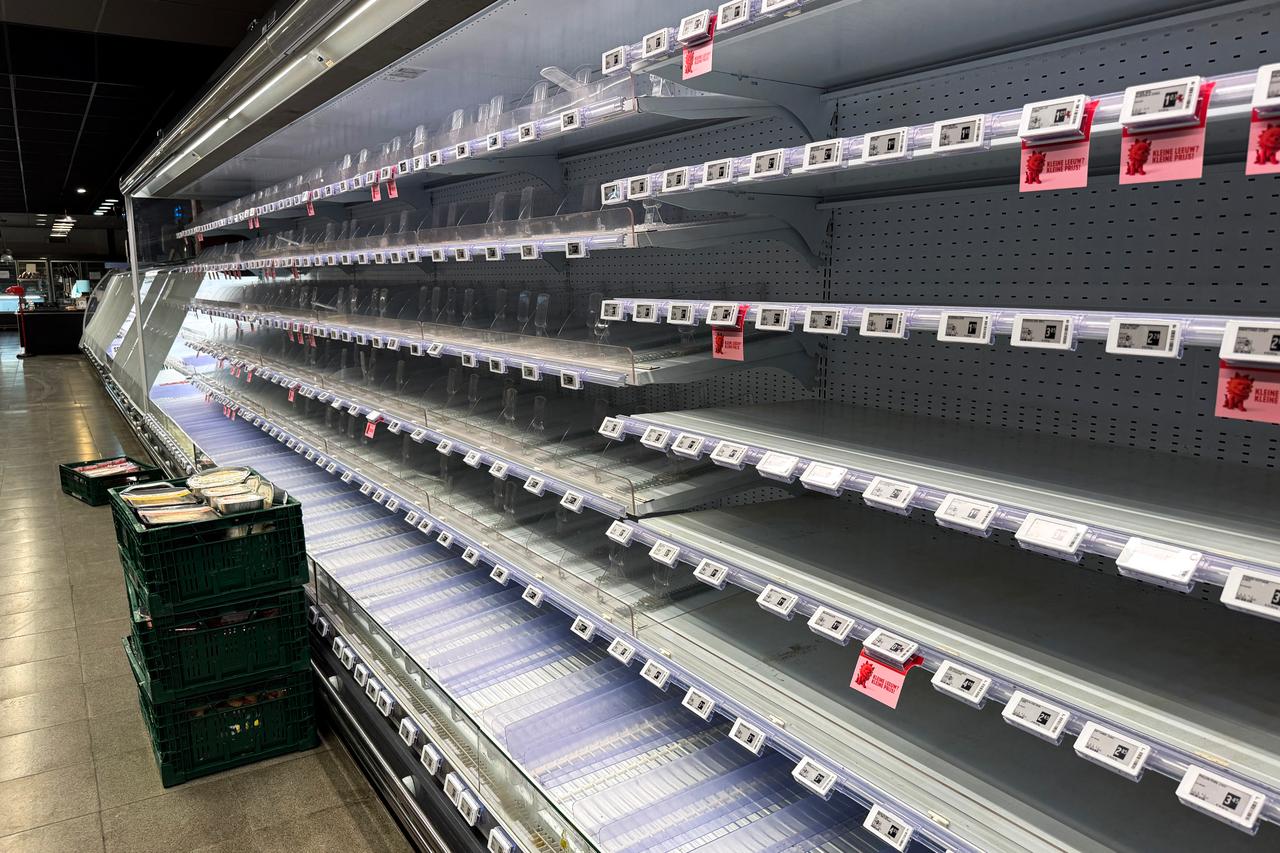
French officials said Iran’s Islamic Revolutionary Guard Corps (IRGC) was behind the October attacks, which raised temperatures in supermarket refrigerators and freezers and led to the destruction of tons of chilled and frozen food.
The Iranian ambassador was summoned Tuesday morning, the Foreign Ministry said. Iran has not officially responded to the latest accusation, while some Iranian media outlets have dismissed the claims as baseless.
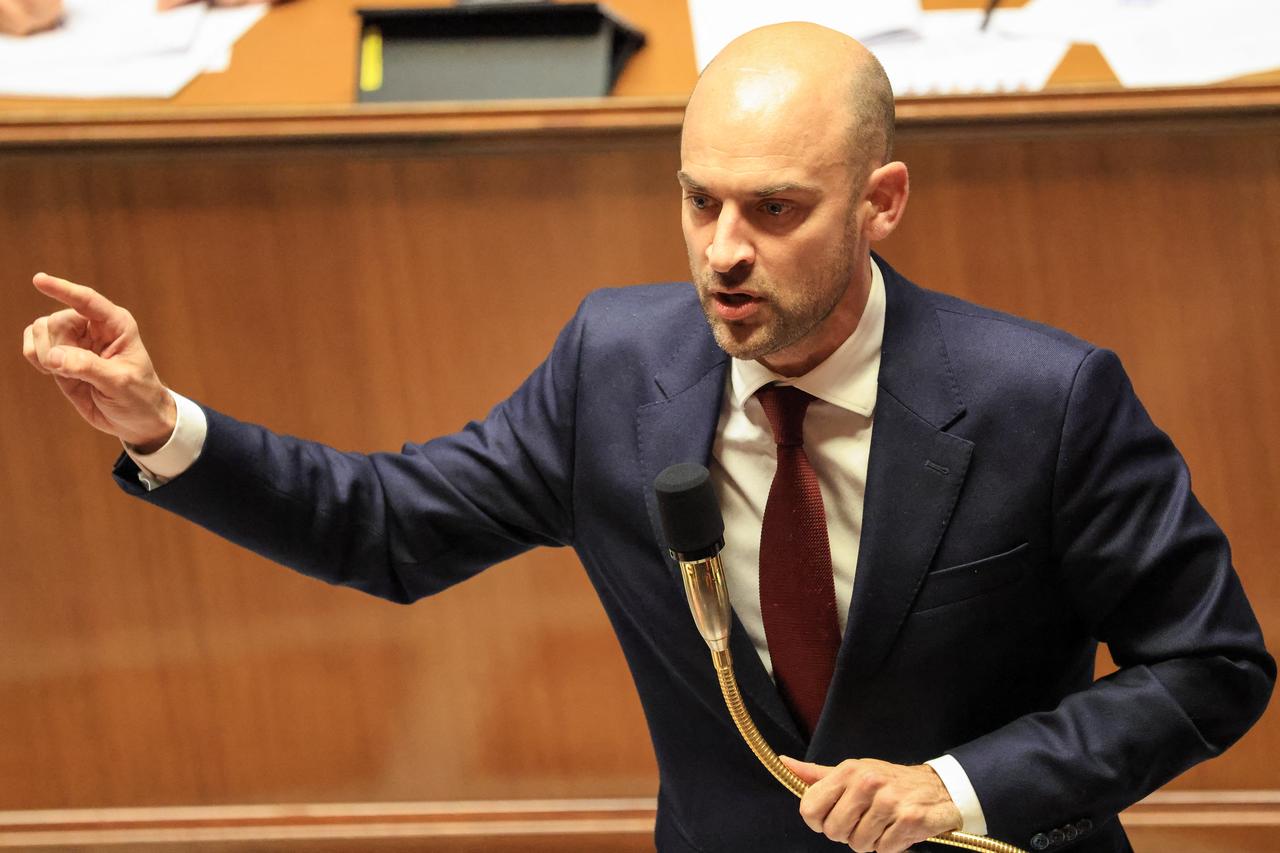

Barrot described the incident as an attack of “unprecedented scale and aggression” and said France would seek European Union sanctions against those responsible.
He said France could also take additional measures that would not be disclosed publicly.
“We will take whatever measures are necessary, including some that we will not discuss publicly, if we judge them proportionate and necessary to deter any new attacks and punish those responsible for this unacceptable aggression,” Barrot told France Info.
Barrot said France’s cyberdefense doctrine provides authorities with a range of possible responses.
He described the incident as the first large-scale cyberattack aimed at sabotage on French territory and said it represented a major attack on France’s interests and public security.
The Paris prosecutor has opened an investigation into the head of an offensive cyber unit linked to the IRGC and two of his deputies.
Similar attacks later affected supermarkets in several other European countries, although it is not known whether those incidents were connected to the attacks in France.
The supermarket disruption was among the most significant suspected cyberattacks since the U.S.-Israeli war on Iran began in February. Other incidents have included attacks targeting the Los Angeles transit system in March and U.S. water treatment facilities in July.
Iran routinely denies conducting malicious cyber operations.
Relations between Paris and Tehran have long been strained over Iran’s nuclear and ballistic missile programs, regional activities and the detention of French nationals.
Ties had improved after detained French citizens were released and France distanced itself from the U.S. war on Iran.
Relations deteriorated again during the summer after Iran arrested and later expelled two French diplomats. France responded by expelling Iranian diplomats.
French officials have also accused Tehran of becoming increasingly hostile toward France, including over Paris’ support for Iranian civil society.


 Set as preferred source
 Set as preferred source


 1 min read

 1 min read