Newsletters


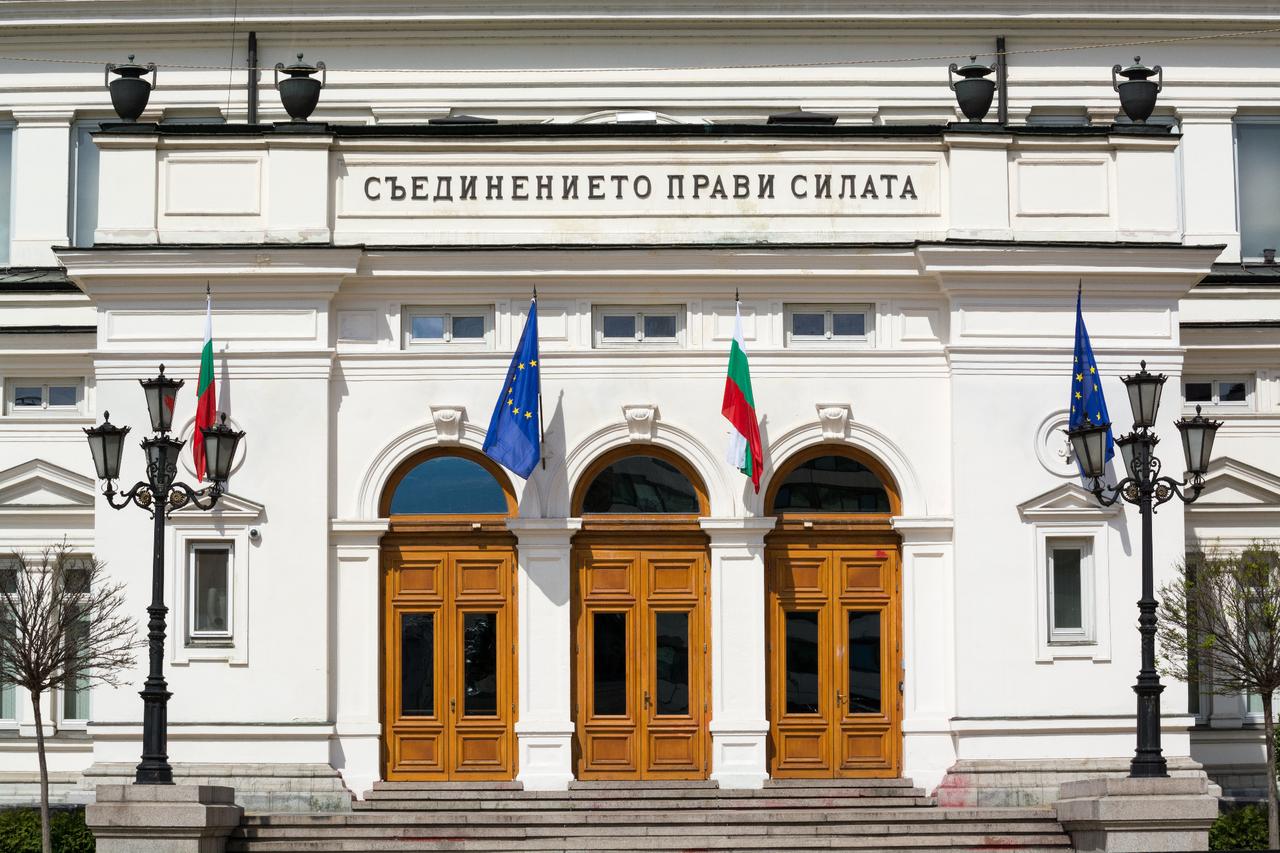


Bulgaria is heading to the ballot box once again, not with confidence, but with a growing sense that elections have become a substitute for governance rather than its foundation.
A caretaker government meant to preserve neutrality now stands at the center of controversy.
In a system already strained by repeated crises, the question is no longer who will win power, but whether the rules of democratic transition are quietly being rewritten in the process.
The interim cabinet, led by Andrey Gyurov and appointed under the authority of Iliana Yotova, took office following months of political paralysis, public protests, and the resignation of the previous coalition government.
Its mandate is officially narrow: maintain administrative continuity, manage government functions, and organize the parliamentary elections scheduled for April 19.
Yet even routine administration in Bulgaria today carries extraordinary political weight.
In a country that has held eight national elections over the past five years.
Caretaker governments are expected to exercise restraint and avoid major policy or personnel changes. Their legitimacy comes from neutrality rather than a political mandate.
Yet recent moves by Bulgaria’s interim cabinet have raised concerns that it may be overstepping its temporary authority, particularly in a moment when public trust in institutions is already fragile.
The flashpoint is the dismissal and replacement of all 28 regional governors. Opponents argue that the new appointments are aligned with Continue the Change – Democratic Bulgaria, undermining the perception of impartial administration.
Toma Bikov, a GERB lawmaker, said in a statement: "All 28 out of 28 regional governors are directly affiliated with Continue the Change – Democratic Bulgaria. This does not ensure fair administration of the upcoming elections."
Similarly, Krum Zarkov, chair of the Bulgarian Socialist Party, warned that appointing politically connected figures to key regional posts so close to the ballot threatens neutrality and could erode voter trust. He singled out the appointment of Vyara Todeva as Sofia City governor, calling it "a clear provocation" that has heightened tensions ahead of the April vote.
While the caretaker government maintains that its decisions are legal and necessary for administrative efficiency, perception matters as much as legality.
In a climate of repeated elections and public skepticism, even routine administrative actions are interpreted through a political lens.
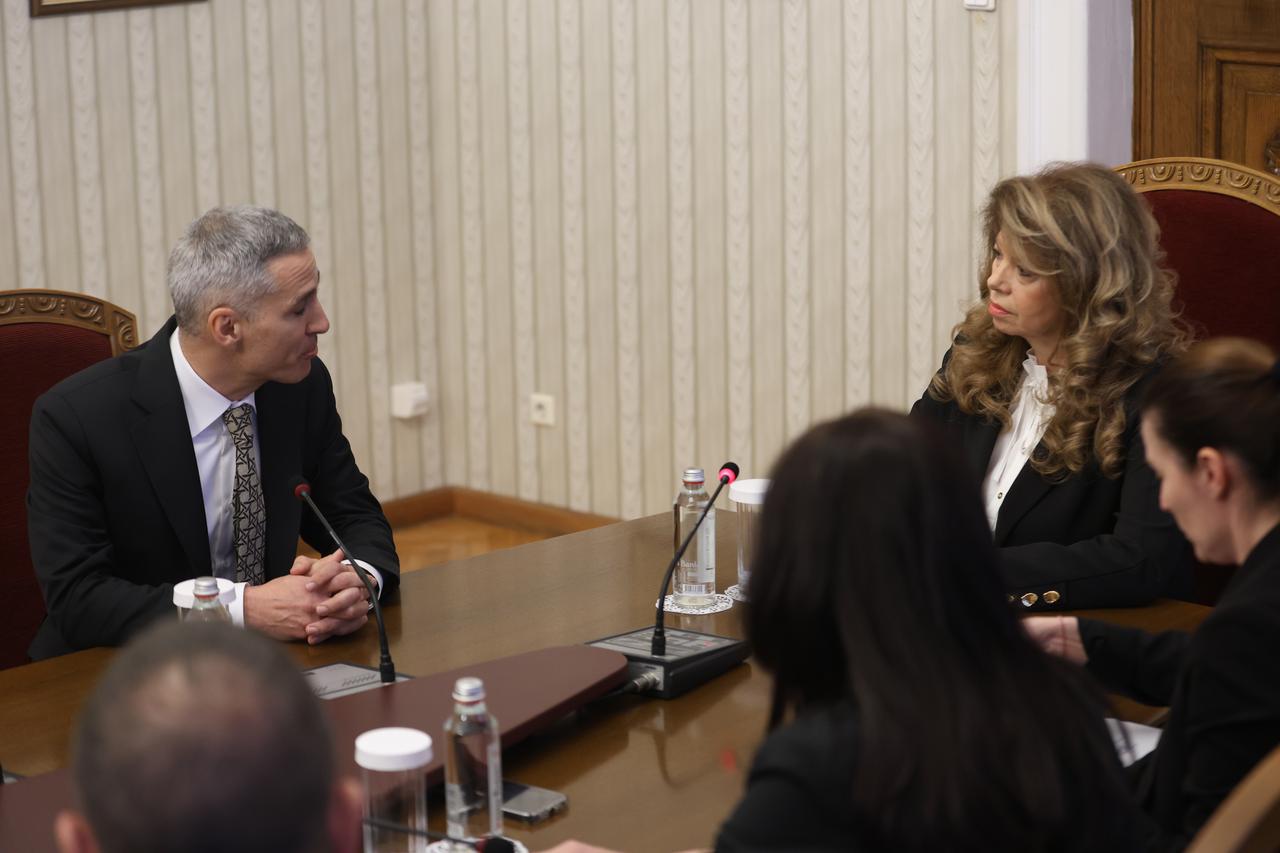

The Central Election Commission has opened registration for parties and coalitions, allocating roughly €65 million ($76.5 million) for election logistics, training, and voter education.
Despite these preparations, voter turnout is projected at about 59%, according to a survey conducted by the Trend research center for 24 Chasa newspaper.
Former President Rumen Radev, having launched a political movement after resigning from office, has emerged as a significant figure in the pre-election landscape.
Traditional parties such as GERB, BSP, and reformist Continue the Change – Democratic Bulgaria are competing for influence, often emphasizing organizational capability over policy proposals to appeal to an electorate that has grown weary of repeated political crises.
Also parliament’s committee rejected President Iliana Yotova’s veto on limiting overseas polling stations, sending the issue to the full National Assembly. Critics warn the move could restrict access for Bulgarian voters abroad, while supporters say it is meant to streamline election logistics.


 Set as preferred source
 Set as preferred source


 1 min read
 1 min read