Newsletters


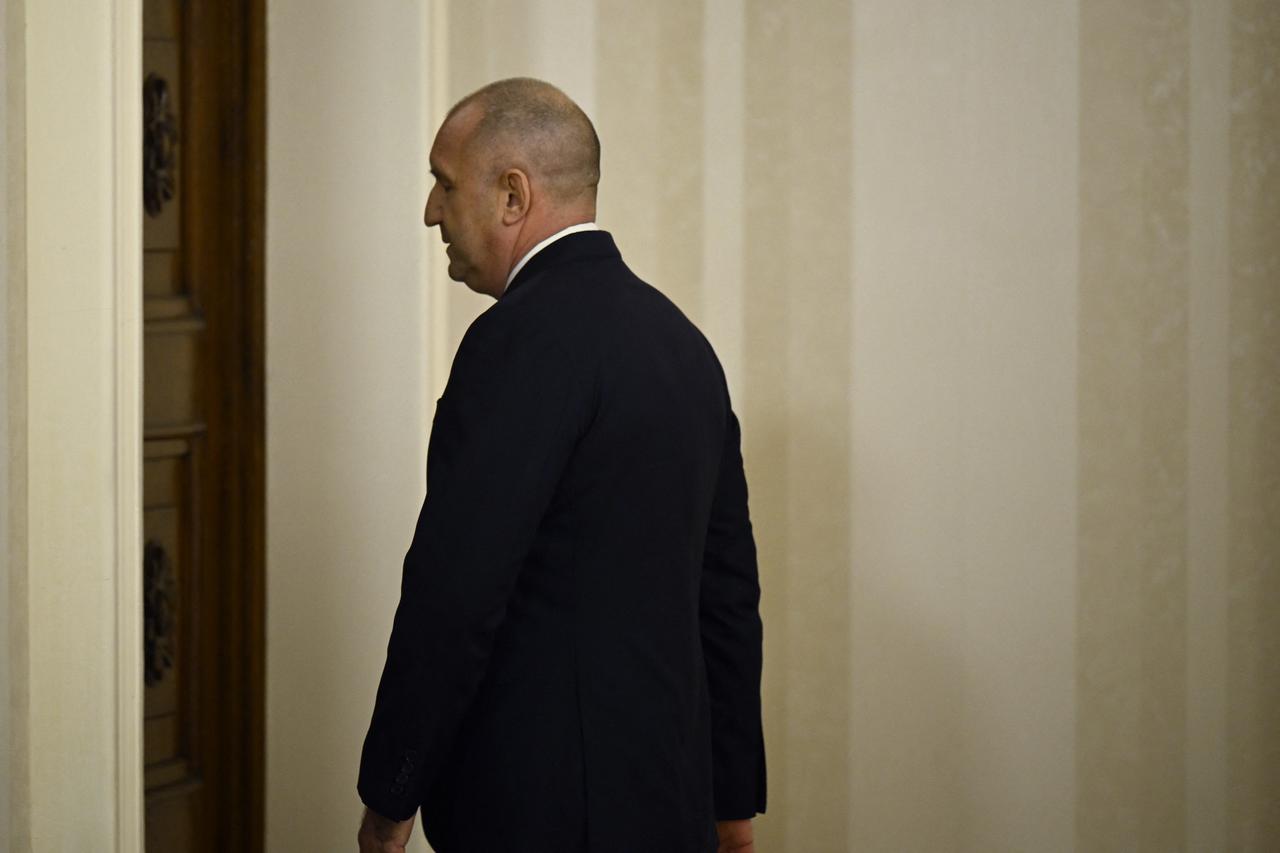


Bulgaria's president announced his resignation Monday, stepping down from office to potentially run in upcoming snap elections as the country faces its deepest political crisis in decades.
Rumen Radev, 62, said he would leave his post Tuesday, marking the first time a head of state has resigned since the end of communism in the Balkan nation. The move comes after Bulgaria was thrown into fresh turmoil when widespread anti-corruption protests forced a conservative-led government from office in mid-December.
"Today, I am addressing you for the last time as president of Bulgaria," Radev said during a televised speech, adding that he was eager to join the "battle for the future" of Bulgaria alongside "the dignified, the inspired and the unyielding."
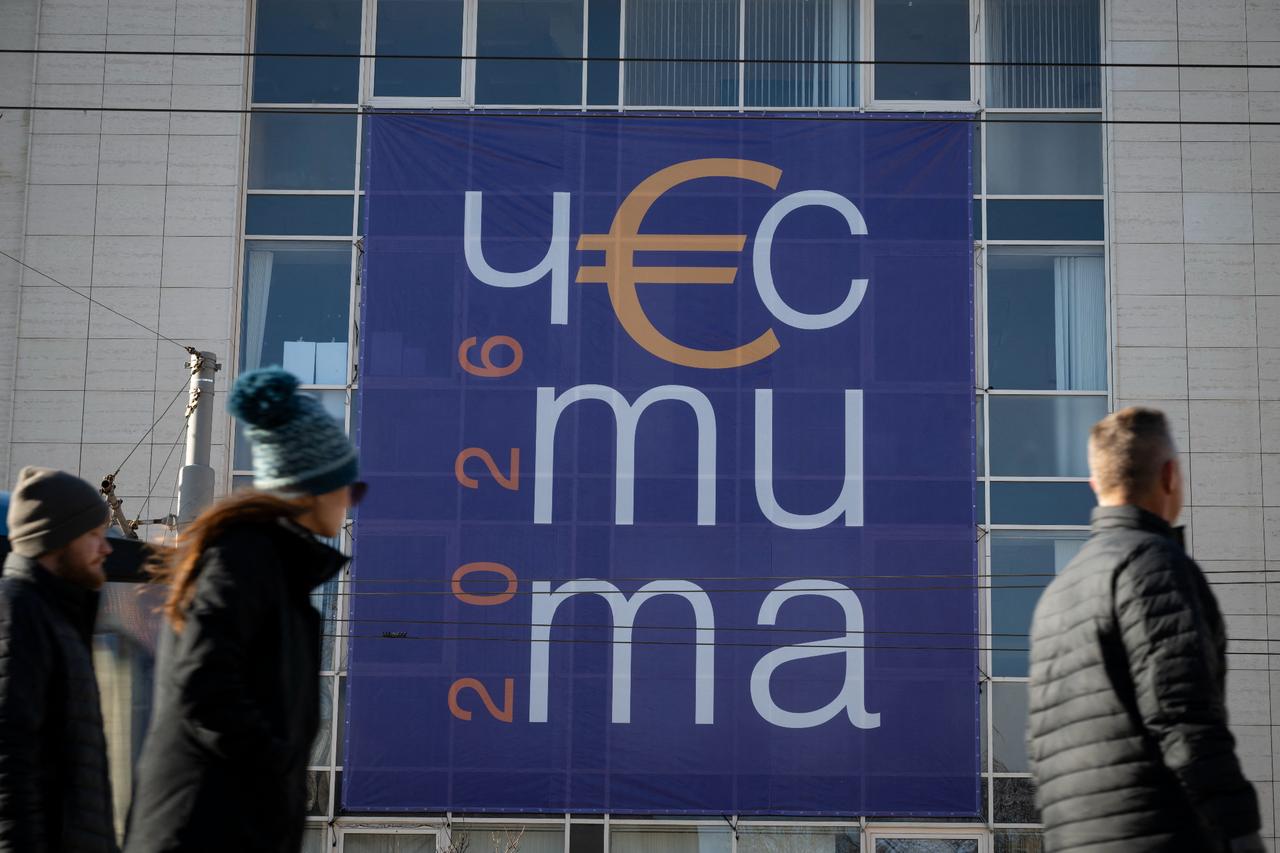
The country, which adopted the euro on Jan. 1, will hold its eighth election in five years after political parties failed to form a new government. Radev announced the snap vote last week, though no date has been set. Elections are expected in late March or April.
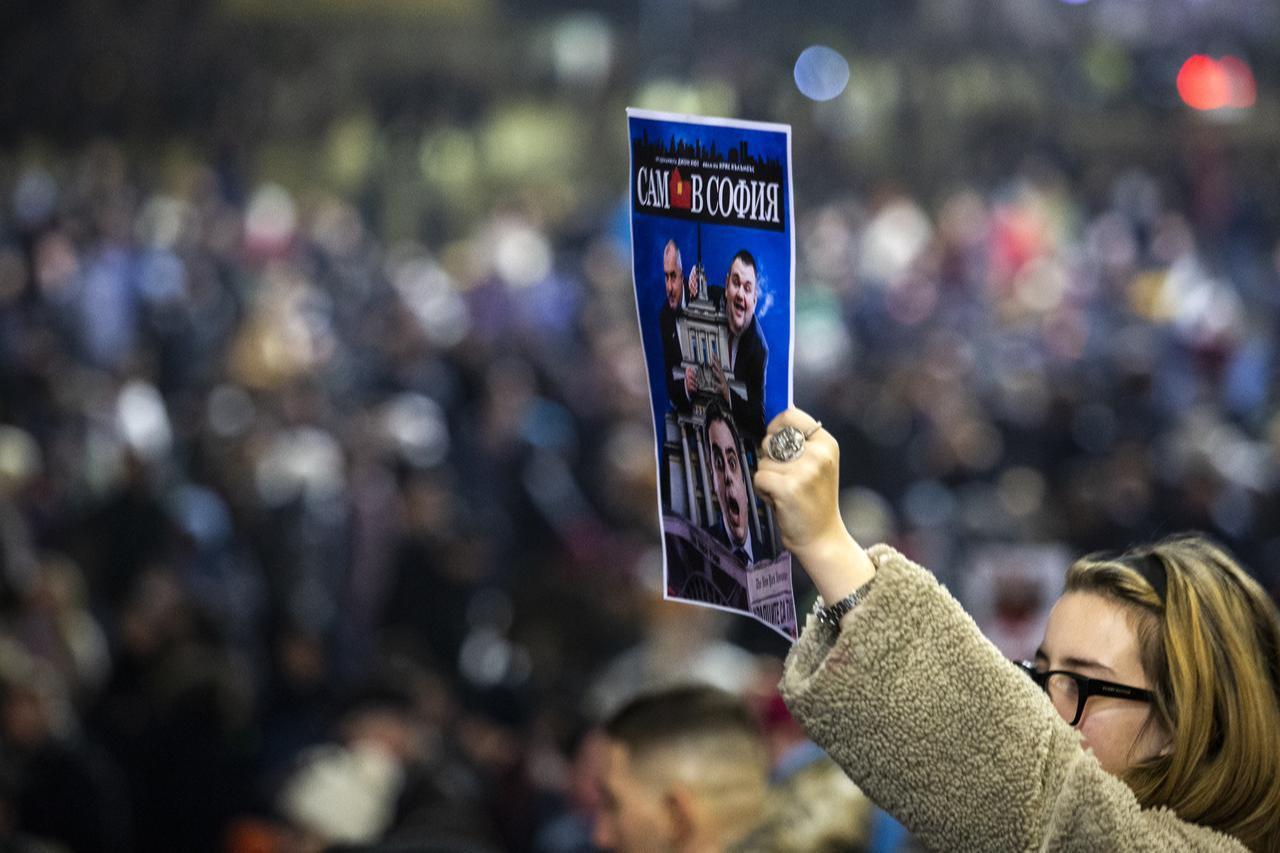

Radev blamed what he called a "pernicious model of governance" for widespread poverty, protests and mistrust in institutions across Bulgaria. Speculation has mounted that the former fighter pilot and air force commander plans to run in the elections, as he has said he wants to unite the country in fighting corruption.
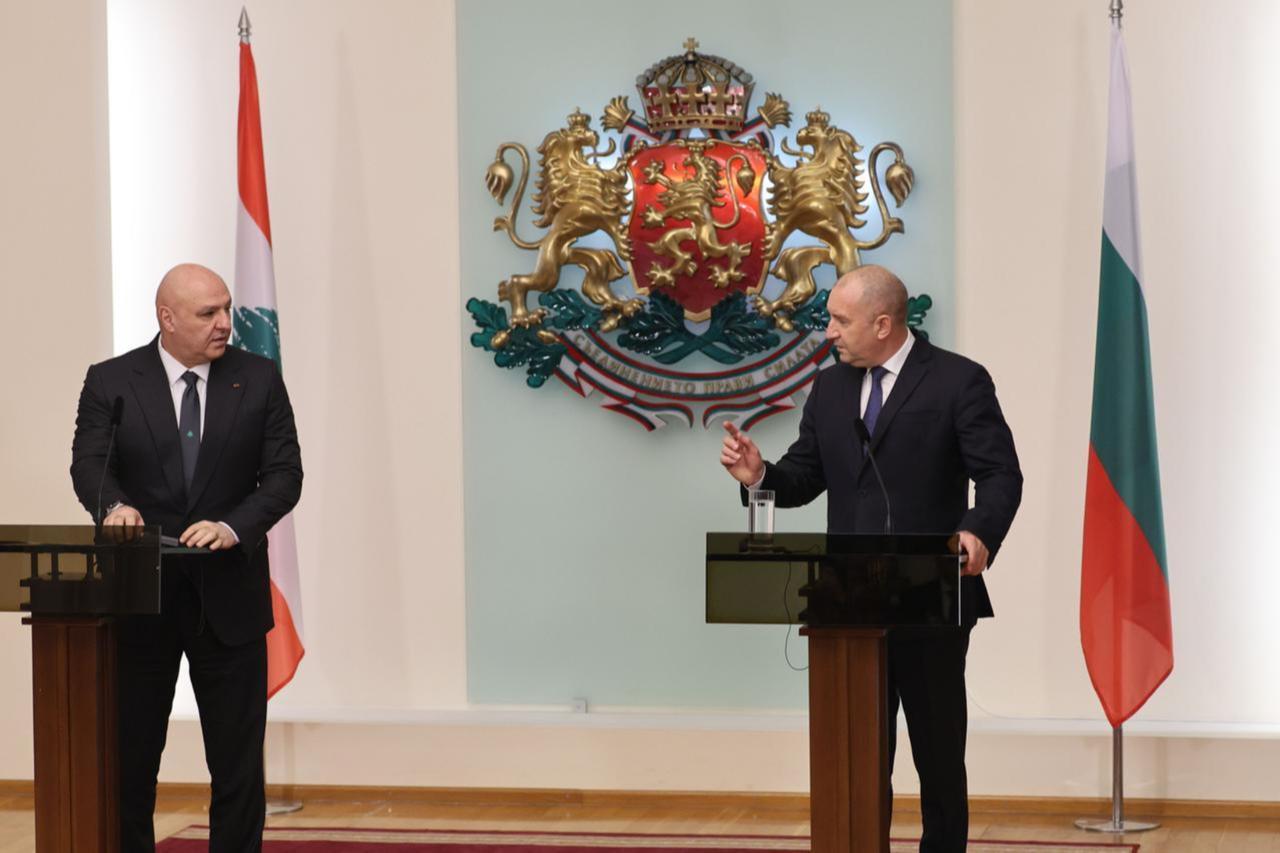
A former pilot supported by the pro-Russian opposition Socialists, Radev first won the presidency in 2016. He secured a second five-year term in 2021 with nearly 67 percent of the vote in the second round. His term had been scheduled to end early next year.
Deputy president Iliana Iotova, 61, a former journalist and Socialist party lawmaker, is expected to serve as interim president. Under Bulgarian law, the president appoints an interim prime minister from a list of senior state officials and sets the election date.
Bulgaria has been locked in a cycle of political instability since 2020, when mass anti-graft protests targeted the government of three-time prime minister Boyko Borissov of the conservative GERB party. A series of elections since then has produced fragmented parliaments unable to form stable governments.
The GERB party won the most recent election last year and formed a coalition government, but protests erupted in late November over its 2026 draft budget. Demonstrators called the budget an attempt to conceal rampant corruption. Radev voiced strong support for the protesters, continuing his role as a vocal government critic.
Radev has frequently clashed with the government, particularly over foreign policy. He has opposed sending military aid to Ukraine and expressed disappointment in an interview with CNN last year over what he characterized as insufficient European support for US President Donald Trump's self-described peace efforts.
Parvan Simeonov from the Myara polling agency said Radev decided to resign and potentially run because "there is momentum linked to the protests." A recent poll by the Market Links institute gave Radev a 44 percent approval rating.
Simeonov suggested Radev aims to secure enough support to avoid extensive political negotiations. A strong election result could provide "a way out of the crisis," he said.
Bulgaria ranks among the lowest EU nations on watchdog Transparency International's Corruption Perception Index, reflecting long-standing governance challenges that have fueled public frustration.


 Set as preferred source
 Set as preferred source


 1 min read
 1 min read