Newsletters


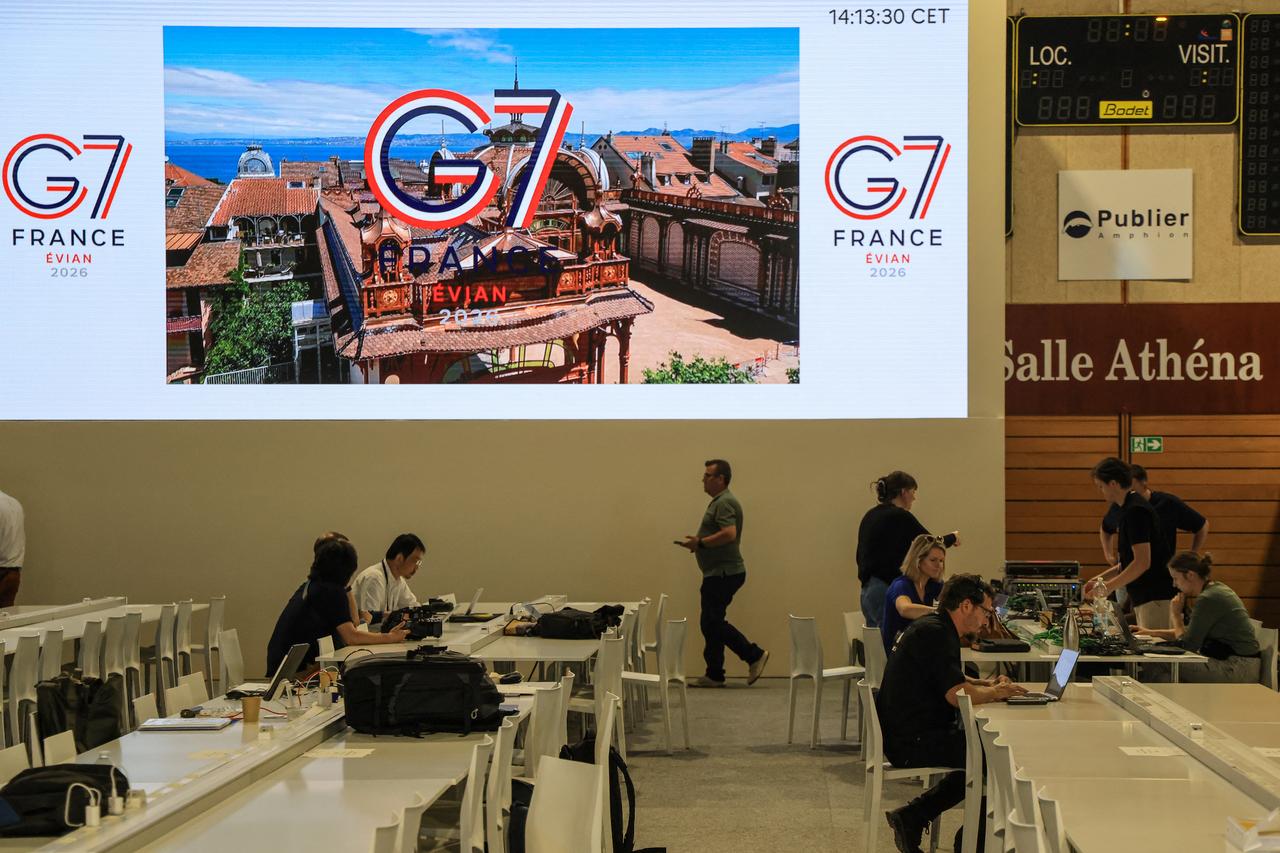


Leaders of the Group of Seven nations gathered in Evian-les-Bains, France, on Monday, shortly after the U.S. and Iran announced a preliminary agreement aimed at ending their war.
The June 15-17 summit is expected to focus on the next steps in the Iran agreement, the war in Ukraine, global economic imbalances and efforts to secure critical minerals from suppliers outside China.
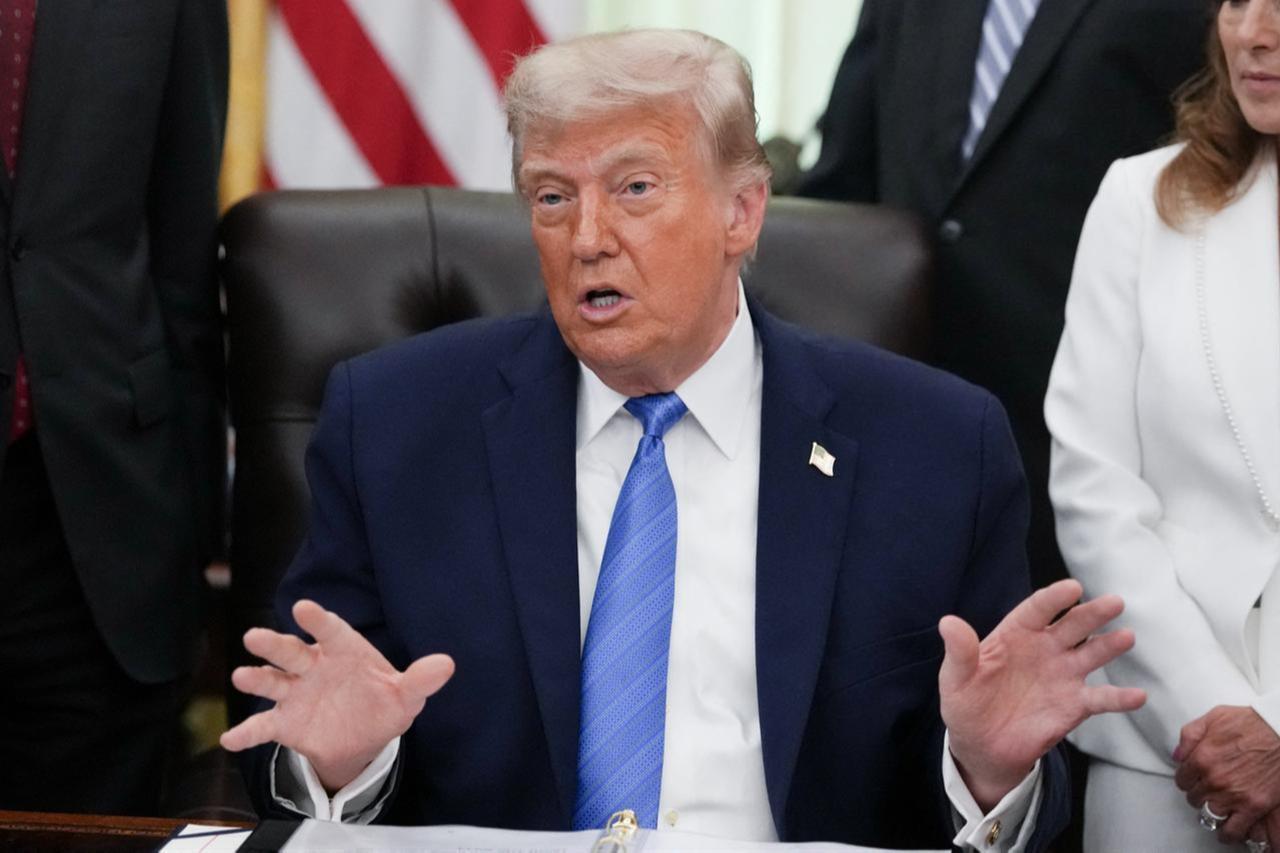
U.S. President Donald Trump was due to arrive Monday for the meeting, where he is expected to hold talks with Middle Eastern leaders and attend a working session with Ukrainian President Volodymyr Zelenskyy.
The summit comes as global leaders have grown increasingly cautious about Washington following U.S. policies that have reshaped the Middle East, international trade and diplomacy.
French officials welcomed Trump’s participation after he left the previous G7 summit in Canada early.


G7 leaders are expected to seek further information about the preliminary agreement between Washington and Tehran.
A memorandum of understanding is scheduled to be formally signed Friday in Switzerland, though the precise terms were not immediately known.
Trump said the Strait of Hormuz, a major route for global oil and gas shipments that Iran had effectively closed for months, would reopen the same day.
He also said he had ordered an end to the U.S. blockade of Iranian ports.
The secretariat of Iran’s Supreme National Security Council said in a statement that the war and military operations on all fronts, including Lebanon, would end permanently beginning Monday night.
Iranian Deputy Foreign Minister Kazem Gharibabadi said a broader agreement would be negotiated during a 60-day ceasefire period.
Those negotiations would include sanctions relief for Iran, while Iran’s nuclear program would be addressed in later talks, according to sources previously cited by Reuters.
The United Arab Emirates, which was directly affected by the war, and mediators Qatar and Egypt are also attending the summit.
Trump is scheduled to attend a working session with Zelenskyy on Tuesday.
The meeting comes as Russian advances in Ukraine have slowed and Kyiv seeks additional military funding from its allies.
Zelenskyy’s position has improved since Trump told him during an Oval Office meeting last year that he did not “have the cards.”
However, greater U.S. support may remain difficult to secure as Trump focuses on ending the conflict with Iran, which has reduced his domestic support.
The G7 summit will also seek common ground on global economic imbalances and the supply of critical minerals outside China.
France has framed economic imbalances as a shared responsibility, arguing that China produces too much, the U.S. consumes too much and Europe invests too little.
French President Emmanuel Macron has urged China to increase domestic consumption.
Brazil, India, Kenya and South Korea have been invited to join the economic discussions.

Macron was expected to welcome Trump on Monday as France hosted the summit in the lakeside resort of Evian-les-Bains.
The gathering represents a major diplomatic moment for Macron during his second and final presidential term, which ends next year.
Although his domestic political influence has weakened, Macron continues to play a significant role in international diplomacy.
He secured Trump’s attendance at a formal dinner scheduled for Wednesday at the Palace of Versailles.
Macron has used France’s G7 presidency to promote action on global economic imbalances before the U.S. assumes the G20 presidency this year and takes over the G7 presidency next year.
The summit will bring together leaders from Britain, Canada, France, Germany, Italy, Japan and the U.S., along with invited countries and Middle Eastern partners.
Discussions are expected to center on implementing the U.S.-Iran agreement, reopening the Strait of Hormuz, addressing the war in Ukraine and reducing economic dependence on China.


 Set as preferred source
 Set as preferred source


 1 min read
 1 min read