Sign in
 Newsletters


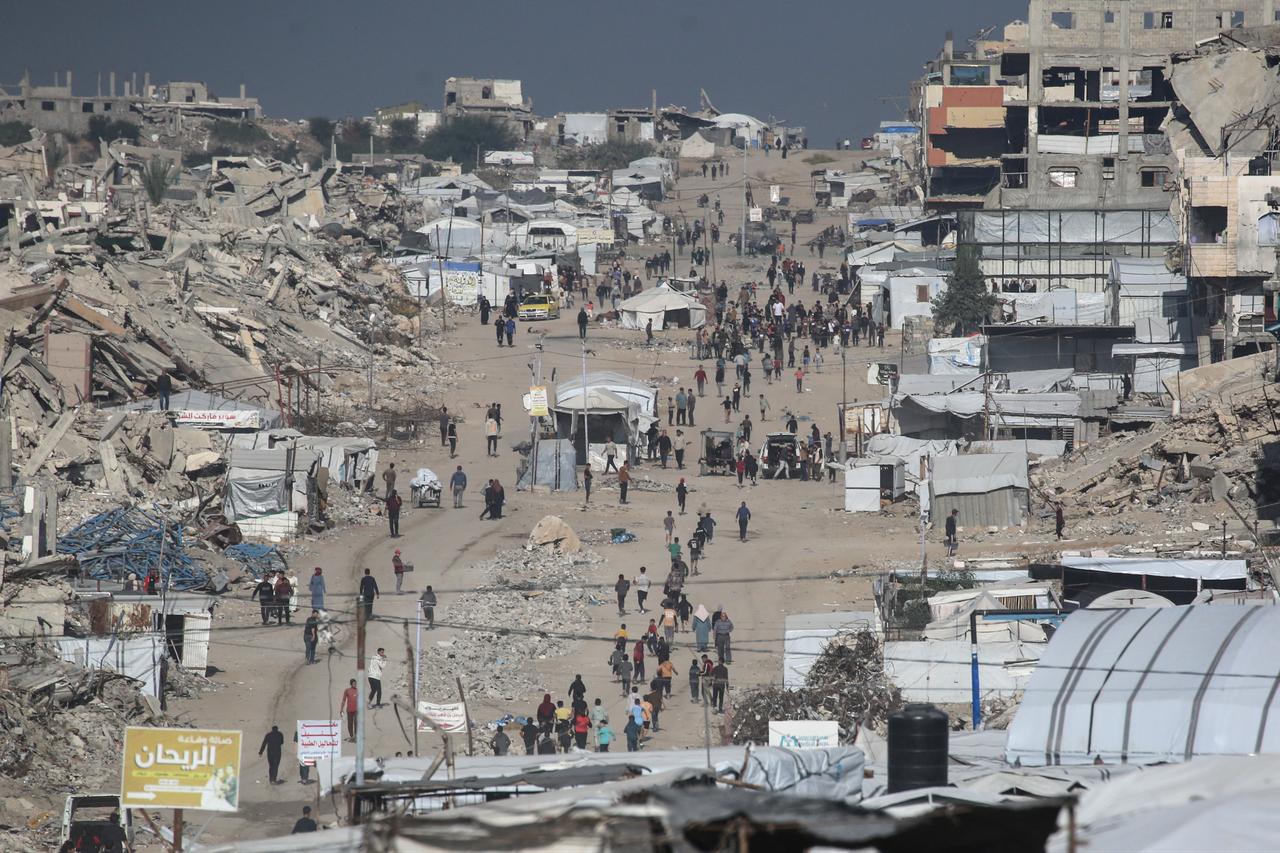


The number of recorded deaths in Gaza more than quadrupled between 2022 and 2025, rising from 6,061 to 24,650, as Israeli attacks, disease and disruptions to healthcare deepened the territory's humanitarian crisis, a senior Palestinian health official said.
Munir al-Bursh, director-general of Gaza's Health Ministry, shared the figures in a statement on U.S. social media platform X, warning of a worsening public health emergency driven by contaminated drinking water, damaged sanitation infrastructure and a concerning rise in meningitis cases.
According to Bursh, Gaza's overall mortality rate increased from 2.80 deaths per 1,000 people in 2022 to 11.59 in 2025.
The recorded deaths include fatalities from Israeli attacks, diseases and accidents. Bursh emphasized that determining how many deaths resulted specifically from hunger, infections or disrupted medical services would require further analysis of the causes of death.
Gaza's Health Ministry warned of an unusual and concerning increase in meningitis cases, particularly viral meningitis, at a time of year when such a rise is not typically expected.
Bursh said damage to sewage networks, the shutdown of wastewater treatment facilities and rainfall had increased the risk of sewage contaminating drinking water.
Poor sanitation can facilitate the transmission of certain viruses that cause meningitis, he said, although identifying the causes and transmission routes of the reported cases requires epidemiological investigations and laboratory testing.
The ministry had issued a separate warning about the increase in meningitis cases the previous day.
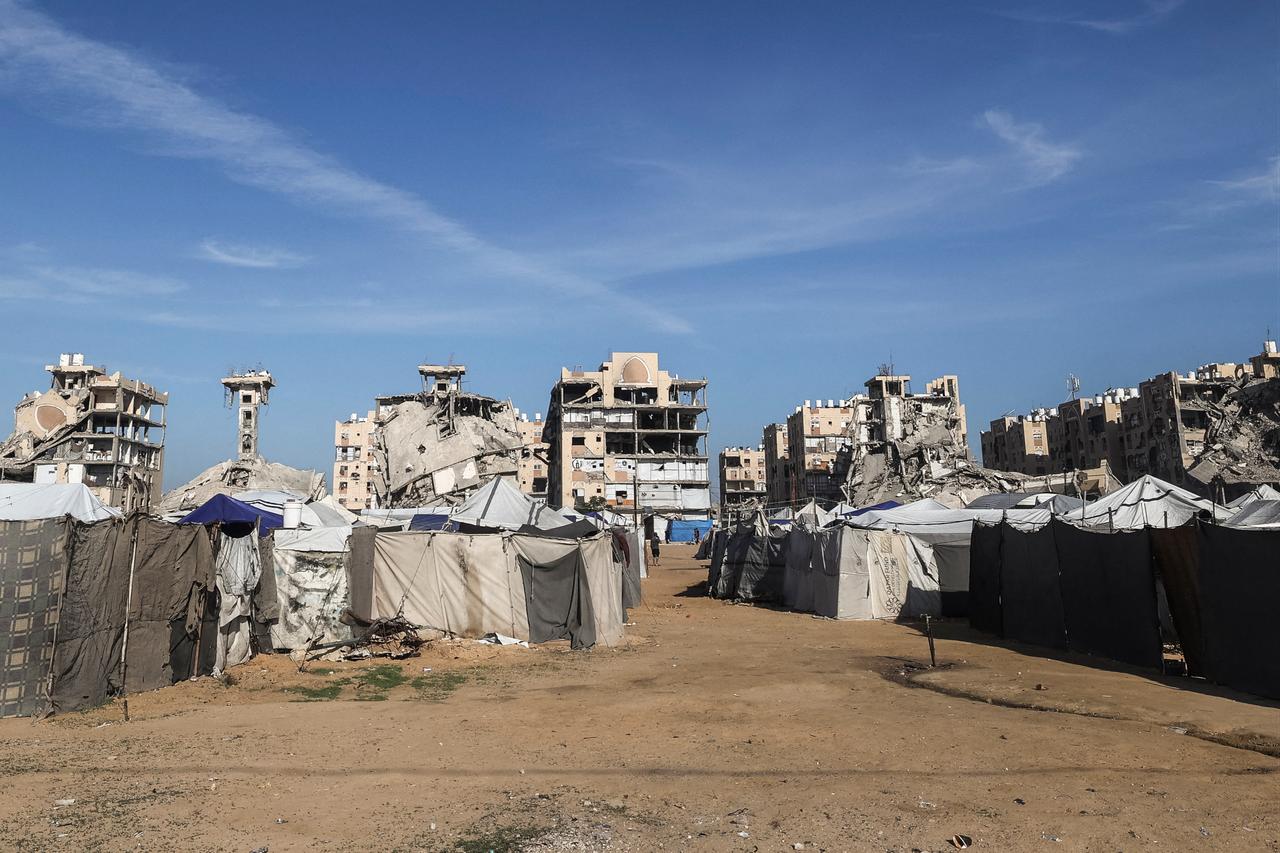

Bursh warned that several interconnected crises were placing children in Gaza at heightened risk.
He said deteriorating water and sanitation systems were increasing the threat of infectious diseases, while malnutrition was weakening children's ability to resist illness.
Disruptions to hospital operations and shortages of medicines were also making timely diagnosis and treatment increasingly difficult.
The official described the situation as a convergence of deadly risks, with displaced families particularly vulnerable to unsafe water, inadequate sanitation and limited access to medical care.
Bursh called on the international community, the World Health Organization (WHO) and the United Nations Children's Fund (UNICEF) to take immediate action to prevent further deterioration.
He urged international organizations to facilitate the entry of fuel and equipment needed to repair damaged water and sewage networks and restore desalination, pumping and wastewater treatment facilities.
He also requested water disinfection materials and hygiene kits for displaced families, alongside laboratory testing supplies and medicines for hospitals.
"Protecting a child in Gaza starts with safe water reaching their family today and a hospital able to diagnose and treat them when they fall ill," Bursh said.


 Set as preferred source
 Set as preferred source


 1 min read
 1 min read