Newsletters


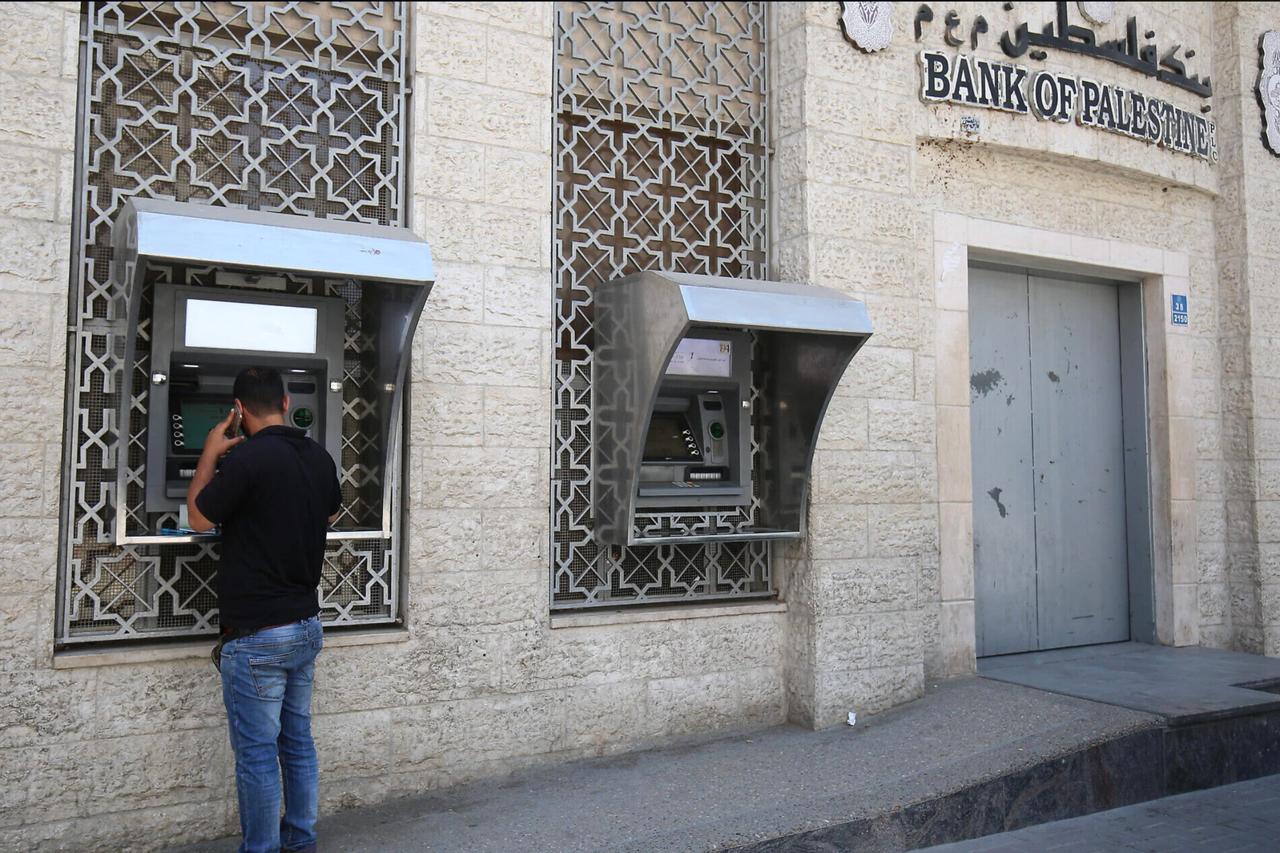


Bank deposits in the Gaza Strip have surged sharply since the start of Israel’s war on the enclave in Oct. 2023, despite the near-total collapse of economic activity, raising questions over the sources of the funds and highlighting the depth of Gaza’s cash and liquidity crisis.
Figures released by the Palestinian Monetary Authority, the central bank, show an unprecedented surge in bank deposits in Gaza, which rose by 178% from the start of the war through the end of August 2025.
According to the data, total deposits increased from about $1.745 billion in October 2023 to nearly $4.84 billion, a notable jump that has raised numerous questions about the sources of these funds and the nature of their accumulation.
This unexpected increase has revived debate over whether the surge reflects any form of economic recovery in the enclave or whether it instead signals a deepening financial crisis and a state of enforced stagnation.
Economists argue that the rise does not represent genuine economic growth but rather reflects a suppressed economic reality marked by the absence of trade and investment opportunities and the suspension of productive activities, leading to the buildup of idle liquidity in bank accounts without effective use.
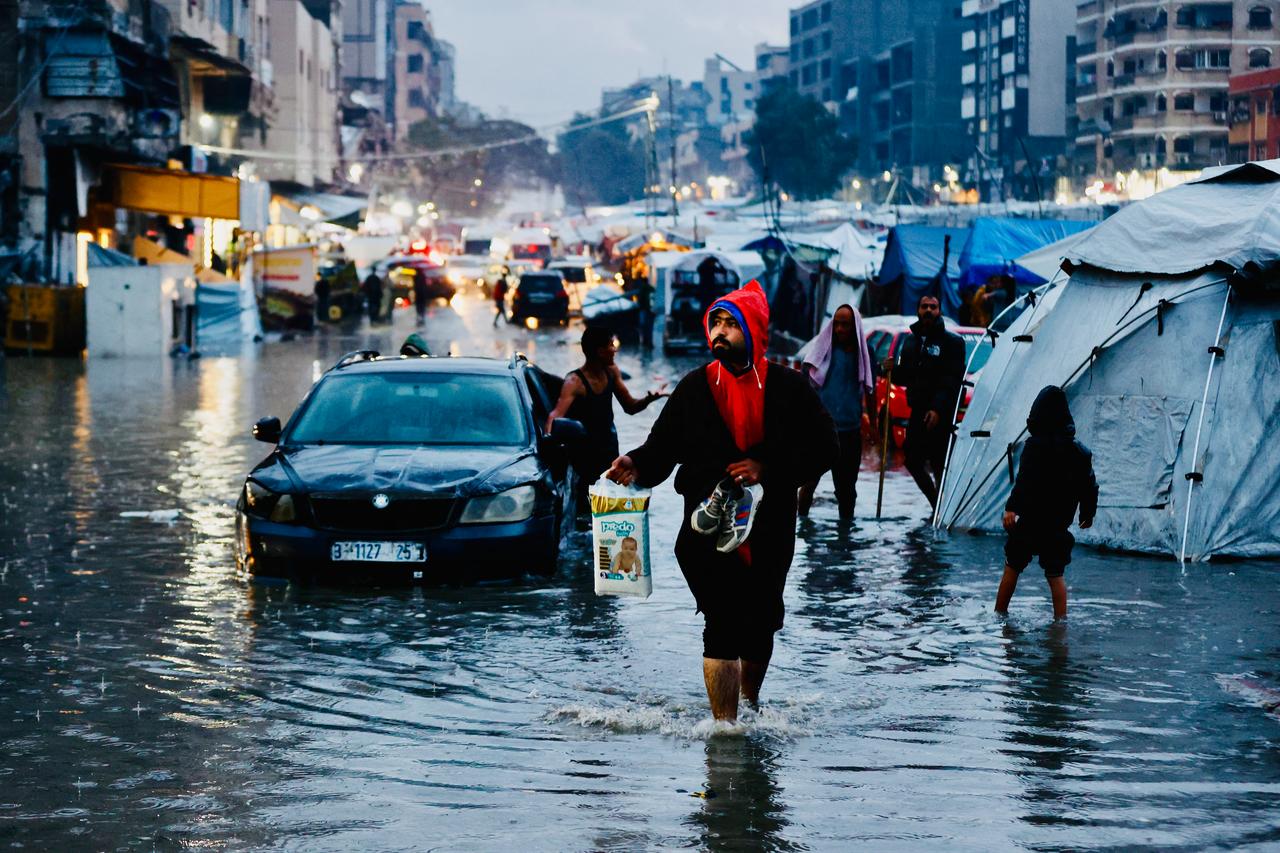

Economists note that the accumulation of deposits is the result of several factors, including widespread fear and uncertainty, business closures, and soaring cash-out commissions known locally as takyeesh.
They also point to inflows of remittances from expatriates at a time when the economic environment is no longer capable of absorbing this liquidity or channeling it into commercial or investment activity.
According to Arab media reports, some traders in Gaza have turned to banks to deposit and safeguard their funds, fearing their loss amid intense bombardment, widespread destruction and repeated displacement, which have imposed an extremely fragile security and economic reality.
With commercial activity in the enclave almost entirely at a standstill, traders have had no viable means of using these funds in any form of economic activity.
As a result, the money has remained frozen in bank accounts, an indicator of the depth of the economic crisis Gaza continues to endure under the weight of war and destruction.
Alongside merchants’ reliance on depositing funds in banks, another factor has contributed to the accumulation of deposits: the buildup of unpaid salaries.
This phenomenon represents an additional challenge facing the sector, albeit from a different angle.
Palestinian teacher Fidaa Ibrahim, who works for the United Nations Relief and Works Agency for Palestine Refugees, or UNRWA, offers a clear example of this situation.
Since the early months of the war, Fidaa, like thousands of other employees and depositors, has faced severe difficulty accessing her salary amid an acute liquidity crisis that has swept across the Gaza Strip.
As the cash shortage worsened, commissions charged for withdrawing money from bank accounts, locally known as takyeesh, reached unprecedented levels, peaking at around 52% at certain times.
This effectively meant that employees would lose nearly half of their salary if they attempted to withdraw it in cash through informal traders.
Under these conditions, many employees were forced to leave their salaries accumulating in their bank accounts, waiting for the takyeesh crisis to ease and for liquidity to return to normal levels.
Only then would they be able to access their funds without incurring substantial losses, adding a new layer of complexity to Gaza’s deepening deposit crisis.


 Set as preferred source
 Set as preferred source


 1 min read