Newsletters


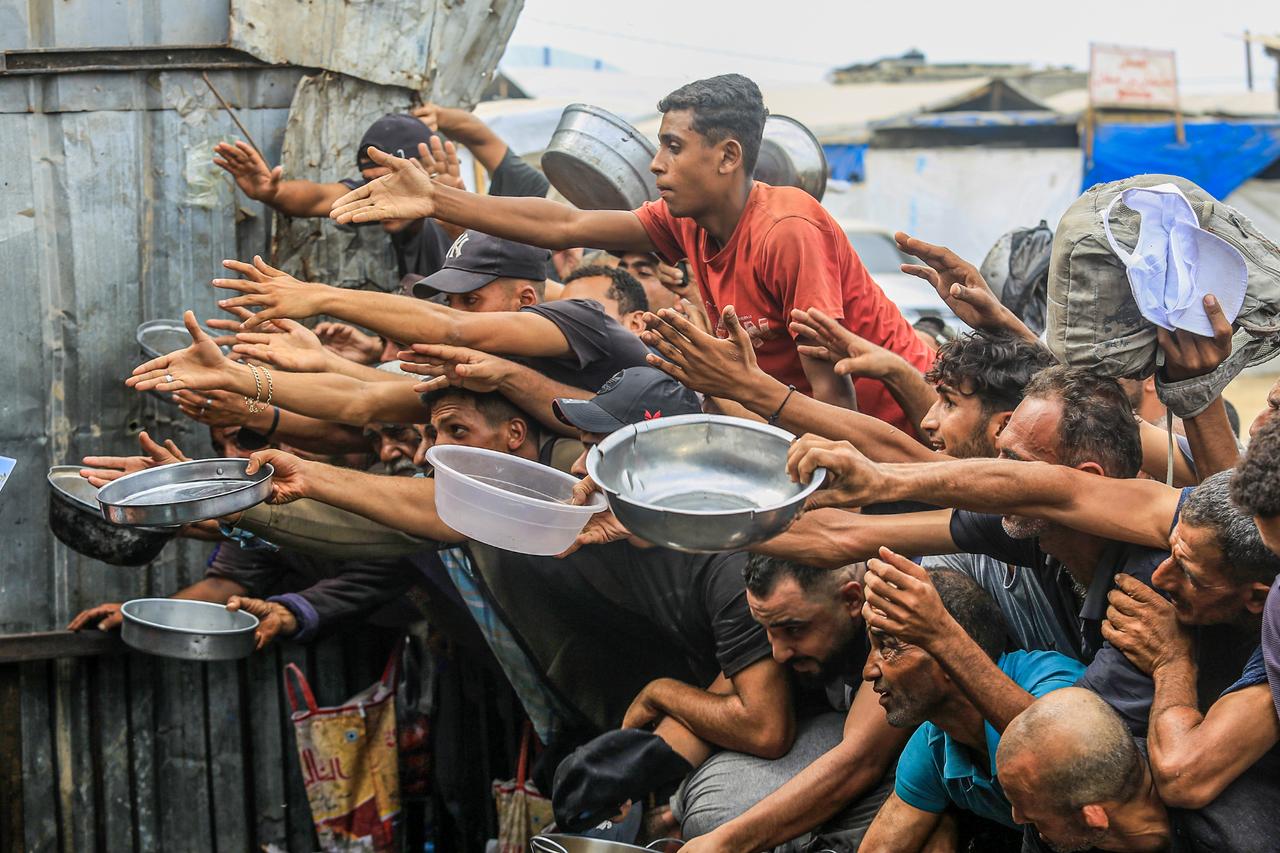


At least 466 Palestinians, including 157 children, have died from malnutrition and starvation in Gaza since 2024, the enclave's Health Ministry said Friday, warning that more than 1.4 million people face worsening food insecurity.
The figures were released on World Food Day, observed annually on Oct. 16, as health officials highlighted the continuing humanitarian consequences of Israel's military campaign and restrictions on aid entering the Palestinian territory.
The ministry said 189 elderly Palestinians had died from starvation, accounting for 40.5% of the reported deaths.
In August 2025, the United Nations declared famine in Gaza.
More than 1.4 million Palestinians, approximately 67% of Gaza's population, are expected to face crisis-level food insecurity or worse through the end of 2026, according to the ministry.
Palestinian government bodies and human rights organizations have accused Israel of using starvation as a weapon of war during its military campaign in Gaza, which began in October 2023.
Israel tightened restrictions on crossings in March 2025, preventing thousands of humanitarian aid trucks waiting at border crossings from entering the enclave.
The restrictions followed widespread hunger in northern Gaza, where the blockade and limited supplies of food and relief materials forced some residents to resort to eating animal feed and wild plants.
In late May 2025, Israel allowed 87 aid trucks into Gaza for the first time after 81 days, according to Gaza's government media office.
Humanitarian shipments subsequently entered on a limited and intermittent basis under strict restrictions until February 2026, when Israel permitted a limited increase in deliveries under a ceasefire agreement.
Palestinian officials said the shipments remained insufficient to meet the population's basic nutritional needs.
Gaza's government media office said Israel had allowed only about 34% of the humanitarian aid trucks agreed upon to enter the enclave.
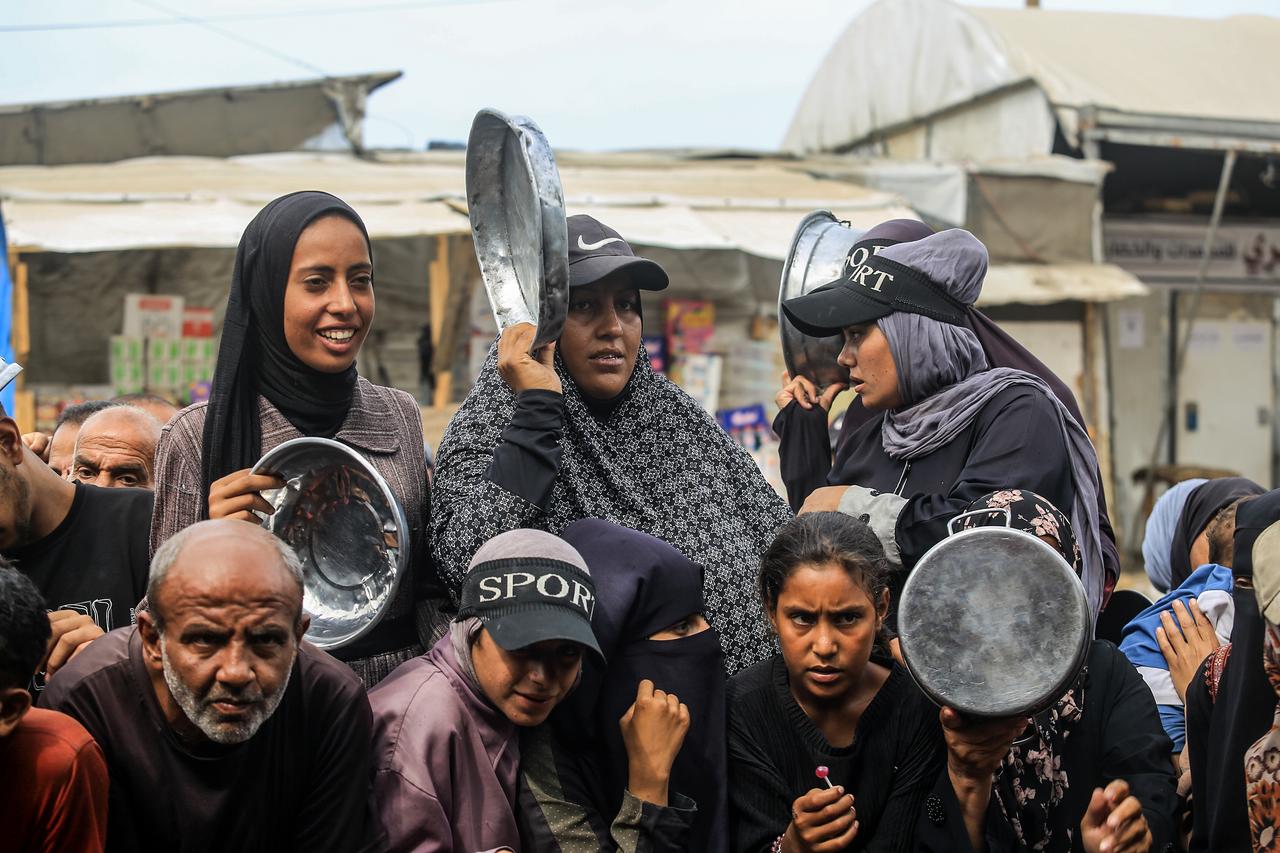

“Malnutrition and starvation rates in Gaza have reached catastrophic levels that are killing children, the elderly and vulnerable groups,” the Health Ministry said.
According to the ministry, more than 158,000 cases of acute malnutrition were recorded among children under 5 between 2024 and August 2026.
It said 18% of the affected children suffered from severe acute malnutrition, a life-threatening condition, while stunting affected 12.2% of children, reflecting the long-term consequences of inadequate nutrition.
The mortality rate among children under 5 increased from 13.6 deaths per 1,000 live births in 2022 to 33.4 in 2025, the ministry said.
Health officials estimate that approximately 74,200 children will require treatment for acute malnutrition through April 2027.
The food crisis has also severely affected pregnant women and unborn children, according to the ministry.
The prevalence of anemia among pregnant women rose to 61% in 2026, compared with 41% before the war.
“Around 4,000 pregnancy losses were recorded during the first half of 2026, more than three times the number recorded during the previous six months,” the ministry said.
“One in three pregnancies in Gaza is now classified as high-risk,” it added.
“The figures show that the health consequences of the food crisis are increasingly affecting mothers and unborn children, in addition to children,” the ministry said.
The ministry warned that inadequate nutrition, limited medical supplies and damage to health facilities were compounding the risks facing pregnant and breastfeeding women.
“The right to food is a fundamental human right that does not cease to exist during war,” the ministry said.
It urged the international community and the United Nations to take immediate action to ensure the safe, sustained and unrestricted entry of food, therapeutic nutritional supplements and medicines into Gaza.
The ministry called for priority assistance to children, pregnant and breastfeeding women, and elderly residents, identifying them as particularly vulnerable to malnutrition.
It also urged international support to restore local food production and reduce the territory's dependence on humanitarian deliveries.
Israel's military campaign has caused extensive destruction to Gaza's infrastructure, including health facilities, agricultural land, food production sites and water networks, severely undermining residents' ability to meet their basic needs.
Repeated displacement, loss of income and soaring food prices have further increased dependence on humanitarian assistance, while access to supplies remains irregular.
The ministry warned that without sustained access to food and medical assistance, the health consequences of the crisis would continue to affect Gaza's population, particularly children and mothers.


 Set as preferred source
 Set as preferred source


 1 min read

 1 min read