Newsletters


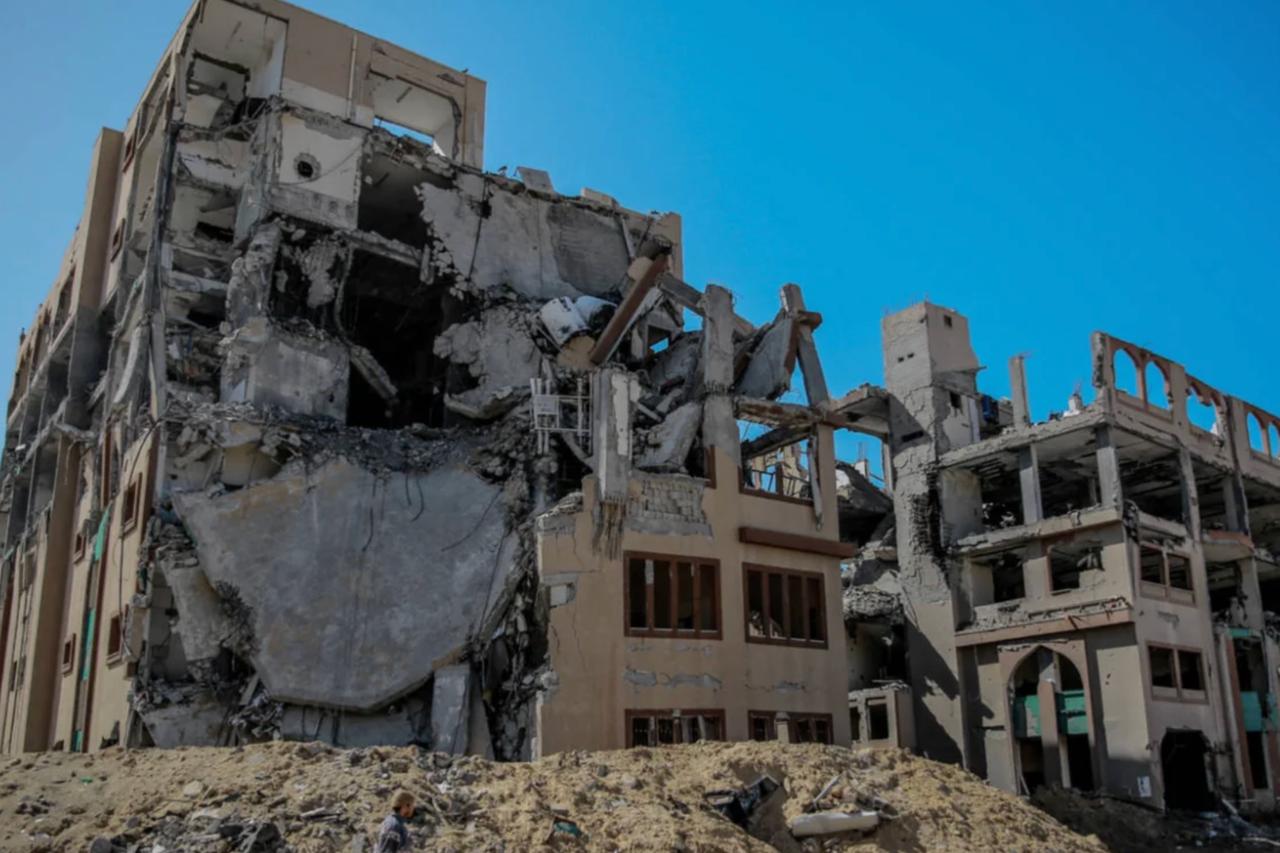


Gaza universities are attempting to resume teaching despite extensive campus damage and shortages of equipment and resources, with some institutions partially reopening for in-person instruction while many students remain limited to remote learning, according to the French newspaper Le Monde.
Writer Marie-Jose Sader said in her report that Gaza’s higher education institutions are making strenuous efforts, with the resources available, to resume classes after two years of a devastating war.
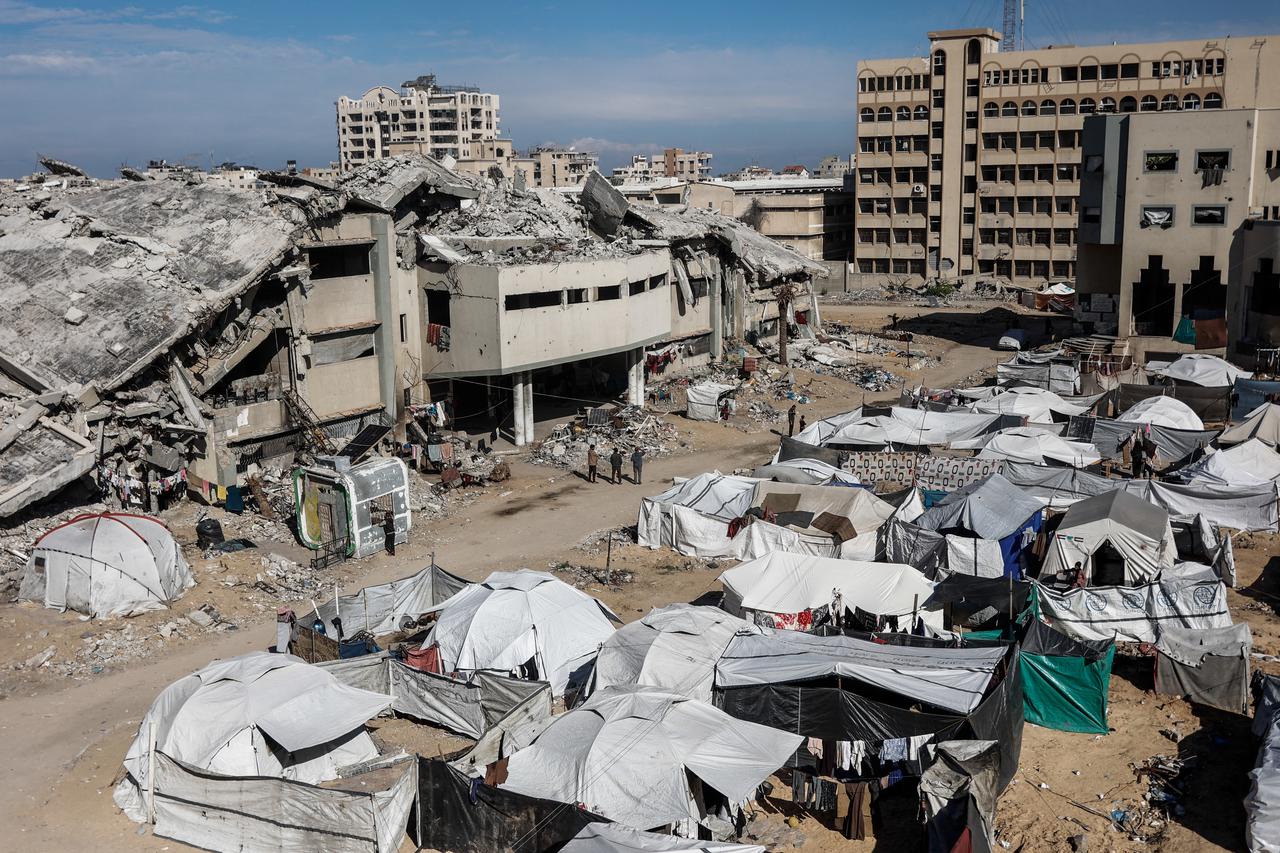

According to the report, despite the destruction of most university campuses and severe shortages of resources, some colleges have partially reopened their doors for in-person instruction.
Student Dana Al-Sourani embodies this scene. She celebrated her return to Al-Azhar University in Gaza by posting a video on her Instagram account with the caption “Back to life.”
The clip shows students in white coats inside the dentistry department, in an image where signs of academic life mix with the aftermath of destruction, broken windows, and makeshift plastic-sheet walls.
The writer notes that 95% of Gaza’s universities have been damaged to varying degrees and that 22 out of 38 universities were completely destroyed, leaving most higher education buildings unfit for use.
Out of 206 buildings, 195 have become unusable due to total destruction or severe damage.
She adds that out of 18 higher education institutions, only four universities have been able to partially resume in-person learning in a limited number of disciplines, including Al-Azhar University and the Islamic University.
The remaining institutions face a major shortfall that prevents them from rehabilitating their buildings or regaining their premises, which have been turned into shelters for displaced people, making remote learning the only option for thousands of students.
As for the universities that have reopened, they are operating with limited capabilities, amid restrictions that prevent the entry of the equipment and materials needed.
The restrictions Israel imposes on the entry of aid and materials into the Strip further complicate the situation, even after the ceasefire in October 2025, preventing universities from replacing damaged or worn-out equipment.
Even so, an exceptional enthusiasm stands out among students, especially in medical fields, as advanced-year students continued their practical training inside overcrowded hospitals and under bombardment.
The writer noted that Gaza’s universities, weighed down by financial burdens, are struggling to pay staff salaries and rely mainly on international support for reconstruction in a long battle to revive education from beneath the rubble.


 Set as preferred source
 Set as preferred source



 2 min read