Newsletters


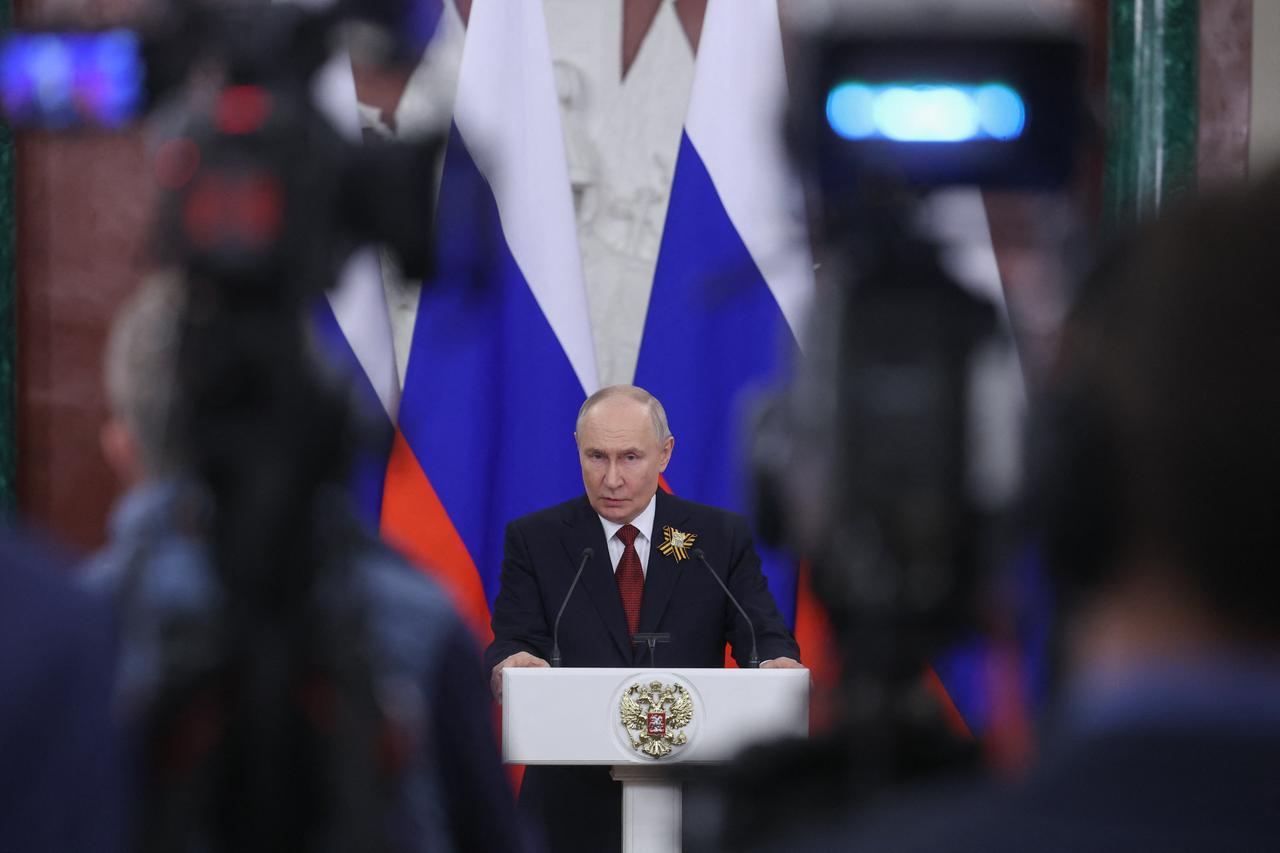


Germany’s EU minister on Monday rejected Russia’s proposal to appoint former German Chancellor Gerhard Schroeder as a mediator in talks aimed at ending the war in Ukraine.
German EU Affairs Minister Gunther Krichbaum told reporters in Brussels that Schroeder’s long-standing friendship with Russian President Vladimir Putin undermined his credibility as a neutral mediator.
“A mediator must be accepted by both sides, and that seems to be lacking,” Krichbaum said ahead of an EU foreign ministers’ meeting.
“Former Chancellor Schroeder has not done things in the past that would position him today as a neutral mediator, as an honest broker,” he added.
Krichbaum said close personal ties would make it difficult for Schroeder to be perceived as impartial.
“This certainly applies to us as well, on the part of the German government, but the important thing first and foremost is that a mediator must be acceptable to both sides,” he said.
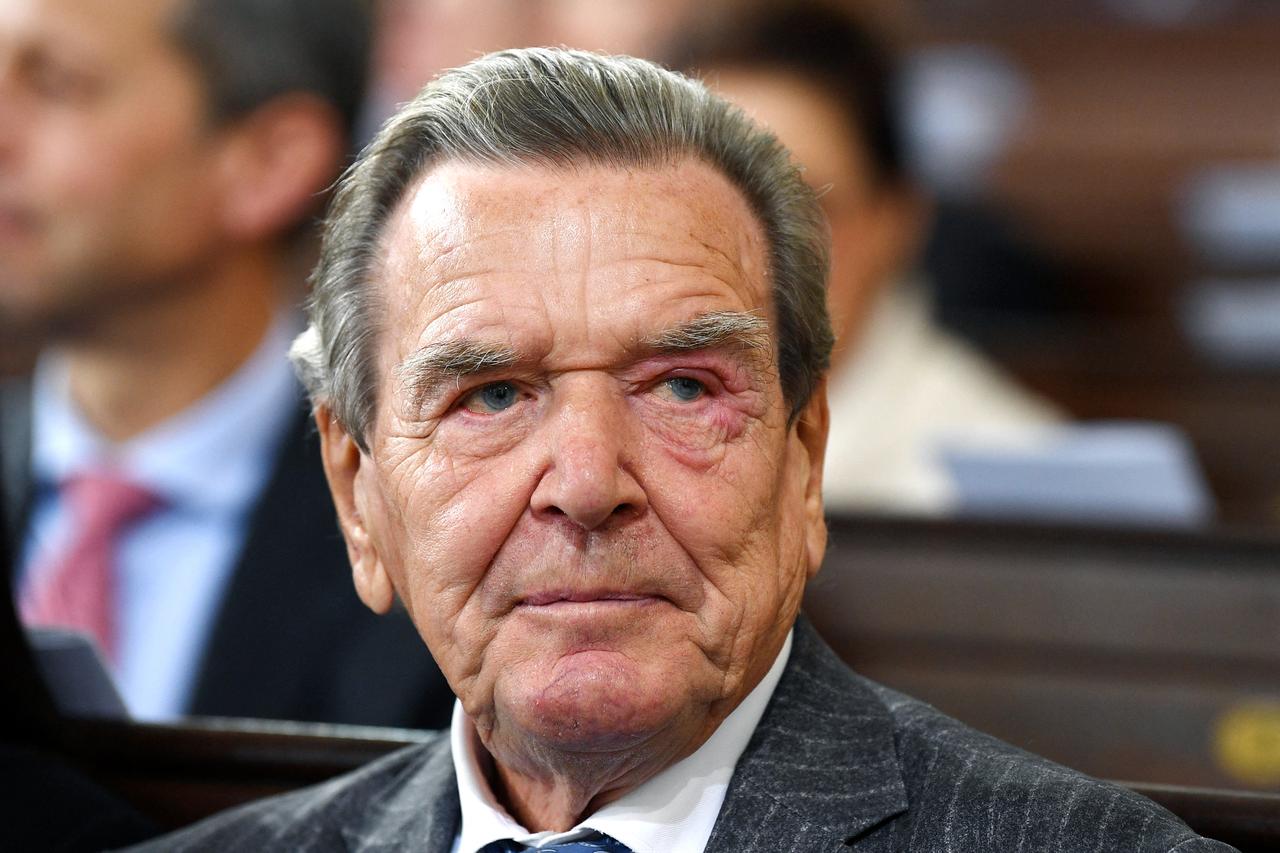

EU foreign policy chief Kaja Kallas also pushed back against Putin’s proposal, arguing that Russia should not decide who represents Europe in potential negotiations.
“If we give the right to Russia to appoint a negotiator on our behalf, that would not be very wise,” Kallas told reporters before the Brussels meeting.
“Gerhard Schroeder has been a high-level lobbyist for Russian state-owned companies,” she said.
“So it’s clear why Putin wants him to be the person so that actually he would be sitting on both sides of the table,” Kallas added.
She also stressed that European Union member states should first coordinate their own objectives before engaging in direct talks with Moscow.
“Before we discuss with Russia, we should discuss amongst ourselves what we want to talk to them about,” Kallas said.
 2 min read
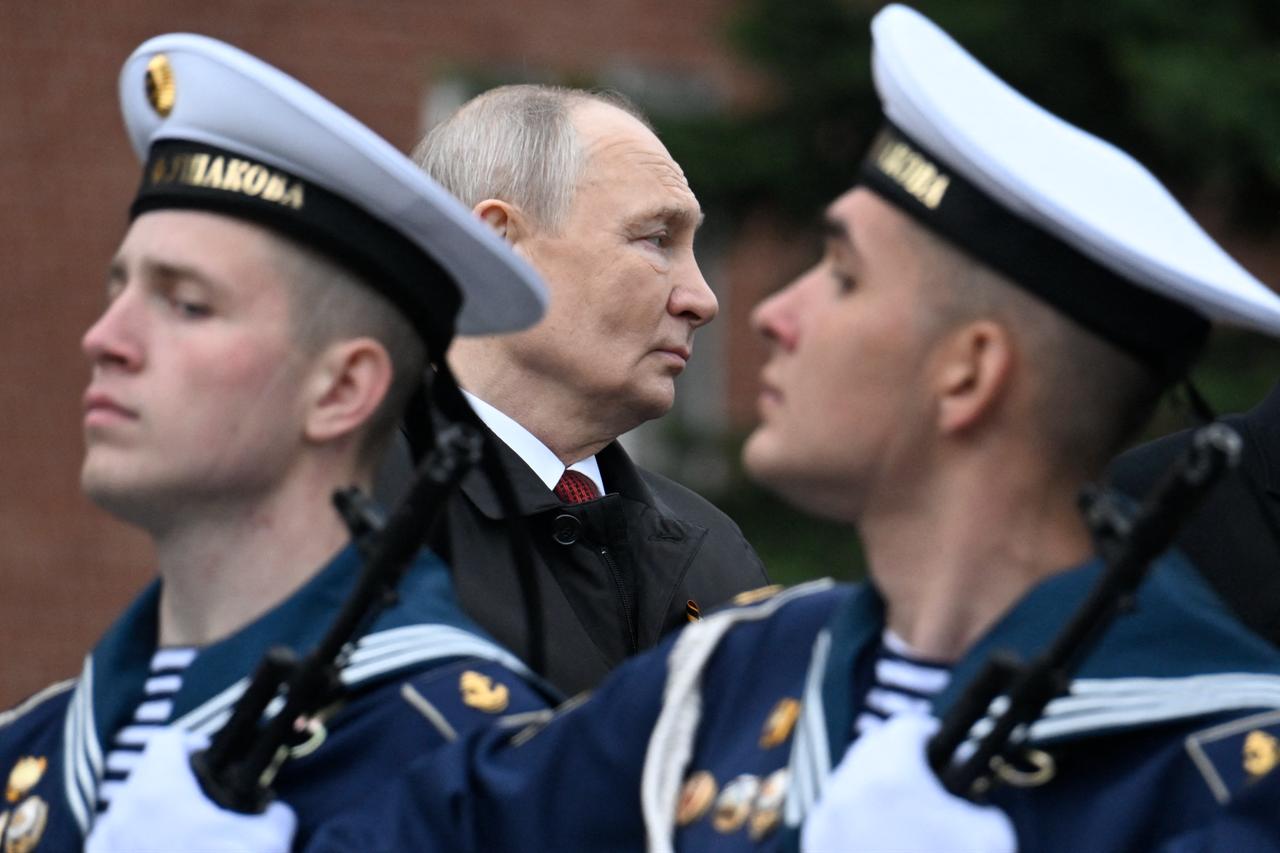
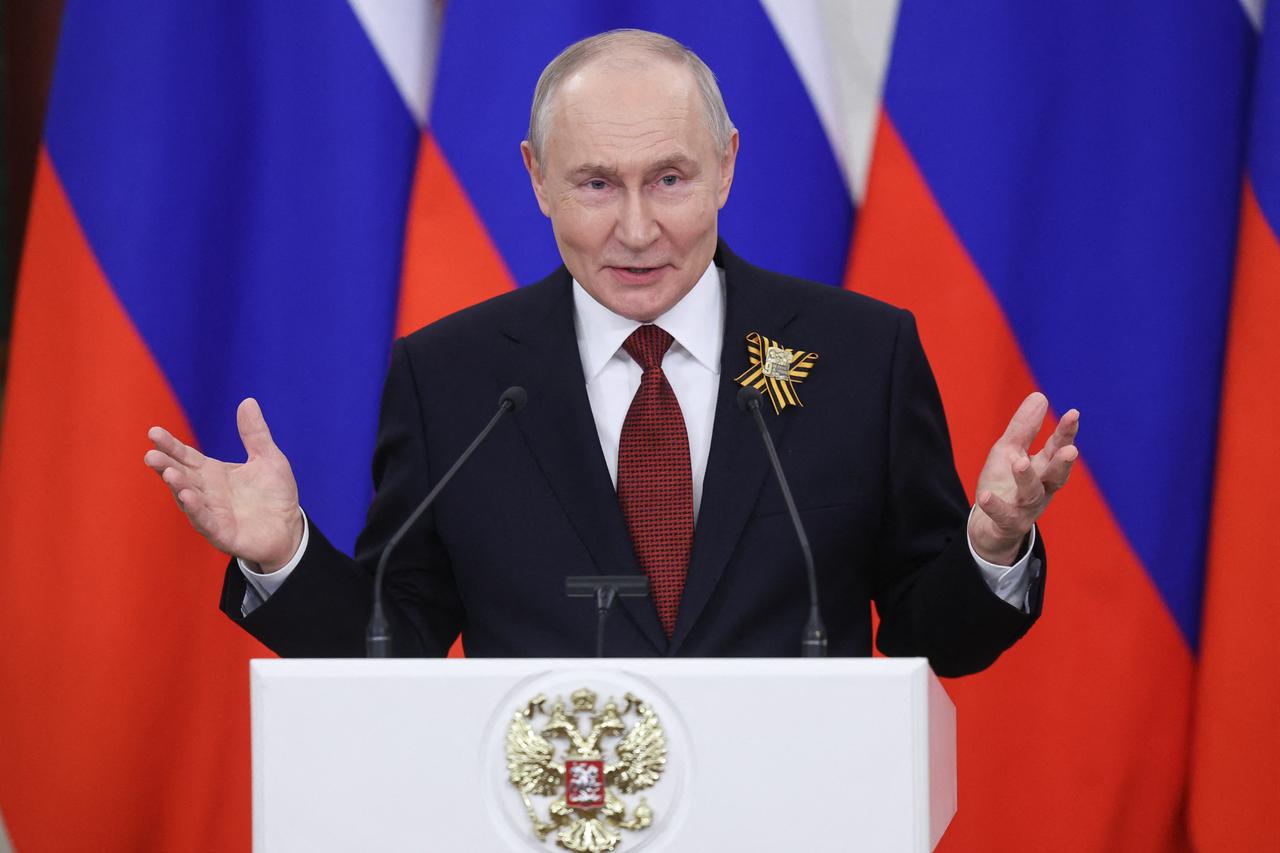
Putin said Saturday that Schroeder would be his preferred mediator for efforts to restart talks between Russia and Europe over the Ukraine war.
Schroeder served as Germany’s chancellor from 1998 to 2005 and has maintained close ties with Putin long after leaving office.
The former German leader previously held senior positions in Russian energy projects, including work related to the Nord Stream gas pipelines and a seat on the board of Russian oil company Rosneft, which he left in 2022 after Russia’s invasion of Ukraine.
Schroeder has remained a controversial figure in Germany because of his relationship with the Kremlin and his refusal to publicly condemn Russia’s invasion.
His stance has led to domestic criticism and the loss of several privileges usually granted to former German chancellors.


 Set as preferred source
 Set as preferred source


 1 min read