Newsletters


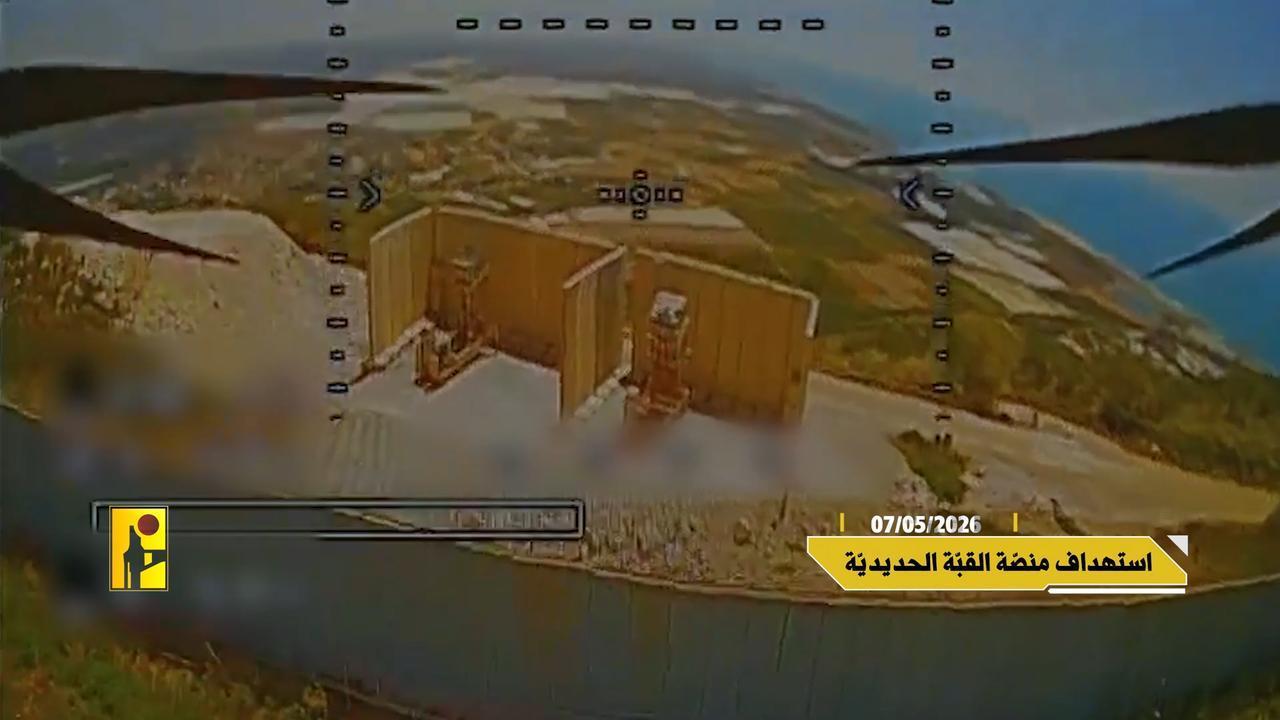
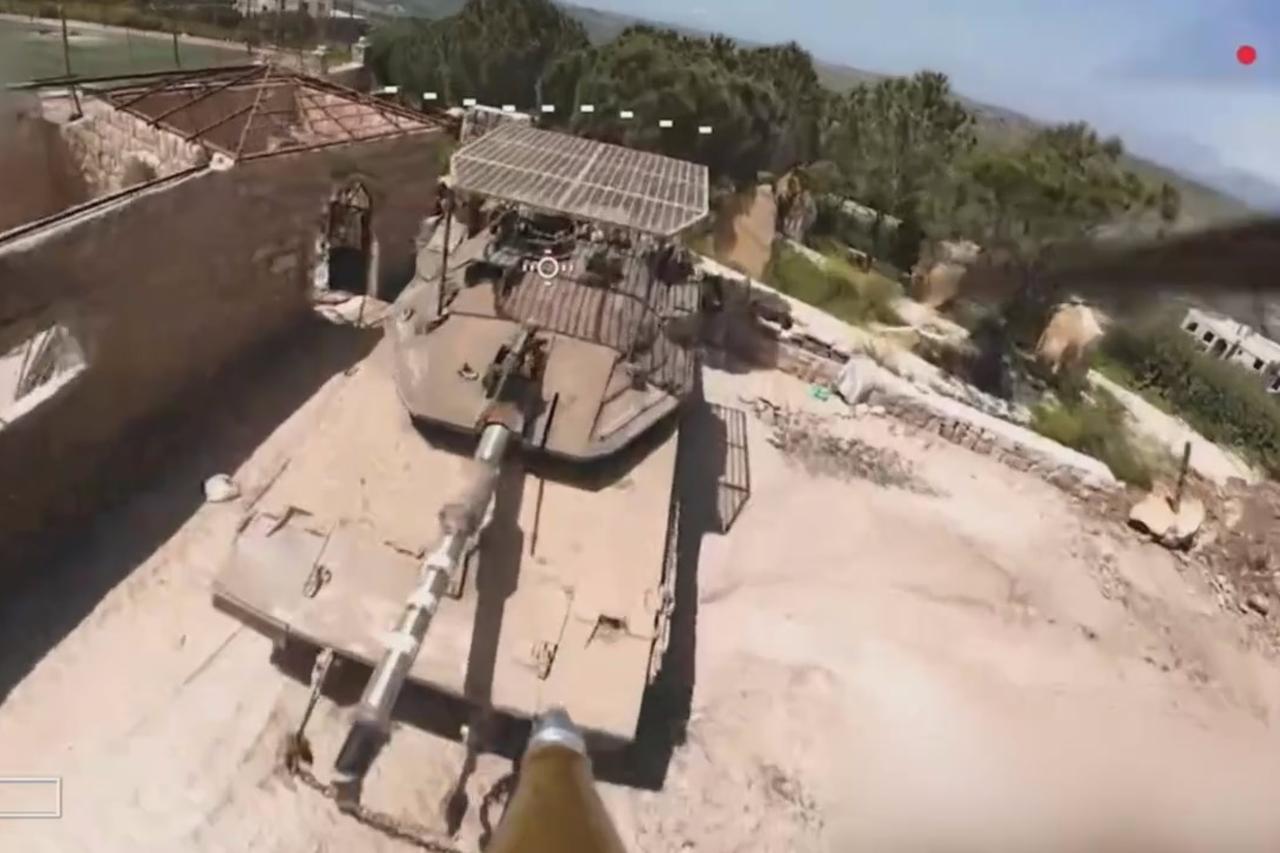
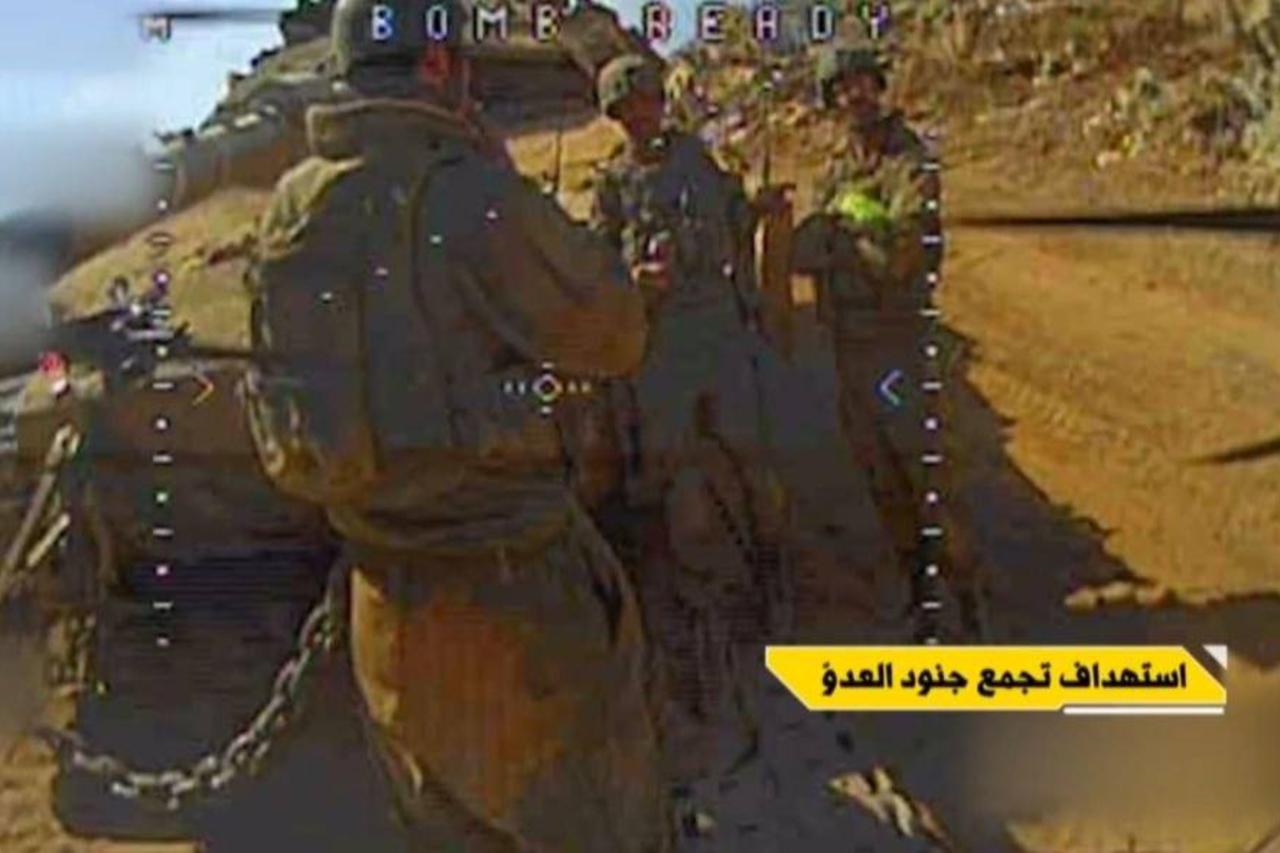
Hezbollah released footage on Sunday showing first-person view (FPV) drones striking an Iron Dome air defense system battery in northern Israel. The Israeli military acknowledged it lacks a reliable counter to the fiber-optic drone threat, and rushed thousands of meters of fishing nets to troops in southern Lebanon.
The Israeli army confirmed the death of Master Sgt. Alexander Glovanyov, 47, who was killed in a drone attack near the Lebanese border, the 18th Israeli soldier killed since the Lebanon war began on March 2.
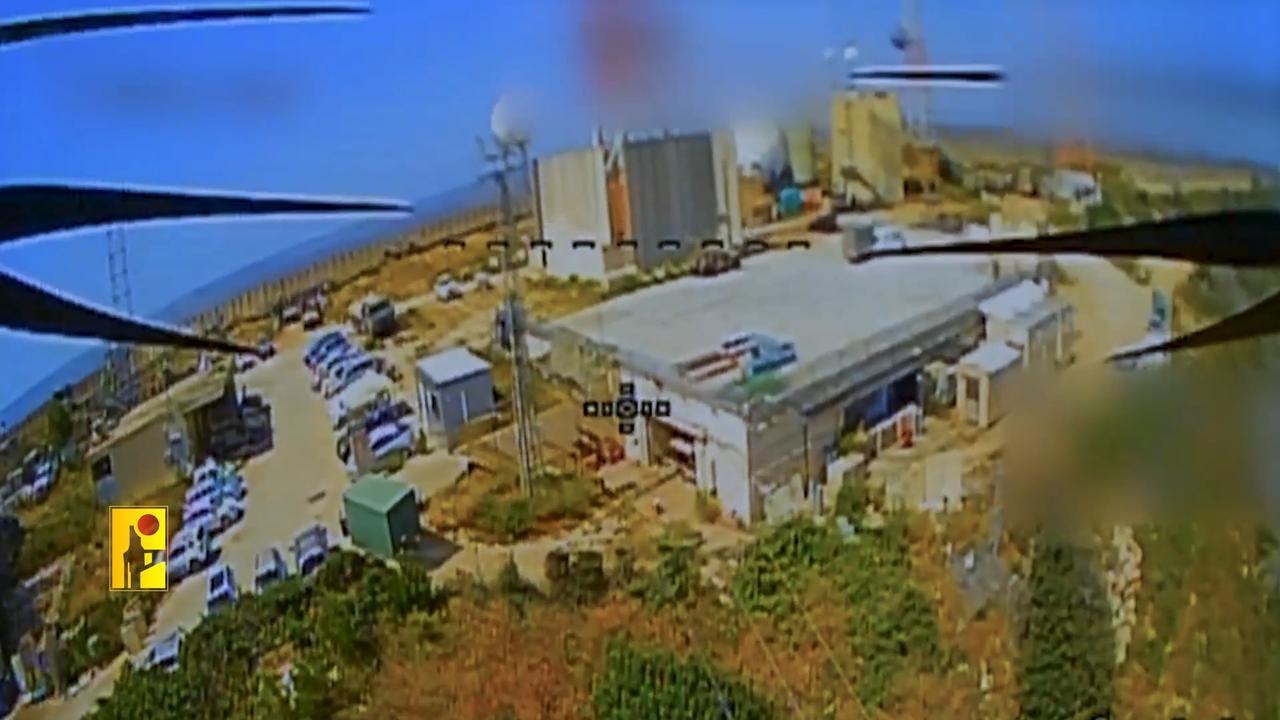
On Sunday, Hezbollah released footage showing FPV drone strikes targeting an Iron Dome launcher and its maintenance crew at the Jal al-Alam military site. The video also depicted strikes on Israeli soldiers at the same location. These drones were likely equipped with high-explosive anti-tank warheads, specifically the PG-7VL or PG-7-AT models.
The Israeli army sources cited by The Jerusalem Post (JP) did not dispute the video's authenticity.
The military also confirmed it was sending thousands of meters of fishing nets to the units in southern Lebanon to trap drones before they can detonate, alongside gunfire, detection systems, and warning technology.

Israeli media outlet Maariv claimed that Hamas deployed fiber-optic drones during the initial wave of the Oct. 7 attack to blind the Gaza Division's surveillance systems. These drones were reportedly acquired through Iranian and Hezbollah assistance, utilizing technical knowledge and training transferred from Lebanon.
The Israeli army's military intelligence directorate identified the drones as similar to those Hezbollah had been developing and deploying.
"The Israeli army knew about the developing threat, and was still surprised by the precise use of the drones," Maariv reported, adding that Israeli officials acknowledge that despite the time elapsed since Oct. 7, there is still no complete counter to fiber-optic drone interception, and that "a very great difficulty exists in closing the operational gap against the drone with its low signature."
Brigadier General (res.) Ran Kochav, former Israeli army air defense chief, warned in mid-March that the Israeli army was doing an inadequate job defending its own Iron Dome, David's Sling and Arrow batteries, warning that if air defense systems are struck, the broader defense can fall apart.
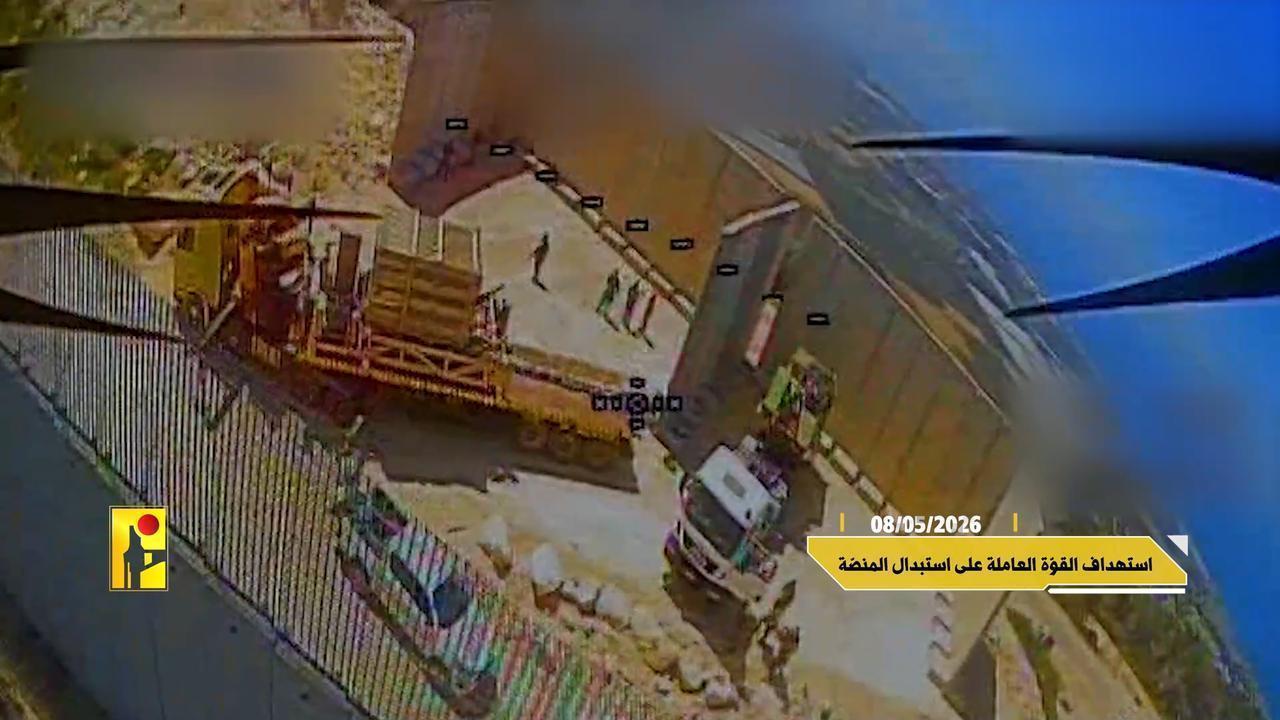
According to officers from the 36th Division who spoke to Israeli media, Hezbollah has decentralized its drone operations, transferring small drone operator cells to the field operating under a clear policy without directly updating headquarters, thereby preventing exposure.
The method combines a reconnaissance drone to locate the target, followed by a fiber-optic drone strike against specific Israeli army vulnerabilities in southern Lebanon, including vehicle drivers, static military sites, and stationary forces.
Israeli Army Chief of Staff Lt. Gen. Eyal Zamir has ordered the identification of the full value chain of suicide drone operations with emphasis on the skilled operators.
"There are successes in this area, but they are pinpointed," one officer said.
Senior officers are calling for faster integration of the new systems, including those not yet at full operational maturity, to close the time window to a full counter.
"There is no room in a period like this for old patterns of action that complicate relations with small companies or experts with breakthrough ideas," one officer said.
Northern Command officials state that the Israeli army is conducting a comprehensive campaign in Lebanon, integrating ground forces, artillery, fighter jets, and attack drones. In the 24 hours preceding the briefing, the IDF struck 70 Hezbollah targets, bringing the total to over 800 since the ceasefire announcement.
They described the current ceasefire framework as permitting operational activity up to the "yellow line" while restricting deep strikes inside Lebanon pending diplomatic talks.
"No one has immunity anywhere. If there is an opportunity to thwart and strike senior enemy figures, we will reach them, even in Dahieh," one Northern Command official cited by the Israeli media said.
The Israeli army has recently introduced "smart targeting systems" into southern Lebanon alongside hundreds of night-vision scopes for nighttime operations against moving drone threats.
Since March 2, Israel's operations in Lebanon have killed 2,846 people, injured 8,693 and displaced over one million. The U.S.-hosted peace talks between Israel and Lebanon are scheduled for May 14-15 in Washington.


 Set as preferred source
 Set as preferred source


 1 min read
 1 min read