Newsletters


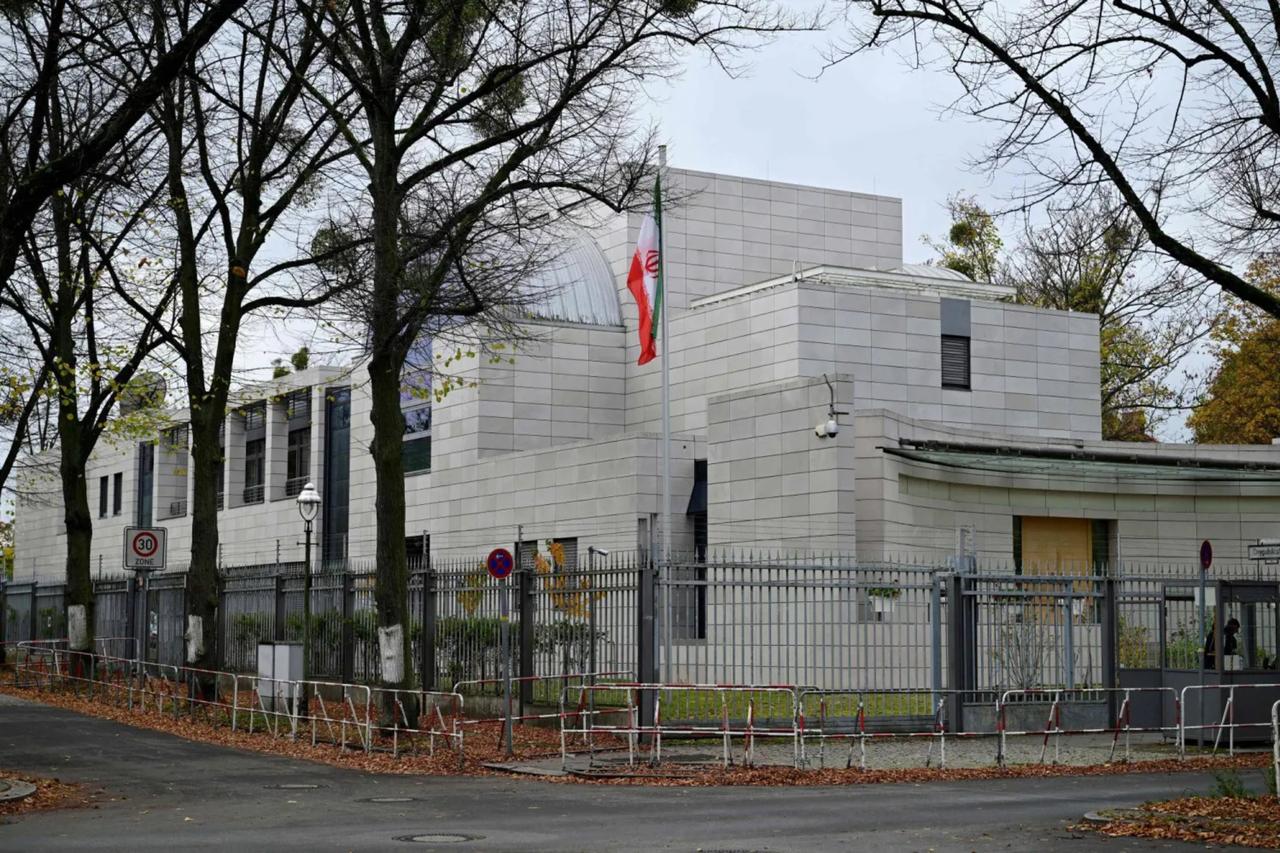


Germany summoned Iran’s ambassador on Monday, days after a court sent two men to prison for what Berlin described as a “malicious” plot to kill pro-Israeli public figures on Tehran’s behalf.
Hamburg’s Hanseatic Higher Regional Court sentenced one man, 54, to eight and a half years and another, 43, to four and a half years. Judges found it proven that the pair, who lived in Denmark, spied on Central Council of Jews President Josef Schuster and Volker Beck, president of the German-Israeli Society.
The court heard that the older man agreed to find a third man and supply him with a weapon for an attack on Beck.
Both were convicted in Germany after being arrested in Denmark last year and extradited.
Passing sentence, the judge said the pair stood guilty of “terrorist activities orchestrated by Iran.”
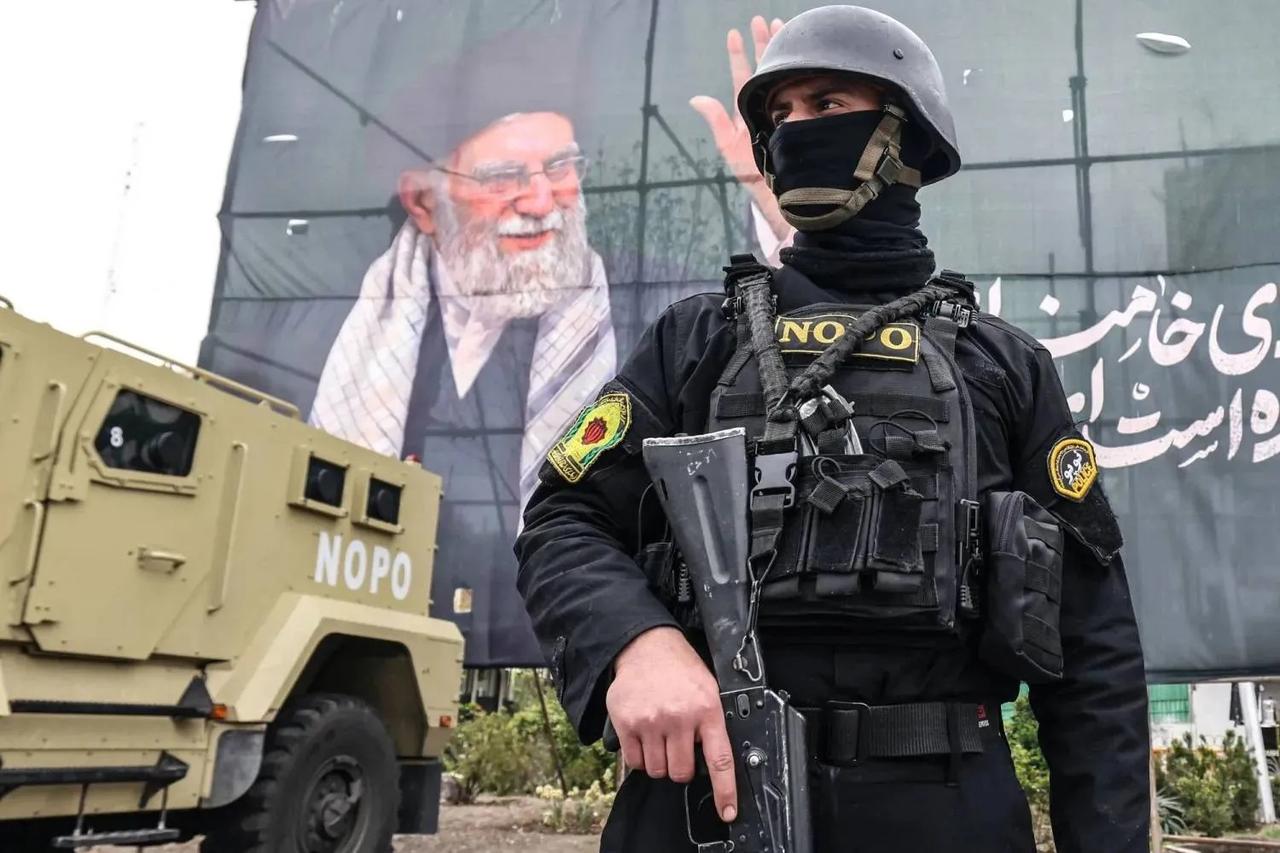

According to the Hamburg verdict, Iranian intelligence recruited one of the convicts for state-controlled terrorism in Germany, specifically the assassination attempt on Beck. The 54-year-old took orders straight from officers in the Al-Kuds Brigades, the Revolutionary Guard’s foreign unit. He also prepared an arson attack on a kosher food business in Berlin.
The foreign ministry posted on X that the envoy had been summoned, adding that Tehran must not be allowed to “threaten our free society.”
“We do not tolerate attacks on Jewish life and on those who defend it, nowhere, especially not in Germany,” the ministry wrote on X. It added that the federal government had successfully applied the classification that designates Iran’s Revolutionary Guard as a terrorist organization in the EU. “The malicious assassination attempts ... will have legal consequences,” it said.
Foreign Minister Johann Wadephul cautioned as early as Friday about hybrid attacks by Iran’s government in Europe and warned Tehran’s leadership of consequences.
Tehran rejected the accusations after the indictment. Isna, a pro-government news agency, reported that Iran’s embassy in Berlin recently denounced “unfounded and dangerous claims.”
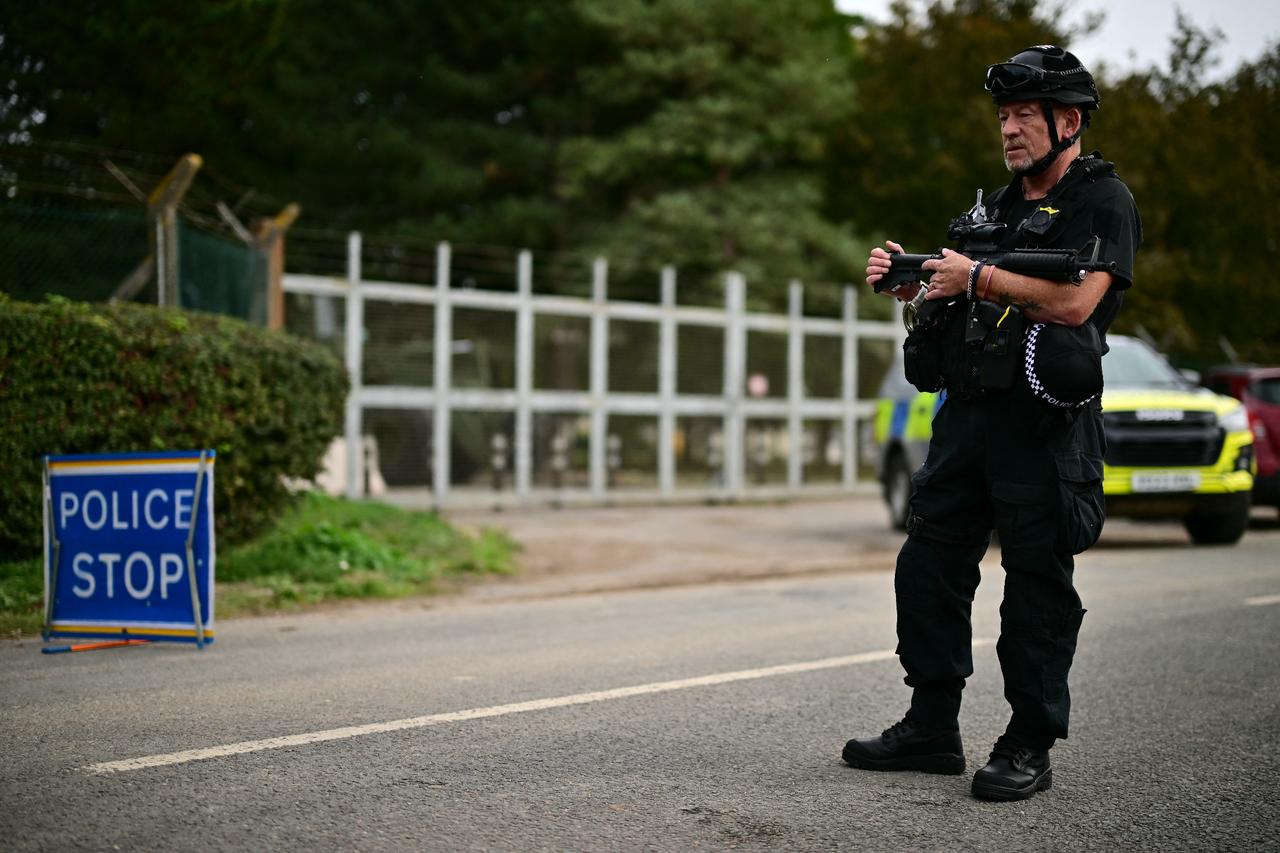
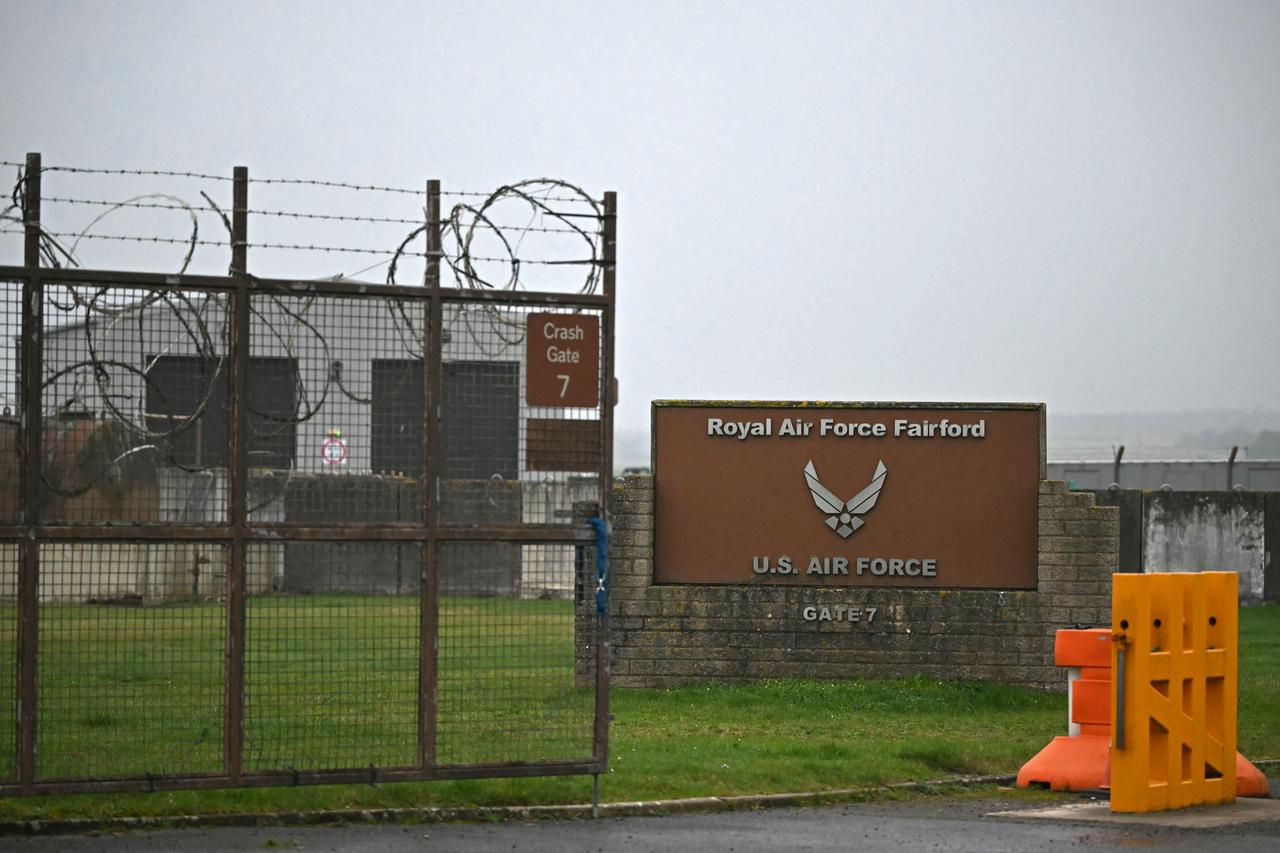
Last week, Britain said that Tehran’s Revolutionary Guard almost certainly directed a suspected plot targeting RAF Fairford, an air base U.S. bombers have used to strike Iran. Prime Minister Andy Burnham told Parliament that the plot was “highly likely” coordinated in Iran.
Two Iranians now face asset freezes, travel bans and director disqualifications. Foreign Secretary Ed Miliband named Ruhollah Bazghandi, described as the Guard’s head of counterespionage operations, and Shahram Ali Reza Tamarzadeh Jakki, an alleged facilitator for the Zindashti criminal network. Britain also summoned the Iranian ambassador.
Foreign ministers of 29 countries, including the United States, France, Germany, Canada and Australia, issued a joint statement that backed Britain’s attribution. The ministers condemned “in the strongest terms Iran’s use of violent attacks.”
Seyed Ali Mousavi, Iran’s ambassador to Britain, rejected the accusations. He said Tehran had no involvement and urged London to present any evidence it holds.
Police arrested five London men near the base on Sept. 27 on suspicion of terrorism and explosives offenses, then released them on bail. Two other men, including a British-Iranian national, were also released. Officers found petrol but no viable explosive device in the seized vans, and no one has been charged.


 Set as preferred source
 Set as preferred source


 1 min read
 1 min read