

 Newsletters


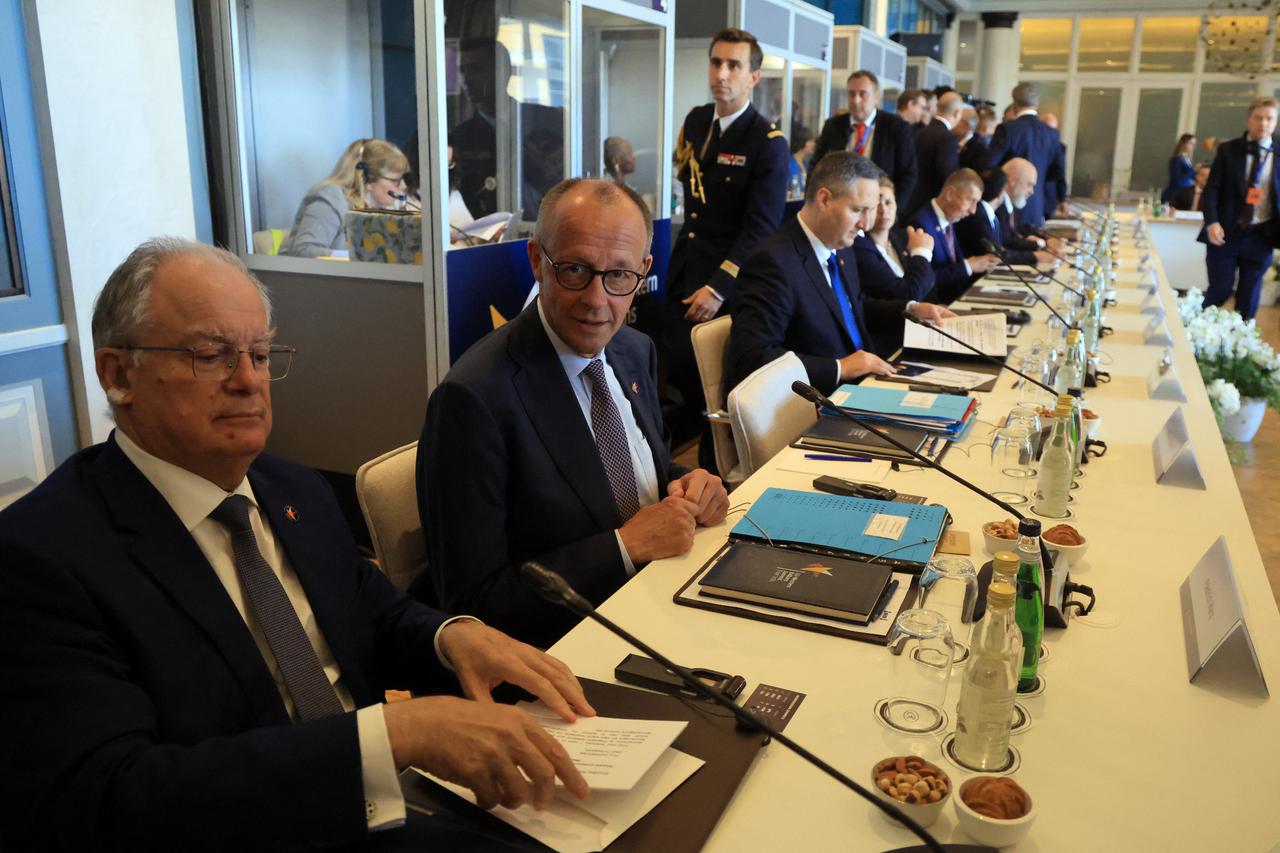


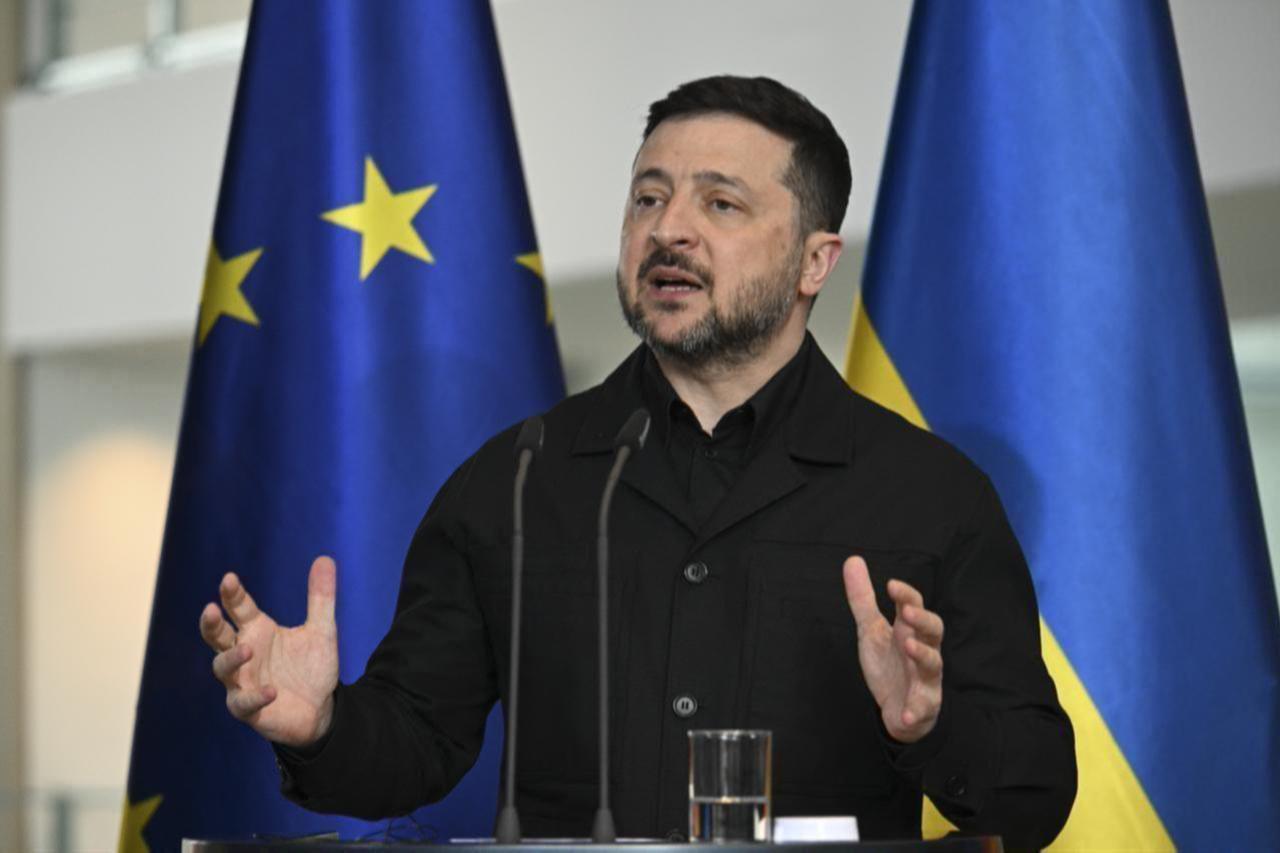
German Chancellor Friedrich Merz welcomed Ukrainian President Volodymyr Zelenskyy's renewed call for direct talks with Russian President Vladimir Putin on Friday, arguing that European countries should be represented in any future peace negotiations.
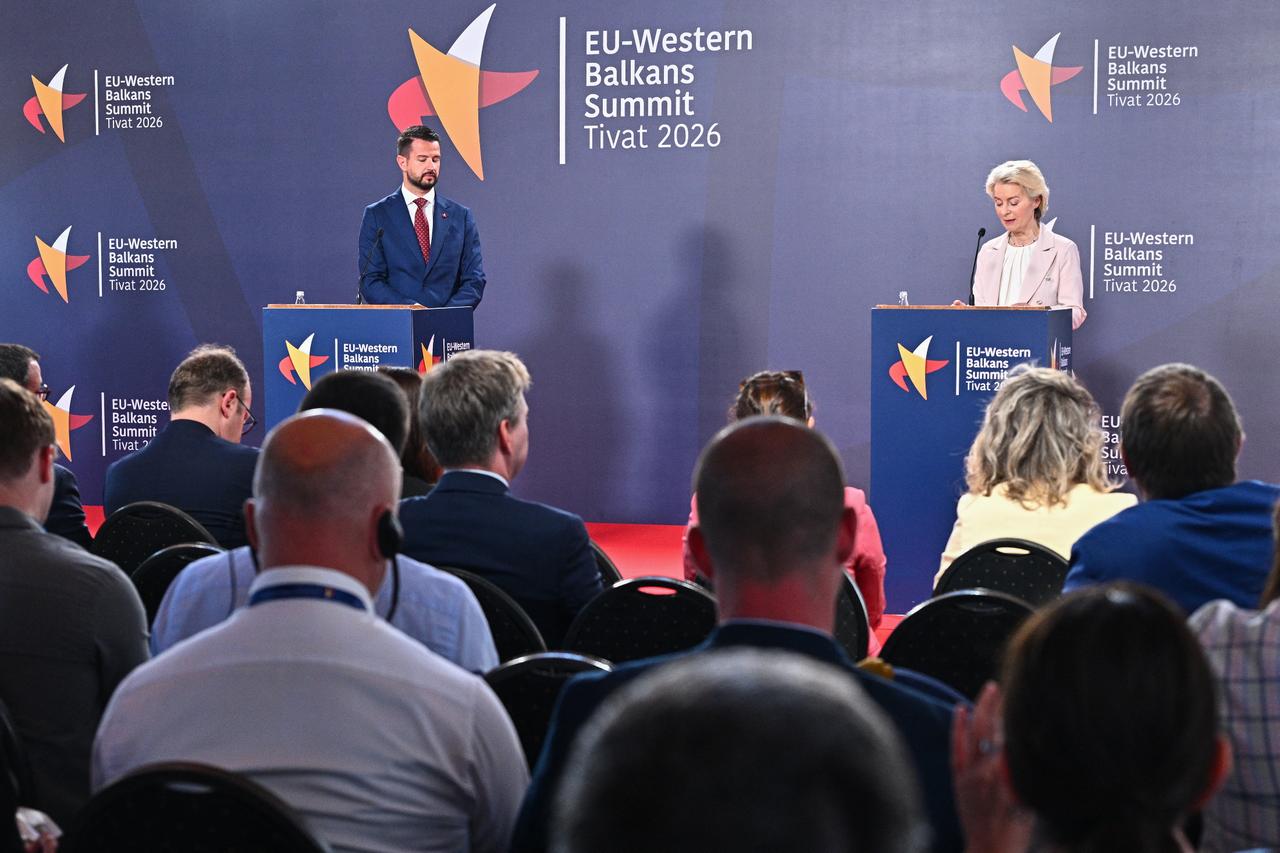
Speaking after the EU-Western Balkans Summit in Montenegro's coastal town of Tivat, Merz said Zelenskyy had repeatedly demonstrated his willingness to engage in direct dialogue with Moscow.
“I welcome President Zelenskyy once again offering talks,” Merz said.
The German leader announced that he would meet Zelenskyy in London on Sunday alongside French President Emmanuel Macron and British Prime Minister Keir Starmer to discuss possible next steps regarding the war in Ukraine.
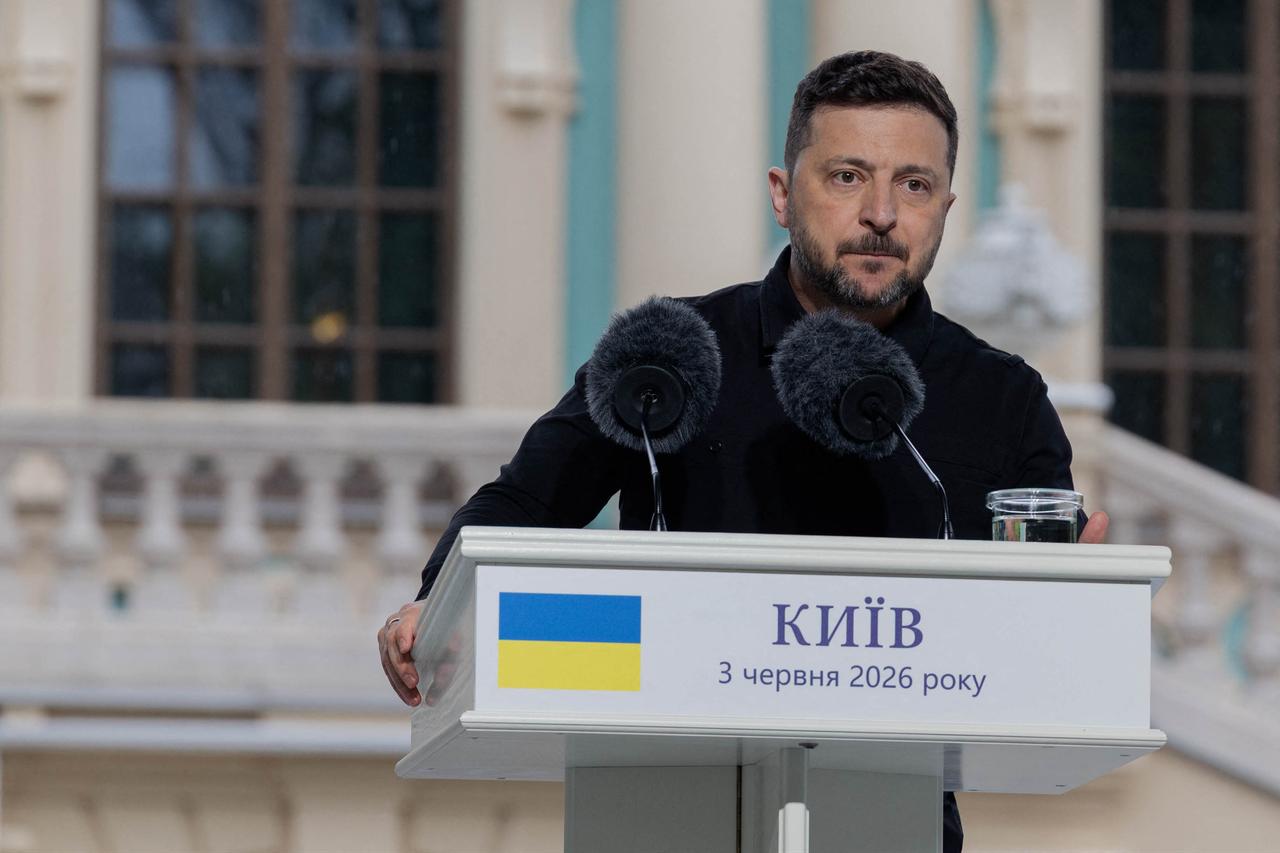

Merz said any future negotiation format should include European participation, given the continent's direct security interests.
“I think it is entirely natural for Europeans to be present in such a negotiation format. Securing peace in this part of Europe is directly in Europe's interest,” he said.
The chancellor maintained that European countries remain open to diplomatic efforts and suggested that the main obstacle to negotiations remains Moscow's position.
“The willingness to engage in talks is not lacking on the European side. What is lacking is the Russian president’s willingness to begin negotiations,” Merz said.
Referring to a recent letter from Zelenskyy, he said the Ukrainian leader had once again reaffirmed his readiness for negotiations, demonstrating Kyiv's continued openness to diplomacy.
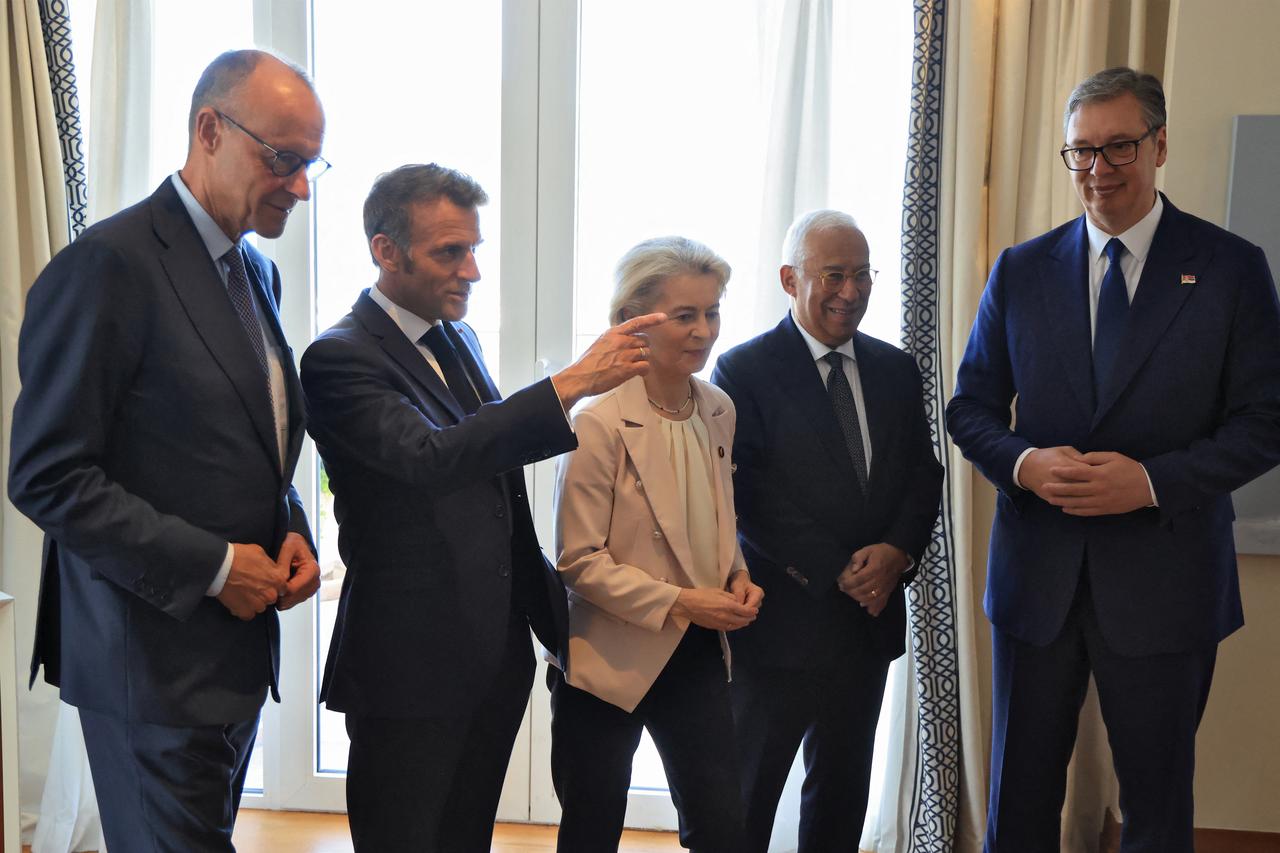
Asked about Serbia's European Union membership prospects, Merz said the path to membership remains open but argued that Belgrade must make a clear strategic choice about its future direction.
“There can't be a policy of swinging between Russia, China and Europe,” Merz said.
“The way is open for Serbia to the European Union, but Serbia must decide where it stands.”
He added that Europe would respond positively if Serbia firmly committed to the bloc.
“When the answer from Serbia is 'Europe,' then the answer from Europe will be 'Serbia',” he said.
Serbia, the largest country in the Western Balkans with a population of around 6.6 million, remains an EU candidate country but has faced criticism from Brussels over its close ties with Russia and China.
Belgrade has maintained strong relations with Moscow and Beijing while simultaneously pursuing EU membership.
President Aleksandar Vucic, who also attended Friday's summit, said he held constructive meetings with Merz, Macron, European Commission President Ursula von der Leyen and European Council President Antonio Costa.
 1 min read
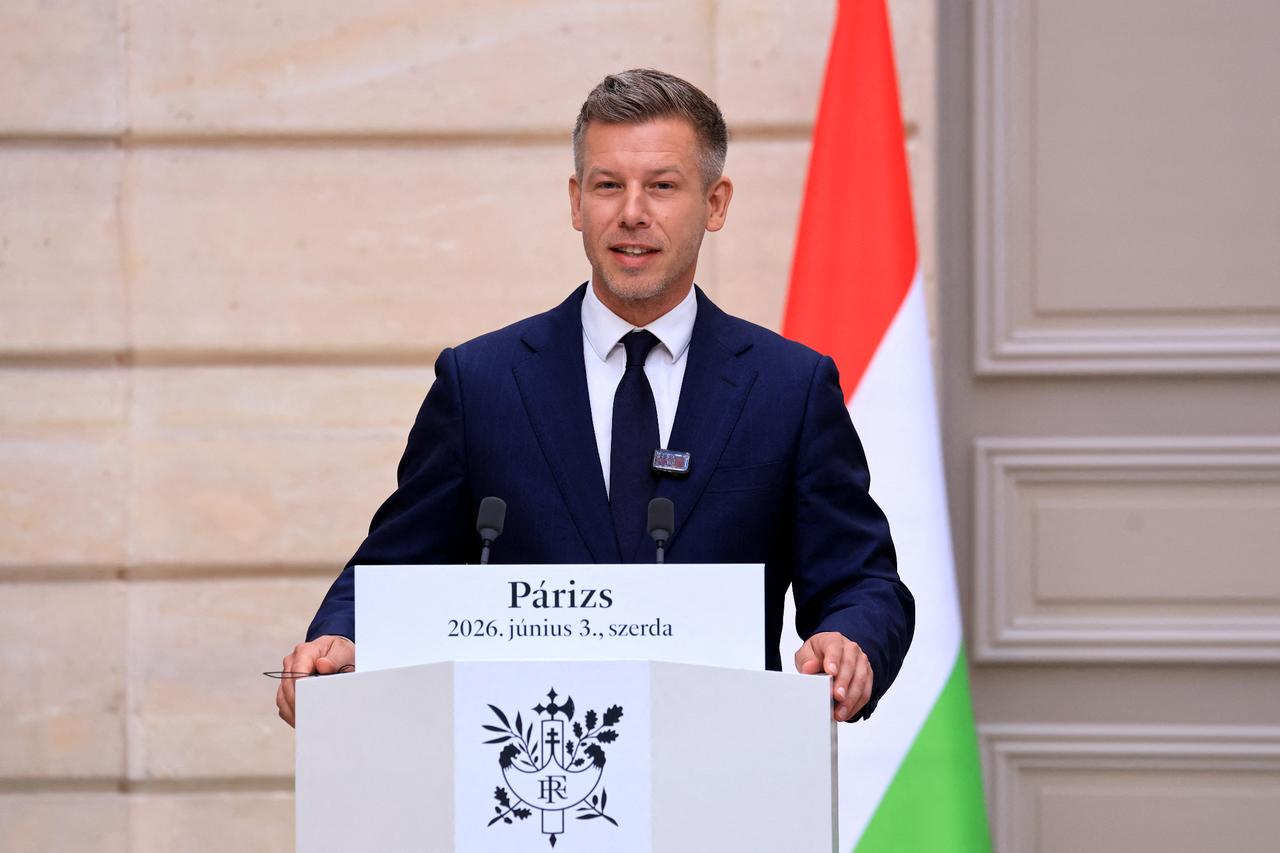
“Of course, we have to carry out numerous reforms,” Vucic told Serbian media.
“But there were no sermons or lectures from anyone. They treated us with respect.”
“We are on the path towards the EU. It is our strategic objective,” he added.


 Set as preferred source
 Set as preferred source


 1 min read



