Newsletters


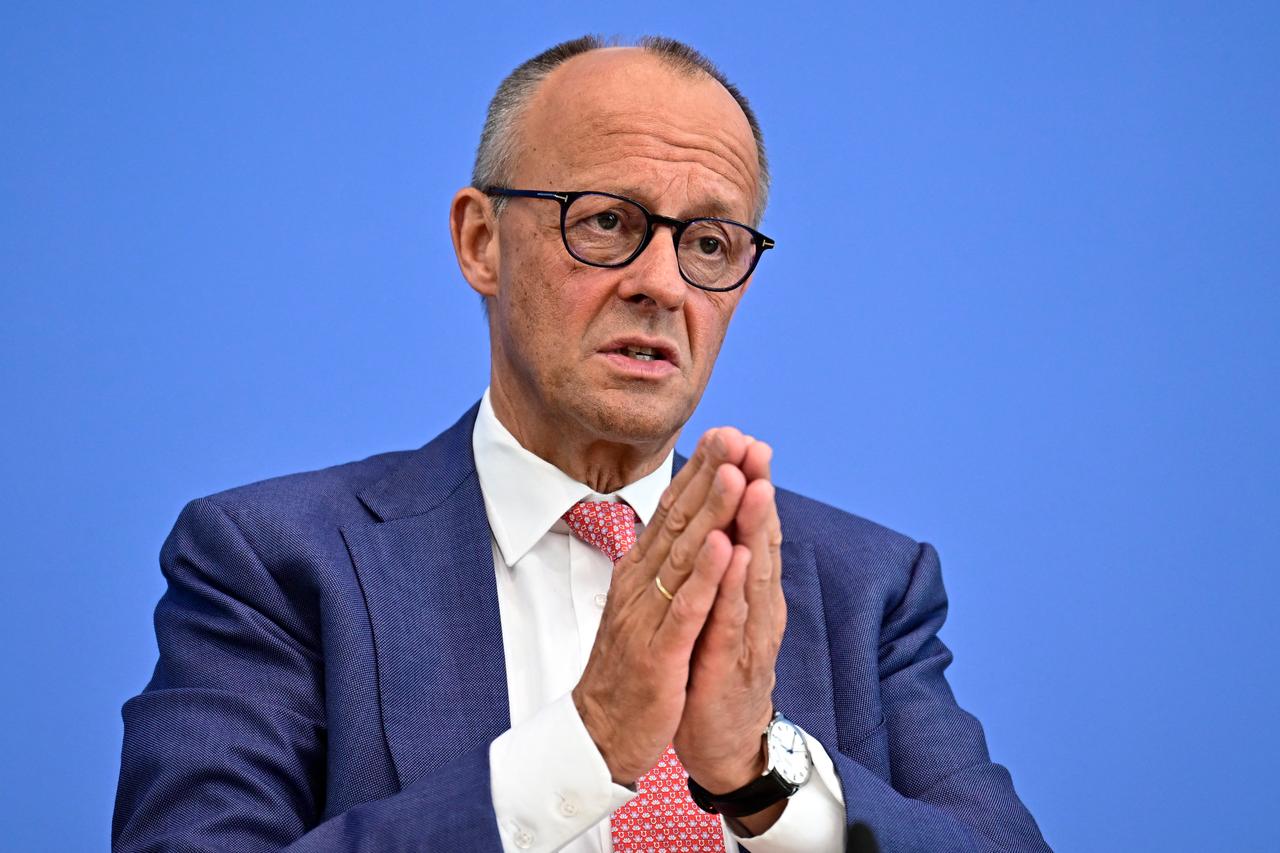


German Chancellor Friedrich Merz ruled out any cooperation with the far-right Alternative for Germany (AfD) party Wednesday and pledged to prevent it from entering government in any federal state ahead of regional elections in September.
“If a right-wing radical party were to enter government in Germany, it would carry a completely different significance,” Merz told a news conference in Berlin. “In Germany, I will do everything in my power to prevent it.”
The AfD is polling strongly in three states due to hold elections in September. It leads with 41% in Saxony-Anhalt and 36% in Mecklenburg-Western Pomerania, raising the possibility that it could emerge as the largest party.
Merz dismissed suggestions that the AfD could moderate its positions or lose public support if it joined a coalition government, as has recently happened in the Netherlands.
He said Germany’s history made comparisons with other countries inappropriate.
“I draw no lessons from it for Germany, because the situation in Germany is different,” Merz said. “That is also linked to our own history. And that is why, for me, it serves neither as a benchmark, an example, nor a case study.”
The conservative chancellor said he remained confident that his Christian Democratic Union would perform strongly enough to form coalition governments with other democratic parties.
“The election campaigns are just getting underway,” he said.
“I remain confident that we will succeed in preventing the AfD from securing a parliamentary majority in any of the three states, particularly in Saxony-Anhalt and Mecklenburg-Western Pomerania,” Merz added. “I will maintain this optimism right up until 6 p.m. on election night.”
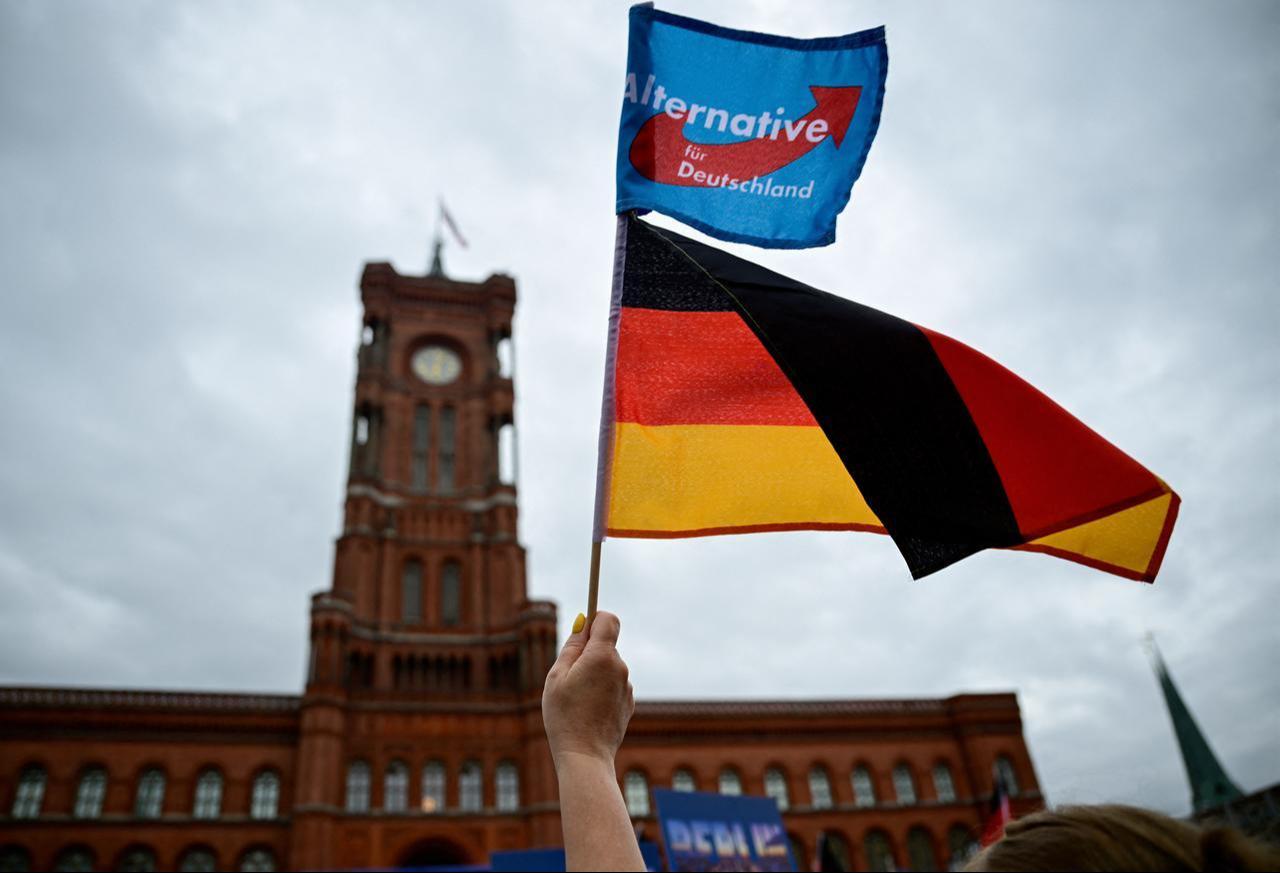

Merz called on voters frustrated with the current government not to base their decisions solely on the AfD’s social media messaging.
He urged them to examine the governing coalition’s reform efforts, which he said were beginning to produce results in economic recovery and social welfare.
“Take a close look. Don’t rely solely on social media activity for information; instead, look at what the government is trying to initiate,” Merz said.
“We are striving, to the best of our knowledge and conscience, to stabilize our country and move it forward,” he added. “We do not want socio-political conflicts; rather, we seek the highest possible level of societal consensus.”
The regional elections will take place in three federal states where the AfD has built significant support.
The party’s polling lead in Saxony-Anhalt and Mecklenburg-Western Pomerania has increased concerns that it could finish first and complicate efforts by other parties to form governing coalitions.
Merz said his party would seek to prevent an AfD majority by working with other democratic political forces after the elections.

Merz was also asked about reports that the administration of U.S. President Donald Trump had established a funding program to support anti-immigration political groups in Europe.
Asked whether the program could be used to support AfD-linked organizations in Germany before the regional elections, Merz said such action would violate German law.
“We do not interfere in U.S. elections; we have consistently adhered to that stance,” Merz said.
He said Germany expected the Trump administration and institutions close to it to refrain from interfering in German elections.
“I should add that it is illegal to fund political parties in Germany from abroad. It is illegal,” he said.
“And I assume that our friends around the world, in particular, will abide by the legal rules we have established in Germany.”


 Set as preferred source
 Set as preferred source


 1 min read
 1 min read