Newsletters


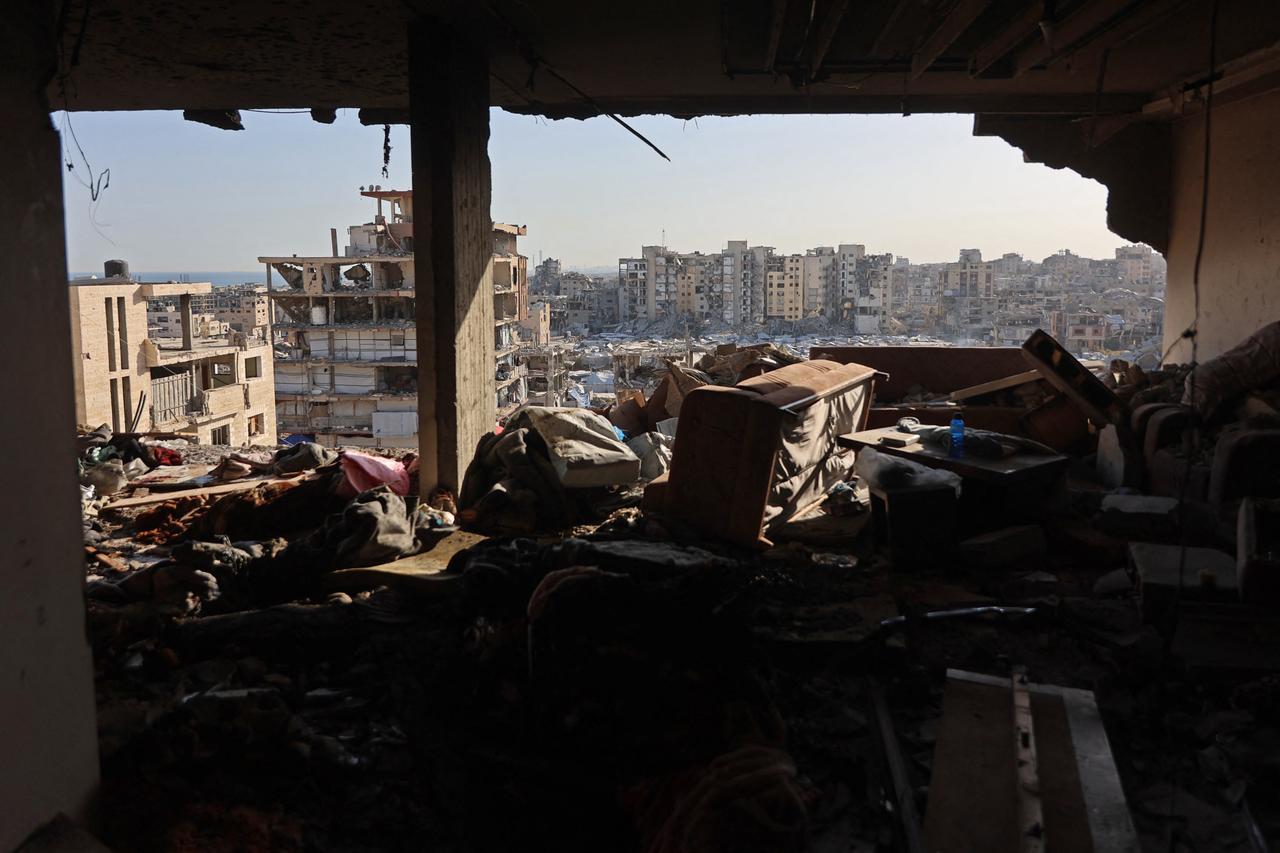


A group of countries and the European Union called on Israel Tuesday to meet its obligations under international law by allowing humanitarian aid to reach civilians in Gaza safely, rapidly and without obstruction.
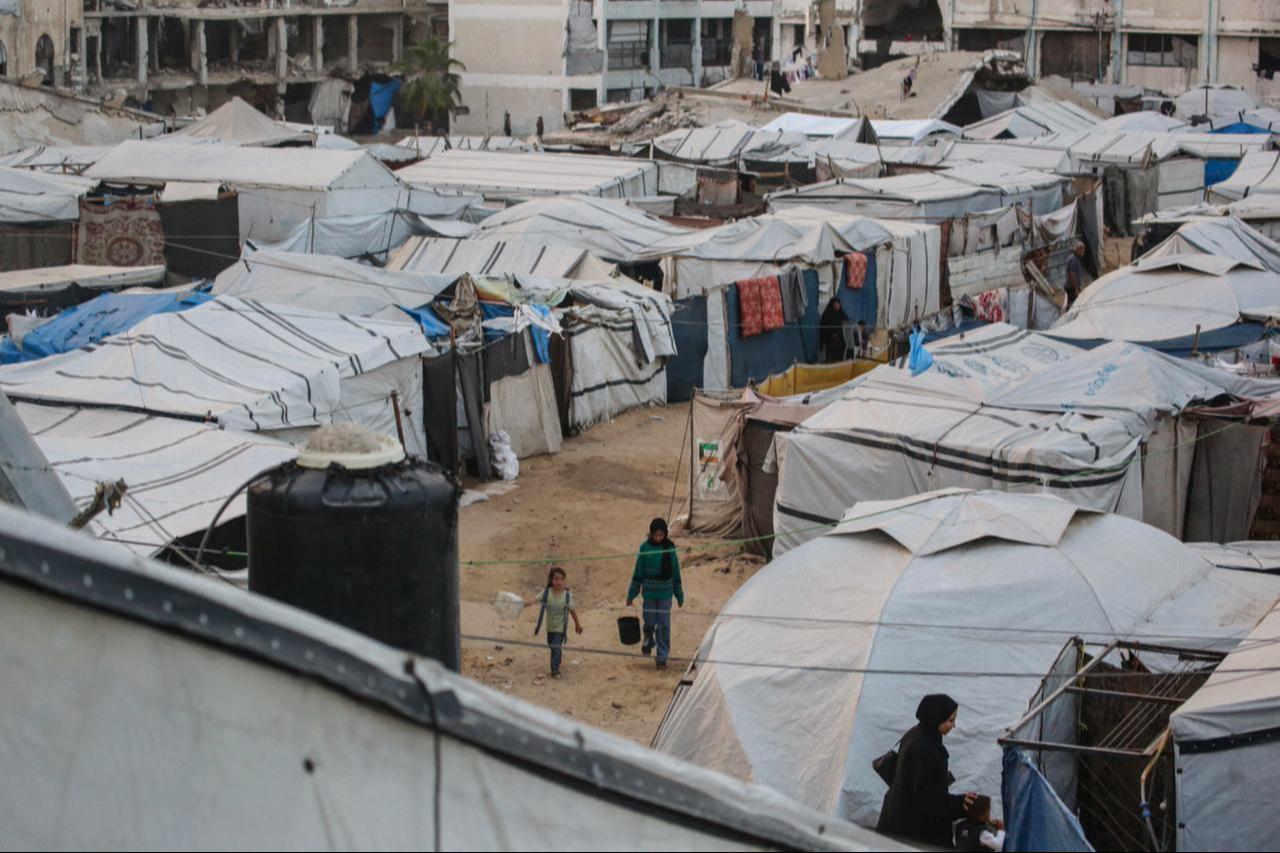
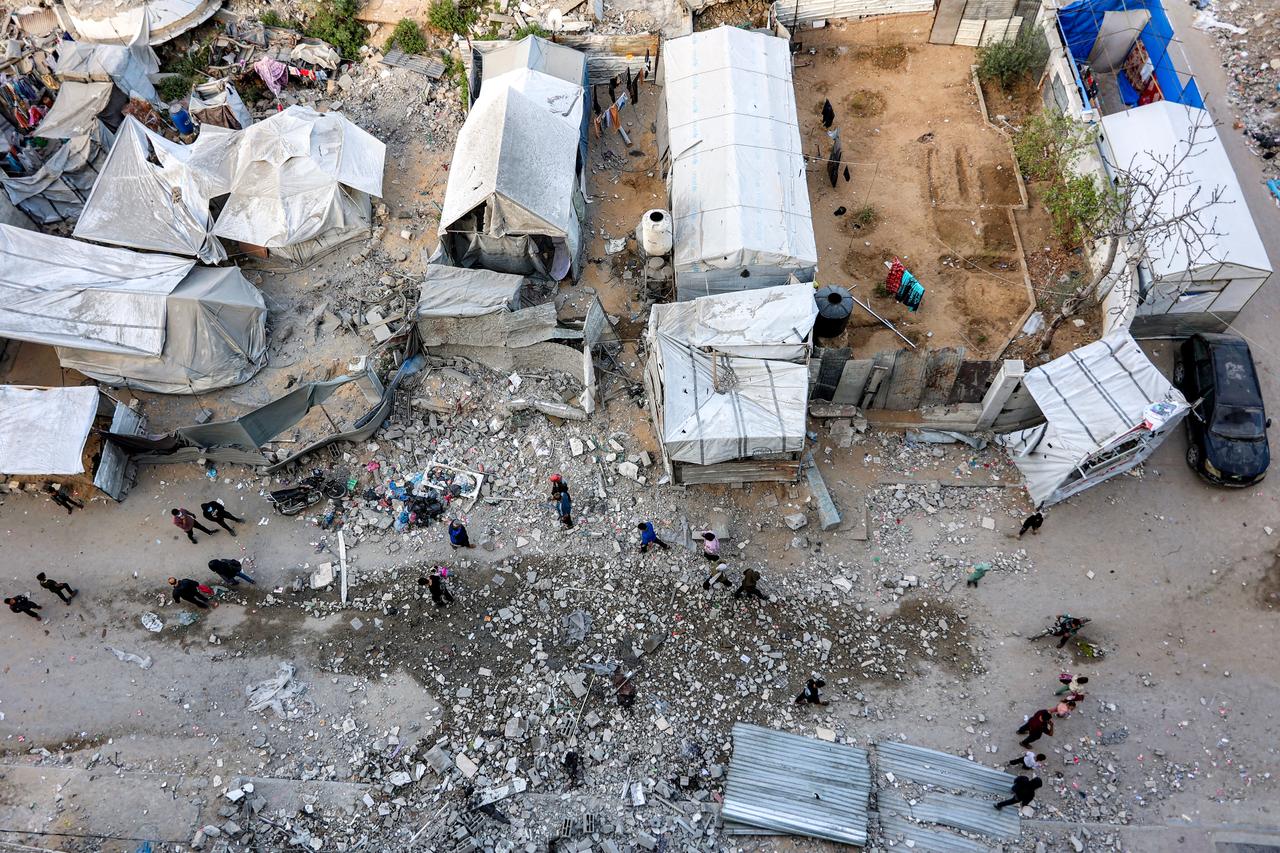
The joint statement expressed concern over what it described as the continuing “catastrophic” humanitarian situation in Gaza, where nearly the entire population depends on essential assistance.
The signatories said the aid reaching the territory remained severely inadequate in both quantity and quality.
“Israel is obliged to ensure and facilitate without delay the safe, rapid and unhindered delivery of humanitarian assistance to the civilian population, including aid provided by humanitarian organizations,” the statement said.
“It must refrain from any action that would obstruct the delivery of such assistance in any way.”
The statement was issued by Australia, Austria, Belgium, Denmark, Estonia, Finland, France, Iceland, Ireland, Italy, Japan, Luxembourg, the Netherlands, Norway, Poland, Portugal, Slovakia, Spain, Sweden, Switzerland and the United Kingdom, along with EU Commissioner for Equality, Preparedness and Crisis Management Hadja Lahbib.

The countries said humanitarian access to Gaza was not a matter for negotiation and urged Israel to meet its responsibilities under international law.
They said international aid organizations, including the Red Cross, Red Crescent and the U.N. agency for Palestinian refugees, or UNRWA, must be allowed to carry out their work without obstruction.
The statement also expressed concern over an Israeli Supreme Court decision rejecting an appeal by international aid groups whose operating licenses had been revoked.
International organizations have become an essential part of services including water, sanitation, health care, education, nutrition and mine clearance, the statement said.
The groups work with Palestinian civil society organizations and the U.N., and their operations are vital to the survival and well-being of Palestinians in Gaza and the occupied West Bank, including East Jerusalem, it added.
The signatories called on Israel to ensure that humanitarian organizations could continue to provide assistance without interference.
Israel previously announced that organizations that failed to renew their registration under a new law governing international nongovernmental organizations would have to stop operating as of Jan. 1, 2026, and leave the country by March 1.
The Association of International Development Agencies (AIDA), an umbrella group representing 19 international humanitarian organizations working in Gaza and the occupied West Bank, appealed the decision to Israel’s Supreme Court in February.
Under regulations adopted by Israel in March 2025, aid organizations operating in the territories are required to renew their licenses and submit identifying information on all Palestinian employees for security checks.
International aid groups have raised concerns that the lists could be used arbitrarily and in ways that conflict with personal data protection principles.
Organizations that lose their licenses would be required to close their offices in Israel and occupied East Jerusalem.
They would also be unable to send international specialists, doctors or humanitarian assistance into Gaza.
The new rules are expected to halt the work of organizations including Doctors Without Borders (MSF), Oxfam, the Norwegian Refugee Council, Caritas, CARE and the International Rescue Committee.


 Set as preferred source
 Set as preferred source


 1 min read
 1 min read