Newsletters


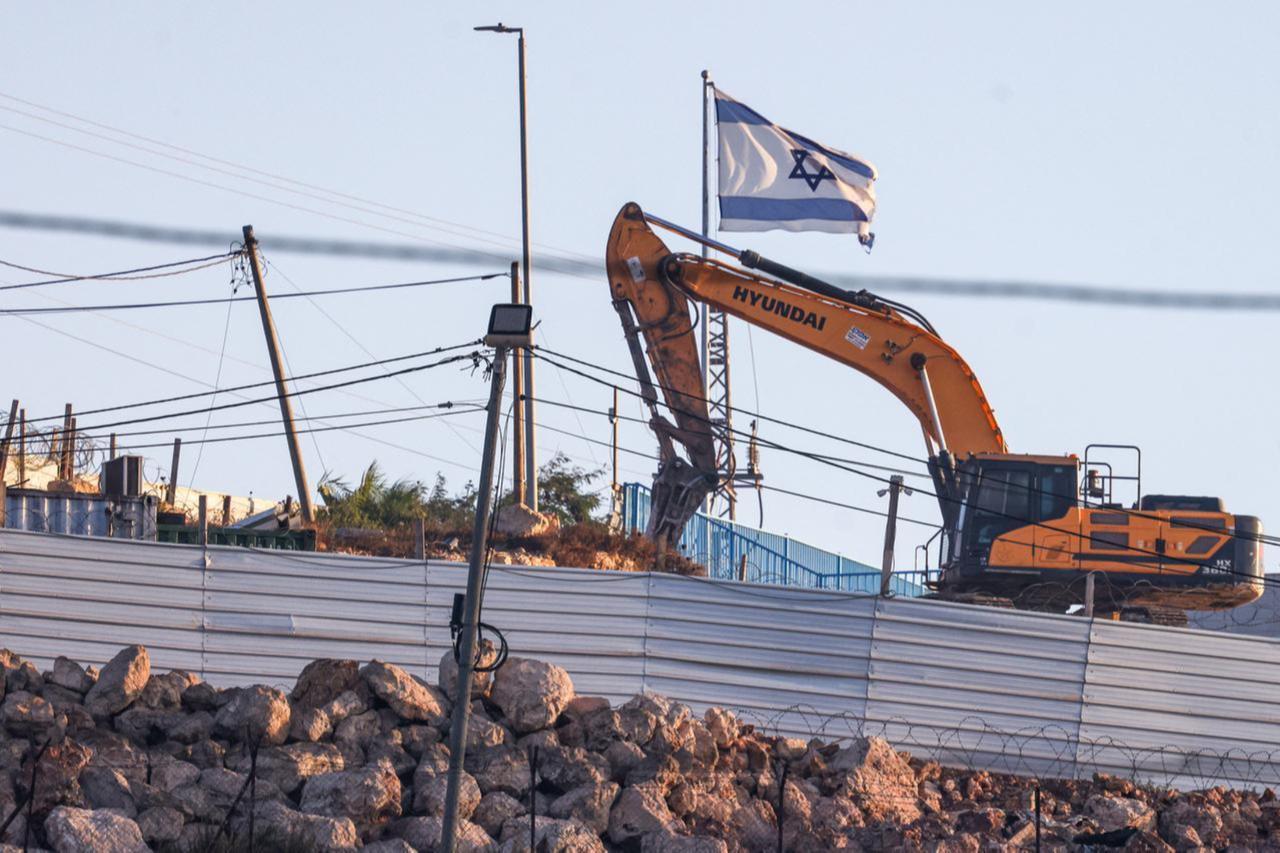
The United Kingdom's new sanctions on illegal Israeli settlements will extend to the occupied Golan Heights in Syria as well as East Jerusalem, in addition to the West Bank, government sources told Middle East Eye (MEE).
British officials had not clarified Tuesday whether settlements in the Golan Heights would be covered when Foreign Secretary Ed Miliband announced sweeping measures declaring Israel's occupation of Palestinian territory unlawful, prompting campaigners to call for the ban's scope to be extended.
Government sources confirmed Thursday night to Middle East Eye that the Golan Heights and East Jerusalem would indeed be included alongside the West Bank.
The Golan Heights, a strategic plateau straddling Israel and Syria overlooking southern Lebanon, was occupied by Israel in 1967 and annexed in a move never recognized by the international community.
U.N. Resolution 242 calls for Israel to withdraw from the Golan Heights and other occupied territories, including Gaza and the West Bank. Around 20,000 Israeli settlers currently live in the Golan, alongside roughly 26,000 native inhabitants, predominantly Druze who identify as Syrian.


Miliband told the House of Commons Tuesday that Britain would introduce an import ban on goods from illegal settlements in the occupied territories, describing the move as the "beginning of a new approach" toward Israel.
"I do not believe the British people want us supporting the occupation by accepting products from settlements in our shops and supermarkets, so I can announce today that we will introduce an import ban on goods from illegal settlements in the occupied territories," Miliband said, adding that the new "comprehensive sanctions regime" would include "appropriate religious exemptions."
"We will take action against specific companies and individuals who provide services such as construction, infrastructure financing or real estate for settlement expansion," he said, noting, "So to those who finance or facilitate illegal settlements, let me say this: you will face the full force of U.K. sanctions. Settlements are illegal. They should not be promoted in our country."
Miliband said the legislation would take effect within six to nine months, alongside more immediate steps, and confirmed that Britain's existing suspension of 30 arms export licenses to Israel would remain "fully in place," with the U.K. now refusing all license applications for arms and other exports that "materially contribute to the occupation" for as long as it persists.
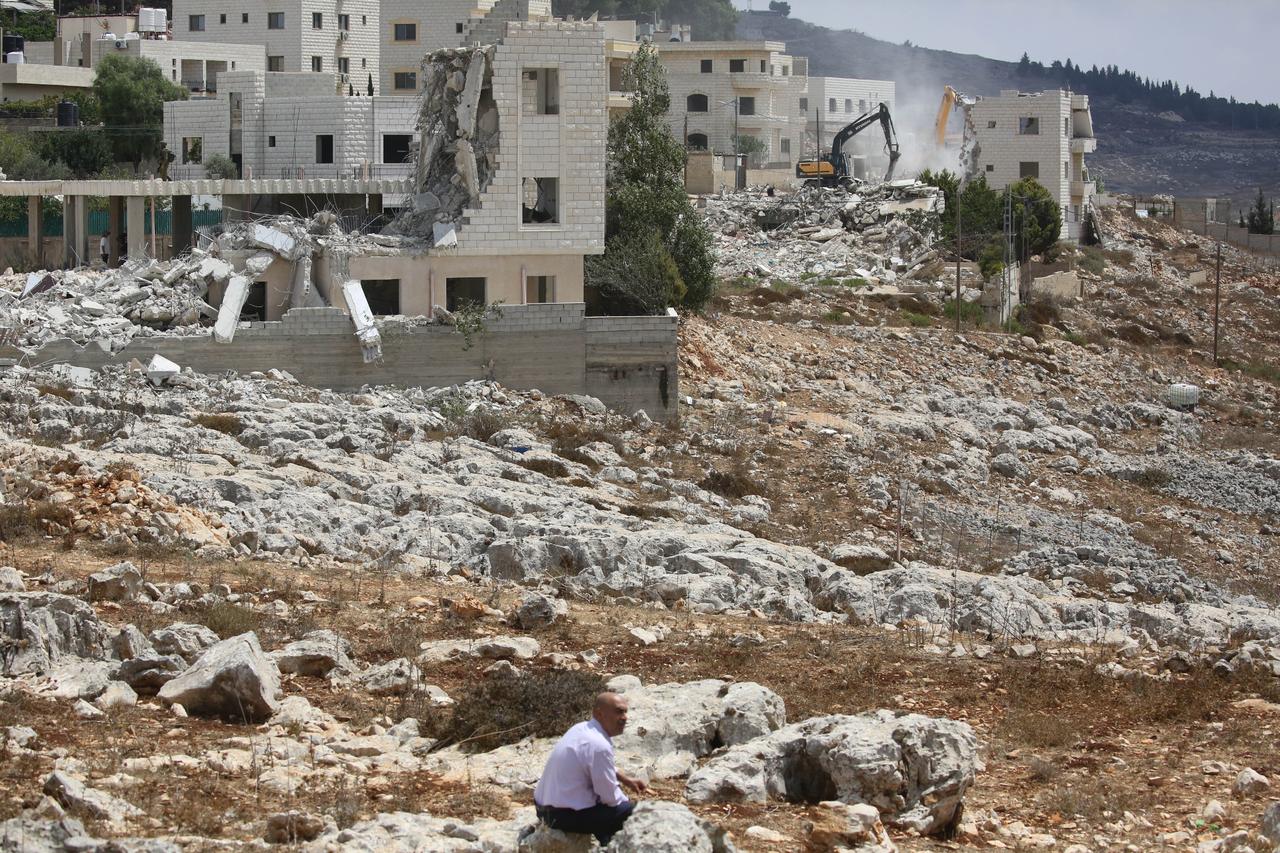
The British government said its legal position was based on "the nature and totality of the Government of Israel's actions in Palestine over many decades," including the length of the occupation and its "entrenchment of control and expansionist agenda via illegal settlements," noting that the current Israeli government has approved 104 new settlements and permitted tenders for the E1 mega-settlement project, which as planned would cut through the heart of the West Bank.

Eleven other countries, Canada, Denmark, Finland, France, Iceland, Ireland, Norway, Poland, Portugal, Spain and Sweden, signed a joint statement with Britain confirming their intention to introduce national measures or support European restrictions on trade in settlement goods.
Israeli Foreign Minister Gideon Saar announced that Israel would close the British consulate in East Jerusalem and ban 11 British members of Parliament, among other retaliatory measures.
International law scholars said Britain's formal conclusion that the occupation is unlawful marks a significant shift but falls short of what that recognition demands.
Luigi Daniele, an associate professor of international law at the University of Molise, called the shift "honestly huge, although insufficient," noting that Miliband stopped short of characterizing Israel's actions in Gaza as genocide.
"Miliband seems to cultivate ... the illusion that there is a good and lawful Israel within the green line, with which it's ok to continue trade, military assistance, surveillance assistance ... and then there is somehow it's a bad and unlawful Israel in the occupied Palestinian territory," Daniele said, adding, "But we know that this construct is false."
Gerhard Kemp, a professor of criminal law at the University of the West of England, Bristol, said it was significant that the U.K.'s position now aligns with the International Court of Justice's (ICJ) July 2024 advisory opinion, which found Israel's occupation unlawful and ordered it to end "as rapidly as possible."
But Kemp said the ICJ's opinion went further than Britain's statement, also addressing Israeli policies including segregation and apartheid.
"The sanctions themselves are very targeted and limited to goods and some services from the settlements and the sanctions are not broadly aimed at Israel," Kemp said.
"So, one can say this is an important first step, but more would be required to address the central issue—namely the unlawful occupation itself," he added.
According to Palestinian figures, around 750,000 Israeli settlers live across settlements and outposts in the occupied West Bank, including East Jerusalem.
Reports place the total number of settlements and outposts at either 156 settlements and 360 outposts or 516 combined, depending on the source.
U.N. data cited alongside the U.K. announcement found that settler violence reached "unprecedented levels" in 2026, with more than 1,400 attacks resulting in casualties or property damage documented so far this year.


 Set as preferred source
 Set as preferred source


 1 min read
 1 min read