Newsletters


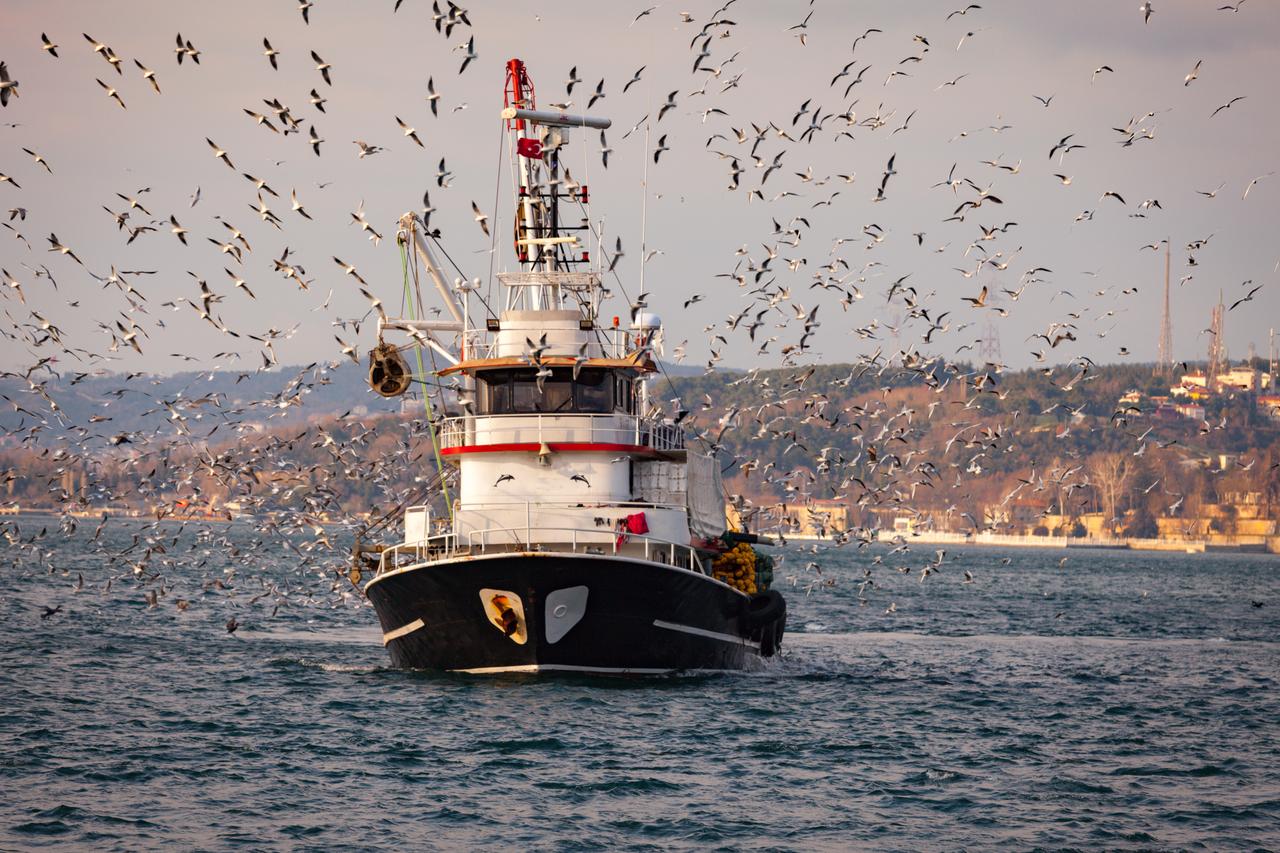


Greece has called on the European Union to intervene over what it described as “illegal activities” by Turkish fishing boats and alleged violations of maritime law in the Eastern Mediterranean.
According to a report by Politico, Greek Maritime Minister Vasilis Kikilias raised the issue during a meeting Friday in Athens with EU Commissioner for Fisheries and Oceans Costas Kadis.
“We request the intervention of the EU,” Kikilias said.
“Our maritime borders are also European borders, and maritime law applies to everyone,” he added.
Hosting Kadis in Athens, Kikilias accused Turkish fishing vessels of conducting illegal fishing activities and violating Greece’s maritime rights.
The Greek minister said he conveyed “a major problem concerning our fishermen and fisheries” to the EU commissioner, describing it as “the illegal fishing activities of our Turkish neighbors, their lack of respect for maritime law, and their provocative behavior in questioning our sovereign rights.”
He reiterated that Greece’s maritime borders are also Europe’s borders and called on Brussels to intervene.
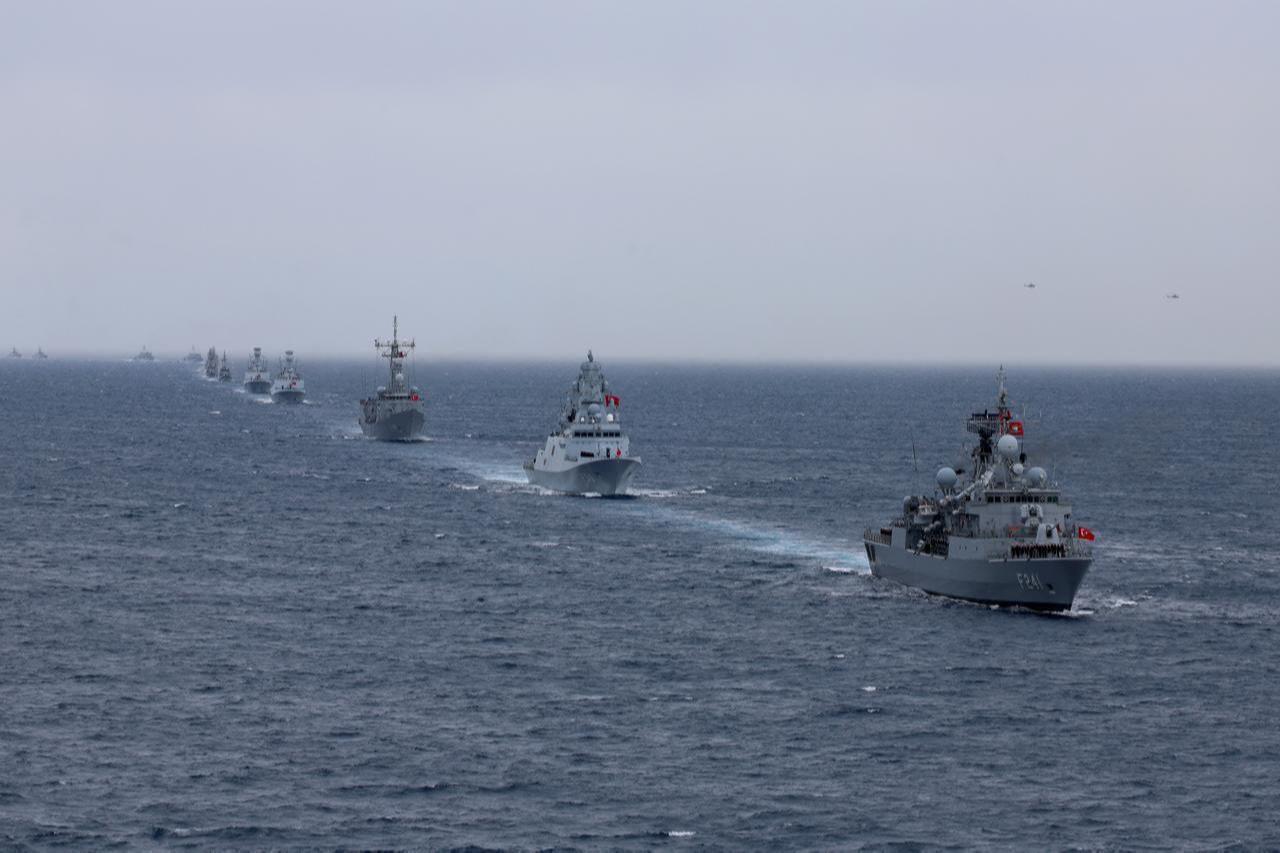

Athens’ latest move comes as Ankara prepares a comprehensive draft law aimed at codifying Türkiye’s maritime jurisdiction claims into domestic legislation.
According to a Bloomberg report published last week, the proposed legislation would mark the first formal legal step by Türkiye to solidify its maritime claims in disputed areas of the Aegean and Eastern Mediterranean and officially define jurisdiction over potential natural gas resources.
It remains unclear when the bill will be introduced in Parliament.
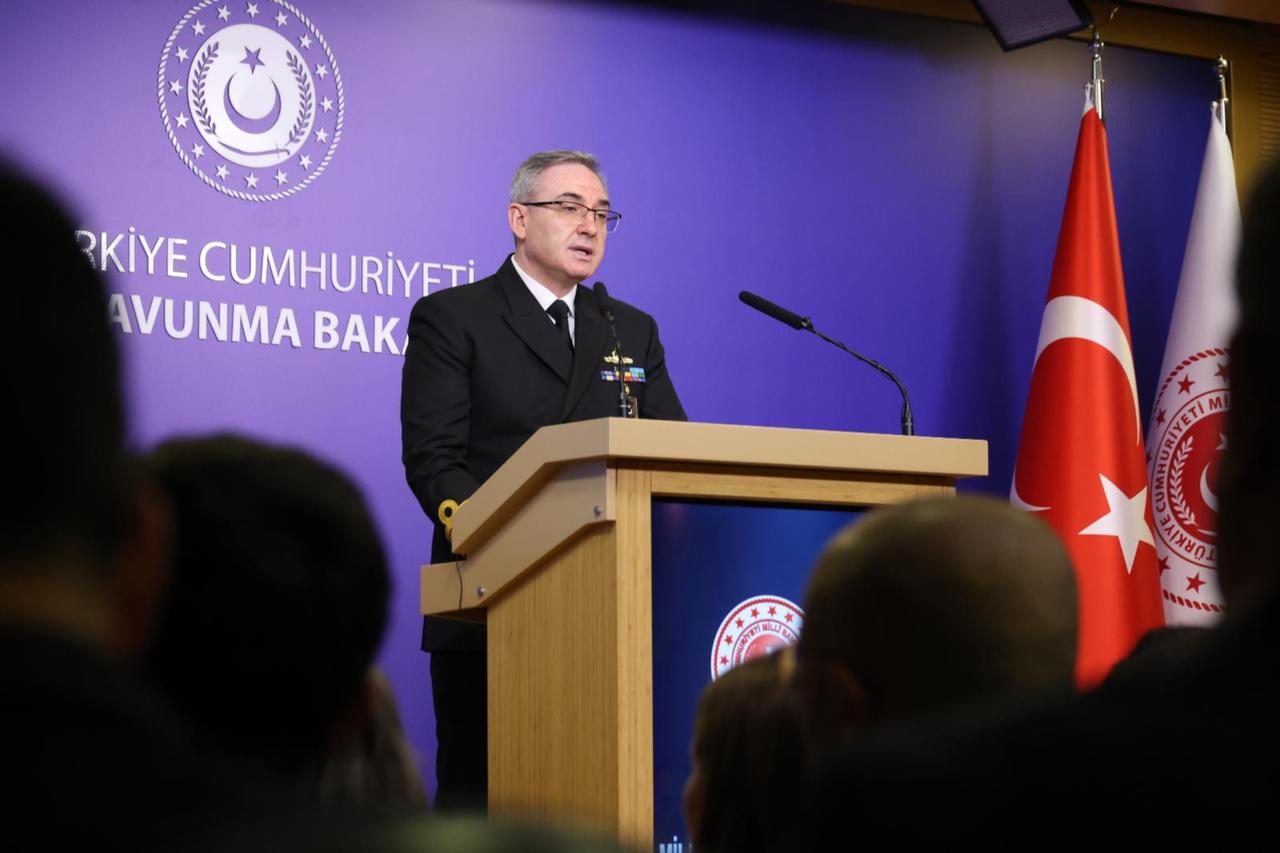
Meanwhile, Türkiye’s Ministry of National Defense recently shared the latest status of work on the Maritime Jurisdiction Areas Law, also referred to as the “Blue Homeland Law.”
The ministry said the legislation would define responsibilities within Türkiye’s maritime jurisdiction areas and address gaps in domestic legal regulations.
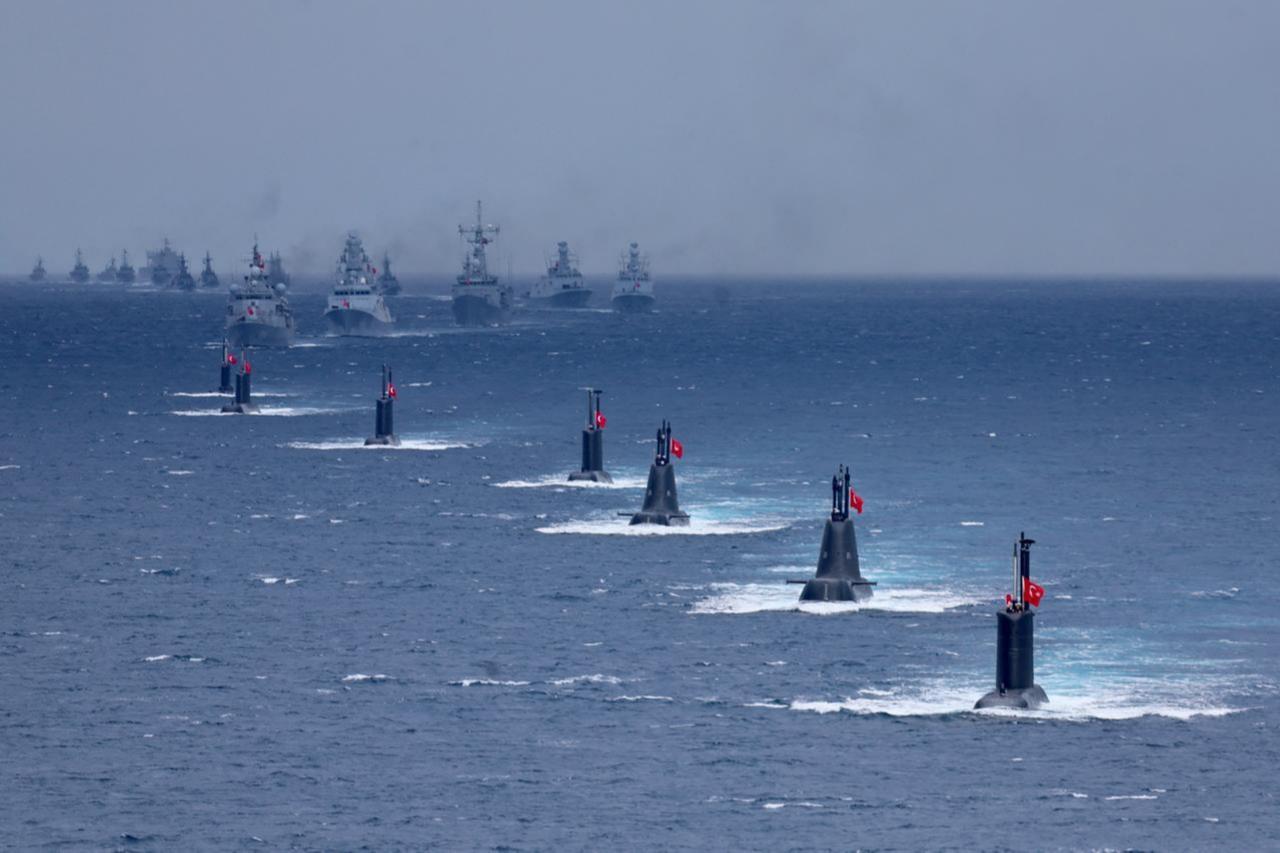
Turkish officials also stressed that the Turkish Armed Forces would continue protecting Türkiye’s rights and interests in its maritime jurisdiction zones.
The “Blue Homeland” doctrine emerged in 2006 as a maritime strategy associated with retired Turkish naval figures, including Cem Gurdeniz and Cihat Yayci.
The doctrine covers Türkiye’s claims regarding territorial waters, continental shelf rights and exclusive economic zones in the Black Sea, Aegean Sea and Eastern Mediterranean.
According to Turkish officials, the doctrine encompasses approximately 462,000 square kilometers of maritime jurisdiction areas.
Under the draft legislation, Türkiye’s territorial waters would remain at 6 nautical miles in the Aegean Sea, while being formally registered as 12 nautical miles in the Black Sea and Mediterranean.
The proposal would also authorize the president to declare “special-status maritime zones.”
Although both countries are NATO allies, Türkiye and Greece have remained at odds for decades over maritime boundaries, continental shelf claims, exclusive economic zones and Cyprus-related disputes.
Athens argues that Greek islands are entitled to full continental shelf and exclusive economic zone rights under international law and the United Nations Convention on the Law of the Sea (UNCLOS), which Greece has signed.
Türkiye is not a party to UNCLOS and rejects what it describes as “maximalist” maritime claims by Greece and the Greek Cypriot administration.
Ankara argues that maritime boundaries should primarily be determined based on mainland coastlines rather than islands, especially in enclosed seas such as the Aegean.
The Eastern Mediterranean dispute intensified during the 2010s following major natural gas discoveries near Cyprus, Egypt and Israel.
Türkiye also argues that Turkish Cypriots have been excluded from hydrocarbon revenues and regional energy cooperation initiatives.
Greek Foreign Minister Giorgos Gerapetritis recently said unilateral maritime claims outside international law were “doomed to fail.”


 Set as preferred source
 Set as preferred source


 1 min read
 1 min read